

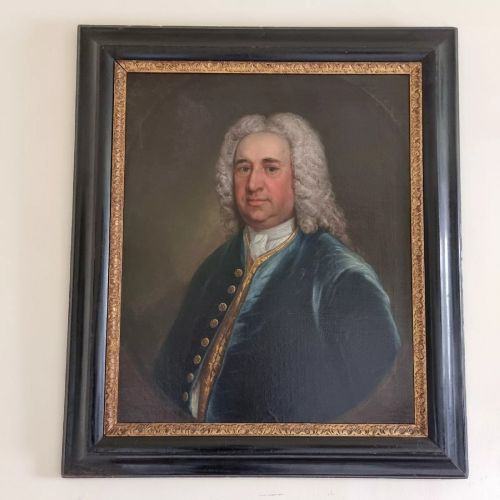


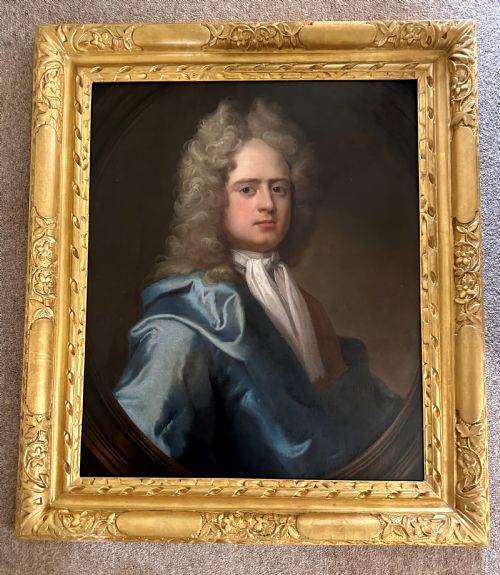


Powdered Wig Gentleman Portrait
A powdered wig gentleman portrait captures the refined likeness of an eighteenth-century sitter, bringing timeless character and historical depth to any room.
Powdered Wig Gentleman Portrait
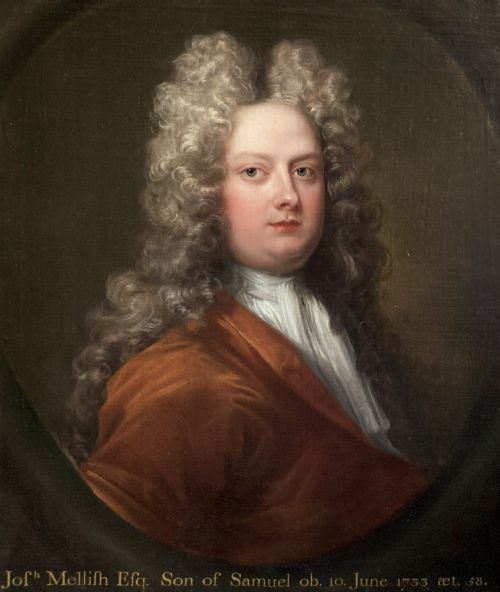
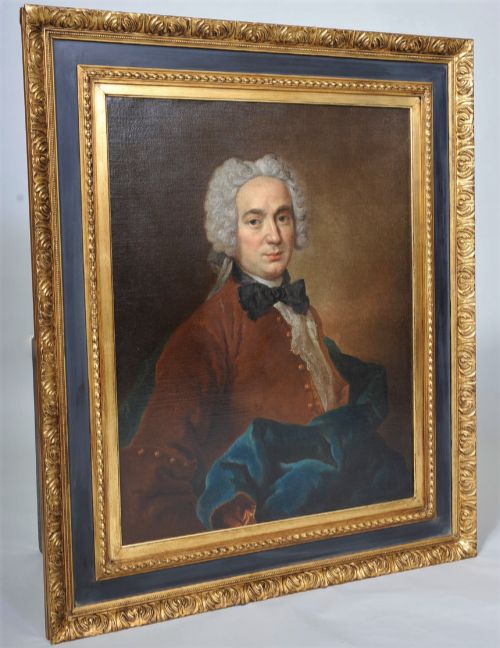
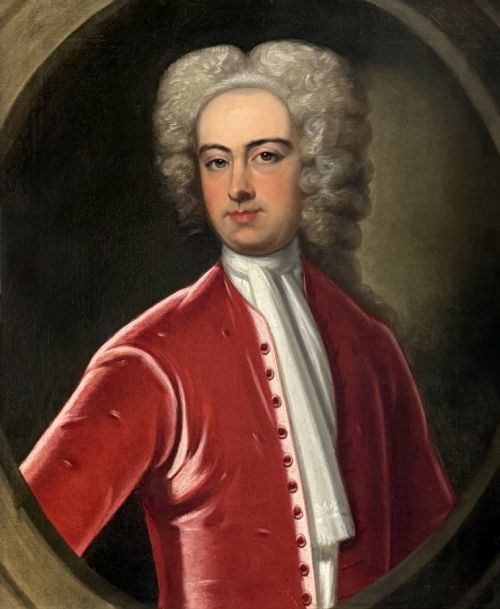
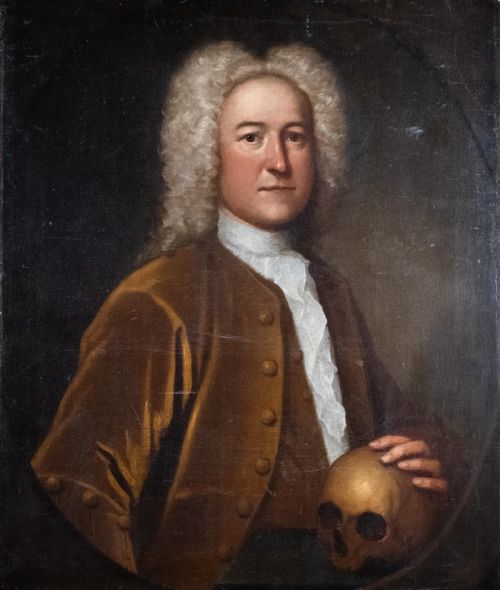
A powdered wig gentleman portrait presents oil paintings and enamel portrait miniatures originating from the eighteenth century. These works depict notable figures and gentlemen from eras including the Georgian period, early Georgian years, and eighteenth-century French styles.
Buyers will encounter various formats on this page, predominantly oil on canvas works alongside occasional oil on panel examples. The sitters frequently appear in formal attire such as crimson coats, holding items like skulls, or recorded with inscribed details on the reverse.
The aesthetic bridges domestic history and fine art, offering direct visual links to historical figures like Joseph Mellish, Richard Oswald, and the Reverend Christopher Pitt. Each piece serves as a window into the portraiture conventions of the seventeen-hundreds.
Materials and construction
These portraits rely primarily on oil paint applied to canvas or wood panels, utilising traditional mixing and layering techniques common to the eighteenth century. Artists worked with oil on canvas to achieve subtle tones in fabric and flesh, while enamel served for intimate portrait miniatures.
Many surviving canvases remain housed within their original or period-appropriate giltwood and gilded wood frames. The combination of oil pigments, prepared wood or canvas supports, and carved wooden frames defines the physical structure of these works.
Listings feature works spanning the eighteenth century, utilising oil on canvas, wood, and enamel materials.
Distinctions in execution
The preservation of the original paint surface and the integrity of the canvas or panel dictate the overall standard of the piece. Surviving inscriptions, signatures, and documented provenance further elevate the standing of individual paintings.
Charles Jervas·Joseph Highmore·Enoch Seeman the Younger·Michael Dahl·William Denune·Thomas Hudson·George Dowdney·Andrea Soldi·Henry Walton
The Powdered Wig Gentleman Portrait Glossary
- Canvas
- A heavy woven fabric stretched across a wooden frame to serve as a support for oil paintings. It provides the primary foundation for most eighteenth-century portraiture.
- Giltwood
- Wood that has been coated with a thin layer of gold leaf or gilt. This material frames many period paintings, adding decorative brilliance.
- Portrait Miniature
- A small, highly detailed painting, sometimes executed in enamel. These intimate works capture individual likenesses on a miniature scale.
- Provenance
- The documented history of ownership surrounding an artwork. Clear provenance helps verify the identity of the sitter and the attribution of the artist.
Powdered Wig Gentleman Portrait: Frequently Asked Questions
What periods do these portraits cover?
The available works date predominantly from the eighteenth century, encompassing the Georgian era and specific years such as seventeen hundred and seventeen fifty.
These dates align with the active periods of the sitters and the artists who painted them.
What materials were used?
Artists used oil paint applied to canvas or wood panels, alongside enamel for portrait miniatures.
Frames are typically constructed from wood and finished with gilt or gilded surfaces.
Are the sitters identified?
Many portraits feature named gentlemen, including merchants, reverends, and historical figures whose identities are preserved through inscriptions or documentation.
Some pieces record additional biographical details on the reverse of the canvas.
How should I display an oil painting?
Keep the artwork away from direct sunlight and dramatic fluctuations in temperature or humidity to protect the oil paint and canvas.
Ensure the period giltwood frame is securely hung to support the weight of the piece.