
Early Georgian Portrait Painting
When you search for early georgian portrait painting, you uncover 18th-century canvases depicting sitters from nobility to scholars in oils.
Early Georgian Portrait Painting
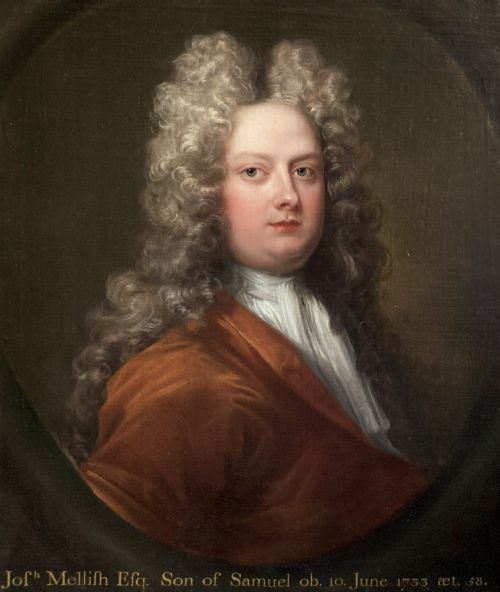
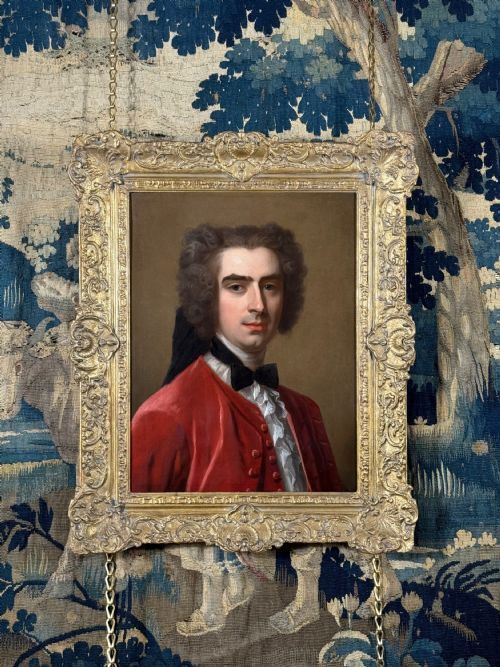
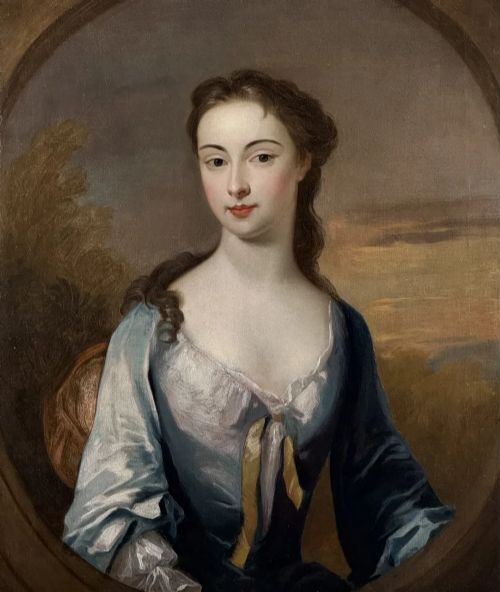
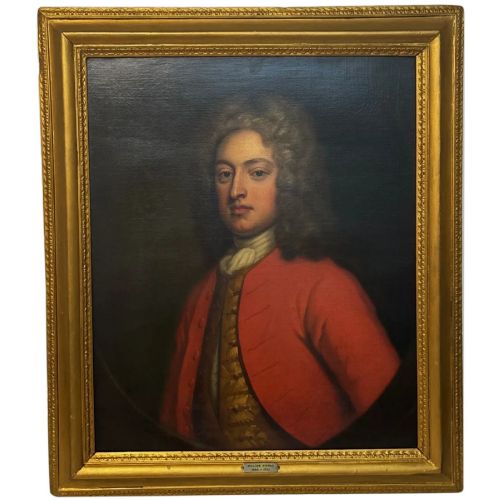
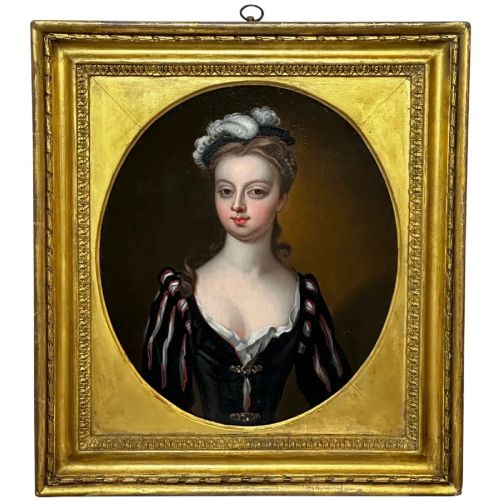
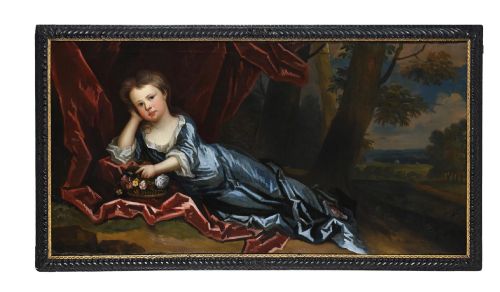
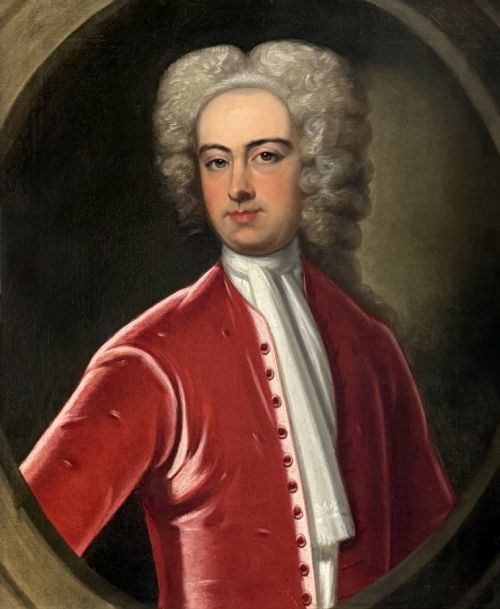
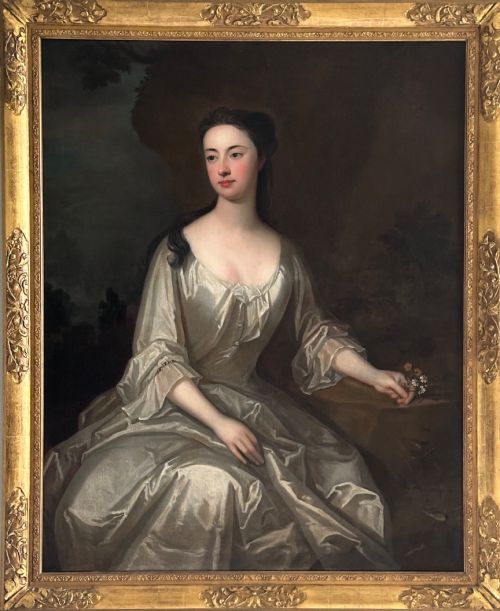
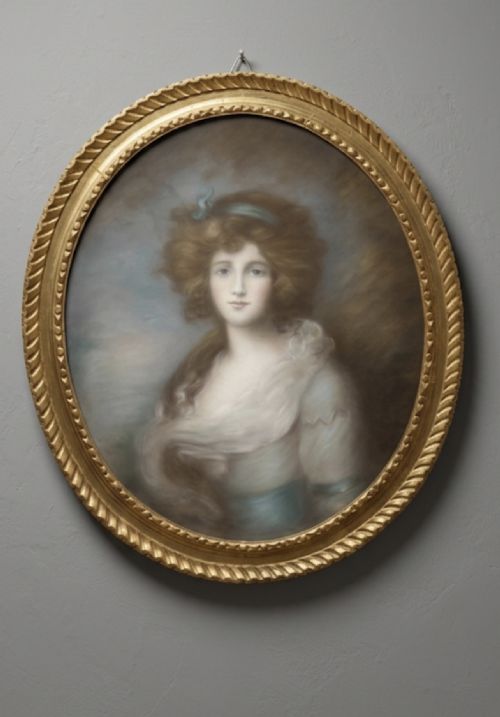
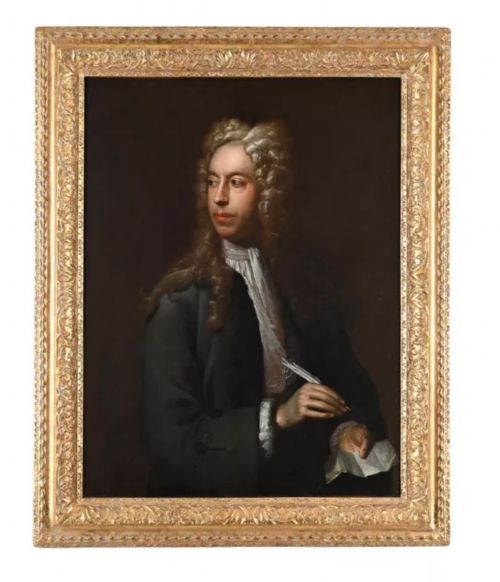
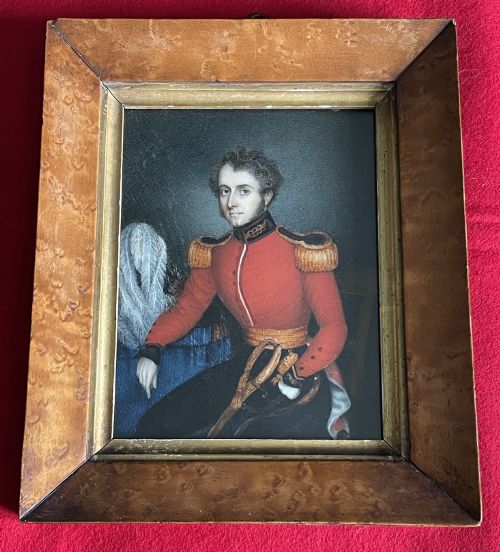
Early georgian portrait painting centres on 18th-century oils on canvas capturing identifiable gentlemen, ladies, and children. The figures appear seated in landscapes or posed in detailed garments like crimson coats and blue dresses.
Makers recorded in this selection include Charles Jervas, Jean-Baptiste Van Loo, and Michael Dahl. Many works also emerge from the circles of established portraitists or remain attributed to specific British schools.
The subjects range from military officers like Sir James Campbell to young girls and scholars. These canvases record the distinct attire and posture valued during the reigns spanning the early 1700s.
Materials and Construction
Artists painted primarily in oil on canvas, building up rich colours for garments such as scarlet jackets and blue dresses. Pigments were applied to primed surfaces, capturing the subtle textures of fabrics and flesh tones.
Frames made of giltwood complement many of the oil paintings, often original to the period of the artwork. The combination of canvas, wood stretcher frames, and gold leaf defines the physical structure of these works.
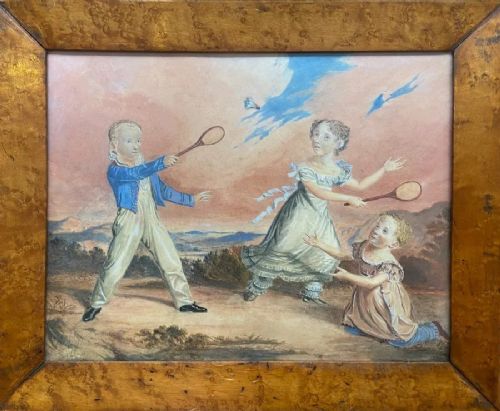
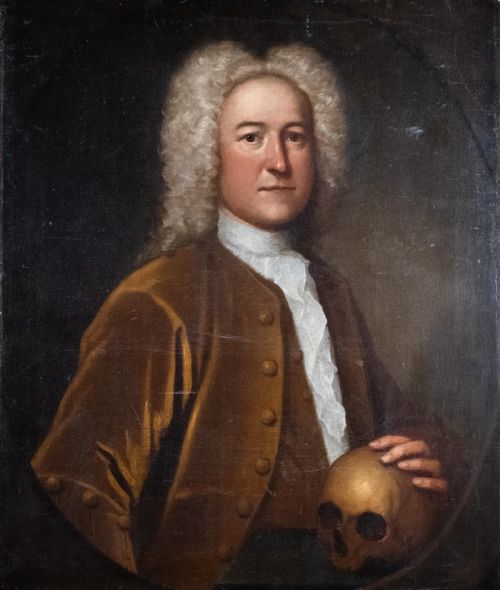
Several canvases preserve the exact gaze of long-gone gentlemen clutching skulls and playing shuttlecock.
Factors of Quality
The distinction between a top-tier portrait and a simpler piece lies in the handling of the sitter's face and hands. Master painters capture lifelike expressions and intricate textile folds, whereas lesser works display stiffer proportions.
Provenance and attribution strongly influence a painting's standing. Works tied directly to named artists or established circles carry greater documentary weight than anonymous school pieces.
Charles Jervas·Jean-Baptiste Van Loo·John Vanderbank·Charles D'Agar·Adriana Verelst·Michael Dahl·James Maubert·Joseph Highmore
The Early Georgian Portrait Painting Glossary
- Oil on Canvas
- A painting medium where pigments suspended in drying oils are applied to stretched woven fabric. This technique allowed artists to achieve deep, luminous colours and smooth transitions.
- Giltwood
- Wood that has been coated with a thin layer of gold leaf or gold paint. Frames constructed this way frequently house 18th-century canvases.
- Circle of
- A term used when an artist's work closely follows the style and technique of a known master. It indicates proximity to a primary workshop without direct authorship.
- Portrait Miniature
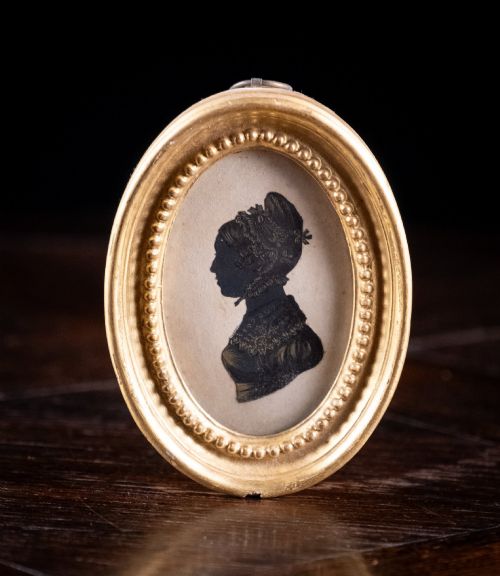
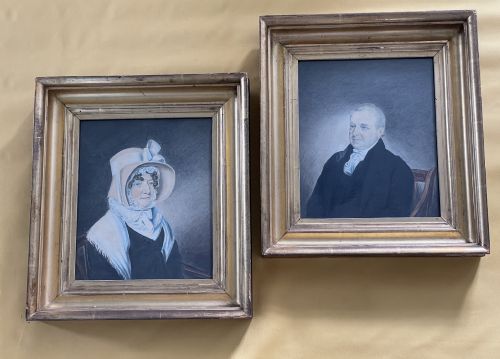
- A small-scale painting capturing a person's likeness, executed on materials such as paper or ivory. These portable items were often kept in lockets or small frames.
Early Georgian Portrait Painting: Frequently Asked Questions
Who are the typical sitters in these paintings?
The sitters include identifiable figures such as military officers, gentlemen scholars, and noble ladies. Many portraits record members of the 18th-century British gentry.
Names inscribed on canvases or documented in archives often link these individuals to specific historical families and regiments.
How can I identify the period of a portrait?
Dating relies heavily on the style of clothing, such as scarlet jackets, crimson coats, or specific gown cuts shown in the canvas. Hairdos and accompanying accessories also offer strong chronological clues.
Frame styles and back inscriptions occasionally provide secondary evidence to support the era of execution.
What is the difference between an attributed work and a direct painting?
An attributed painting is assigned to a specific artist based on stylistic similarities rather than a signature or documented receipt. Direct works carry the confirmed hand or documentation of the master.
Both categories reflect the aesthetic standards of the 18th-century studio system.
Where were these portraits originally displayed?
Owners hung these large canvases in the panelled reception rooms and halls of country houses and town residences. They served to display lineage, status, and scholarly or military achievements.
Smaller formats, such as miniatures, were kept in private chambers or carried on the person.