



Historic Male Portrait Canvas
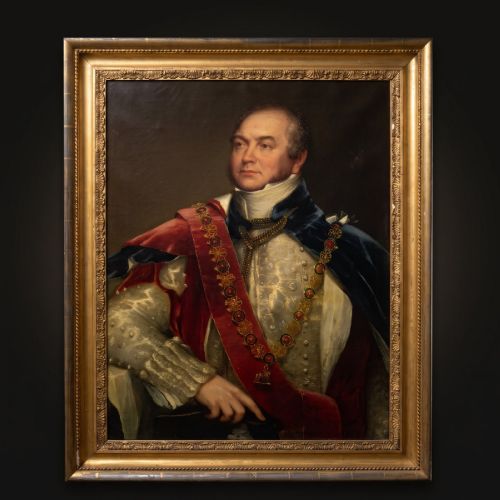
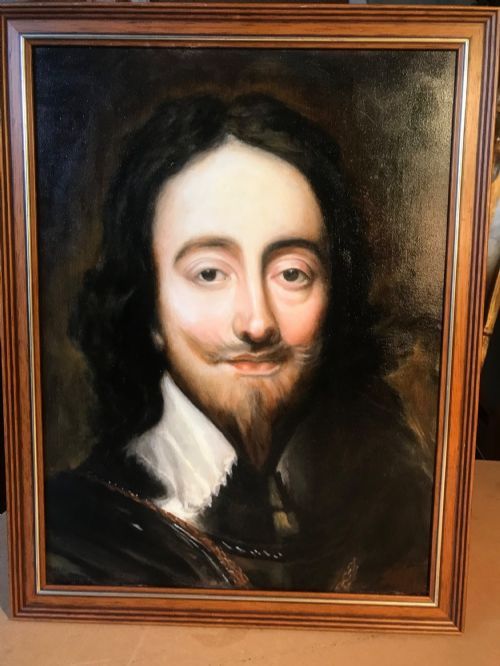
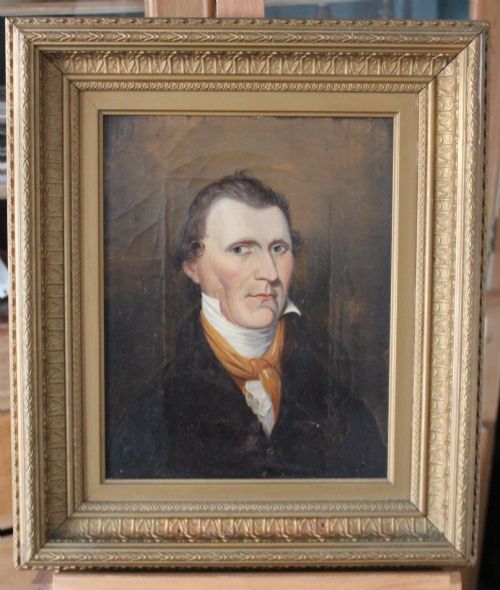
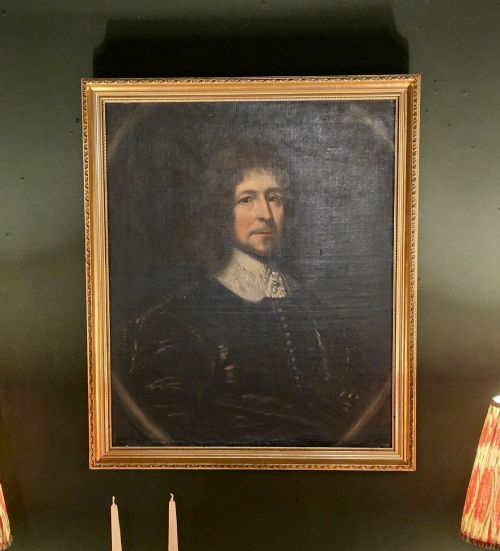
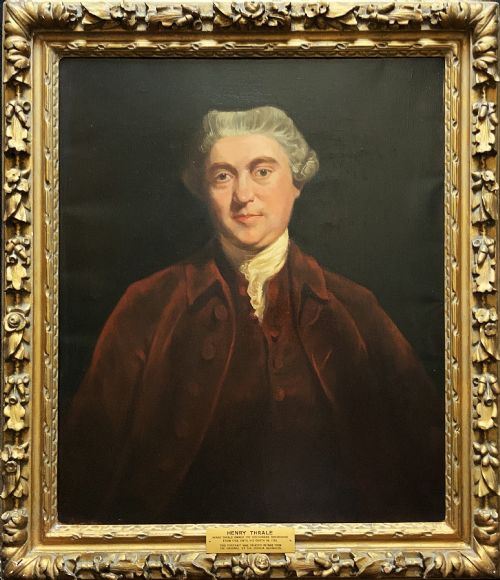
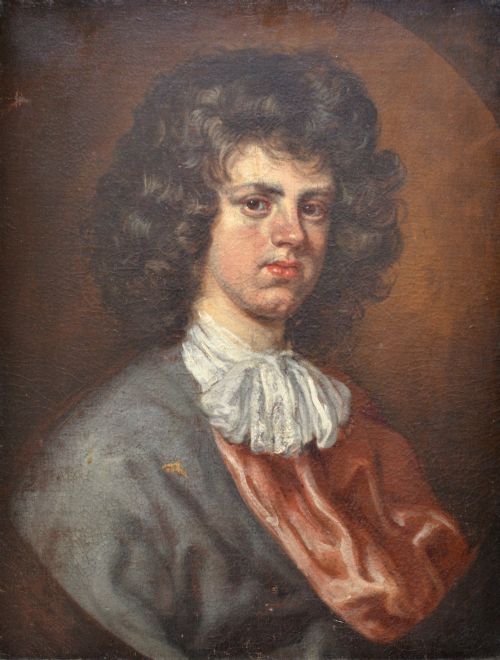
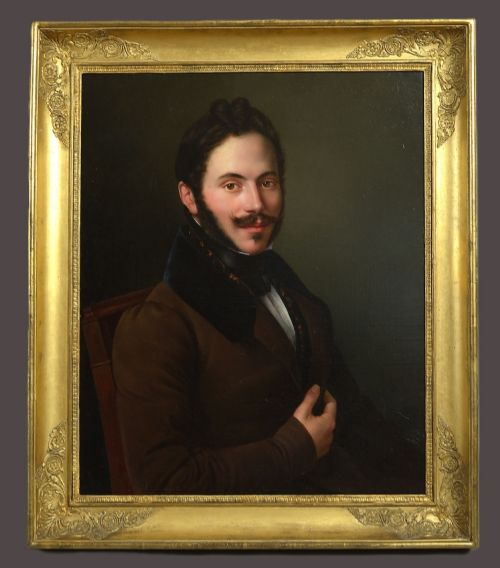
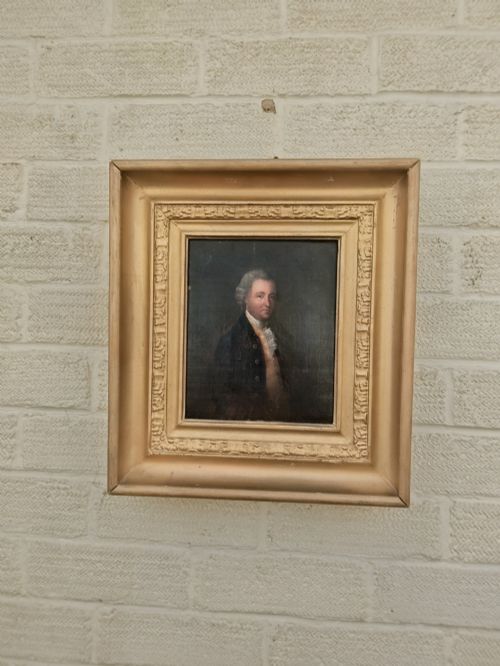
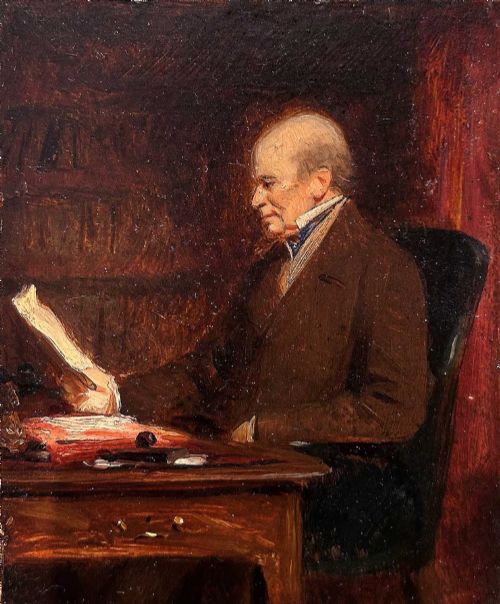
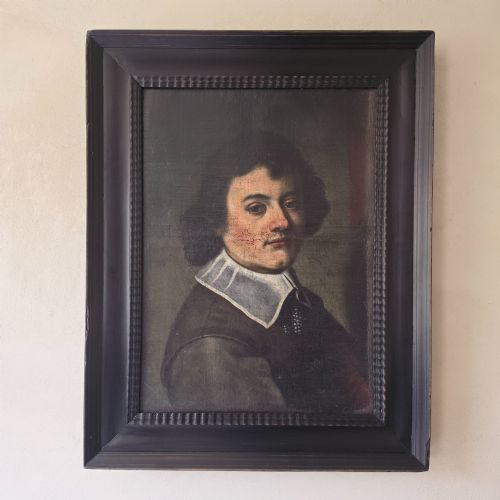
When choosing a historic male portrait canvas, you are selecting an original oil painting that preserves the likeness of a gentleman, nobleman or notable figure from centuries past.
Historic Male Portrait Canvas
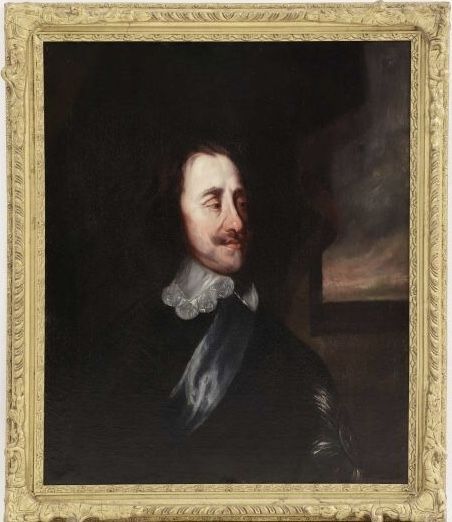
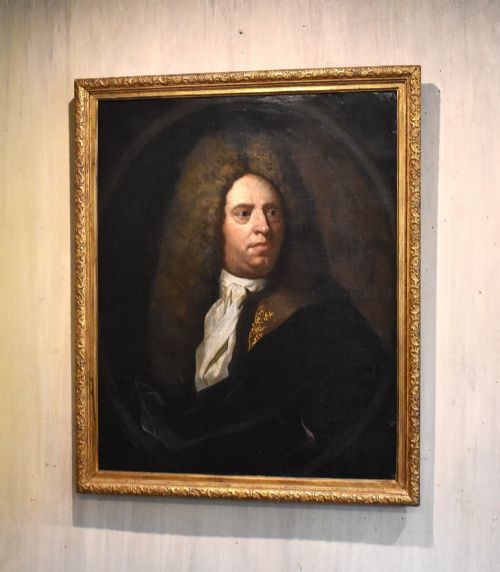
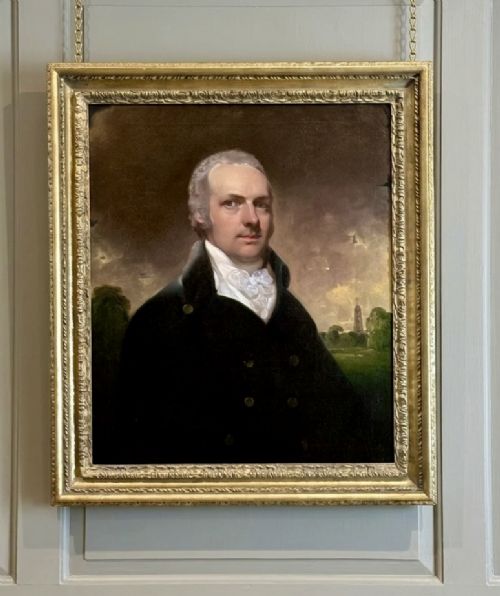
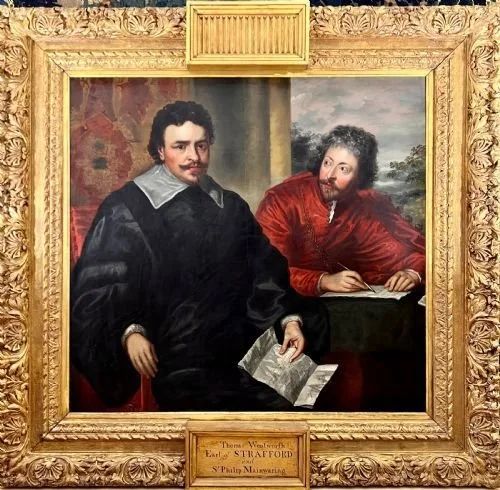
A historic male portrait canvas presents subjects ranging from seventeenth-century clergymen and merchants to nineteenth-century politicians and military officers, captured in oil paint. These works span the seventeenth, eighteenth and nineteenth centuries, reflecting the aesthetic values and social hierarchies of their respective eras.
Buyers will most frequently encounter nineteenth-century and eighteenth-century depictions of gentlemen, often housed in period giltwood frames. The subjects include named historical figures such as veterans, physicians and statesmen, alongside anonymous gentlemen rendered by regional British, French and Flemish schools.
How They Were Made
Artists built these works using oil paint applied to woven canvas stretched over wooden frames, a method that allowed for rich colour blending and durability over centuries. The ground layers typically consisted of a prepared gesso or priming coat to seal the textile before the portraitist began their work.
Surrounding many of these canvases are heavy wooden frames, frequently finished with gold leaf or giltwood highlights. These frames were often designed specifically to complement the status of the sitter and the prevailing decorative style of the period.
Historic Male Portrait Canvas Retail Price Guide 2026
Typical asking prices for historic male portrait canvas among the pieces listed under this phrase on Sellingantiques today, from the lower quarter to the upper quarter. They describe what is for sale here now, not the wider market.
Several gentlemen captured in these oils gaze out wearing elaborate lace jabots, voluminous wigs or high stiff collars that would take half an hour to adjust.
What Varies in Quality
The distinction between standard works and superior examples lies in the precision of the brushwork and the psychological depth captured in the sitter's expression. Master portraitists achieved lifelike skin tones and convincing textiles, whereas lesser hands produced stiff or formulaic representations.
Provenance and attribution also differentiate the range, with signed canvases or works linked through scholarly circles to notable painters commanding greater historical interest. The preservation of the original canvas and the integrity of the period frame further influence the standing of any given piece.
Sir Godfrey Kneller·Sir Peter Lely·Sir William Beechey·Mary Beale·Joseph Highmore·Richard Cosway·Henry William Pickersgill·Angelica Kauffman
The Historic Male Portrait Canvas Glossary
- Canvas
- A heavy woven fabric, typically linen or hemp, used as the primary support surface for oil paintings. It provides the tensile strength needed for large-scale portraiture.
- Giltwood
- Wood that has been coated with a thin layer of gold leaf or gilt powder. This finish was standard for framing significant portraits from the seventeenth century onward.
- Circle of
- A term used when a painting is not signed by a master artist but displays the distinct style and technique of their workshop or immediate followers. It denotes period proximity rather than direct authorship.
- Passage Portrait
- A secondary or replica version of an established portrait, often painted after the death of the sitter or to record a notable public image.
- Jabot
- A decorative frill or lace trim attached to the front of a shirt or cravat, frequently seen in eighteenth-century male portraiture to signal fashion and status.
Historic Male Portrait Canvas: Frequently Asked Questions
How do I identify the period of a portrait canvas?
Examine the clothing, hairstyle and facial hair of the sitter, which generally reflect the fashion of the decades in which the work was painted. The style of the stretcher frame and the type of canvas weave also offer clues to the age of the object.
Inscribed names, dates or labels on the reverse of the canvas or frame frequently provide direct documentation. Comparing the handling of the paint and the portrait composition to dated works by known schools helps narrow down the era further.
Where should I hang an antique portrait?
Choose a wall away from direct sunlight and damp conditions to protect the delicate oil pigments and the underlying canvas from environmental degradation. Stable indoor temperatures prevent the wood stretcher and the canvas from expanding and contracting.
Traditional spaces such as libraries, studies and living rooms suit the formal character of these works. Ensure the hanging height places the subject's gaze at comfortable viewing level.
Were all historic portraits painted from life?
Many sitters sat for hours in an artist's studio, though the process could take multiple sessions over several weeks or months. Portraitists sometimes utilised preparatory sketches or studies to capture the likeness before completing the final canvas.
Posthumous portraits were also common, painted from earlier likenesses, miniatures or descriptions. In other instances, artists produced replica passage portraits after famous paintings for patrons who desired a similar image.
What does attribution to a school mean?
Attribution to a specific regional school indicates that an anonymous artist worked within the geographic area and artistic tradition of that group during the stated century. It connects the technical execution and style to a known cultural centre rather than a single individual.
Works linked to the circle of a master painter suggest the artist trained under or closely followed the methods of that prominent figure. This classification helps historians contextualise unsigned works within British, French or Flemish traditions.