

Historic Gentleman Portrait Art
Historic gentleman portrait art captures centuries of masculine presence through oil on canvas and intimate miniatures, offering collectors a direct link to past lives.
Historic Gentleman Portrait Art
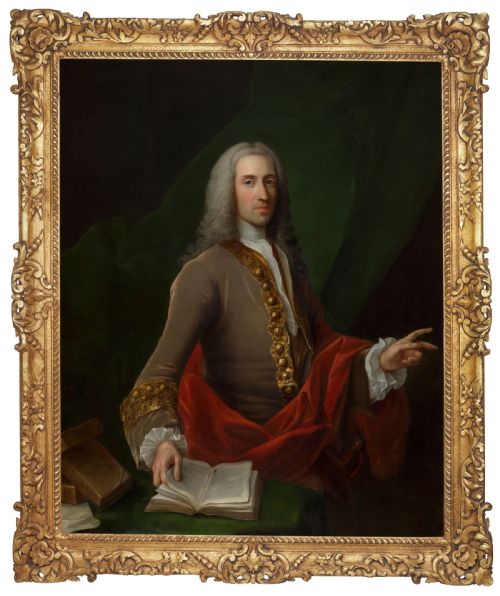
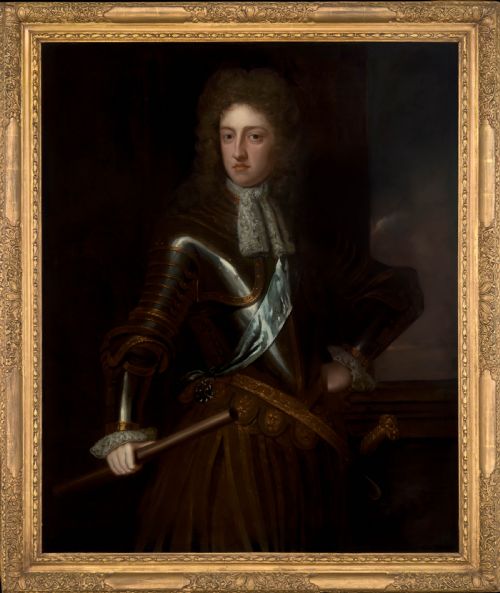
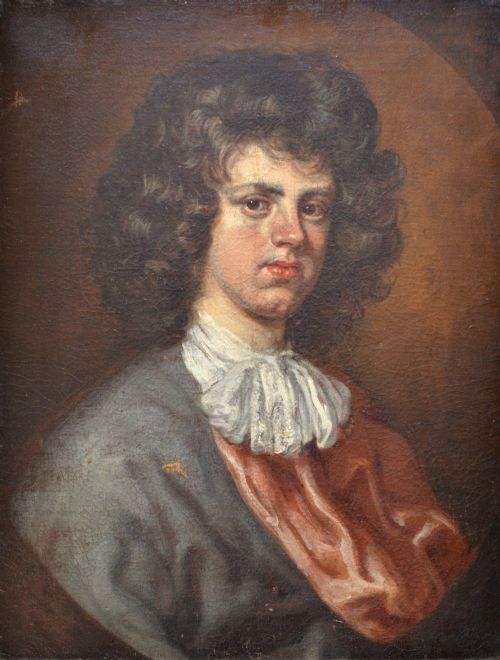
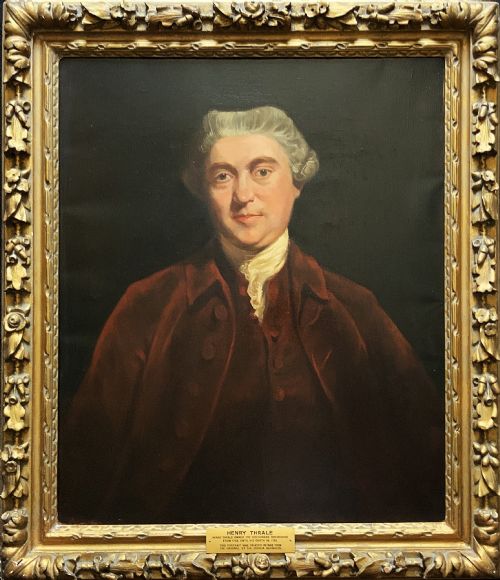
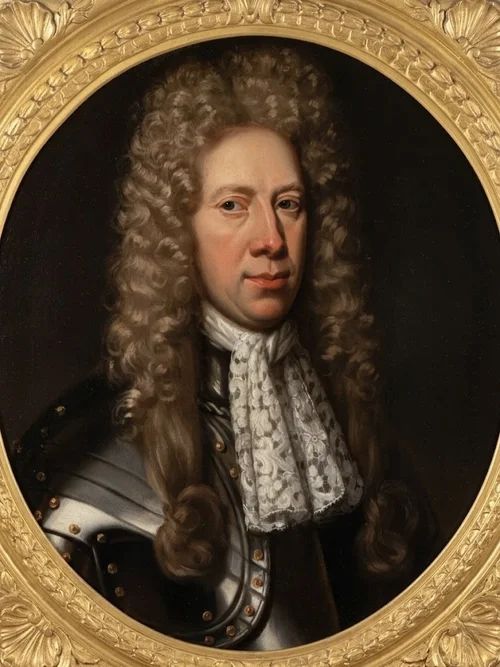
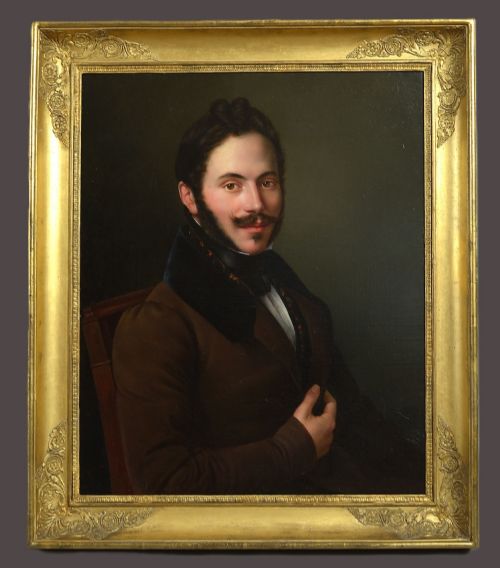
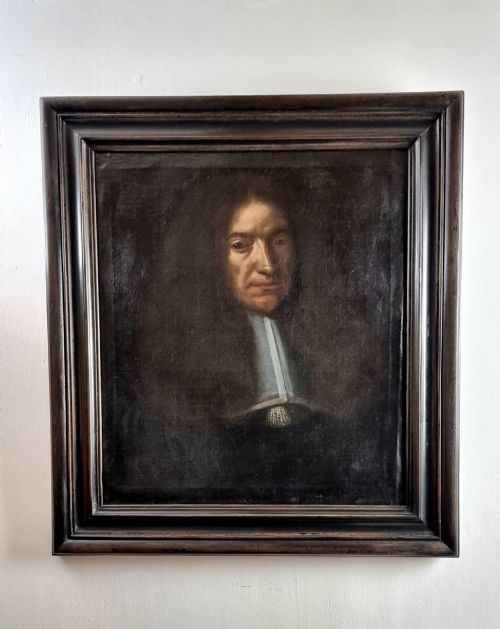
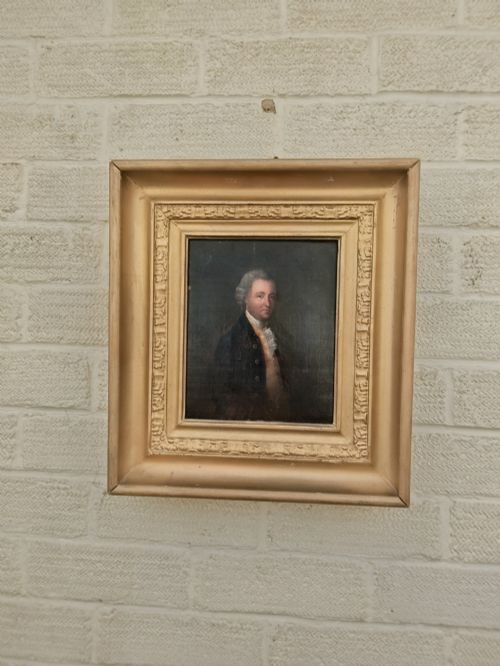
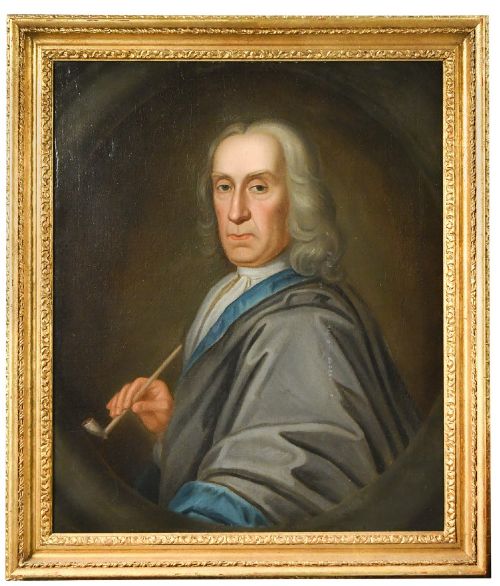
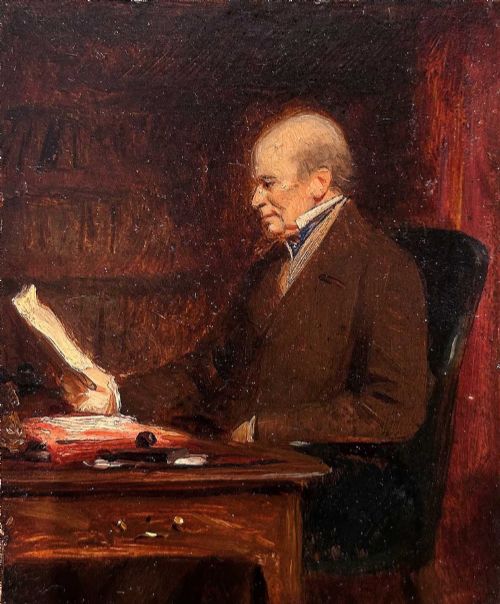
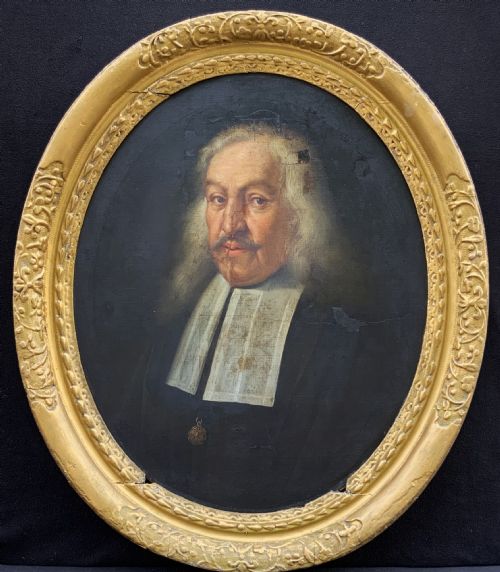
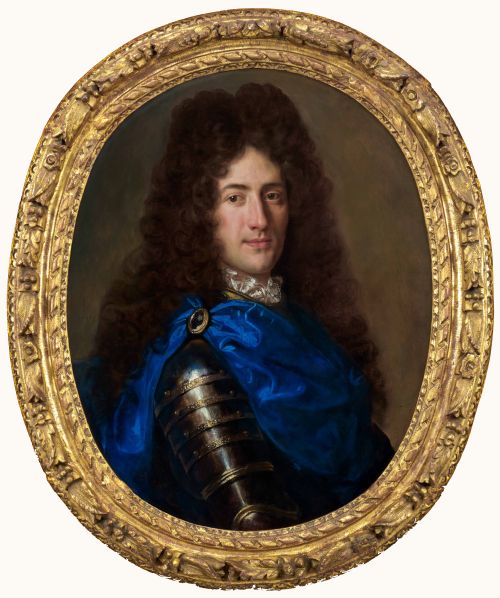
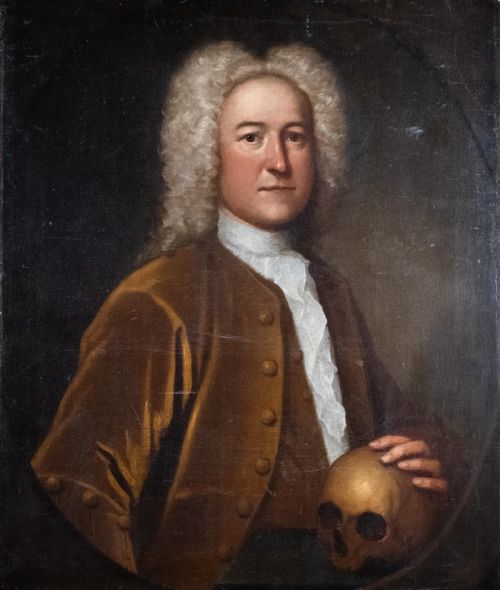
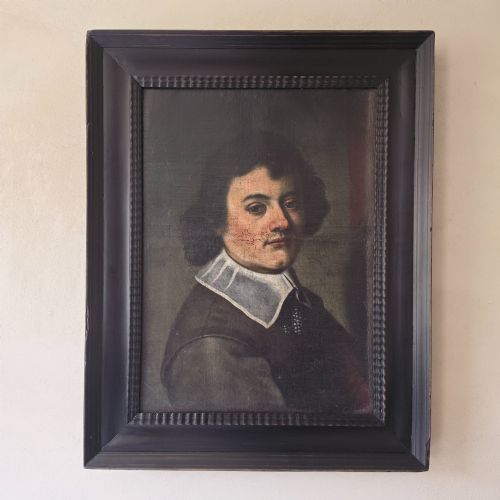
When you examine historic gentleman portrait art, you encounter oil paintings on canvas alongside detailed works on paper from the seventeenth century through the Victorian era. These depictions range from formal aristocratic commissions by known studios to anonymous school studies of judges, physicians, and naval officers.
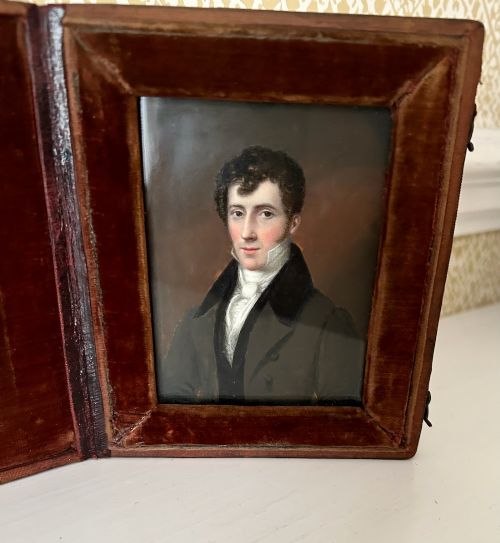
The selections on this page span British, French, and Flemish traditions, encompassing half-length compositions and smaller portrait miniatures. Subjects appear in contemporary attire such as armour, crimson coats, or academic robes, frequently accompanied by personal items like books or pipes that signal their station.
How they were made
Painters built these works using oil paint applied to stretched canvas or wooden panels, often employing preparatory underdrawings and layered glazes to achieve depth in skin tones and textiles. Gesso and carved giltwood frames provided structural support and ornamentation that complemented the status of the sitter.
Miniatures and works on paper utilised delicate watercolours or plumbago, requiring precise line work and fine brushes to capture likenesses on a small scale. Surviving examples retain the original stretchers and canvas textures characteristic of their respective periods.
Listings feature oil on canvas works spanning from the seventeenth century through the Victorian period.
What varies in quality
The distinction between a standard studio piece and a masterwork lies in the psychological depth of the subject's expression and the confident handling of fabric folds and lace jabots. Superior examples display anatomical precision in the hands and face, whereas lesser works rely on formulaic repetition by workshop assistants.
Material preservation significantly influences standing, with untouched original surfaces and period frames commanding greater respect than heavily restored or relined canvases where the original brushwork has been obscured.
Sir William Beechey·Sir Godfrey Kneller·Mary Beale·Richard Cosway·Michael Dahl
The Historic Gentleman Portrait Art Glossary
- Plumbago
- A drawing executed in graphite, taking its name from the Latin word for lead ore. These monochromatic works gained popularity during the seventeenth and eighteenth centuries for crisp preparatory portraits.
- Gesso
- A traditional white paint mixture consisting of a binder mixed with chalk, gypsum, or pigment. It served as a smooth preparation layer for wooden panels and canvas before oil application.
- Circle of
- A designation used when a work originates from an artist's immediate working environment or studio. It denotes a hand closely influenced by the master's style without being a direct autograph piece.
- Jabot
- A decorative lace or linen ruffle attached to the front of a shirt. Its detailed rendering often helps date seventeenth and eighteenth-century portraits.
- Relining
- A conservation technique where a deteriorated original canvas is attached to a fresh support fabric with heat and adhesive. This process stabilizes fragile materials for modern display.
Historic Gentleman Portrait Art: Frequently Asked Questions
How do I identify the period of a portrait?
Examine the sitter's clothing, wig style, and collar details, as these elements shifted rapidly across the seventeenth, eighteenth, and nineteenth centuries. Portraits from the Georgian era often feature distinct waistcoats and neckwear that contrast with earlier armour or later Victorian frock coats.
Supporting inscriptions or signatures on the reverse of the canvas can also provide precise dates and name the artist or subject. Comparing the stretcher construction and canvas type with known period examples offers further chronological confirmation.
What does attribution to a studio mean?
Attribution to a studio indicates that the painting emerged from the workshop of a master artist rather than being painted entirely by their own hand. Assistants and pupils frequently executed these commissions under the master's direct supervision.
These pieces share the technical methods and compositional style of the primary artist while reflecting the collaborative nature of historic portrait production. Such works offer access to high-level portraiture traditions from specific centuries.
How should I care for an antique oil painting?
Keep the artwork away from direct sunlight, heating vents, and damp environments to prevent the canvas from warping and the oil paint from cracking. Stable indoor temperatures preserve both the stretcher frame and the delicate pigment layers over decades.
Dust the surface gently with a soft, dry brush without applying pressure or cleaning solutions. Professional conservators should handle any deeper cleaning or structural repairs to the canvas.
Why do some portraits include objects like skulls or books?
Objects depicted alongside the sitter functioned as symbolic shorthand for their profession, education, or personal philosophies during the seventeenth and eighteenth centuries. Books and scrolls denoted scholarship, while a skull served as a memento mori reminding viewers of mortality.
These inclusion details help historians identify the social standing or intellectual pursuits of the gentleman portrayed. They transform a simple likeness into a narrative about the individual's life and values.