



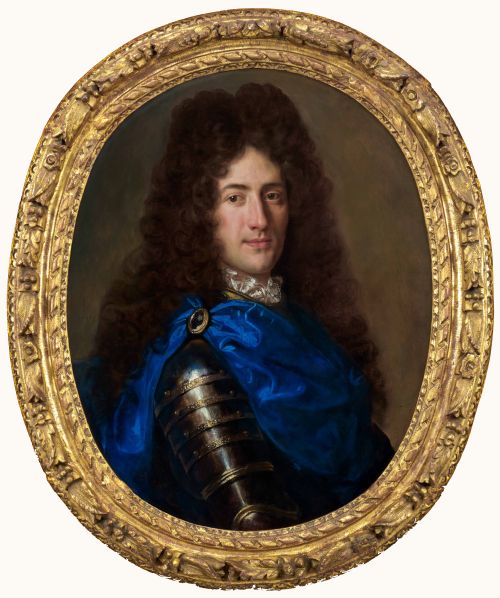
Historic Fine Art Canvas
Historic fine art canvas works bring centuries of portraiture and landscape into a room, offering a direct link to past eras through traditional paint and textile.
Historic Fine Art Canvas
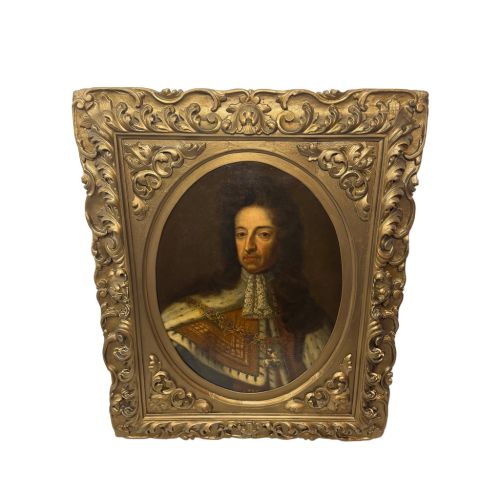
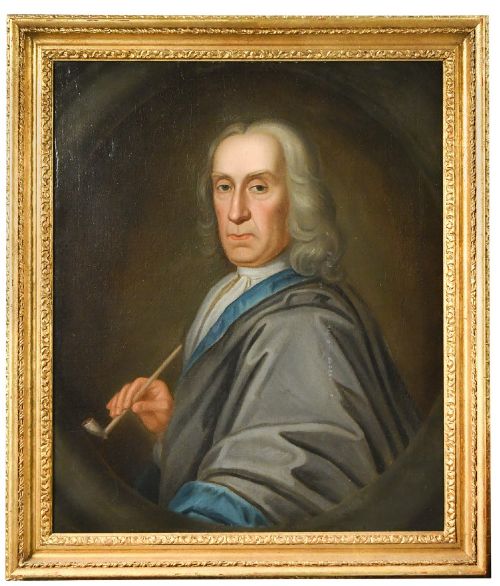
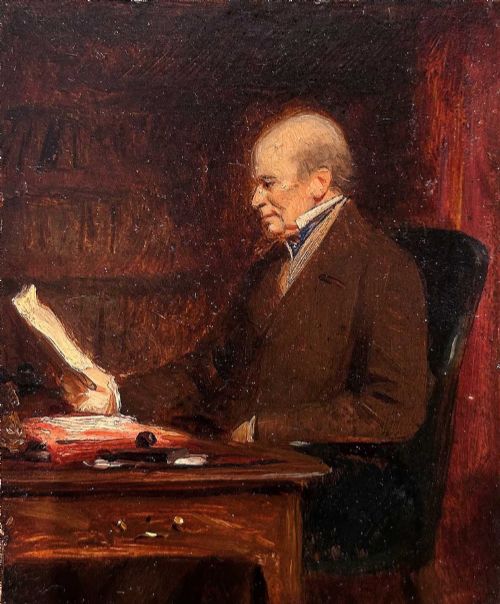
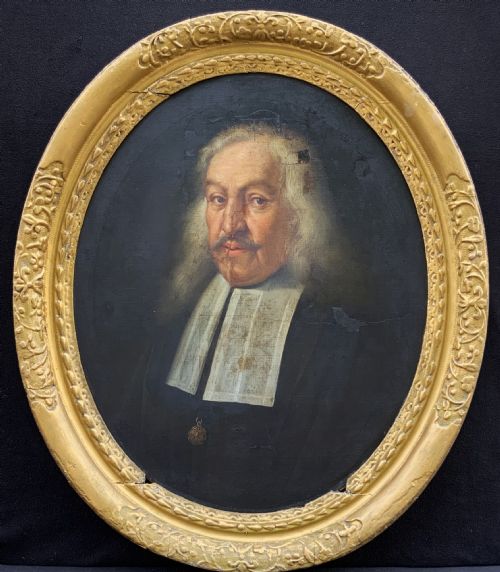
When searching for a historic fine art canvas, a buyer encounters oil paintings predominantly spanning the seventeenth, eighteenth, and nineteenth centuries.
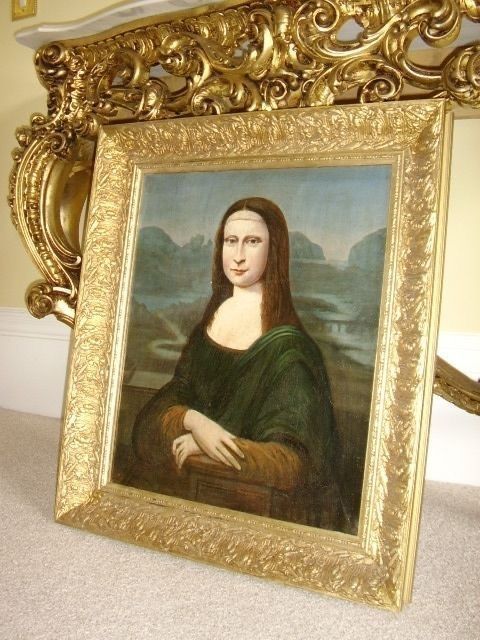
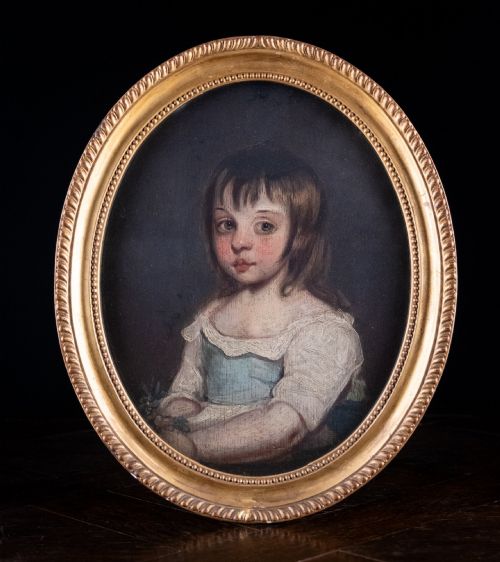
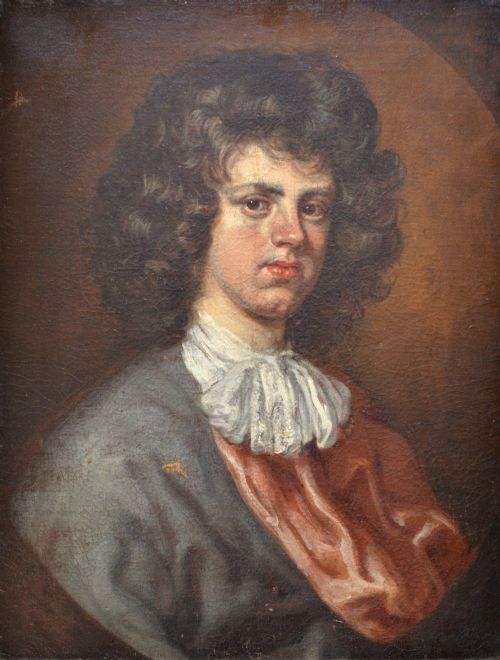
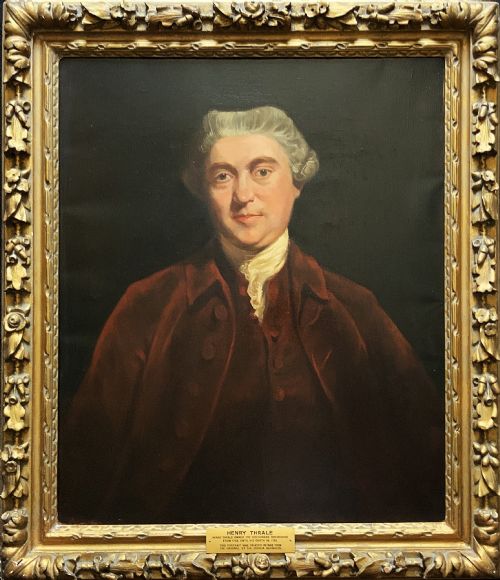
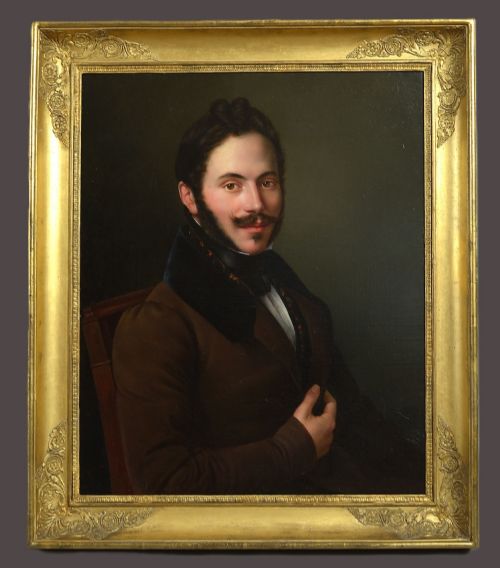
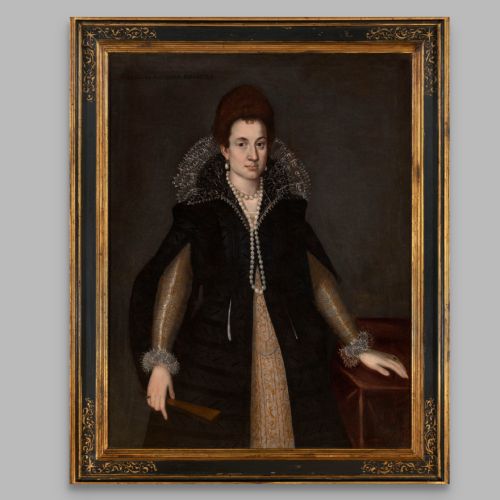
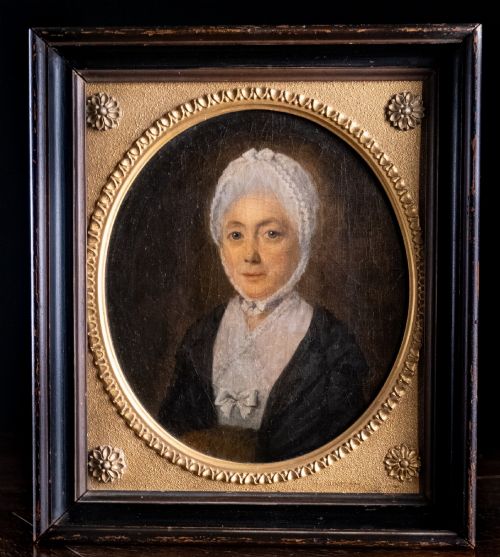
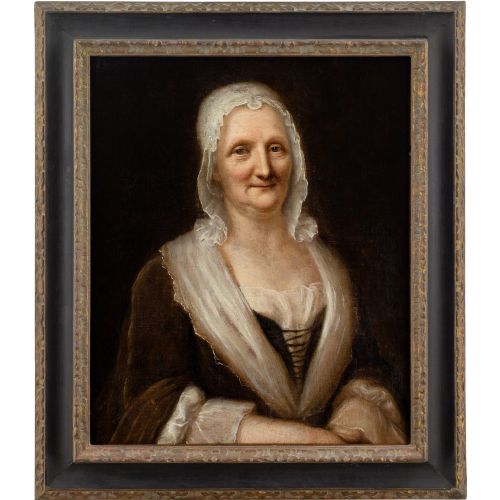
The selections on this page heavily feature portrait paintings of gentlemen, ladies, and nobility, alongside occasional landscapes and figurative works.
These pieces originate from British, French, Flemish, and broader European schools, capturing recognizable historical figures and anonymous sitters alike.
How they were made
Painters applied oil paint directly onto woven canvas supports, building up rich colour and depth through successive layers.
Many surviving works retain their period frames constructed from wood and finished with giltwood or gold leaf.
Portraits dominate the selection, depicting subjects from British, French, and Flemish historic schools.
What varies in quality
The strength of the composition and the precision of facial rendering separate ambitious academy works from standard provincial output.
The survival of the original canvas tension and the integrity of the paint surface dictate the visual impact of the piece.
SIR WILLIAM BEECHEY R.A·Mary Beale·Edouard Pingret·Pietro Fachetti·Pieter Borseler·Joseph Vivienne·Joseph Highmore·William Millar·John Sanderson Wells·Bartolomeo Schedoni·George Chinnery·James Canter·Nathaniel Hone·William Denune·Henry William Pickersgill·Francesco Bergamini·Robert Byng
The Historic Fine Art Canvas Glossary
- Canvas
- A heavy woven fabric used as a support surface for oil paintings. It provides the structural base that holds the ground and pigment layers.
- Oil Paint
- A slow-drying paint made by combining pigment particles with a drying oil, typically linseed oil. This medium allows for smooth blending and deep colour saturation.
- Giltwood
- Wood carved and covered with a thin layer of gold leaf or metallic powder. It forms the decorative surface of traditional picture frames.
- Baroque
- A European artistic style spanning the seventeenth and early eighteenth centuries, characterised by drama, tension, and deep chiaroscuro lighting.
- School
- A group of artists working in a similar style or region during a shared period, often influenced by a central master.
Historic Fine Art Canvas: Frequently Asked Questions
What periods do these canvas paintings date from?
The inventory spans several centuries, with a strong concentration of works originating in the seventeenth, eighteenth, and nineteenth centuries. Pieces align with Georgian, Regency, and Victorian aesthetics.
Individual works often reflect the distinct portraiture traditions and dress codes of their specific decade of production.
How should I hang an oil painting?
Heavy oil on canvas works require secure wall fixings suited to the combined weight of the stretcher and the wooden frame. Position the piece away from direct sunlight and steady heat sources to protect the paint surface.
Ensure the hanging height places the centre of the canvas at standard eye level for optimal viewing within the room.
What is the difference between a school and an artist?
A named artist refers to a specific painter whose hand created the work, often confirmed by signatures, documentation, or distinct stylistic traits. A school denotes a group of painters working within the same region and era who shared technical methods.
Attributions to a circle or school indicate proximity to a master without claiming direct execution by that primary hand.
Are these works painted on stretched fabric?
Traditional fine art paintings utilise woven canvas stretched tightly across a wooden frame to maintain an even and stable support. This method prevents sagging and provides the ideal tension for applying oil pigments.
Many period pieces retain their original wooden stretchers, which display age-appropriate marks on the reverse.