





Historic Art Print
Historic art print selections bring centuries of cartography, portraiture, and architectural rendering into focus through paper, ink, and glass.
Historic Art Print
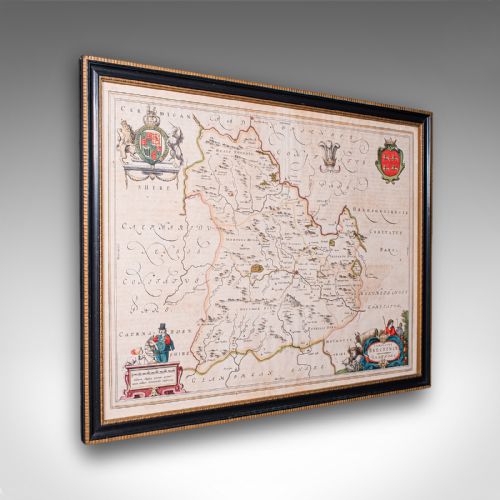
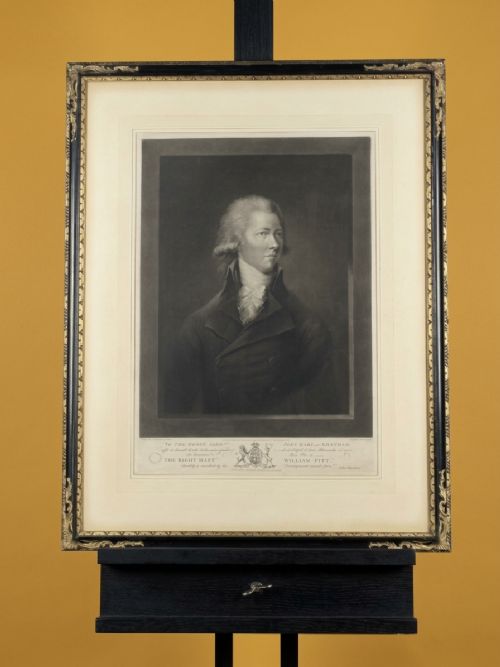
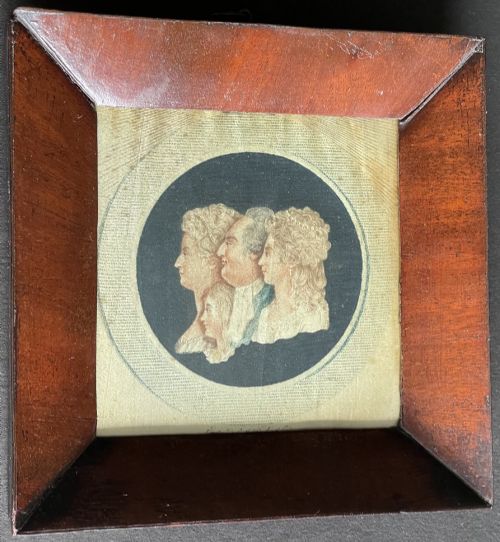
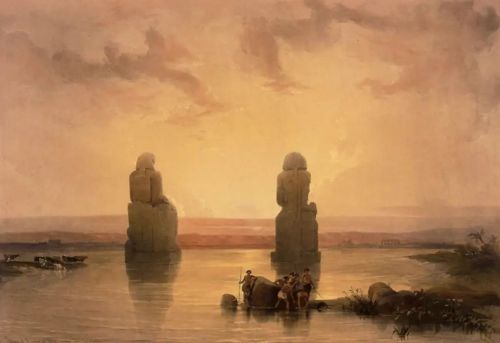
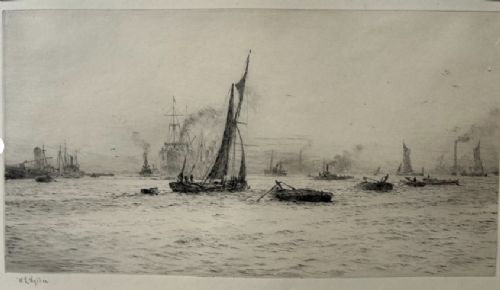
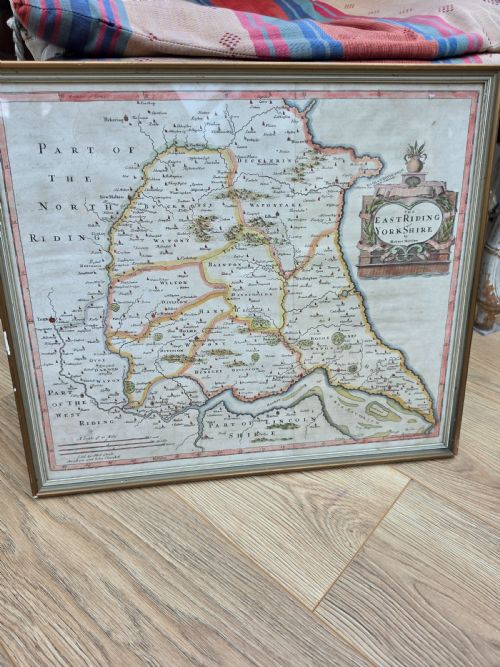
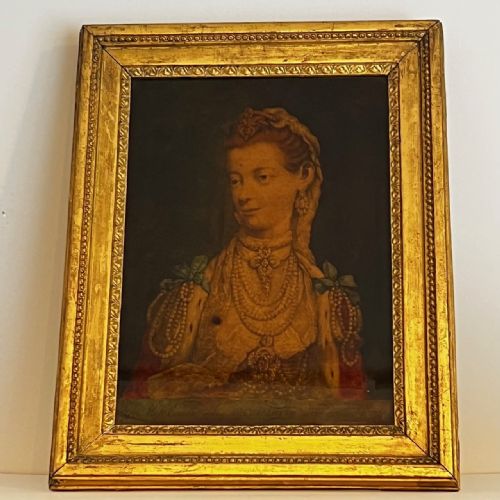
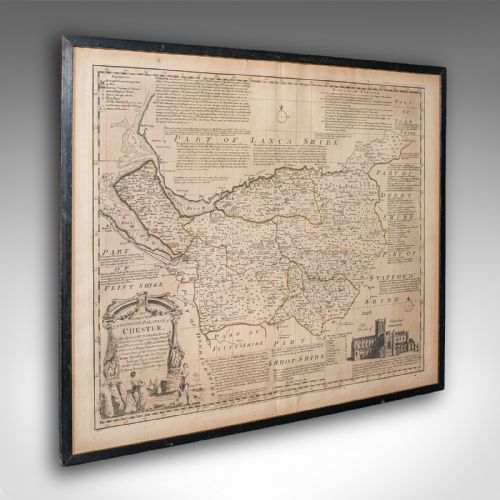
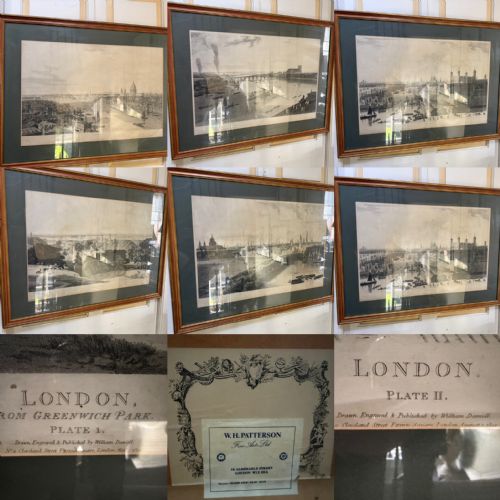
When searching for a historic art print, buyers encounter an array of antique maps, engraved portraits, and architectural watercolours spanning from the seventeenth century through the early twentieth century. Cartographic works by noted makers sit alongside mezzotint portraits and panoramic engravings of city views.
Engravings and etchings dominate the selection, often preserved in period frames of wood and giltwood that complement the monochromatic or hand-tinted surfaces of the paper.
How they were made
Printmakers utilised copperplates for maps and engravings, pressing inked lines onto paper using manual presses that often left a distinct plate mark at the sheet edges. Watercolour and ink additions were applied by hand to monochrome prints to enhance architectural details and regional boundaries.
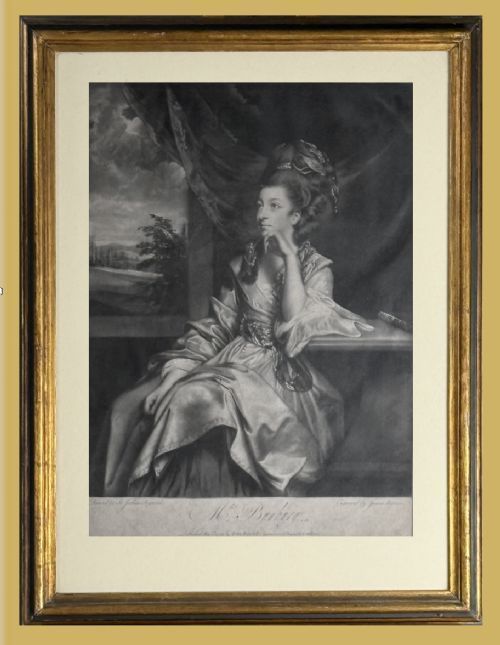
Mezzotints relied on the technique of roughening a copper plate with a rocker to create rich tones and subtle gradations of shadow, suited to portraiture after artists like Sir Joshua Reynolds. Reverse glass painting involved applying pigments directly to the reverse side of a glass panel to achieve a luminous, finished surface when viewed from the front.
Historic Art Print Retail Price Guide 2026
Typical asking prices for historic art print among the pieces listed under this phrase on Sellingantiques today, from the lower quarter to the upper quarter. They describe what is for sale here now, not the wider market.
Listings span periods from the 17th century to the 1930s, utilising materials including paper, silk, gold leaf, and glass.
What varies in quality
The clarity of the impression and the precision of the plate strike define the upper tier of printed works, where fine lines remain sharp and legible without blurring or heavy wear from an exhausted printing plate. Early strikes carry a crispness that later impressions from re-worked plates lose over time.
Original hand-colouring executed during the period commands greater interest than later colour applications, preserving the intended palette of the cartographer or publisher. The survival of contemporary framing and the integrity of the paper support further differentiate standard examples from exceptional ones.
Joan Blaeu·John Speed·Janssonius·Thomas Kitchin·William Daniell
The Historic Art Print Glossary
- Mezzotint
- A printmaking process of the intaglio family where the plate is roughened evenly to produce tonal variations rather than simple lines. This technique allows for smooth transitions between light and dark areas.
- Etching
- A method of printmaking where lines are incised into a metal plate through the action of acid rather than direct tool cutting. Ink is then applied to the recesses to transfer the image to paper.
- Cartography
- The study and practice of making maps, encompassing both regional surveys and decorative world atlases from earlier centuries. These pieces often feature ornamental title cartouches and hand-tinted borders.
- Reverse glass print
- An image painted or transferred onto the back of a glass sheet to be viewed through the front. This method protects the pigment layer from atmospheric damage while creating a distinct sheen.
Historic Art Print: Frequently Asked Questions
Can I hang these prints in direct sunlight?
Ultraviolet rays from direct sunlight quickly fade antique inks, watercolours, and coloured paper supports. Position these pieces on interior walls away from bright windows to preserve the integrity of the pigments.
Conservation-grade UV-filtering glass provides an extra layer of defence for valuable works on paper. Regular rotation of pieces also helps minimise long-term environmental exposure.
What is the difference between an engraving and an etching?
Engravings are cut directly into a metal plate using a sharp tool called a burin, producing crisp, precise lines with clean edges. Etchings rely on acid to bite the lines into the metal, creating a freer, more fluid stroke.
Both techniques were widely used for historic maps and portraits, often combined on the same plate. Examining the printed lines under magnification reveals the characteristic shallow trench of an etching versus the V-shaped furrow of an engraving.
How do I date an antique map?
Cartographers frequently included publication dates within decorative title cartouches or marginalia. Comparing the geographical place names and political boundaries shown on the sheet provides further chronological clues.
Watermarks within the paper stock also offer reliable dating evidence when matched against historical papermaking records. Typography styles and dedication inscriptions help narrow down the exact decade of printing.