


High Wooden Seating
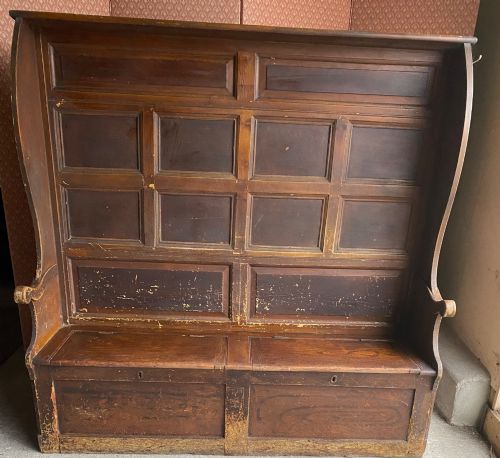
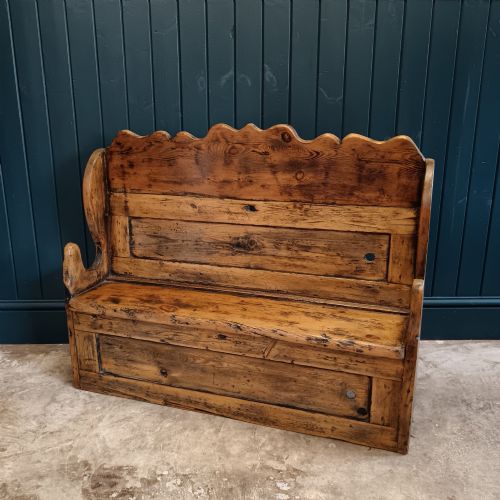
High wooden seating brings together oak, elm, and pine settles, benches, and chairs designed to lift the sitter above the draughts of earlier rooms.
High Wooden Seating
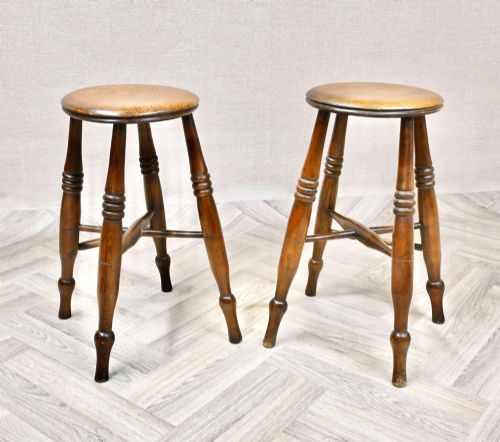
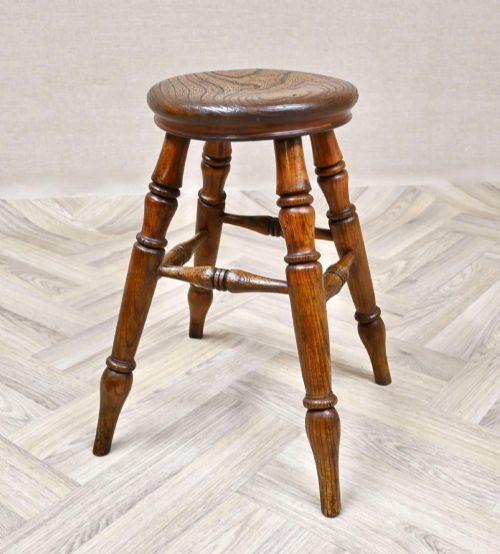
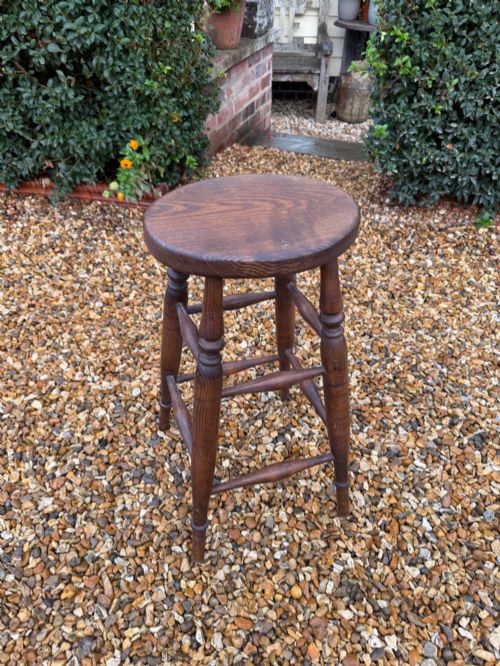
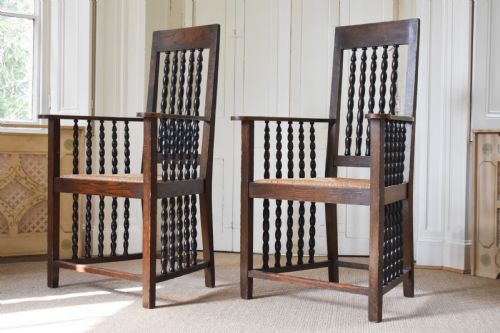
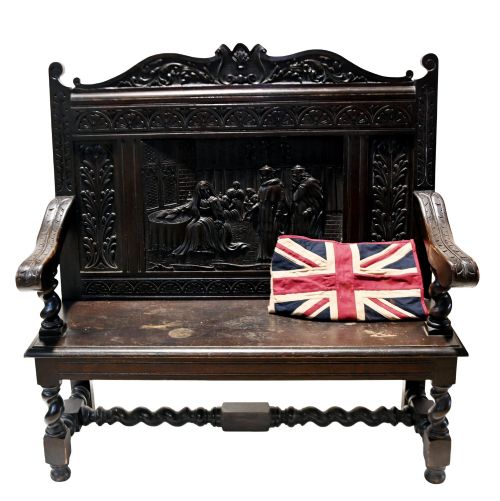
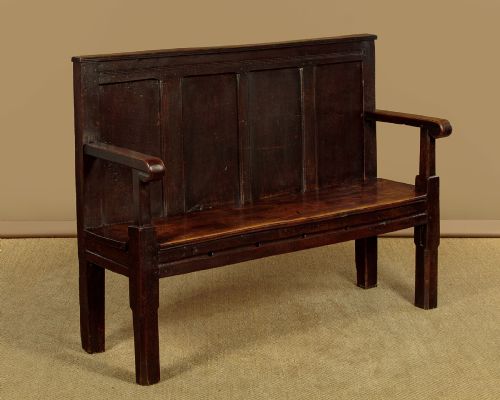
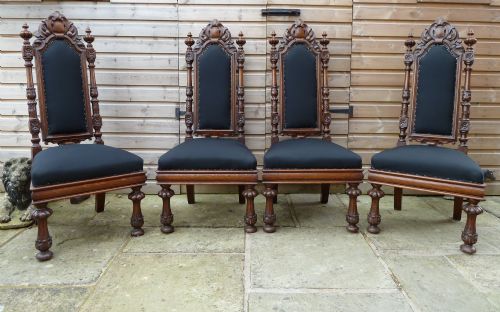
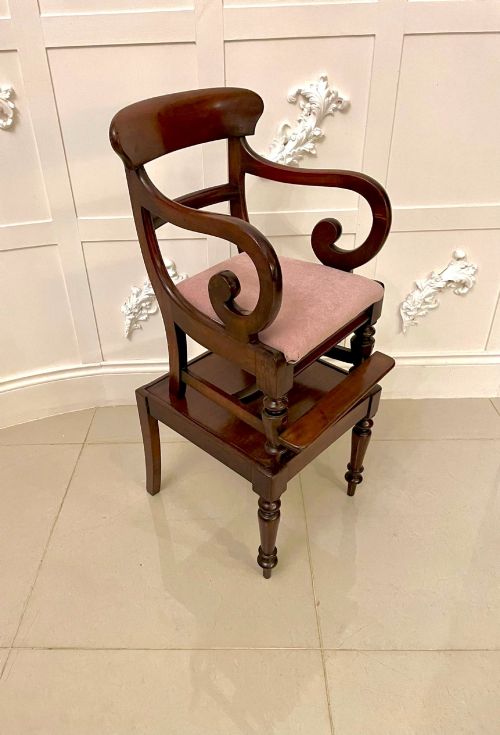
High wooden seating encompasses tall-backed chairs, settles, benches, and stools spanning the eighteenth and nineteenth centuries. These pieces originate from diverse settings, including country farmhouses, churches, taverns, and formal reception halls.
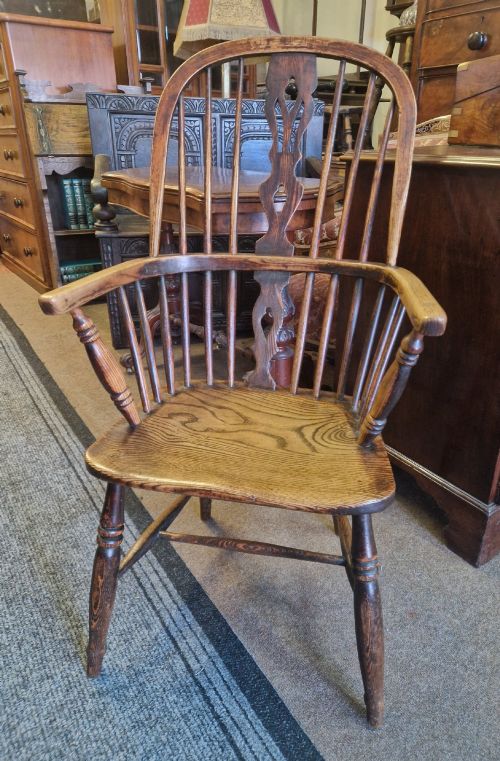
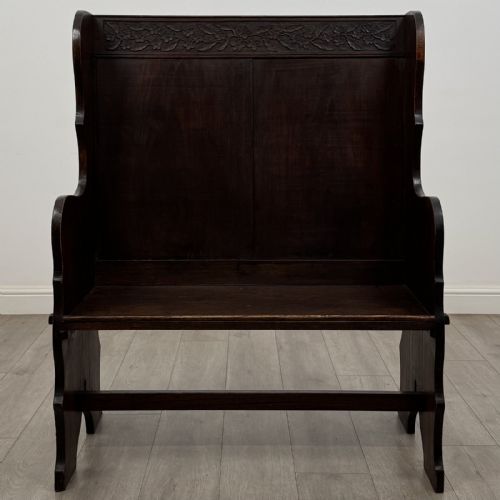
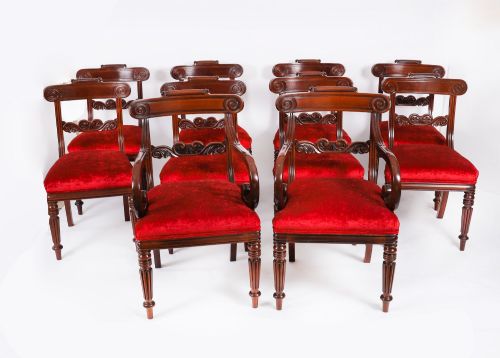
Settles and high-back Windsor chairs dominate the selection, offering enclosed seating designed to block cold air. Dining chairs, bar stools, and hall benches provide alternative formats built for upright posture in communal or domestic spaces.
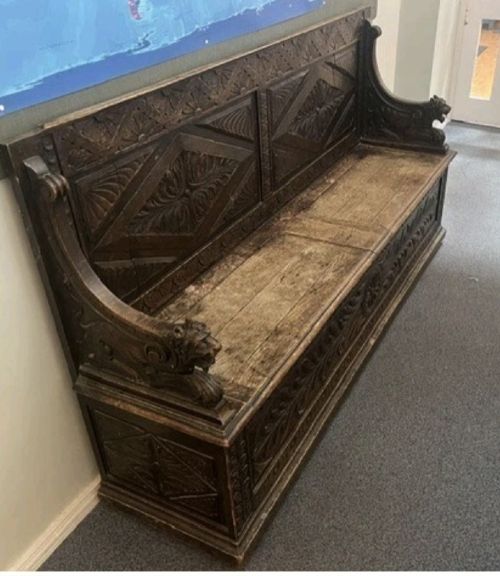
Examples range from utilitarian pine and ash tavern furnishings to heavily carved oak and walnut revival pieces. English country workshops and regional makers shape the majority of the domestic forms seen across the periods.
Materials and Construction
Carpenters relied on native hardwoods such as oak, elm, ash, and walnut, frequently pairing firmer timbers for frames with softer pine or sycamore for secondary panels. Windsor chairs utilise mixed-wood construction, combining bent ash hoops with sculpted elm seats and spindle turnings.
Joinery methods rely on traditional pegged mortise and tenon joints to secure heavy settles and benches against daily stress. Panel construction allows large wooden surfaces to expand and contract naturally with seasonal humidity changes.
High Wooden Seating Retail Price Guide 2026
Typical asking prices for high wooden seating among the pieces listed under this phrase on Sellingantiques today, from the lower quarter to the upper quarter. They describe what is for sale here now, not the wider market.
Materials span eight classifications, with oak and elm appearing most frequently alongside walnut, pine, and yew.
Evaluating Construction and Material Integrity
Quality rests upon the selection of timber and the integrity of the original structure rather than surface ornamentation alone. Dense grain patterns in older oak and the careful steam-bending of yew or ash determine the structural resilience of chairs and settles.
The degree of hand-carving and the retention of original surface patination distinguish standard utility pieces from exhibition items. Minimal replacement of timber and tight joinery separate well-preserved antiques from heavily restored examples.
James Shoolbred and Co·Liberty Morris and Co·Andrea Brustolon
The High Wooden Seating Glossary
- Settle
- A wooden bench featuring a high solid back, enclosed arms, and frequently a box compartment beneath the seat. This form protected sitters from floor drafts in unheated rooms.
- Windsor chair
- A seating type constructed with a solid wooden seat into which the legs, back spindles, and bow are separately bored and wedged. Regional variations include comb-back and high-back formats.
- Box settle
- A heavy oak or pine bench incorporating a lidded storage chest under the seat. The enclosed base doubled as a blanket box or dry storage.
- Comb-back
- A Windsor chair variation where the top rail resembles a comb, holding a series of vertical spindles that rise above a lower horizontal arm rail.
- Patina
- The surface sheen and colour developed on wood over decades of handling, polishing, and exposure to light. Original patination indicates minimal chemical stripping.
High Wooden Seating: Frequently Asked Questions
What is a settle bench?
A settle is a wooden bench with a high solid back designed to block draughts in older rooms. Many include enclosed sides and a box base for storage.
Historically placed near hearths, they provided warm, sheltered seating for multiple people before upholstered sofas became common in domestic interiors.
How do I identify a Windsor chair?
Windsor chairs feature distinct construction where legs and back spindles fit directly into a thick wooden seat rather than a frame. They often use bentwood bows for the back.
Country makers frequently combined woods, using elm for carved seats and ash or yew for flexible spindles and bent parts.
Where were high wooden benches used?
High benches served communal spaces such as churches, taverns, and pub taprooms, as well as domestic halls and farmhouses. Their tall backs created private, sheltered seating areas.
In hallways, they provided a place to sit while removing boots, while tavern versions offered durable seating for patrons.
How should I care for antique wooden seating?
Keep wooden furniture away from direct heat sources and drastic humidity shifts to prevent timber from splitting or joints from loosening. Maintain the surface using traditional wax polish rather than modern silicone sprays.
Regular dusting with a dry cloth protects the finish and preserves the natural surface patina built up over generations.