
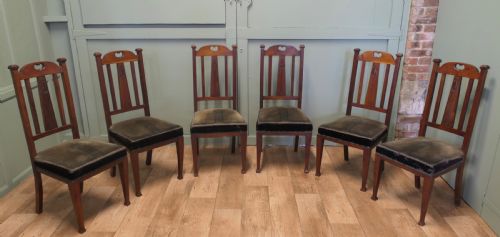
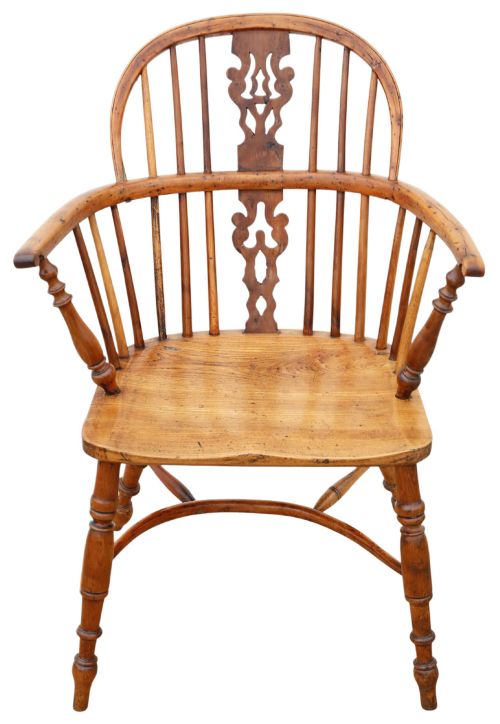
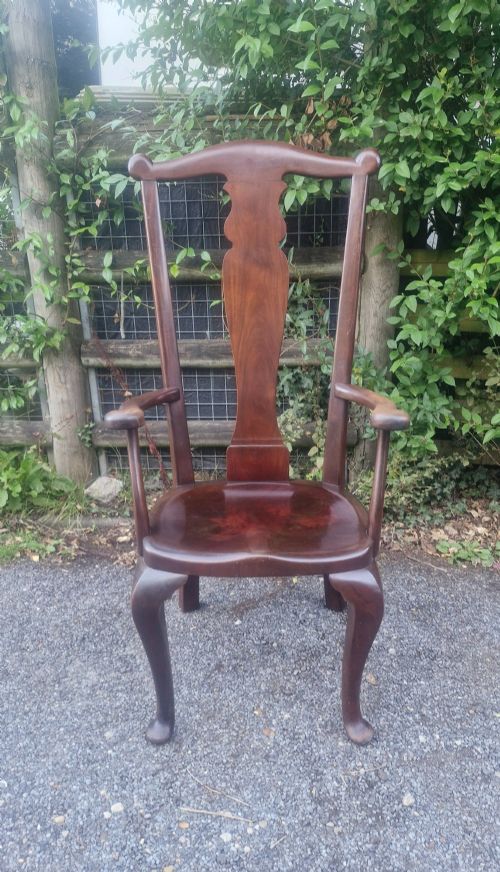

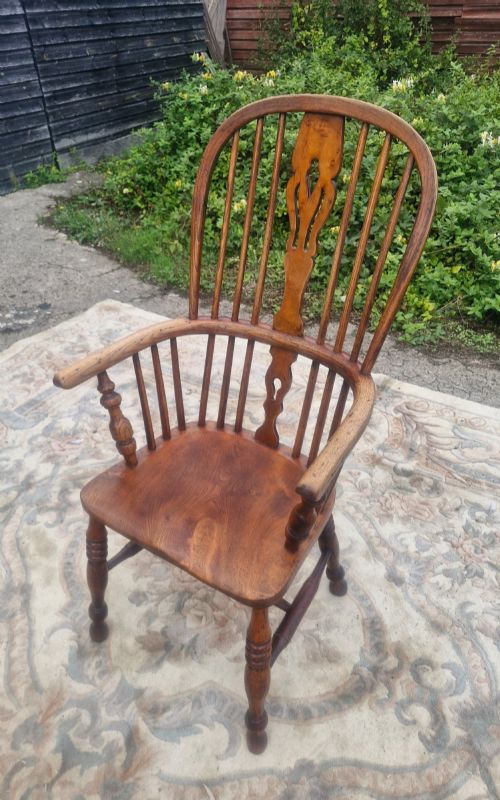


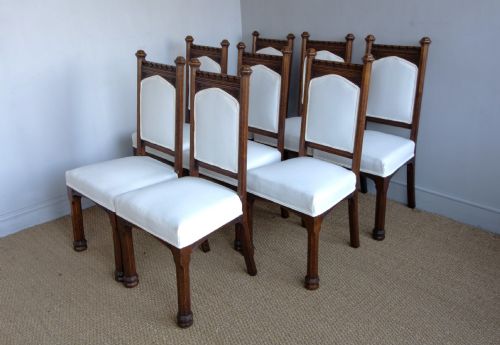
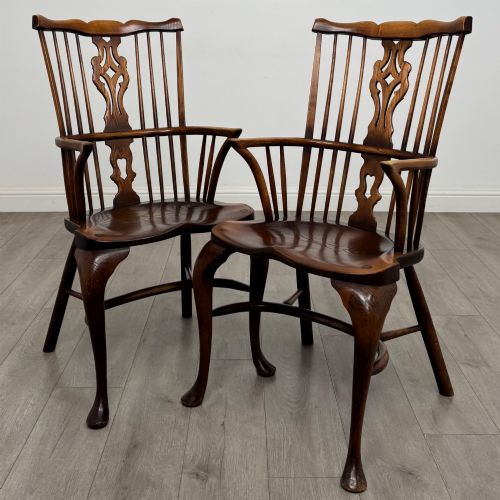
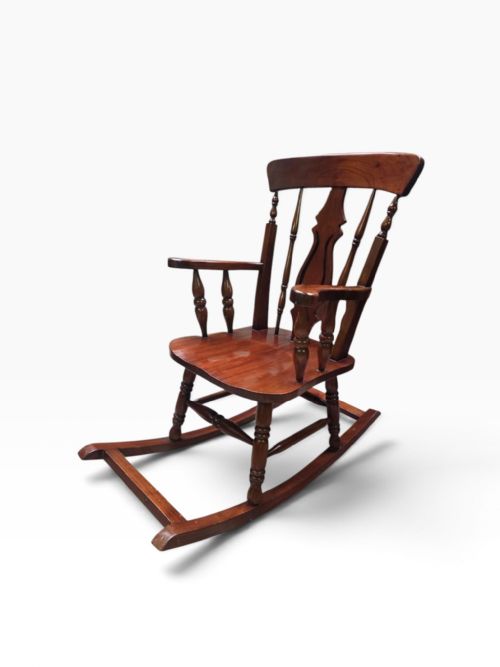
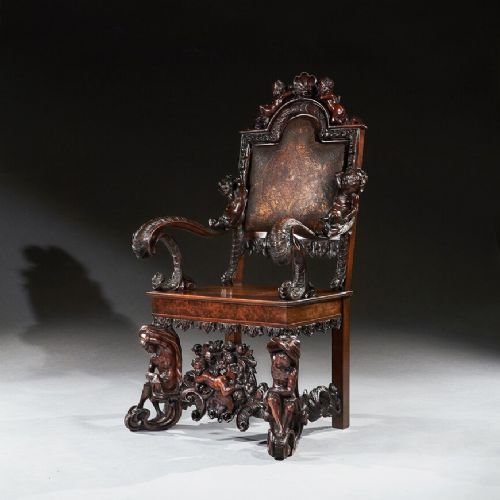
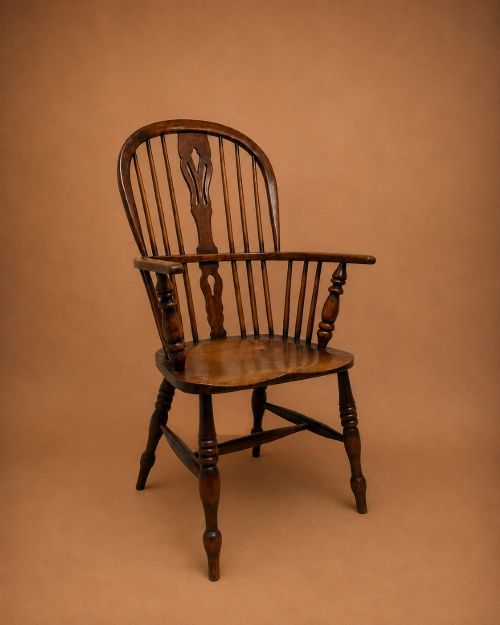
High Back Wooden Chair
Every high back wooden chair carries the weight of centuries past, offering substantial seating built to anchor a room.
High Back Wooden Chair
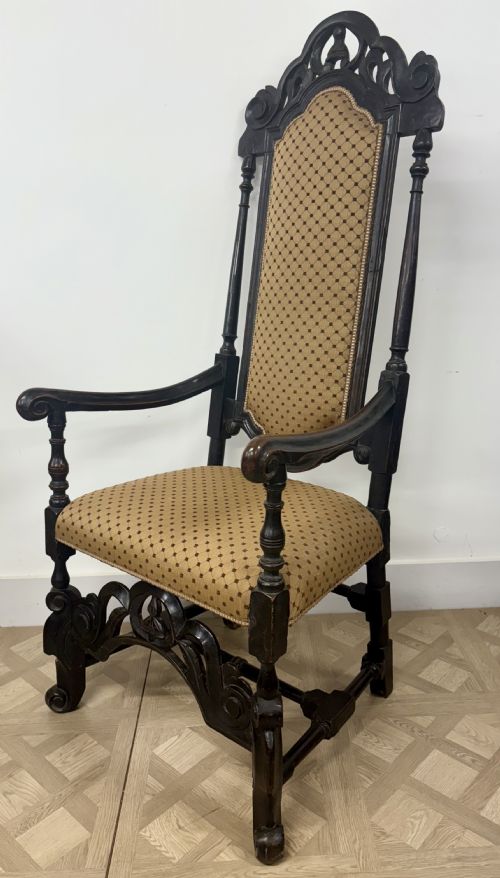
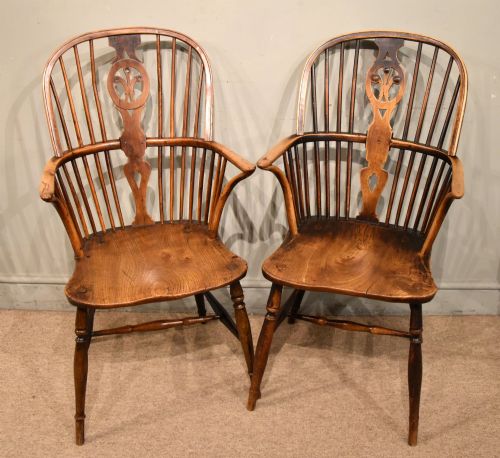
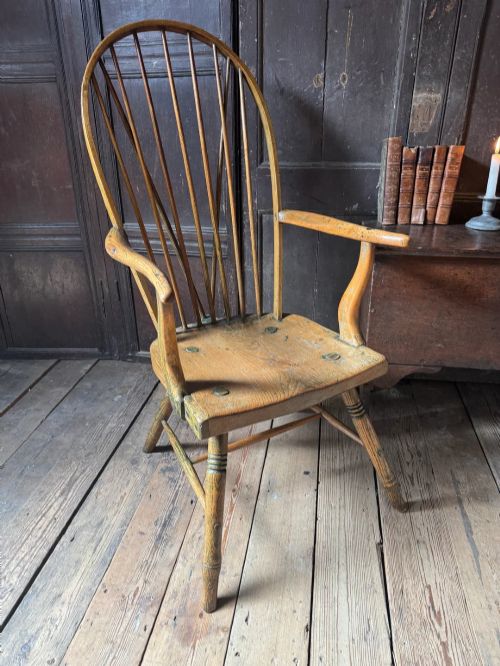
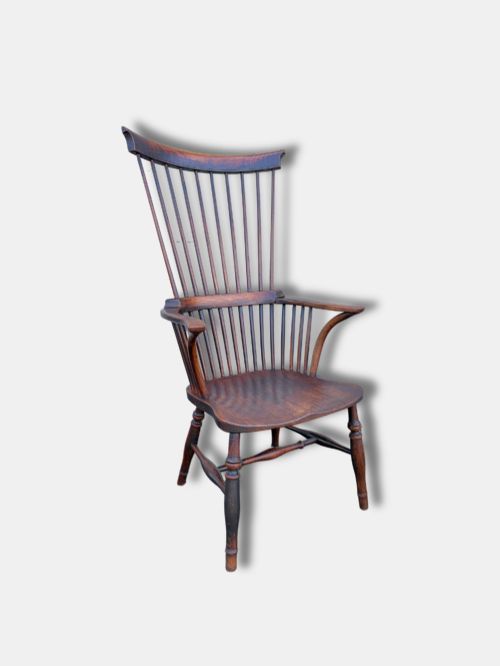
A high back wooden chair combines practical country utility with commanding height, providing upright support that suits traditional interiors. These seating forms range from robust kitchen armchairs to refined dining sets and grand Windsor styles.
The selections span eras from the 17th century through the Victorian period and into the early 20th century, drawing on English country, Georgian, and Arts and Crafts traditions. Buyers most frequently encounter elm and ash Windsor designs or oak dining chairs from these varied periods.
How they were made
Joinery relies on traditional timber framing, using native hardwoods like elm, ash, and oak shaped into sturdy spindles, hoops, and comb backs. Turnery and steam-bending techniques allow makers to curve thick timbers for ergonomic backrests and supportive arm bow assemblies.
Many examples combine contrasting woods, such as yew and elm, to highlight grain patterns while maintaining structural strength. Surface finishes generally remain simple or polish naturally through decades of daily use.
High Back Wooden Chair Retail Price Guide 2026
Typical asking prices for high back wooden chair among the pieces listed under this phrase on Sellingantiques today, from the lower quarter to the upper quarter. They describe what is for sale here now, not the wider market.
Some tall-backed kitchen settles double as draught-excluders, keeping toes warm while a stray dog snoozes on the built-in storage box below.
What varies in quality
Construction integrity distinguishes a superior high back wooden chair, particularly in the tightness of pegged joints and the soundness of the spindle housings. Master craftsmen selected timbers with optimal grain direction to prevent splitting under stress.
Refinement of carving and proportion separates standard utility seating from exhibition pieces, where back splats display deliberate shaping and turnings show precise symmetry.
Liberty Morris And Co·James Shoolbred And Co·Andrea Brustolon
The High Back Wooden Chair Glossary
- Comb back
- A Windsor chair design where the spindles of the main back extend up through a horizontal crest rail, resembling the teeth of a comb.
- Windsor
- A traditional chair construction method where legs and back spindles are wedged directly into a solid carved wooden seat.
- Hoop back
- A continuous curved wooden bow forming the upper back and arms of a seating piece.
- Settle
- A high-backed wooden bench with solid sides and often a storage box beneath the seat, designed to block drafts.
- Carver
- An armchair, usually designed to match a set of smaller dining chairs and placed at the table ends.
High Back Wooden Chair: Frequently Asked Questions
How do I date a Windsor chair?
Dating relies on examining the construction of the seat, the turning style of the legs, and the species of wood used. Earlier pieces often feature distinct saddle-shaped seats and ash or elm components shaped by hand.
Subsequent iterations introduce machine-turned spindles and standardised parts. Comparing the joinery methods to known regional patterns helps narrow down the decade.
Are these chairs comfortable for daily use?
Many of these seating options were designed for utilitarian kitchen or farmhouse environments, offering sturdy upright support. Ergonomic considerations varied by maker and period, with some Windsor designs providing contoured wooden seats.
Adding a loose cushion can increase comfort for prolonged sitting. Their solid wooden construction ensures they remain stable during everyday use.
What is the difference between an armchair and a carver?
A carver typically refers to an armchair styled specifically to match a set of dining chairs, placed at the head of a table. General armchairs often served auxiliary roles in kitchens, parlours, or fireside settings.
Both types share structural similarities in high backs and wooden arms. The distinction usually lies in the intended placement within a room.
How should I care for antique wood furniture?
Maintain antique timber by keeping pieces away from direct heat sources and sudden humidity changes. Regular dusting with a soft cloth prevents particle buildup on carved surfaces.
Applying occasional natural wax helps nourish dry wood and preserves the surface sheen. Avoid using modern silicone polishes that can degrade historic finishes.