
High Back Mahogany Chair
A high back mahogany chair brings architectural presence and dense timber grain into a room, offering upright support rooted in centuries of cabinetmaking.
High Back Mahogany Chair
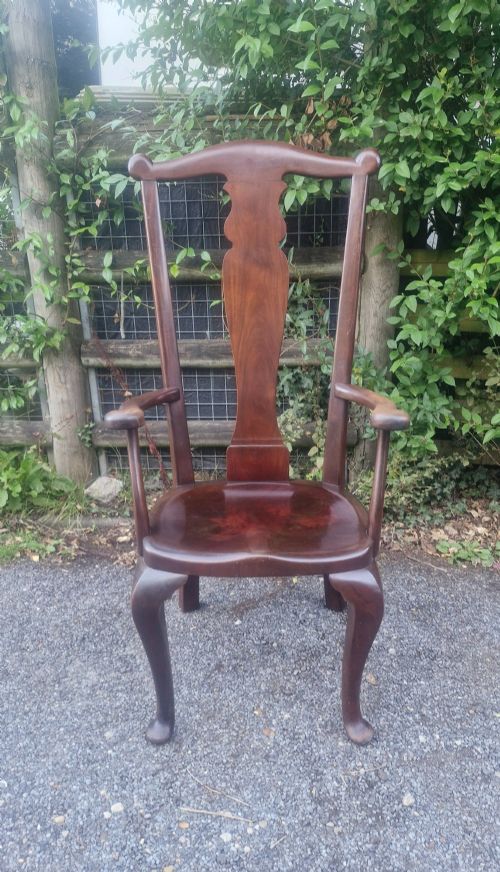
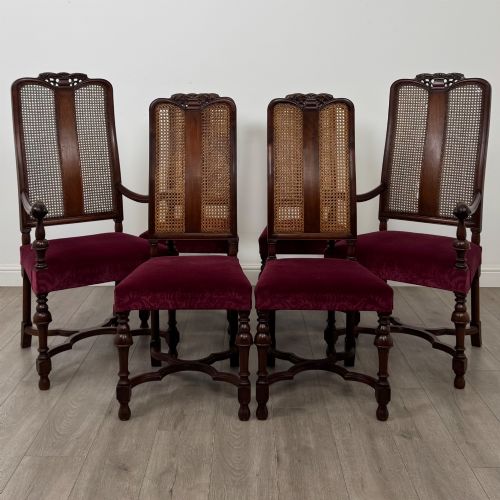
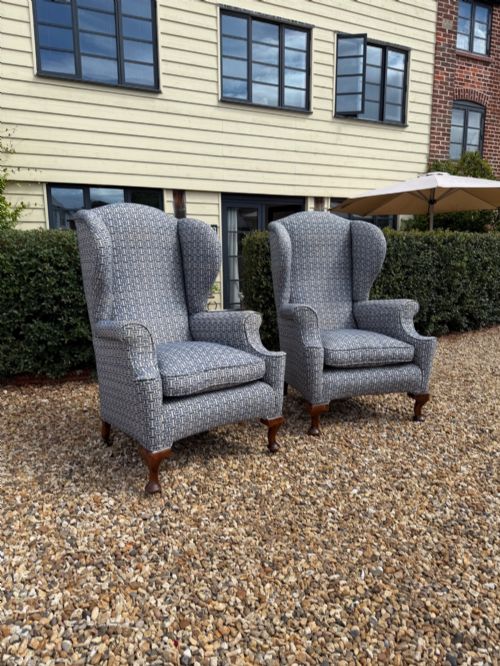
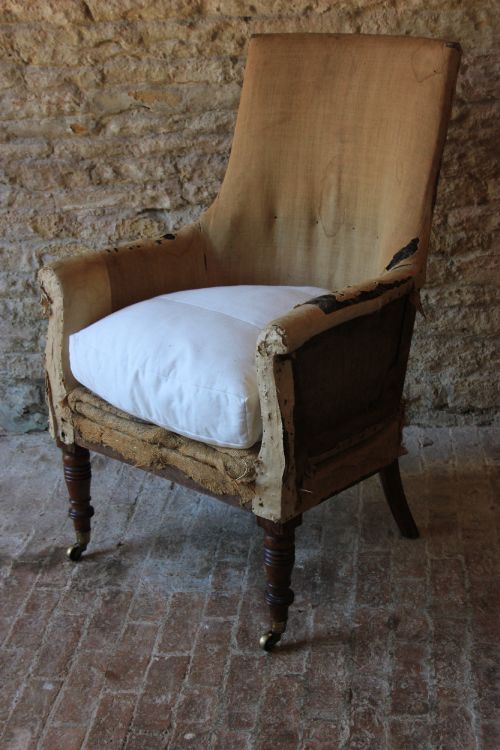
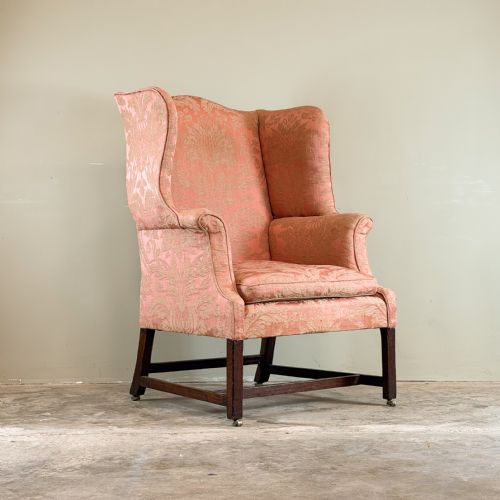
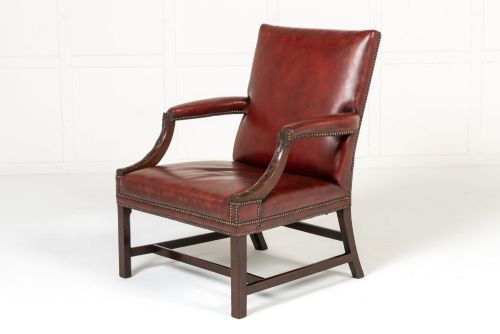
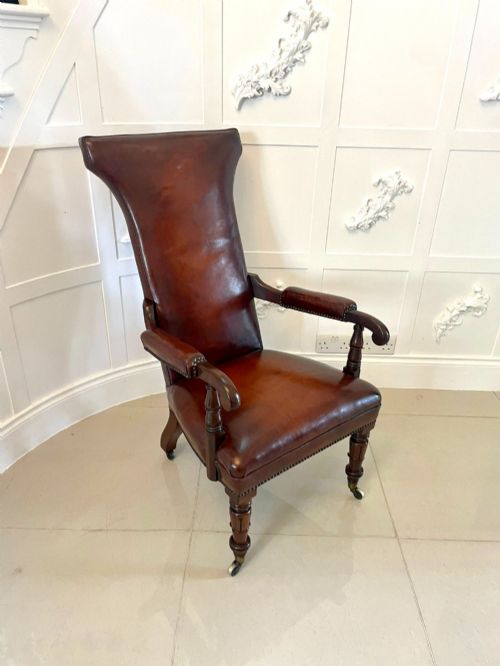
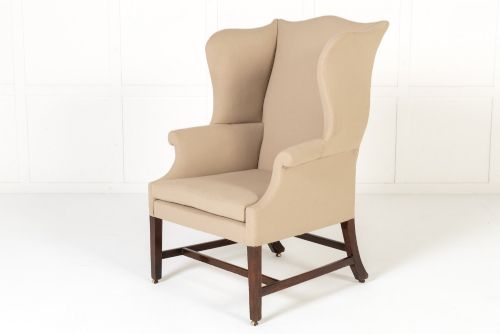
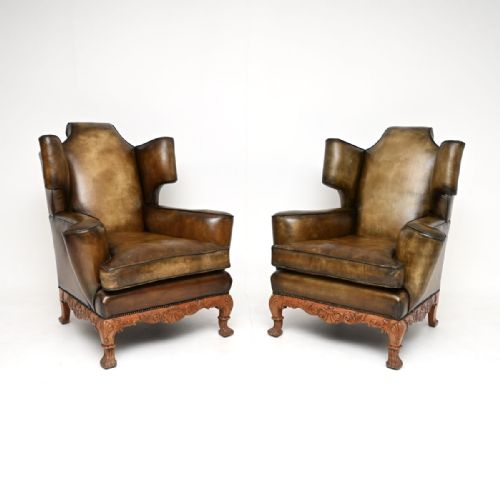
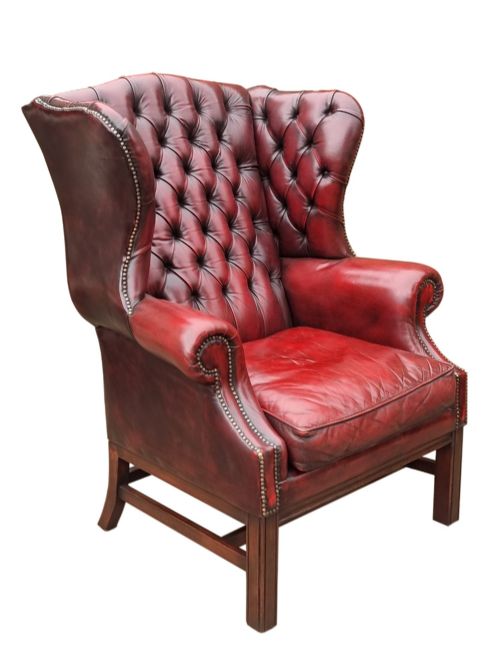
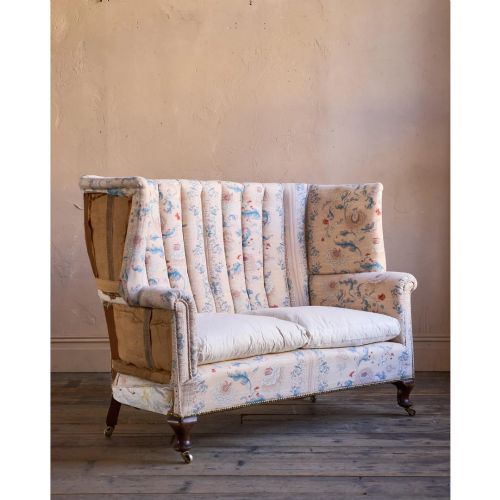
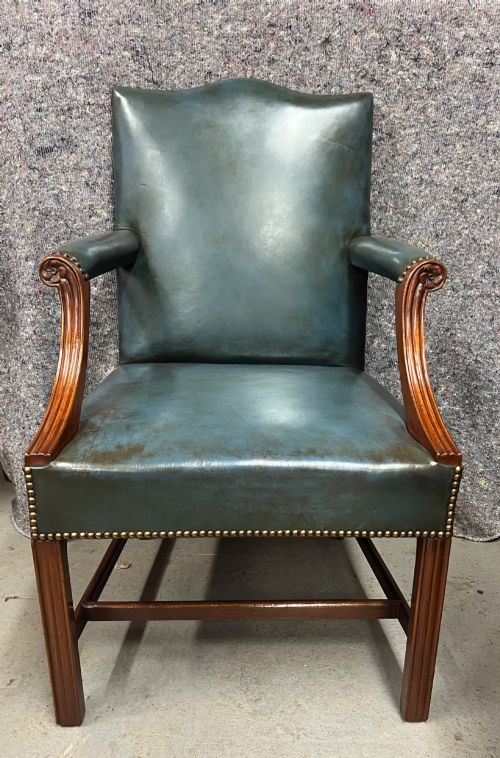
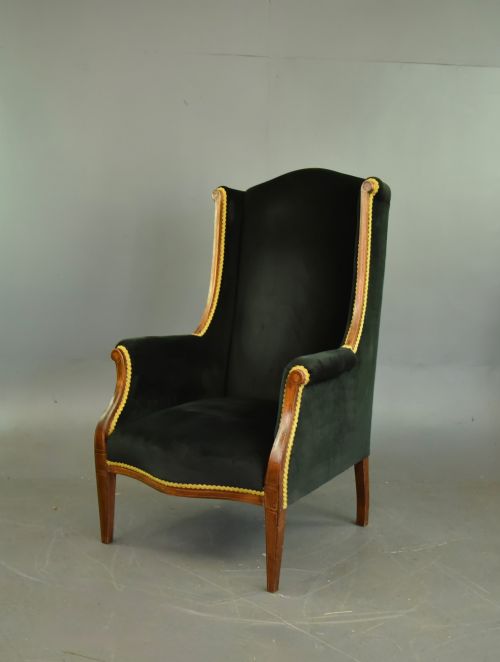
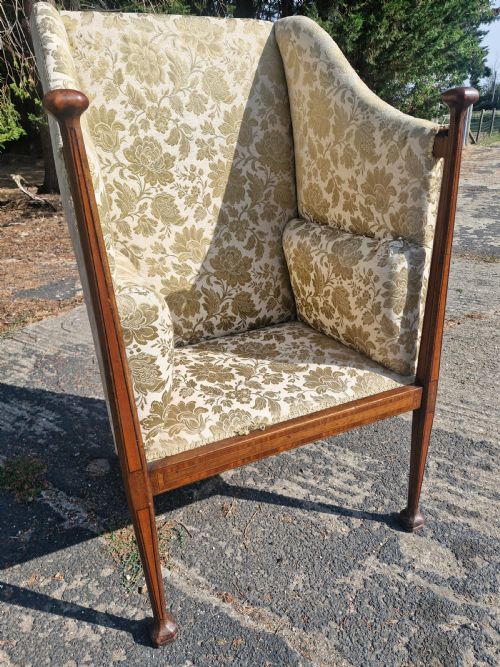
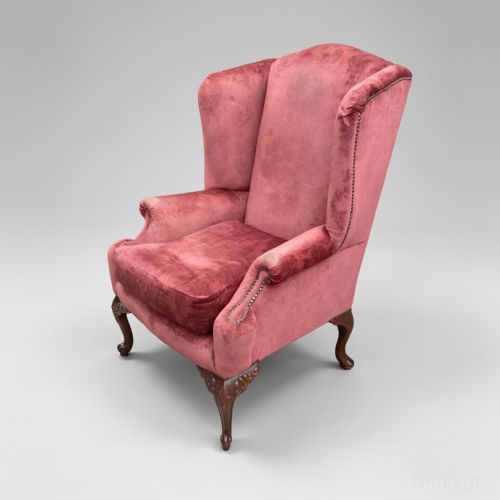
A high back mahogany chair encompasses robust seating forms designed across the eighteenth, nineteenth, and early twentieth centuries, spanning formal dining sets, library armchairs, and salon seating. The most frequent examples met on this page are dining chairs and wingback armchairs from the Georgian, Victorian, and Edwardian periods.
Makers shaped these pieces from dense tropical timber to serve varied domestic functions, ranging from office desks to drawing rooms. The silhouette relies on an elevated backrest that provides substantial support while showcasing the rich grain of the wood.
Materials and construction
Carpenters built the frames using solid mahogany, often combined with secondary hardwoods for internal structure, joined through traditional mortise and tenon techniques. Upholstery foundations incorporated webbing, horsehair, and springs beneath top layers of leather, velvet, calico, or textile.
Detailing on the timber frames relied on hand-carving, inlay, or turned components like twist legs and fluted supports. Brass castors and studs frequently finished the heavier library and wingback armchairs.
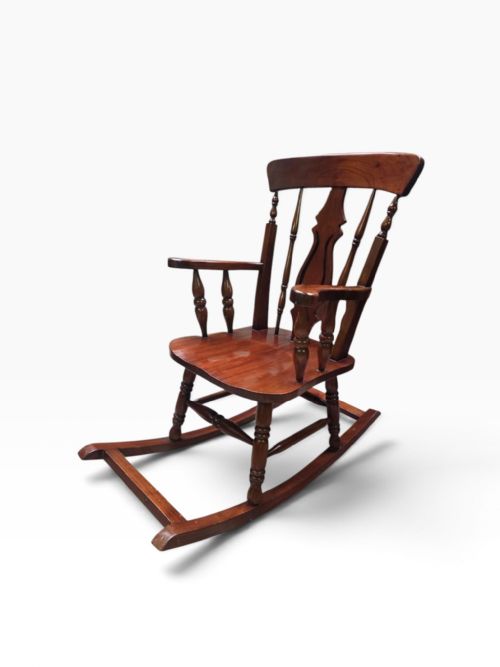
The inventory records high back chair forms functioning as dining seats, library armchairs, rocking chairs, desk chairs, and salon seating.
Distinctions in standard
Quality rests in the crispness of the timber carving, the gauge of the mahogany used for the frame, and the integrity of the underlying joinery. Substantial frames with retained original structural timbers command greater respect than those with heavily replaced components.
The sophistication of the upholstery execution, the choice of covering material such as high-grade leather or woven textile, and the proportion of the high back relative to the seat depth further separate standard examples from finer commissions.
James Shoolbred & Co·Howard And Sons·Whytock & Reid
The High Back Mahogany Chair Glossary
- Wingback
- An armchair featuring protective side panels attached to the high back to deflect draughts. These panels create a cocooned seating area.
- Bergère
- An enclosed upholstered armchair with a wooden frame where the sides are often filled with cane or upholstery. It provides a lighter appearance while maintaining a supportive high back.
- Settle
- A wooden wooden bench featuring a high solid back designed to block cold air. Some examples incorporate enclosed storage beneath the seat.
High Back Mahogany Chair: Frequently Asked Questions
How do I identify a Georgian high back mahogany chair?
Look for timber density, hand-cut joinery, and specific stylistic cues such as cabriole legs or claw-and-ball feet. Georgian pieces often display deeper patination and simpler, structural joinery compared to later revival pieces.
Examine the underside and frame construction for signs of age, such as hand-sawn boards and pegged joints, which help distinguish eighteenth-century work from later nineteenth-century interpretations.
Were these chairs used for dining or working?
High back mahogany chairs served both domestic dining rooms and workspaces, depending on whether they were open side chairs or enclosed armchairs. Dining sets provided upright posture for formal meals.
Heavier armchair variants with padded arms and swivel or desk configurations were built for libraries and studies where long periods of sitting required substantial back support.
How should I care for mahogany and leather upholstery?
Feed the mahogany timber occasionally with appropriate wax to maintain the moisture of the wood and protect the surface finish from drying out. Avoid placing the furniture in direct sunlight or near heat sources.
Treat leather upholstery with specialised conditioners to keep the hide supple. Vacuum textile and fabric coverings gently using a soft brush attachment.
What is the difference between Georgian and Edwardian versions?
Georgian high back chairs date from the eighteenth century or follow those exact proportions, utilising solid construction and period-appropriate carving motifs. Edwardian pieces, made around 1900, often revive earlier styles like Queen Anne or Chippendale while employing slightly lighter framing techniques.
Edwardian workshops frequently incorporated machine assistance alongside hand-finishing, and their revival pieces often bear lighter inlay work and brighter modern adhesives.