


Victorian Needlepoint Armchair
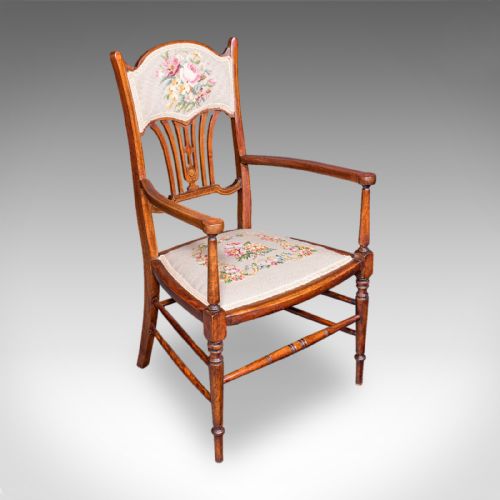
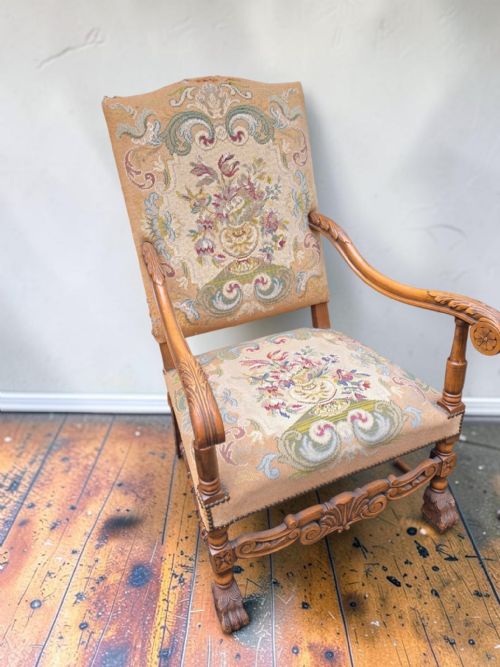
A victorian needlepoint armchair brings together solid timber frames and hand-worked wool textiles, offering deep seats built for nineteenth-century sitting rooms.
Victorian Needlepoint Armchair
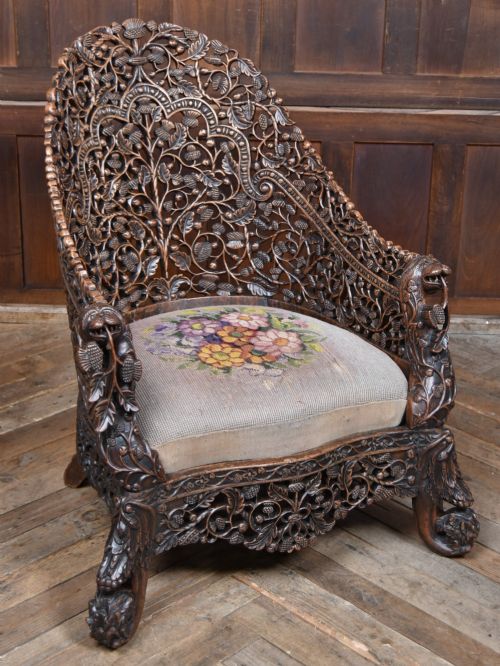
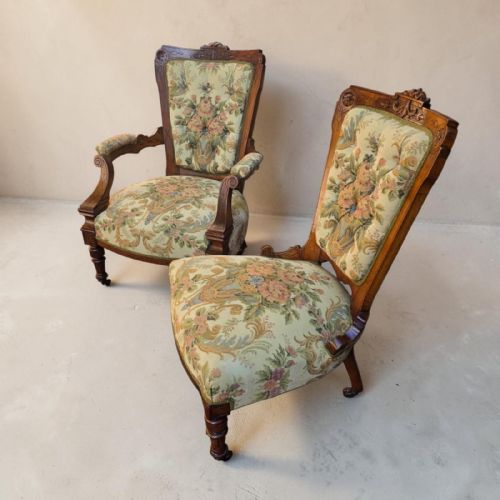
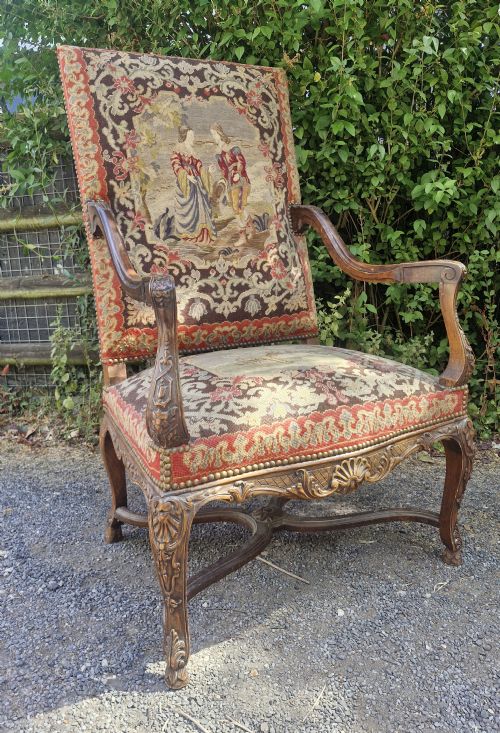
A victorian needlepoint armchair centres on a timber structure upholstered with wool or tapestry needlework. You will frequently encounter walnut frames alongside mahogany and rosewood variants across this selection.
The forms span from low nursing chairs and spoonback salon seats to larger fireside armchairs with open arms. These pieces originate primarily from the nineteenth century, including specific dates across the 1850s to 1900.
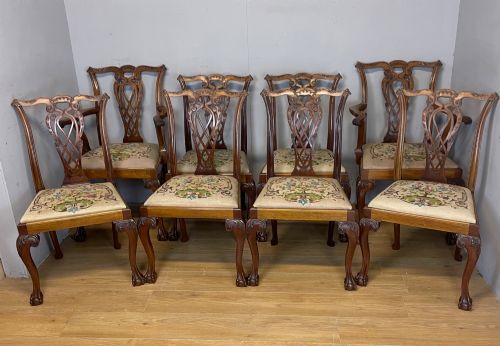
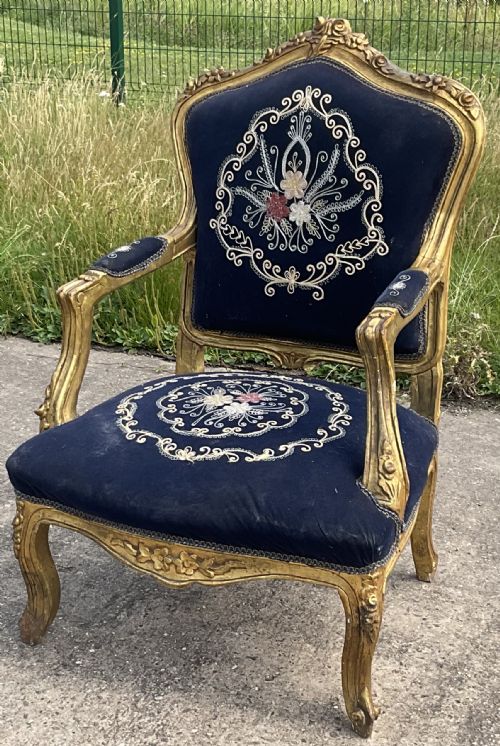
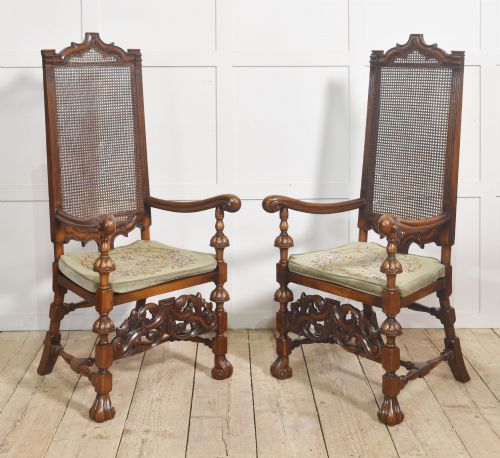
Revival styles heavily influence the woodwork, showing Louis XV, Rococo, and Gothic details alongside simpler English Country House designs. Needlepoint and tapestry covers define the upholstery work on these seating forms.
Judging the work
Quality rests in the crispness of the timber carving and the density of the wood used for the frame. Walnut and mahogany examples with detailed carving represent finer production standards.
The fineness of the needlepoint stitches and the complexity of the tapestry design dictate the standard of the textile work. Tighter, more detailed wool needlework indicates superior execution by the maker.
Revival styles represented in the selection include Louis XV, Gothic, Chippendale, and Carolean designs.
Warings·Holland and Sons·Gillows
The Victorian Needlepoint Armchair Glossary
- Needlepoint
- A form of counted thread embroidery worked on a canvas mesh. It provides the durable wool surface seen on nineteenth-century upholstery.
- Spoonback
- An upholstered chair back shaped like the bowl of a spoon. This curved design supports the spine and appears frequently on walnut salon chairs.
- Nursing chair
- A low-seated chair designed for feeding infants or sewing comfortably near the hearth. These pieces typically lack arms to accommodate wide garments.
- Tapestry
- A heavy textile woven or worked with pictorial designs. It serves as a robust covering for nineteenth-century armchair seats and backs.
- Giltwood
- Timber treated with a thin layer of gold leaf. This finish adorns decorative frames from the period.
Victorian Needlepoint Armchair: Frequently Asked Questions
How do I clean needlepoint upholstery?
Vacuum the wool surface gently using a low suction setting with a soft brush attachment to remove surface dust.
Avoid applying water or liquid cleaners directly to the tapestry, as moisture can damage the underlying stuffing and weaken old threads.
Were these chairs used in bedrooms?
Lower chair forms such as nursing chairs and bedroom chairs were placed in private chambers for dressing and personal use.
Their compact scale and low seats suited domestic spaces away from the main formal reception rooms.
How can I tell a walnut frame from mahogany?
Walnut displays a warmer brown tone with varied grain patterns and occasional lighter figuring.
Mahogany typically presents a deeper reddish-brown colour with a straighter, denser grain structure.
What is the difference between a salon chair and an armchair?
Salon chairs are lighter decorative seats meant for entertaining guests in a formal drawing room.
Armchairs are larger, sturdier seats constructed with full armrests for extended daily sitting.