



High Back French Armchair
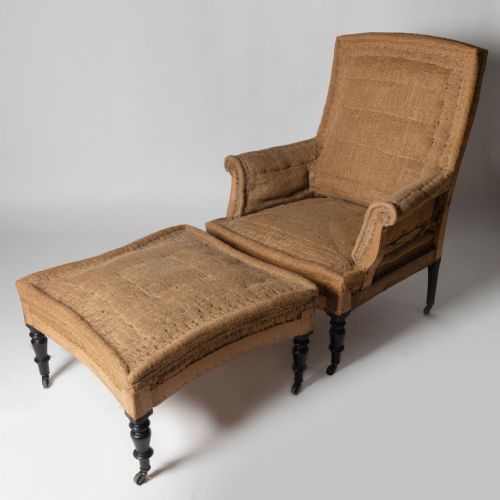
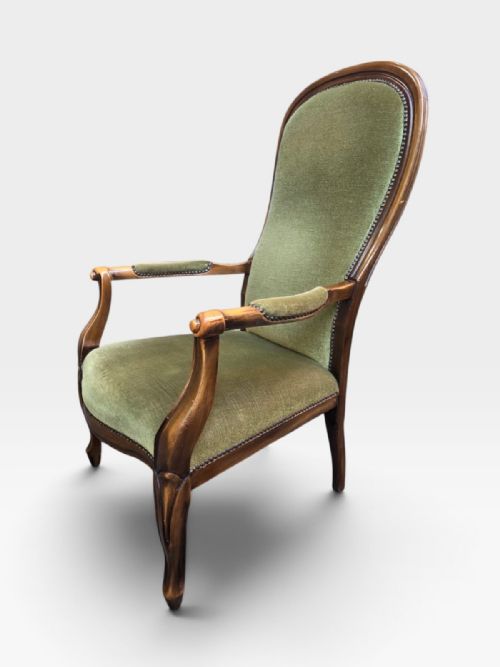
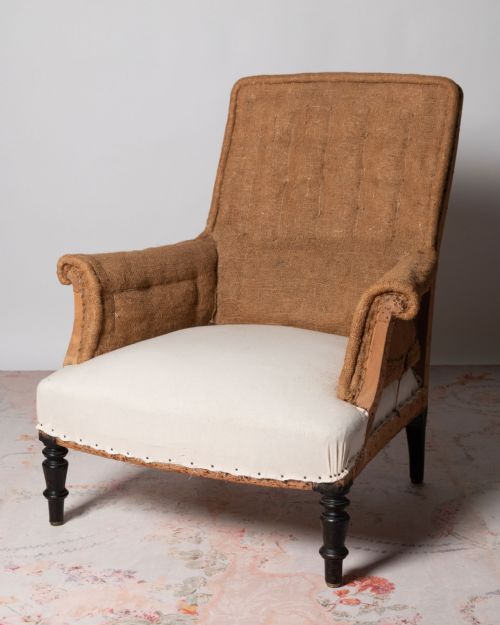
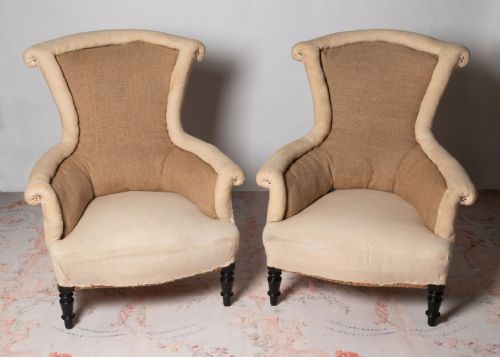
A high back french armchair brings commanding height and continental presence to a room, offering deep seats framed in rich walnut, giltwood, and carved timber.
High Back French Armchair
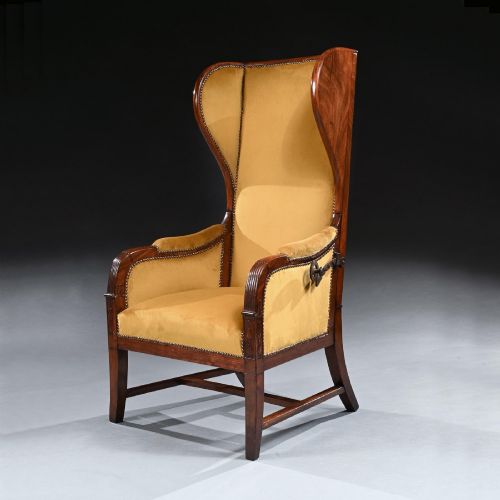
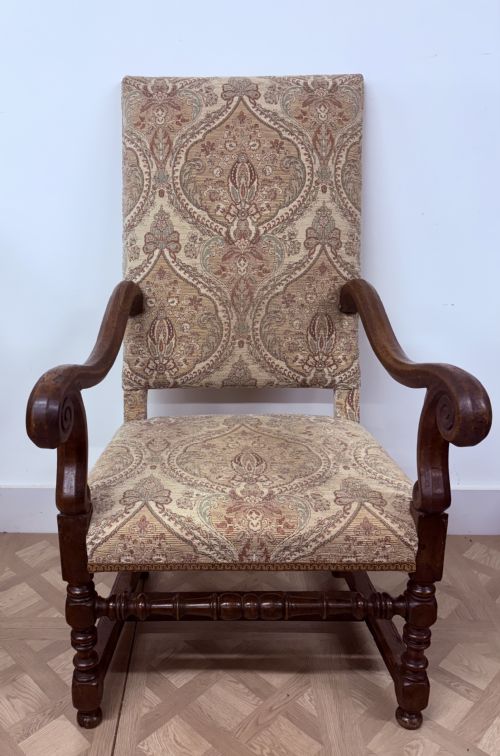
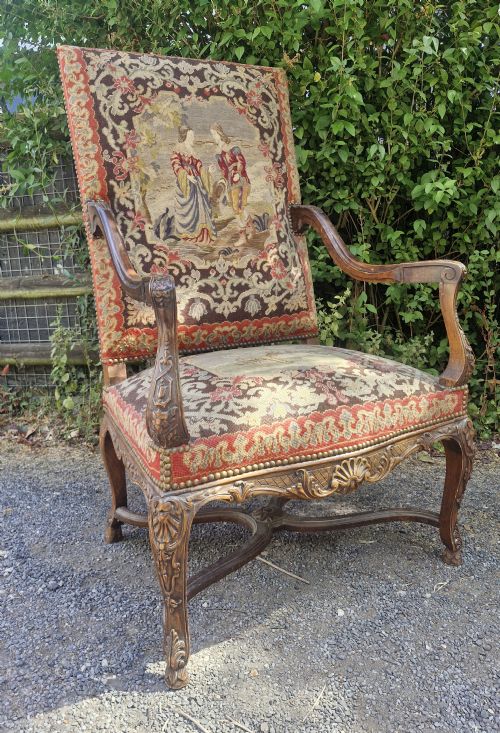
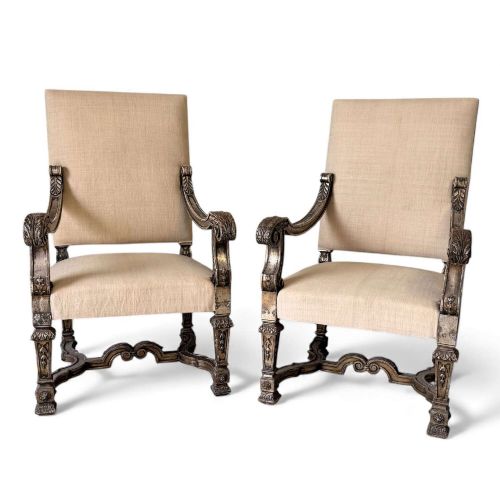
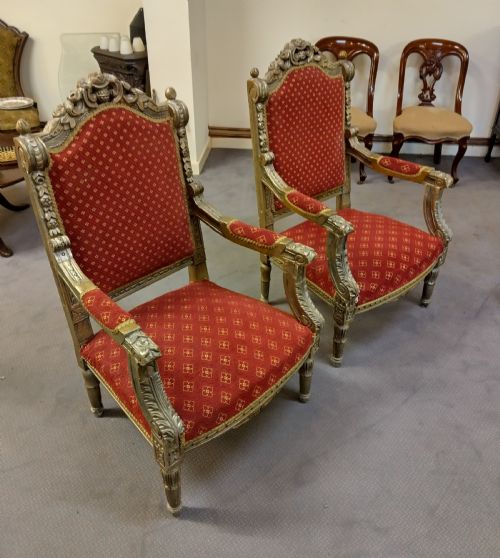
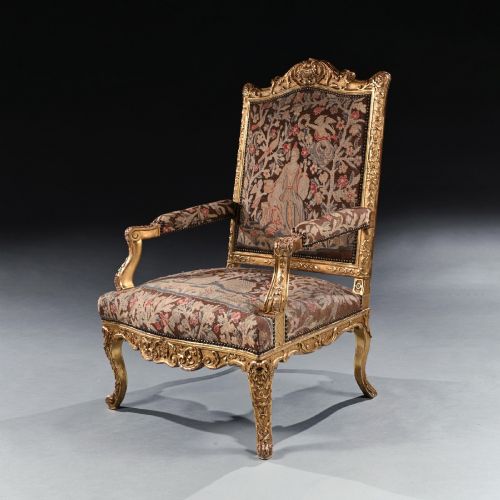
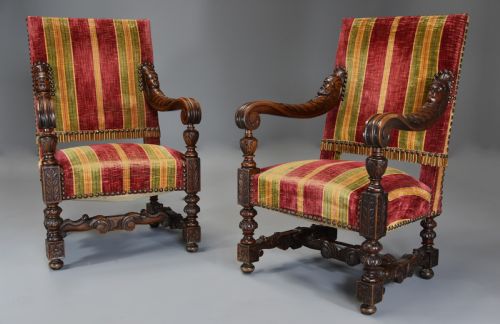
A high back french armchair represents a tradition of seating shaped by centuries of continental design, spanning periods from the late seventeenth century through the Victorian era and into the early twentieth century. These pieces appear in forms such as Baroque revival throne armchairs, Régence giltwood fauteuils, and walnut wing backs upholstered in needlework, tapestry, silk, or leather.
The selection on this page leans heavily toward nineteenth-century walnut and giltwood examples, alongside pieces bearing influences from Louis XIII, Louis XV, and Napoleon III styles. Buyers encounter everything from carved caquetoire chairs to large salon armchairs and reclining wing backs designed for substantial rooms.
How they were made
The frames of these armchairs rely upon solid timbers such as walnut and mahogany, carved by hand with motifs ranging from restrained linear details to elaborate Baroque scrollwork and gilt finishes. Giltwood examples employ thin layers of gold applied over prepared gesso surfaces on timber frames, creating a luminous decorative effect.
Upholstery techniques utilise traditional foundations involving hessian webbing, textile covers, and stuffed padding secured within high backs and open arms. Needlework, silk panels, tapestries, and leather are fixed to the frames with brass detailing, supporting both comfort and formal appearance.
High Back French Armchair Retail Price Guide 2026
Typical asking prices for high back french armchair among the pieces listed under this phrase on Sellingantiques today, from the lower quarter to the upper quarter. They describe what is for sale here now, not the wider market.
Early sixteenth-century gossips used narrow caquetoire seats so they could sit close and chat comfortably without tangling their giant party skirts.
What varies in quality
The distinction between ordinary and exceptional armchairs rests upon the depth and crispness of the carving on the wooden frame. Superior examples display fluid, hand-carved details in the walnut or giltwood that retain sharp edges and harmonious proportions, whereas lesser pieces show softer, shallower execution.
Quality also manifests in the structural integrity of the timber joinery and the authenticity of the upholstery materials. Pieces retaining period textiles, original gilt surfaces, and robust walnut frames without excessive structural replacement stand apart from heavily altered examples.
Louis Majorelle
The High Back French Armchair Glossary
- Fauteuil
- An open-framed upholstered armchair originating in France, featuring exposed wooden arms and a padded back. These chairs are characteristic of formal salon seating from various historic periods.
- Caquetoire
- A light, high-backed armchair dating from the sixteenth and seventeenth centuries, featuring a narrow triangular seat designed to accommodate voluminous contemporary garments. Examples are constructed from carved walnut.
- Giltwood
- Timber coated with a thin layer of gold leaf or powder over a gesso base. This finish provides a bright, reflective surface popular in Baroque and revival reception rooms.
- Os de mouton
- A style of carved furniture leg resembling sheep bone, popular in late seventeenth-century seating. This distinctive curved form appears on walnut armchairs of the period.
- Wing back
- An armchair with extensions or wings attached to the back frame designed to shield the sitter from draughts. These upholstered forms appear in mahogany and walnut variations.
High Back French Armchair: Frequently Asked Questions
How do I distinguish a seventeenth-century caquetoire from a nineteenth-century revival piece?
Seventeenth-century examples display the tool marks, timber shrinkage, and structural wear consistent with early construction methods and four centuries of handling. Revival pieces from the nineteenth century often feature machine assistance, cleaner internal joints, and timber that lacks genuine age.
Examining the underside and joints provides clear evidence of period-specific fastening techniques and natural patina development over time.
Where should I place a high back armchair in a modern interior?
These tall chairs command visual attention, making them well-suited as focal points in large living rooms, studies, or spacious hallways. Their elevated backs create vertical balance against plain walls or beside large architectural windows.
Allowing space around the open arms and carved timber frames ensures the decorative details remain visible from multiple angles.
What is the difference between a fauteuil and a standard salon armchair?
A fauteuil specifically denotes a French open-armed chair with upholstered back and seat panels framed in exposed wood. Standard salon armchairs may encompass closed upholstered sides, wing backs, or varied regional forms without the strict proportions of classical French design.
Both types served similar social functions in historic reception rooms but differ significantly in frame construction and silhouette.
How do I care for nineteenth-century giltwood frames?
Giltwood surfaces require gentle dusting with a soft, dry brush to prevent the accumulation of particles in the carved recesses. Avoid applying liquid cleaners, polishes, or moisture directly onto the gilded gesso, which can lift the delicate gold leaf.
Keeping the chair away from direct sunlight and strong temperature fluctuations protects both the wooden substrate and the metallic finish.