




Heriz Geometric Wool Carpet
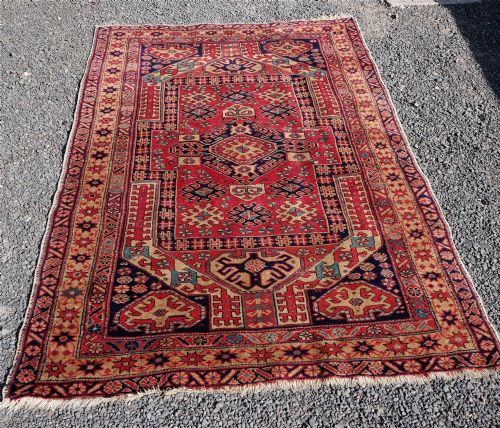
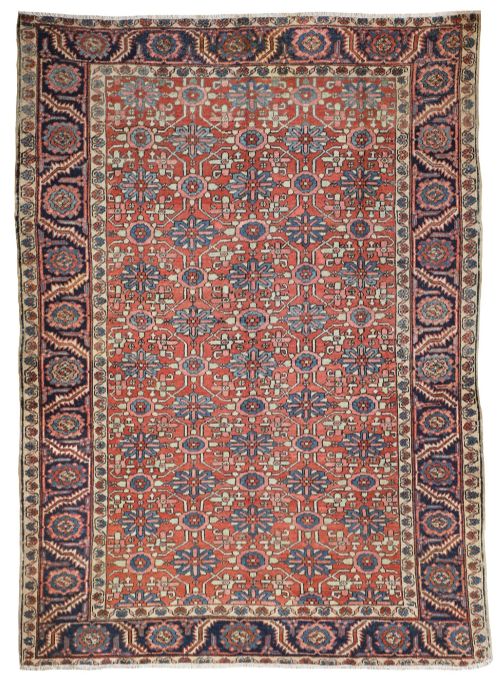
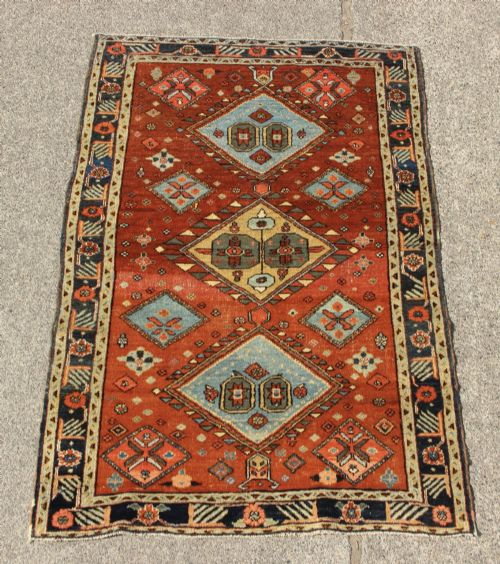
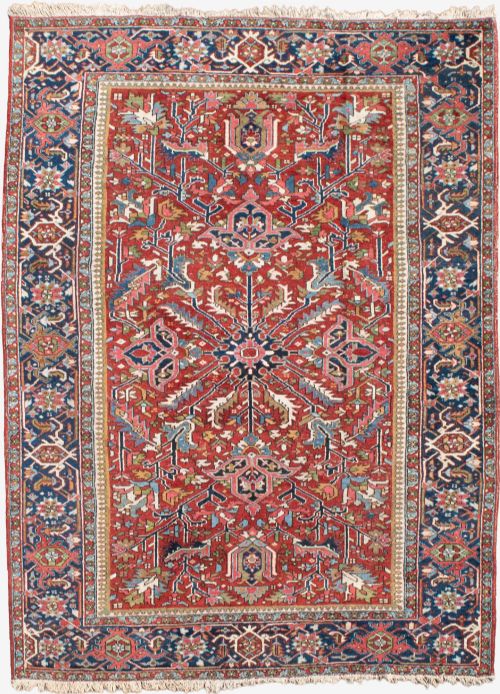
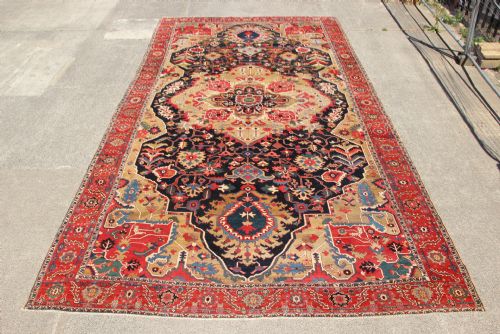
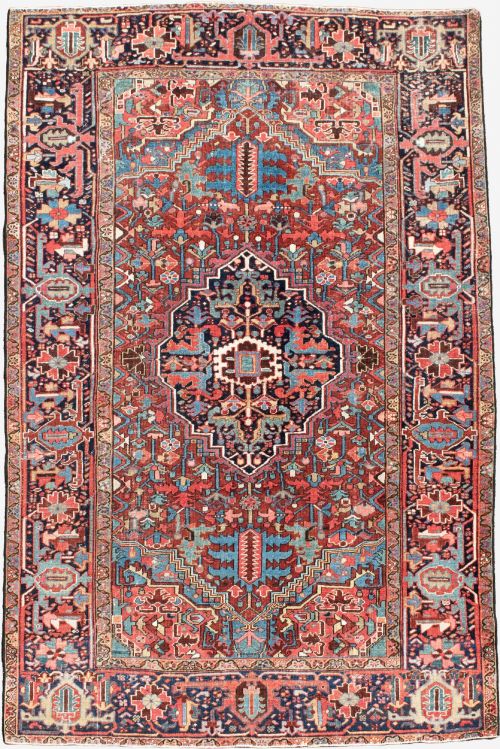
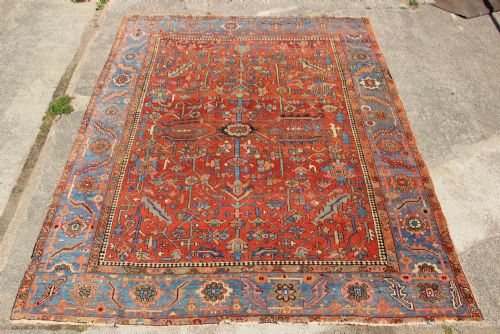
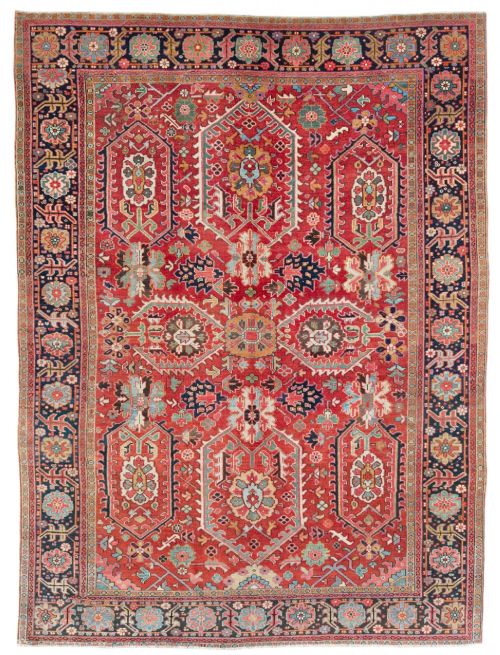
A heriz geometric wool carpet anchors a room with bold medallions and durable weave traditions originating from North-West Persia.
Heriz Geometric Wool Carpet
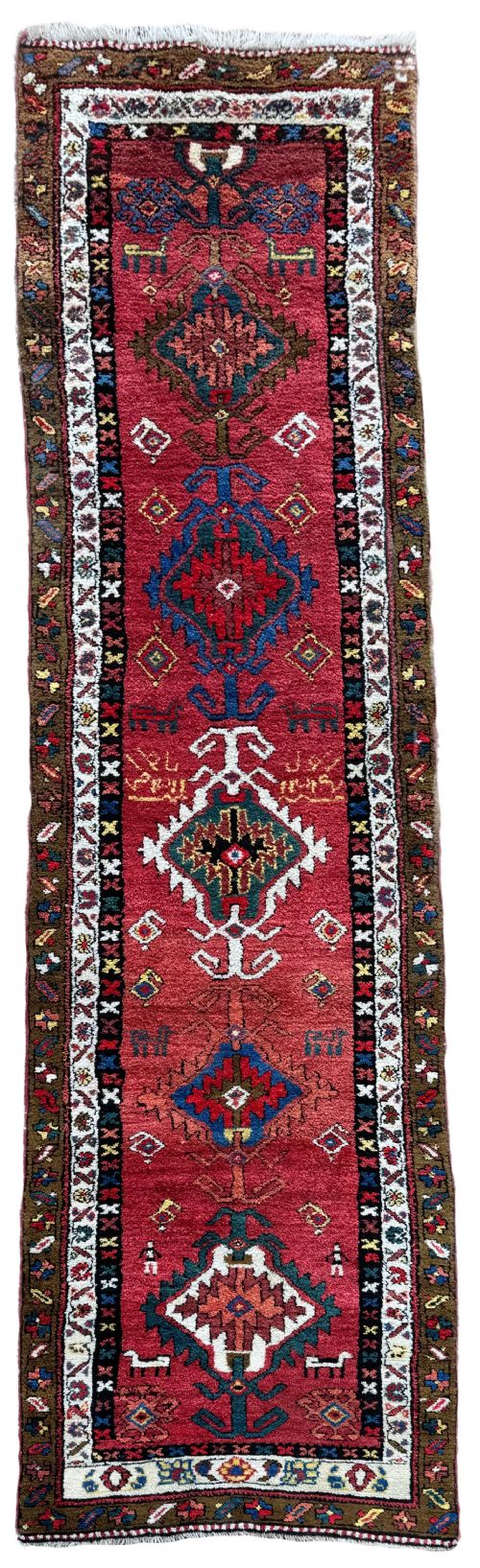
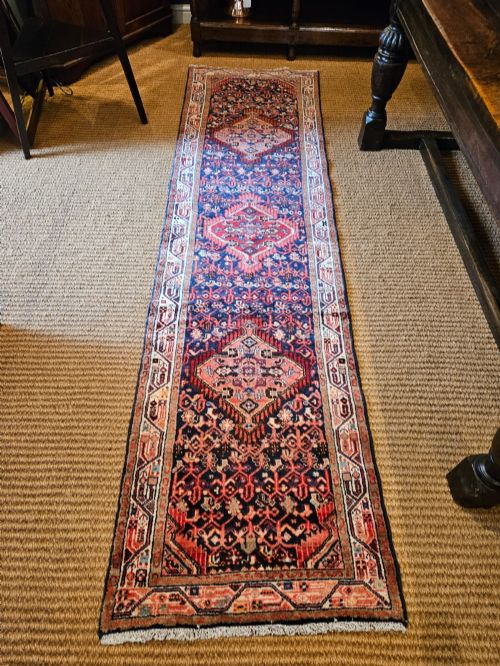
A heriz geometric wool carpet brings substantial scale and bold rectilinear patterns to floor spaces, drawing on designs originating from North-West Persia. Buyers searching for a heriz geometric wool carpet encounter room-sized carpets, smaller rugs, and long runners woven across periods spanning from the late nineteenth century into the twentieth century.
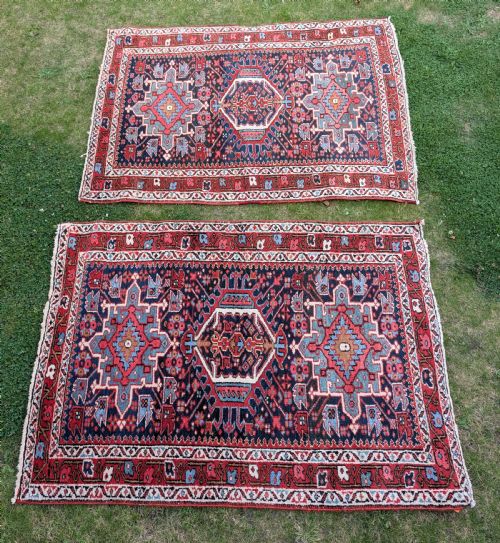
The selection here comprises traditional Persian styles including specific regional types like Serapi, Bakshiash, Karaja, and Ahar alongside general Heriz pieces. Most examples share wool piles knotted onto cotton foundations, with formats ranging from compact scatter sizes to extensive hallway runners and large carpets.
What Varies in Quality
Quality differentiates through the fineness of the knotting and the crispness of the geometric drawing across the field. Superior examples display balanced colour distribution and precise execution of the central medallion and border systems.
The handling of natural dyes and the condition of the wool pile establish the visual depth of the rug. Pieces with well-preserved foundations and intact original borders represent the higher tier of surviving production.
Several runners stretch over six metres long, built to warm exceptionally grand Persian corridors.
The Heriz Geometric Wool Carpet Glossary
- Heriz
- A style of Persian carpet originating from the village and surrounding region in North-West Persia, known for robust geometric designs and large central medallions.
- Serapi
- A sub-category of Heriz carpet from the nineteenth century, typically displaying more open compositions, finer knotting, and balanced palettes.
- Medallion
- The prominent central ornamental motif dominating the field of the carpet, often rendered in bold geometric outlines.
- Spandrels
- The triangular corner ornaments situated in the upper and lower corners of the main field, framing the central medallion.
- Runner
- A long, narrow carpet format designed specifically for hallways, corridors, or narrow passageways.
Heriz Geometric Wool Carpet: Frequently Asked Questions
How do I place a large Heriz carpet?
These substantial carpets suit principal reception rooms or dining spaces where furniture can sit comfortably on the central field without obscuring the main medallion.
Ensure adequate clearance around the border to let the geometric patterns frame the floor properly.
What is the difference between Heriz and Serapi?
Serapi rugs represent an earlier, finer group associated with the Heriz region, typically featuring more open designs and subtle colour combinations.
Standard Heriz carpets tend to show bolder, denser geometric structures dating from slightly later production periods.
Are these carpets suitable for hallways?
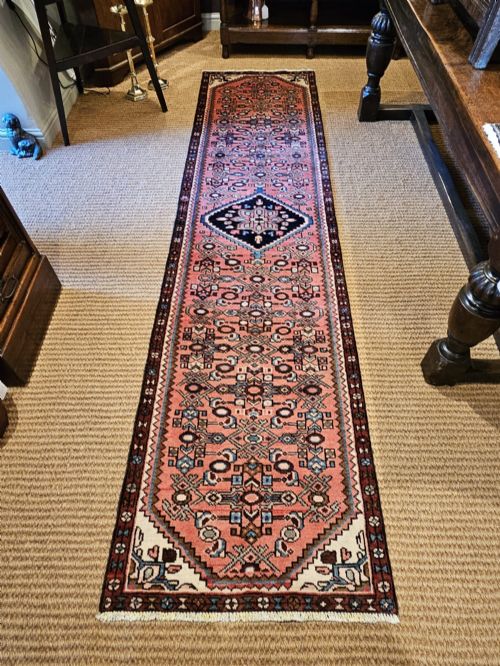
Narrow formats including runners and long gallery carpets are specifically suited for corridors, landings, and entrance halls.
The sturdy wool and cotton construction handles regular foot traffic while providing an insulating floor covering.
How do I identify a Karaja rug?
Karaja rugs originate from a nearby town in the same North-West Persian weaving district and often feature repeating geometric medallions or distinct village motifs.
They appear in smaller scatter and runner sizes compared to the room-scale carpets of the main Heriz production.