




Heavy Lead Glass Goblet
These heavy lead glass goblets combine tactile substance with bright optical clarity, offering the collector a tangible piece of Georgian drinking culture.
Heavy Lead Glass Goblet
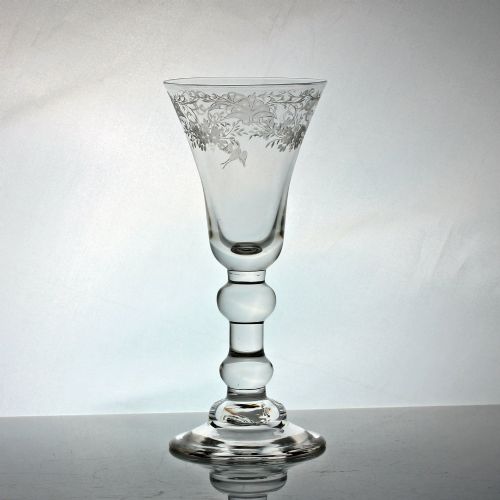
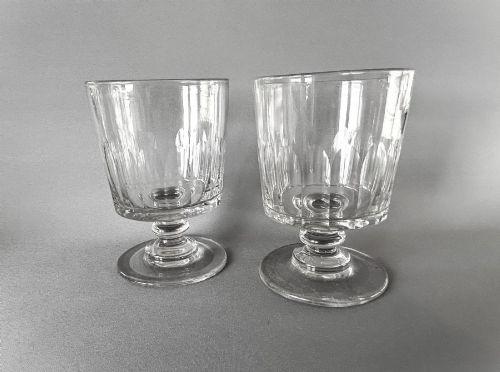
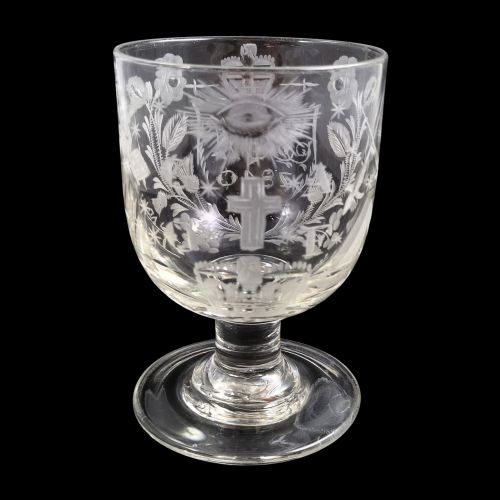
A heavy lead glass goblet represents the substantial end of Georgian drinking vessels, commonly encountered as baluster wines, dram glasses, or large rummers. These pieces date across the eighteenth century and into the early nineteenth century, displaying forms designed for stability and weight in the hand.
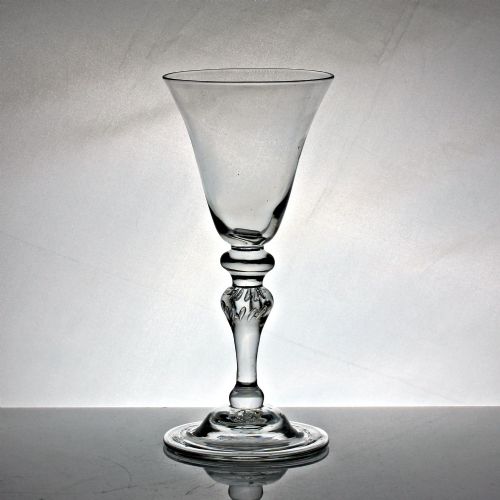
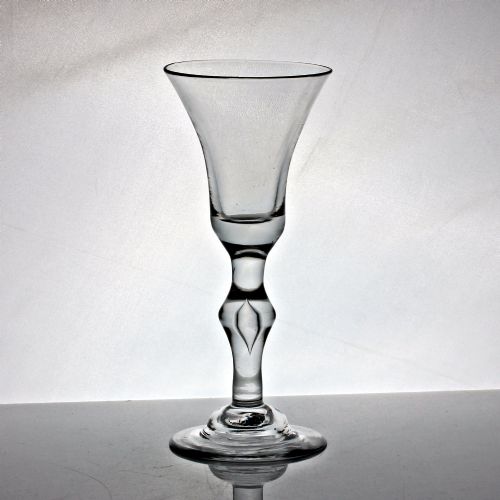
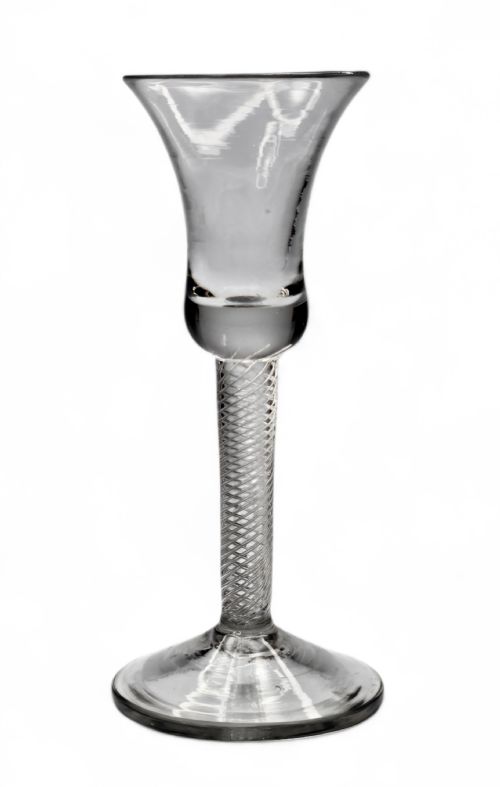
The dominant style on this page is the Georgian baluster, often featuring a bell-shaped bowl set above a solid domed foot. Alongside these, buyers find related forms such as pan rummers and air twist glasses, spanning periods from Queen Anne beginnings to Regency variations.
How they were made
The material relies on lead glass or crystal formulations, which give these goblets their characteristic heft and refractive brilliance. Artisans shaped the metal while hot, forming thick baluster stems and substantial feet to anchor the tall bowls.
Surface decoration on certain examples involves wheel engraving, cutting into the clear glass to render floral or commemorative motifs. The optical clarity of the metal results from precise furnace work and high lead content.
Heavy Lead Glass Goblet Retail Price Guide 2026
Typical asking prices for heavy lead glass goblet among the pieces listed under this phrase on Sellingantiques today, from the lower quarter to the upper quarter. They describe what is for sale here now, not the wider market.
Some heavy dram glasses feature deceptive bowls with exceptionally thick solid bases, designed to look full while holding very little liquor.
What varies in quality
Quality rests in the proportional balance between the heavy bowl, the knopped stem, and the spread of the foot. Superior examples display exceptional metal clarity without excessive cloudiness or heavy impurities trapped within the handleable mass.
The crispness of decorative engraving and the symmetry of internal formations, such as multiple spiral air twists, separate standard utility vessels from pieces executed with finer workshop skill.
The Heavy Lead Glass Goblet Glossary
- Baluster stem
- A heavy, thick stem profile reminiscent of architectural balusters, often incorporating knops or swellings. It provides the central weight and grip for early eighteenth-century drinking vessels.
- Bell bowl
- A flared drinking vessel profile that curves outward towards the rim, resembling an inverted bell. This form is typical among early baluster wine glasses and goblets.
- Domed foot
- A raised, conical base that slopes upward from the outer rim to the central stem attachment. This construction adds physical weight and visual elevation to the piece.
- Air twist
- An optical effect created by drawing elongated bubbles through the molten metal stem before twisting it into a spiral column. It catches the light internally within clear crystal.
- Rummer
- A capacious, heavy-bottomed drinking glass popular from the late eighteenth century onward. It served for ale, punch, or wine during communal toasts.
Heavy Lead Glass Goblet: Frequently Asked Questions
What is a heavy lead glass goblet?
A heavy lead glass goblet is a thick-walled drinking vessel produced during the Georgian and Regency periods. These pieces are characterised by substantial weight, robust baluster stems, and clear crystal metal.
They were designed for formal dining and tavern use, offering durability alongside refractive brilliance. Collectors prize them for their tactile presence and historical longevity.
How do I date a Georgian goblet?
Dating relies on observing form shifts, stem construction, and foot profiles across the eighteenth century. Early pieces often feature heavy baluster stems and domed feet, while later examples transition into faceted rummers.
Engraving styles and metal characteristics also provide chronological clues. Comparing proportion and weight helps place pieces between the Queen Anne era and the early nineteenth century.
What makes an air twist glass different?
An air twist glass incorporates fine, elongated bubbles trapped inside the molten stem and spun into a spiral pattern. This technique requires expert manipulation of the hot crystal during manufacture.
The resulting internal threads refract light independently of the bowl and foot. It represents a decorative refinement upon standard heavy baluster forms.
How were these goblets used originally?
These goblets functioned as daily or ceremonial drinking vessels for wine, beer, and spirits. Their heavy build suited them for robust toasts and frequent handling at table.
Larger variants like rummers held generous measures of punch or ale. Today, collectors display them to appreciate Georgian glassmaking techniques.