




Heavy Glass Vessel
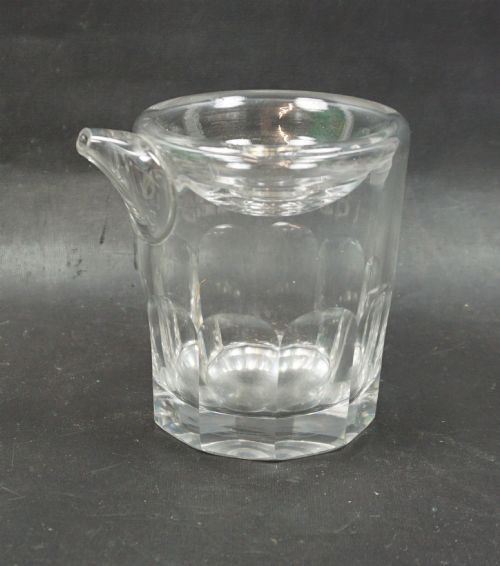
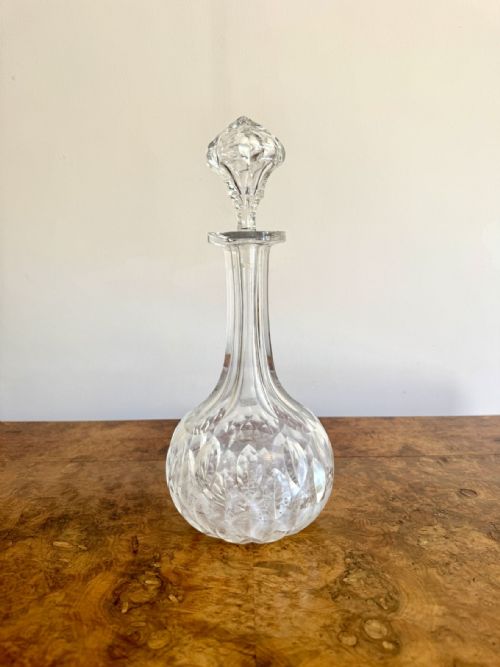
A heavy glass vessel brings substance to the table, and this selection spans centuries of lead crystal, cut glass and clear vessels.
Heavy Glass Vessel
A heavy glass vessel encompasses a diverse group of utilitarian and decorative objects made from lead glass, clear glass, and lead crystal. When you search for a heavy glass vessel, you encounter items ranging from early eighteenth-century baluster dram glasses and sweetmeat glasses to nineteenth-century rummers, tavern glasses, and decanters.
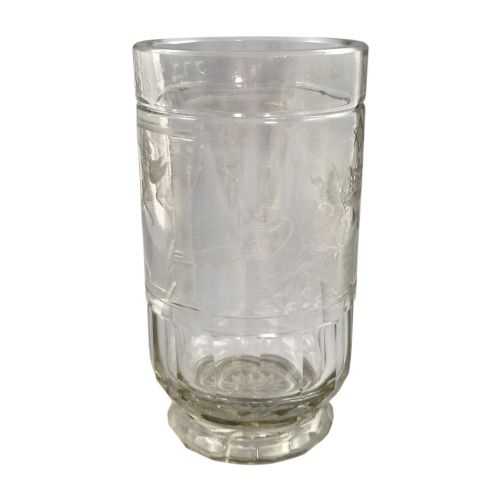
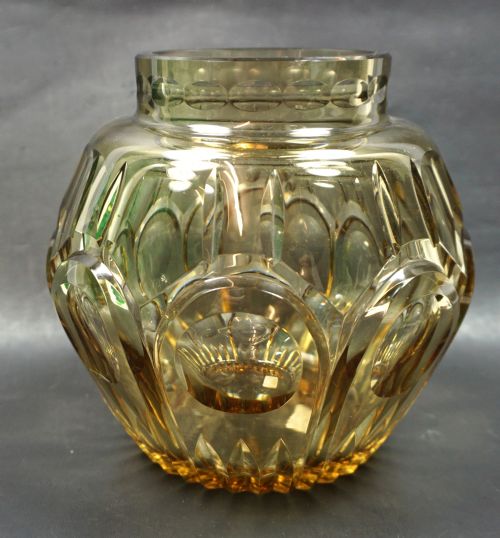
The assortment on this page leans heavily toward functional drinking vessels and display pieces, including decanters, vases, and beakers. You will find Georgian rummers alongside Edwardian cut glass decanters and Art Deco modernist vases from Belgian and English makers.
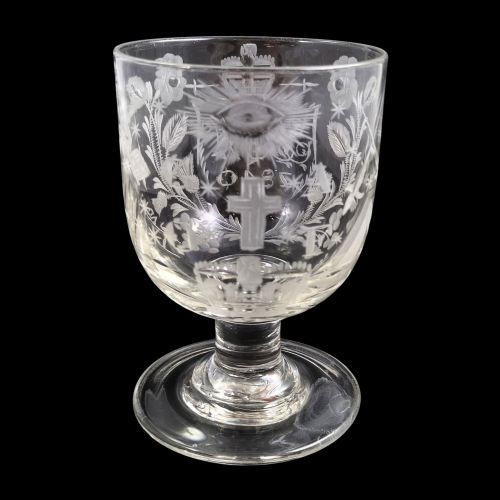
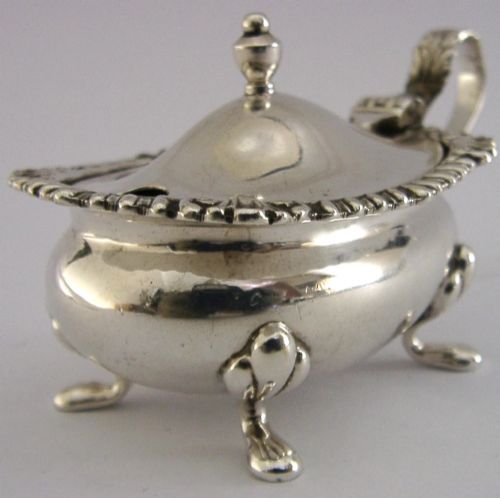
Forms vary from robust tavern rummers and chunky late Georgian rummers to delicate feeding cups and large nineteenth-century vases. Alongside pure glassware, combinations appear, such as a sterling silver and blue glass lined mustard pot from the mid-twentieth century.
What varies in quality
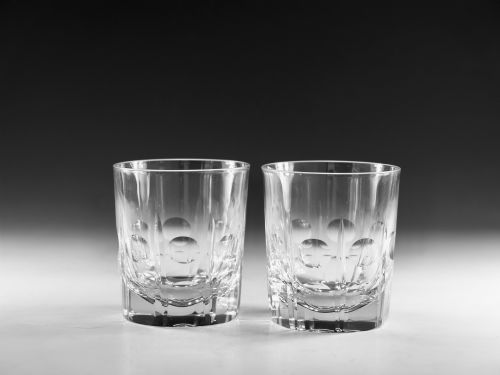
Quality rests upon the purity of the metal and the crispness of the cut or engraved ornamentation. Superior pieces display deep, sharp facets on cut glass decanters and precise, confident wheel engraving on rummers and beakers, whereas lesser examples show softer edges and minor optical distortions in the glass.
The balance and heft of the object define its standing, particularly in baluster glasses and heavy rummers where wall thickness and foot formation dictate the tactile experience. Provenance and attribution also elevate certain pieces, such as signed Art Deco vases from documented European designers.
The listings show pieces spanning from the early eighteenth century through the Art Deco era, encompassing both British and continental European origins.
Charles Graffart for VSL·Joseph Simon for Val St. Lambert·Jean Luce
The Heavy Glass Vessel Glossary
- Rummer
- A large drinking glass popular in the eighteenth and nineteenth centuries, typically featuring a stout bowl, a short stem, and a broad foot.
- Baluster glass
- A drinking vessel characterised by a heavy, swelling stem often found in English glass from the late seventeenth and eighteenth centuries.
- Sweetmeat glass
- An eighteenth-century footed vessel designed to hold confectioneries, sweetmeats, or dry preserves.
- Lemon squeezer base
- A square, moulded foot base with indented corners resembling a citrus squeezer, common on early nineteenth-century rummers.
- Lead crystal
- Glass containing a high proportion of lead oxide, increasing the weight, refractive index, and resonance of the vessel.
Heavy Glass Vessel: Frequently Asked Questions
How do I date an old glass vessel?
Dating relies on stylistic markers, manufacturing techniques, and the type of metal used in the piece. Early eighteenth-century examples often feature baluster stems and heavy lead metal, while nineteenth-century rummers may incorporate lemon squeezer bases.
Examining pontil marks on the base helps determine the period of manufacture. Hand-blown pieces carry the rough scar where the pontil rod was snapped away, whereas later production methods often polished this area smooth.
What is a tavern glass?
A tavern glass is a sturdy, utilitarian drinking vessel made for heavy use in public houses during the eighteenth and nineteenth centuries. These pieces lack delicate engraving and focus instead on thick walls and robust bases.
Their simple forms make them resilient survivors from bustling social settings. Collectors value them for their honest, unpretentious craftsmanship and historical connection to everyday drinking culture.
How do I care for heavy glass?
Heavy glass vessels require gentle hand washing in lukewarm water with mild detergent to preserve their surface finish. Harsh abrasives and sudden temperature changes must be avoided to prevent thermal shock and scratching.
Stored items benefit from soft padding and stable shelving that supports their considerable weight. Proper handling prevents rim chips and protects delicate cut or engraved details.
What distinguishes crystal from glass?
Crystal contains lead oxide, which adds weight, brilliance, and clarity compared to standard soda-lime glass. This composition allows artisans to cut deeper facets that refract light more effectively.
When struck gently, lead crystal produces a clear, resonant tone rather than a dull thud. This acoustic property, combined with substantial heft, helps identify high-quality vessels in the collection.