

Heavy Door Weight
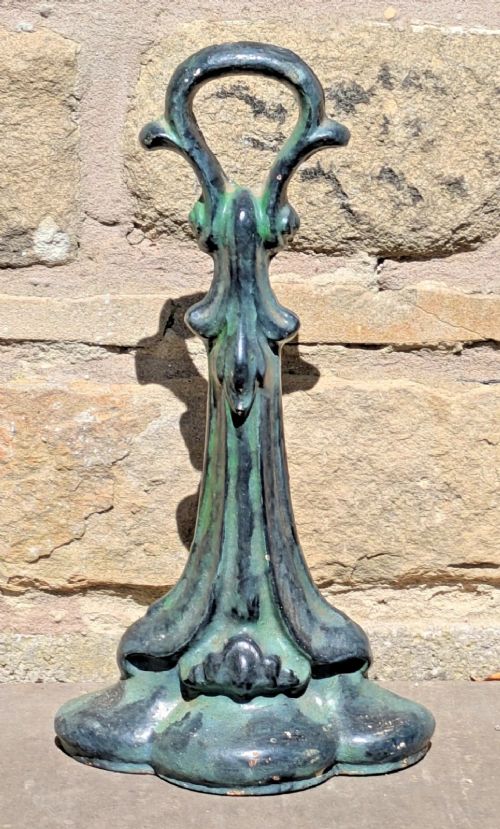
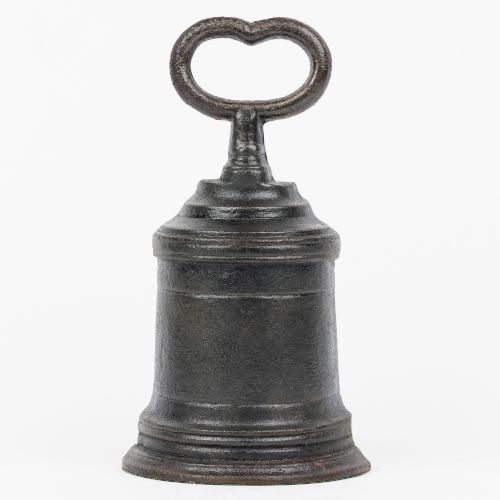
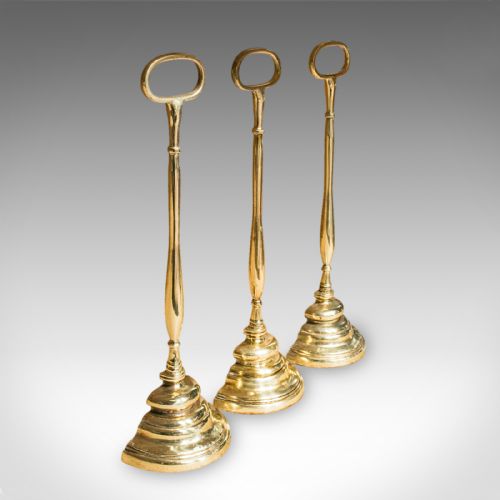
These heavy door weight examples are solid metal doorstops and porters designed to hold interior doors open, offering practical utility and period character.
Heavy Door Weight
A heavy door weight, commonly known as a doorstop or door porter, is a functional object designed to keep heavy interior doors from swinging shut in draughty hallways and rooms. When searching for a heavy door weight, buyers encounter pieces primarily originating from the Georgian, Regency, Victorian, and Edwardian periods.
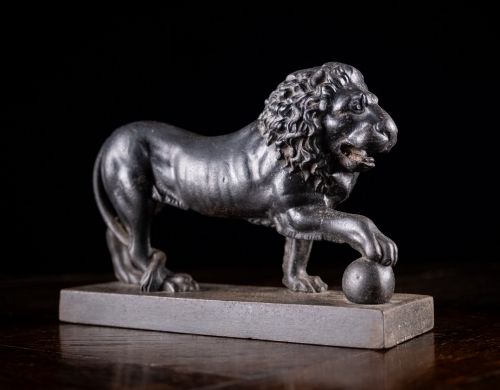
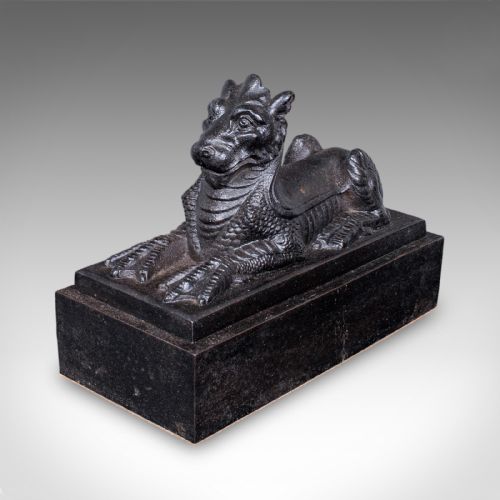
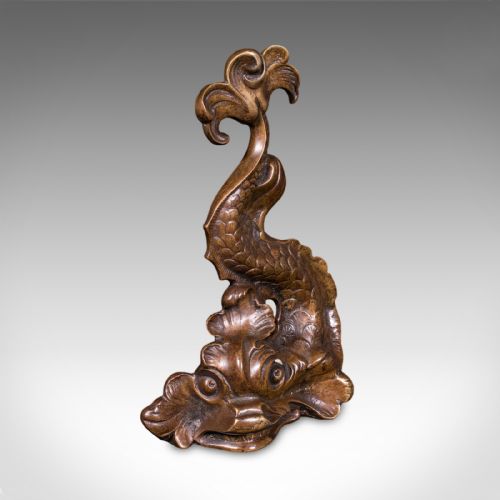
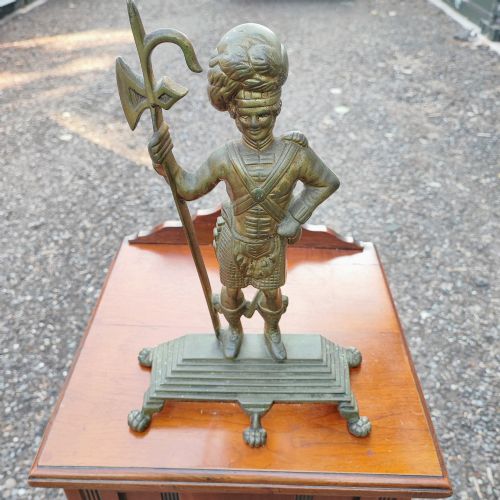
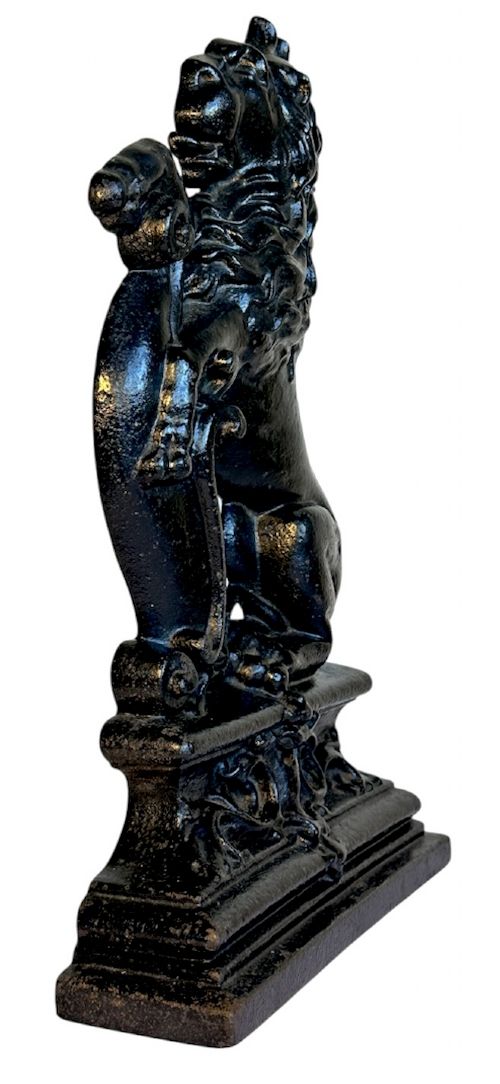
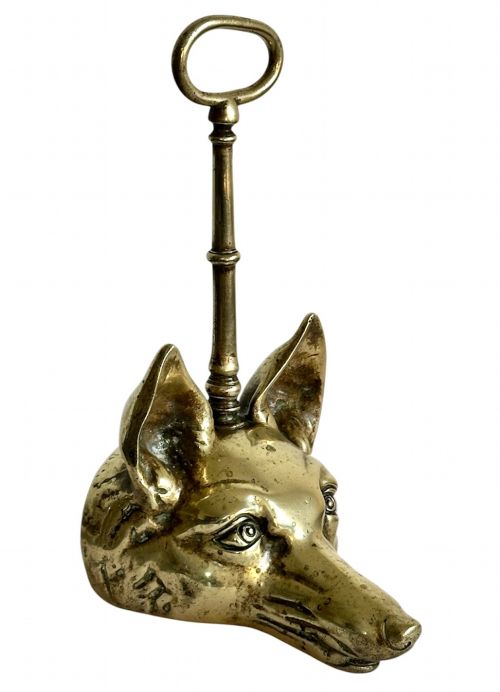
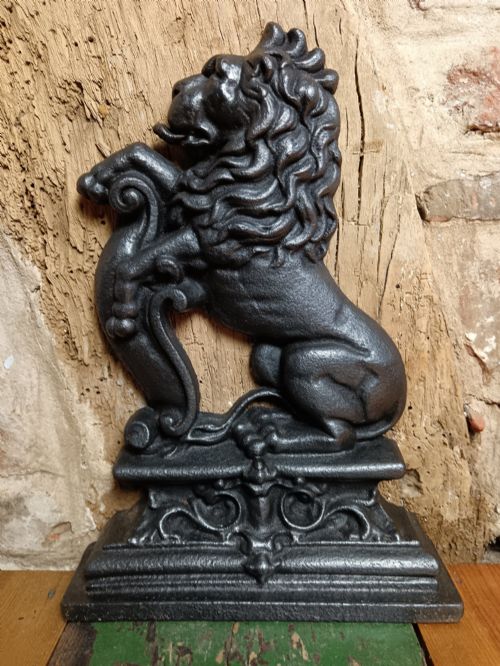
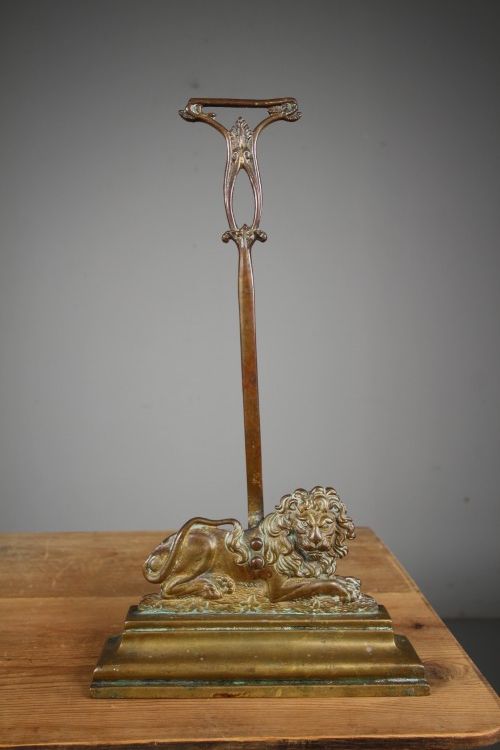
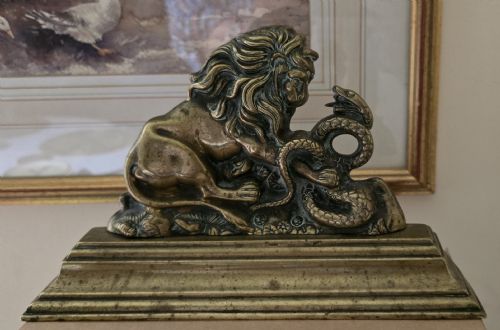
The majority of these pieces take the form of vertical doorstops and elongated door porters made in England. Common figurative subjects include lions, dolphins, horses, foxes, and historical or literary figures such as Lord Nelson and Mr Punch.
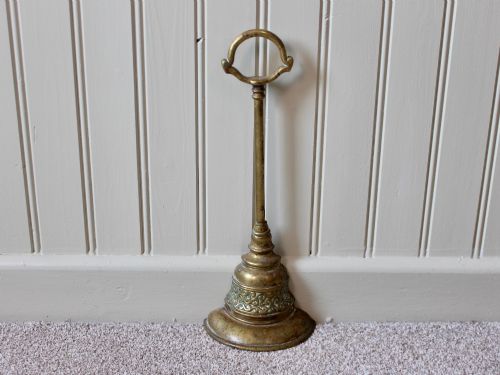
Most examples function as substantial metal sculptures intended to sit on the floor against a skirting board. They bridge the gap between utilitarian hardware and decorative interior ornamentation.
How They Were Made
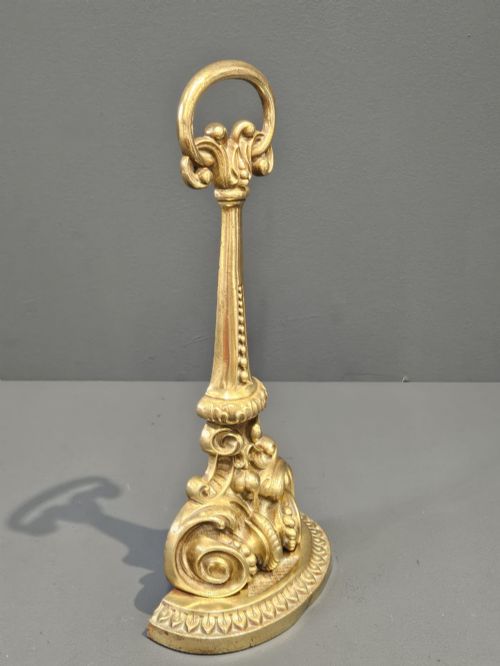
Makers utilised foundry casting techniques to produce these pieces in solid metal. Cast iron and brass are the primary materials recorded, often supplemented by lead weighting to ensure sufficient mass.
Heavy Door Weight Retail Price Guide 2026
Typical asking prices for heavy door weight among the pieces listed under this phrase on Sellingantiques today, from the lower quarter to the upper quarter. They describe what is for sale here now, not the wider market.
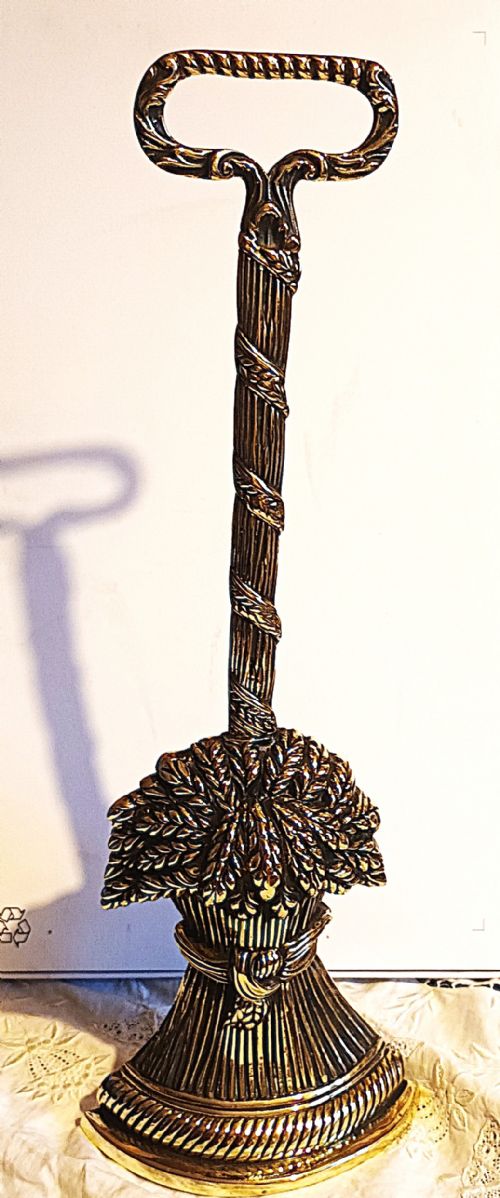
Object forms include traditional doorstops, door porters, and figurative door keepers shaped as animals, mythological creatures, and historical figures.
What Varies in Quality
The choice of material and weight also distinguishes the range, with solid cast brass and bronze components offering greater heft and durability than lighter or more thinly cast alternatives.
Tonks·William Tonks
The Heavy Door Weight Glossary
- Cast iron
- An iron-carbon alloy poured into moulds to create heavy, rigid objects. It forms the foundation for many nineteenth-century animal and figurative stops.
- Cast brass
- An alloy of copper and zinc shaped through foundry casting. This material provides a bright metallic finish that polishes to a warm golden tone.
- Gilt bronze
- Bronze treated with a gold or gilt surface layer. It offers a rich, reflective appearance seen on high-status Regency and Victorian decorative pieces.
- Egyptian Revival
- A nineteenth-century design style incorporating ancient Egyptian motifs such as sphinxes and architectural elements. This style reflects archaeological discoveries of the period.
Heavy Door Weight: Frequently Asked Questions
What is a door porter?
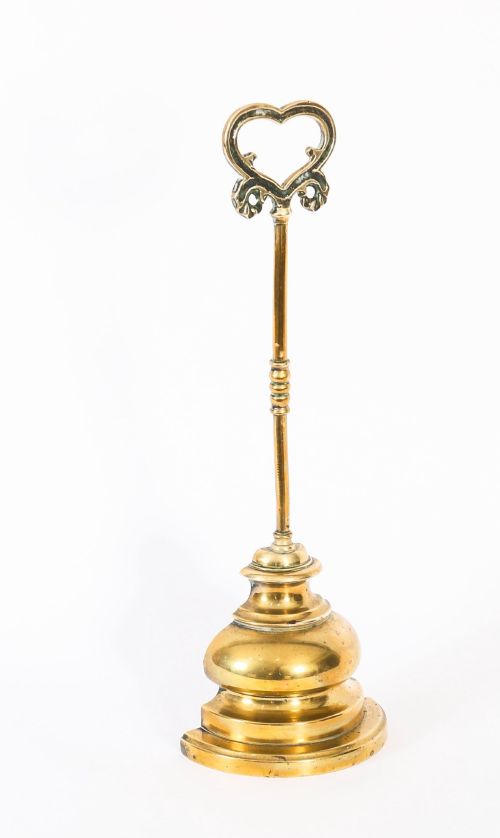
A door porter is a tall, weighted doorstop designed to be easily moved by hand. It usually incorporates a loop handle at the top.
These pieces allow users to position the heavy weight against a door without bending down to the floor.
How heavy are these door weights?
These pieces possess substantial mass derived from solid cast iron, brass, or bronze construction. Many incorporate internal or added lead weighting.
This heft ensures the object remains stationary when holding open heavy interior doors.
How do I date a cast iron stop?
Dating relies on stylistic clues, historical motifs, and manufacturing methods. Victorian examples often feature Gothic, classical, or figurative subjects like lions and soldiers.
Examining the wear on the base and the texture of the metal casting helps determine the period.
Where should I place a door weight?
These weights sit on the floor directly against the interior door they secure. They work best in hallways and rooms prone to draughts.
Positioning them out of main walkways prevents accidental trips while keeping the door firmly in place.