

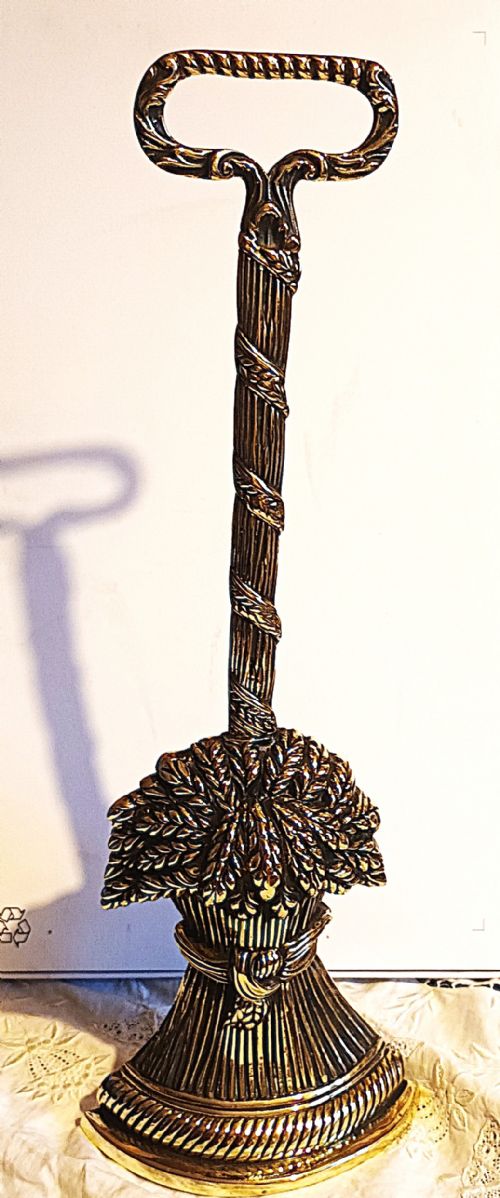
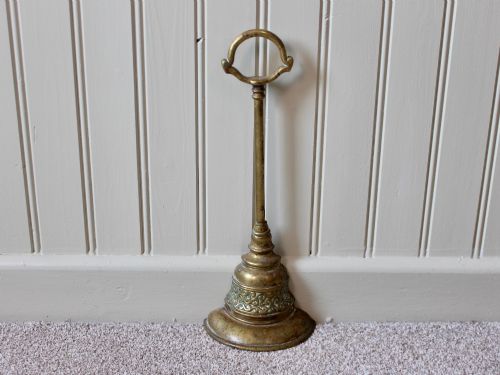


Decorative Door Weight
These decorative door weight pieces, also known as doorstops and door porters, keep heavy interior doors firmly in place while adding character to a room.
Decorative Door Weight
A decorative door weight is a functional item designed to hold doors open, commonly taking the form of figural doorstops and door porters across the Victorian, Regency, and Georgian periods.
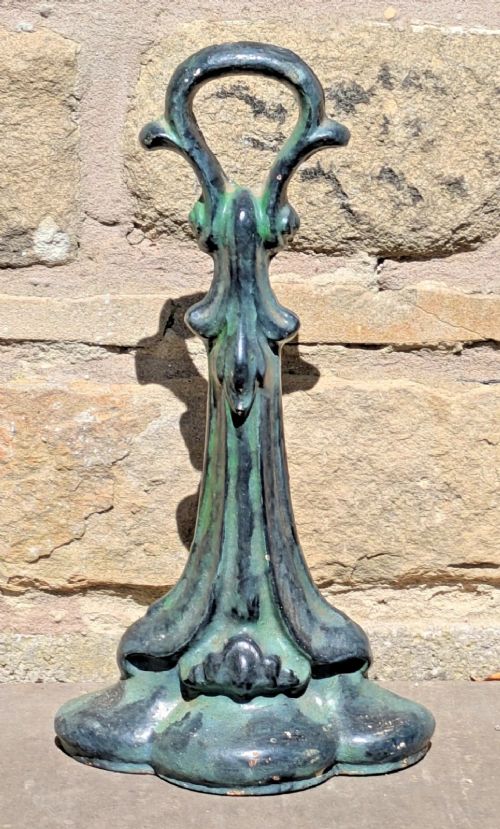
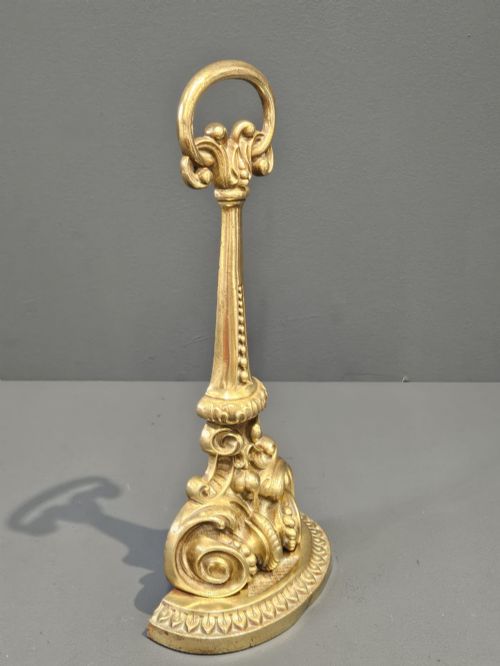
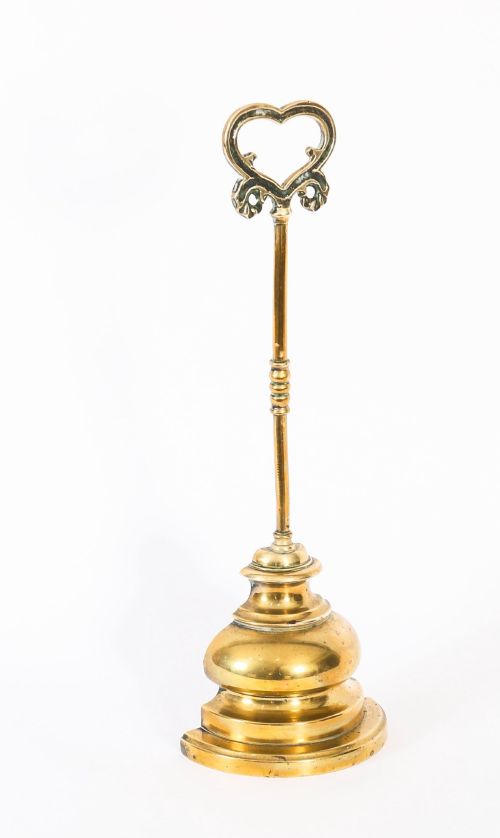
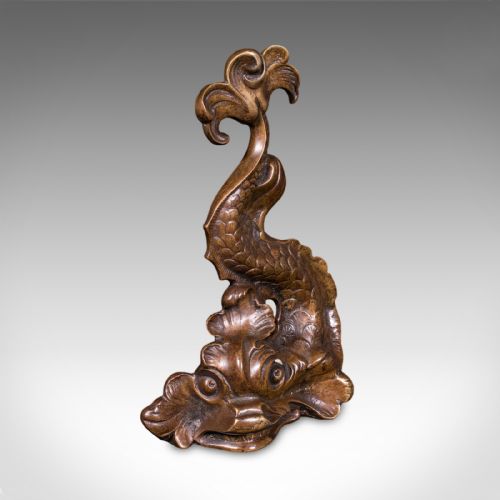
The pieces on this page are most frequently found as brass or cast iron castings representing animals, figures, and architectural motifs such as dolphins, lions, foxes, and characters like Mr Punch.
Originating predominantly from English workshops, these items span periods from the early nineteenth century through to the Edwardian era, incorporating styles from Victorian Gothic Revival to English Country House.
How they were made
Foundries utilised traditional casting techniques to pour molten metals such as brass, bronze, and cast iron into moulds to form the heavy bodies required for holding doors.
Decorative Door Weight Retail Price Guide 2026
Typical asking prices for decorative door weight among the pieces listed under this phrase on Sellingantiques today, from the lower quarter to the upper quarter. They describe what is for sale here now, not the wider market.
Listings feature cast iron, brass, and bronze materials across Victorian, Regency, and Georgian periods.
What varies in quality
Quality rests in the crispness of the casting detail and the weight of the metal used, distinguishing finely rendered animal forms and character figures from simpler productions.
The retention of original surface finishes, whether early paint layers or polished brass and bronze patination, defines the character and desirability of each piece.
Tonks
The Decorative Door Weight Glossary
- Door porter
- A heavy portable device designed to hold a door open, often featuring a handle at the top for lifting.
- Cast iron
- An iron-carbon alloy poured into moulds to create rigid, heavy objects that remained popular for utilitarian decorative items.
- Gilt bronze
- Bronze that has been coated with a thin layer of gold, providing a bright metallic finish seen on finer decorative objects.
- Regency
- An architectural and design style spanning the early nineteenth century, characterised by classical motifs such as dolphins and marine themes.
Decorative Door Weight: Frequently Asked Questions
What is a decorative door weight used for?
These pieces function primarily as heavy stops to prevent interior doors from swinging shut unexpectedly in draughty hallways and rooms.
Beyond utility, they serve as sculptural ornaments that introduce historical character and figural interest to domestic interiors.
How do I care for cast iron doorstops?
Keep the metal clean by gently dusting the surface with a dry cloth to prevent the accumulation of dirt and moisture.
Avoid using harsh chemical polishes, particularly on painted iron surfaces, to preserve the original finish.
How can I tell a Victorian door stop from a Georgian one?
Victorian examples frequently display the heavier cast iron figures, character representations like Mr Punch, and Gothic Revival styles popular during the nineteenth century.
Georgian pieces often lean towards earlier brass or bronze forms with classical proportions and simpler country house aesthetics.
Where were most door porters placed?
Door porters stood directly on the floor against heavy interior doors in principal rooms and entrance halls of large houses.
Their substantial weight allowed them to hold wide wooden doors steady without requiring permanent fixings to the floor.