


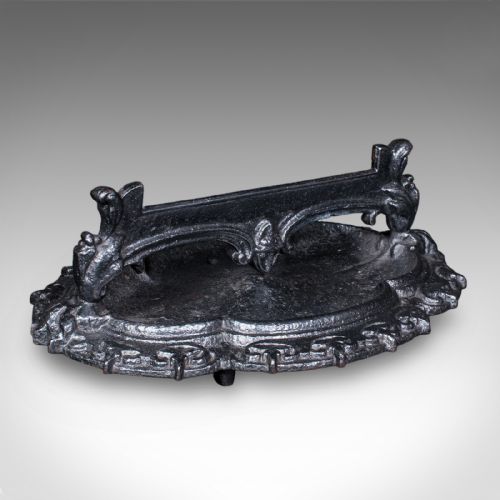


Heavy Cast Iron Stand
These heavy cast iron stand pieces are robust hall and entryway furnishings designed to hold walking sticks, umbrellas, and boots.
Heavy Cast Iron Stand
When you search for a heavy cast iron stand, you are looking at practical utility items from the Victorian, nineteenth century, and Edwardian eras. These domestic furnishings were built to withstand daily use in grand hallways and busy doorways.
The versions you are most likely to meet on this page include umbrella and stick stands, boot scrapers, and occasional tables. These utilitarian forms combine industrial strength with decorative styles such as Gothic Revival and Rococo Revival.
Originating primarily from English workshops, these pieces often feature combination materials like solid brass, copper, and hardwood alongside the principal metal. Their substantial weight provided stability for wet outerwear and muddy footwear.
How they were made
The primary material is cast iron, poured into intricate moulds to achieve detailed ornamentation such as Gothic tracery or foliate scrolls. Many examples incorporate painted surfaces, while others combine the metal with sheet metal drip pans or solid brass components.
Makers utilised sand casting techniques to produce both structural stability and decorative relief work. Secondary elements like brass rings or copper basins were integrated to manage moisture from sticks and umbrellas.
Heavy Cast Iron Stand Retail Price Guide 2026
Typical asking prices for heavy cast iron stand among the pieces listed under this phrase on Sellingantiques today, from the lower quarter to the upper quarter. They describe what is for sale here now, not the wider market.
What varies in quality
Quality in these stands rests upon the crispness of the casting and the ambition of the design. Simpler utility frames contrast with highly decorative pieces displaying sculptural figures or complex architectural motifs.
The integrity of the original surface finish and the preservation of secondary materials like brass rails and metal drip pans distinguish superior examples from standard utilitarian productions.
Coalbrookdale·Falkirk
The Heavy Cast Iron Stand Glossary
- Cast iron
- A strong, hard alloy of iron and carbon that is poured into moulds to create rigid forms. It allowed makers to produce durable hall furniture with intricate ornamental detail.
- Boot scraper
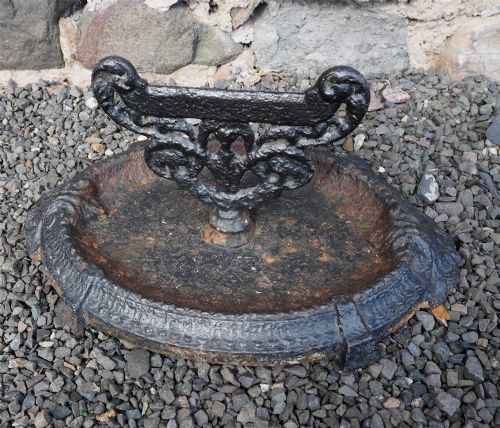
- A metal blade or architectural fixture positioned near an entrance to remove mud from footwear. They are frequently made of heavy iron to remain stationary during use.
- Stick stand
- A piece of furniture designed to hold walking sticks and umbrellas upright in a hallway. These stands often feature internal rings and a base tray to catch water.
- Gothic Revival
- An architectural and decorative style drawing inspiration from medieval design. Pieces in this style often use pointed arches and heavy geometric tracery.
- Andirons
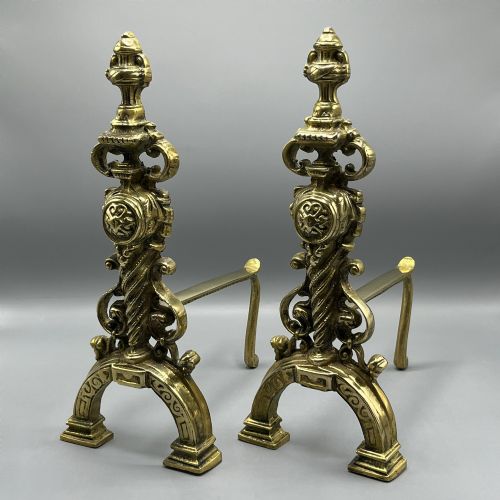
- Horizontal metal bars supported by legs, used to raise logs in a fireplace. These are sometimes paired with heavy iron furnishings in interior collections.
Heavy Cast Iron Stand: Frequently Asked Questions
Where were these stands placed?
These heavy stands were traditionally positioned in entrance halls, vestibules, and near exterior doorways. Their primary function was to receive wet umbrellas and muddy walking gear before guests entered the main living spaces.
They also served as decorative architectural elements in nineteenth-century homes, establishing a formal and orderly impression upon entry.
How do I clean a cast iron stand?
Maintenance involves gently dusting the surface with a soft brush to remove accumulation in the recessed casting details. Moisture should be avoided or dried immediately to prevent rust formation on unpainted areas.
Where painted surfaces exist, mild cleaning without harsh chemical abrasives preserves the historic finish of the metal.
How do I identify a Victorian stand?
Victorian stands are characterised by robust construction, heavy metal density, and specific stylistic motifs such as Gothic Revival tracery or Rococo Revival curves. The presence of nineteenth-century manufacturing techniques in the ironwork helps confirm the period.
Design registrations or foundry attribution marks can occasionally be found cast into the reverse or base of the object.
Can these stands be used outdoors?
While cast iron is inherently durable, indoor placement in dry hallways is generally recommended to protect historic painted finishes and secondary metals like brass and copper. Exposure to persistent moisture can cause oxidation and degradation of the original surface.
Covered porches or boot rooms represent the limit of domestic outdoor use for these antique furnishings.