


Heavy Cast Iron Grate
A heavy cast iron grate anchors an open hearth with industrial gravity and robust utility.
Heavy Cast Iron Grate
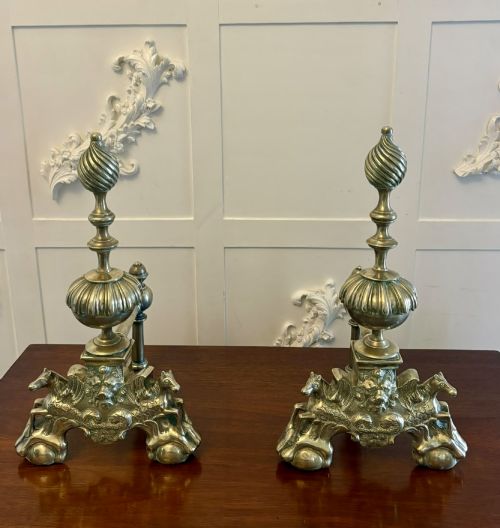
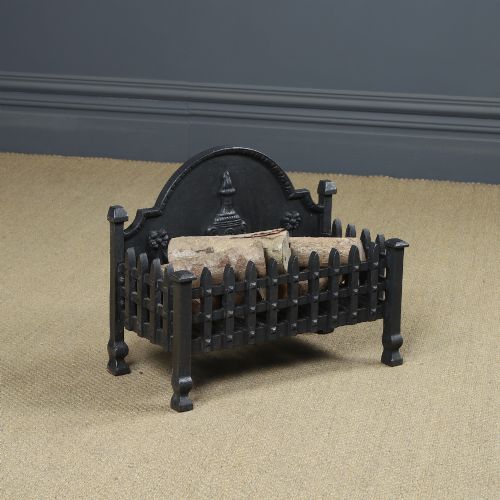
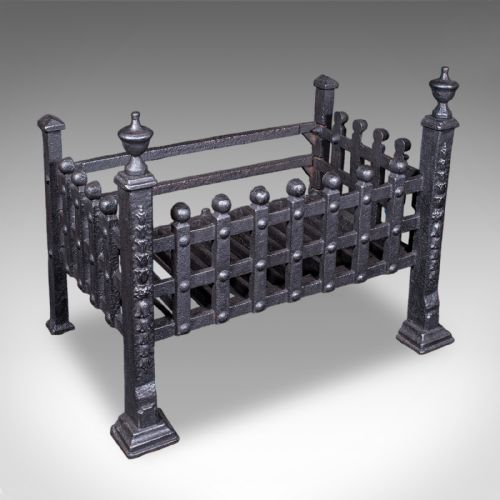
A heavy cast iron grate serves as the structural ironwork for an open hearth, designed to hold burning fuel safely off the floor while radiating heat into the room. When searching for a heavy cast iron grate, you encounter robust fire baskets, open fire grates, and inglenook sets paired with andirons.
The selections span the Victorian era, the nineteenth century, and early twentieth-century revivals such as Arts and Crafts, Neo-Classical, and Gothic styles. These pieces often incorporate firebricks and wrought iron elements to manage intense heat and support larger logs.
Most examples function as standalone fire baskets or integrate with firebacks and fenders to form a complete hearth arrangement. Their substantial mass dictates their primary role in large fireplaces and inglenooks.
Materials and methods
Foundries utilised cast iron for its ability to withstand extreme thermal cycles without losing structural integrity, pouring molten metal into detailed moulds that yielded crisp decorative motifs. Wrought iron frequently complemented the cast components, offering toughness for bars and structural frames that required hammering and shaping.
Refractory materials like firebrick occasionally lined the interior surfaces to protect the outer metal skeleton from direct flame and concentrate thermal output. Brass accents also appear on specific sets, adding a contrasting metallic detail to the dark iron assemblies.
Materials appearing across the inventory include heavy cast iron, wrought iron, brass, and protective firebrick.
Assessing quality and construction
Superior weight and thickness distinguish exceptional grates from lighter utility pieces, ensuring longevity under continuous high heat. The refinement of the casting determines the crispness of architectural details, from Gothic tracery to classical moulding.
The integration of complementary pieces, such as matching andirons, firebacks, and fenders, elevates the coherence and utility of the hearth set. Sound structural joinery between cast and wrought elements ensures the assembly bears the weight of heavy fuel safely.
The Heavy Cast Iron Grate Glossary
- Fire grate
- The metal basket or rack that holds burning logs or coal within a fireplace. It sits above the hearth floor to allow airflow beneath the fire.
- Andirons
- A pair of horizontal metal supports placed in a fireplace to hold burning logs. They often accompany a central fire basket.
- Inglenook
- A large, recessed fireplace alcove designed to accommodate seating alongside the fire. Grates built for these spaces typically possess exceptionally large proportions.
- Arts and Crafts
- A design movement prioritising handcraftsmanship, simple structural forms, and medieval vernacular styles. Ironwork from this tradition avoids excessive classical ornament in favour of honest utility.
Heavy Cast Iron Grate: Frequently Asked Questions
How do I choose the right size?
Measure the width, depth, and height of your fireplace opening carefully before selecting a grate. Leave adequate clearance around the ironwork to ensure proper airflow and safety.
Consider the scale of your hearth, as oversized baskets overwhelm small openings, while petite grates disappear in deep inglenooks.
Can I burn real wood in these?
Most of these pieces were engineered precisely for solid fuel combustion, including wood logs and coal. The thick cast iron and firebrick linings manage high temperatures effectively.
Check the individual piece for internal cracking or thin spots before lighting any fire to guarantee safe operation.
How do I clean cast iron?
Remove ash and debris regularly with a stiff brush to prevent moisture retention and subsequent rusting. Apply a light coat of grate polish or blacking to maintain the dark finish.
Avoid using water or harsh chemical detergents, which strip the protective surface and promote oxidation.
What is the difference between cast and wrought iron?
Cast iron is poured into moulds while molten, resulting in rigid, thick forms with high compressive strength that capture intricate decorative details well. Wrought iron is heated and hammered by hand into shape, offering superior tensile strength and flexibility.
Many antique hearth sets combine both materials, utilising cast components for ornamental firebacks or baskets and wrought iron for sturdy supporting bars.