




Hearth Guard Rail
These hearth guard rail pieces bring order and warmth to a room, framing the open fire with period brass and iron.
Hearth Guard Rail
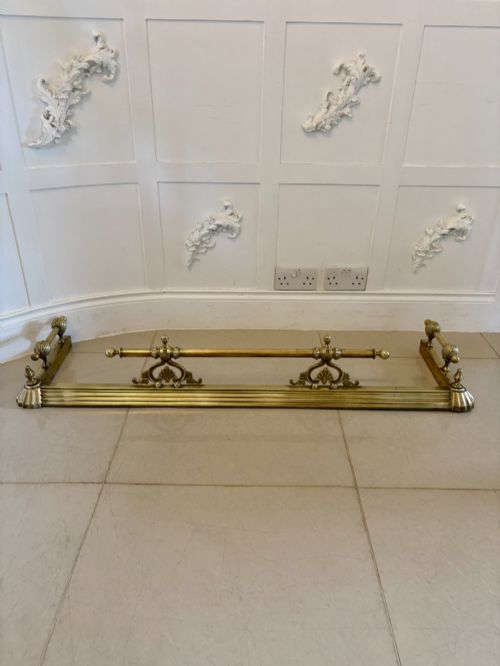
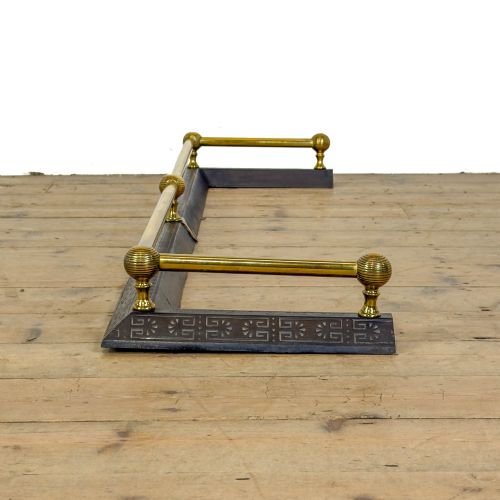
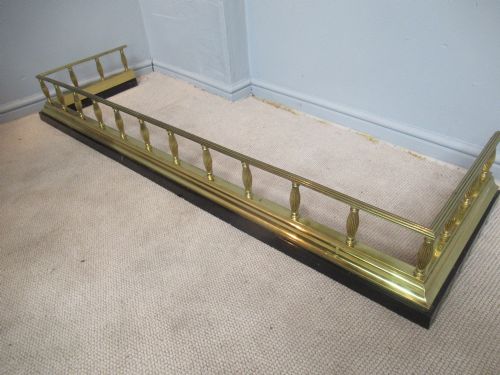
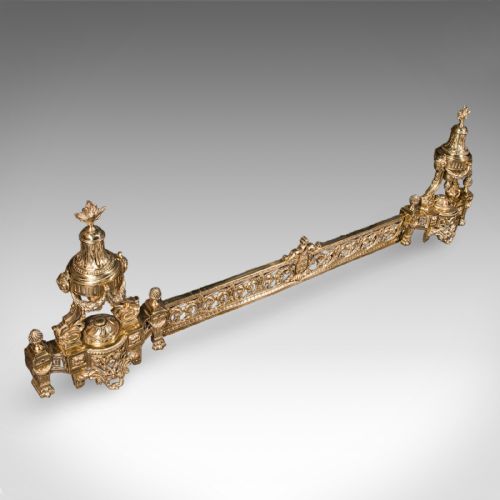
A hearth guard rail frames the fireplace to keep the room safe and neat. The selections here span the Victorian, Edwardian, and Art Deco periods, bringing together classic hearth fenders and nursery guards.
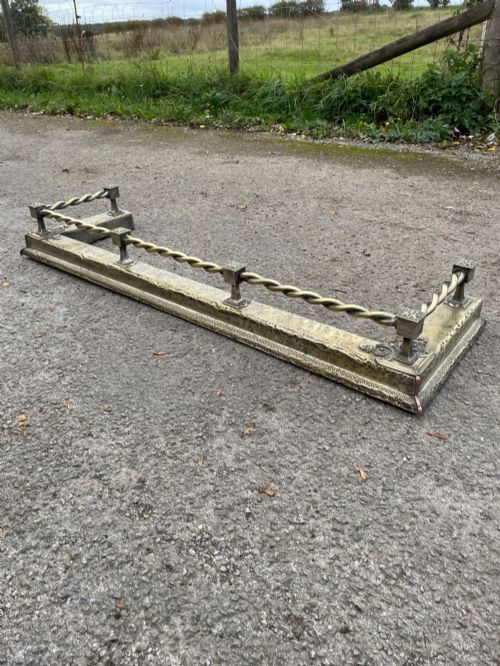
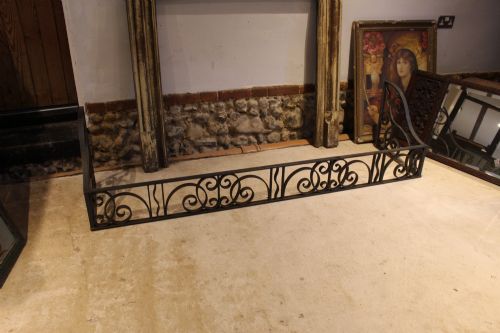
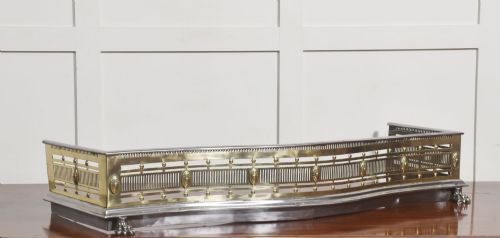
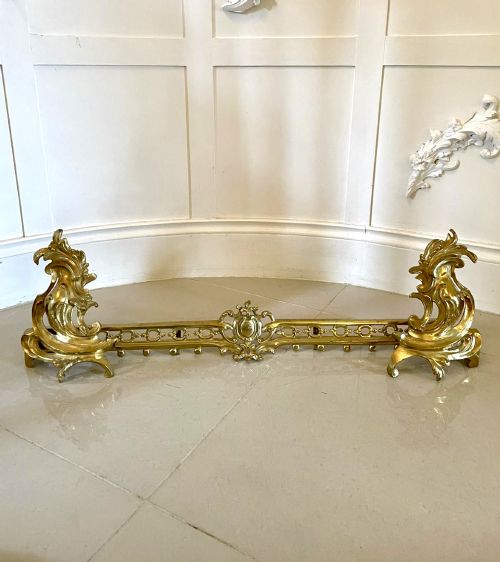
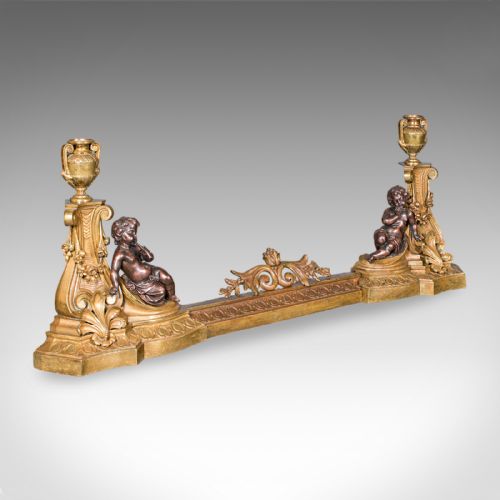
Most examples found on this page are fashioned from brass or iron, taking forms that range from simple adjustable curbs to ornate French Rococo designs. You will encounter pieces from the nineteenth and early twentieth centuries designed to sit directly on the floor around the hearth.
Makers utilised heavy gauge metals, sometimes adding a top rail or integrated seats, as seen in club fenders. These items serve both a practical purpose in containing embers and a decorative role in defining the fireplace centre.
What varies in quality
Quality rests upon the weight of the gauge and the crispness of the casting. Heavier brass and thick iron indicate a sturdier build that withstands daily hearthside use.
Refinement in the decorative details separates standard items from exceptional ones. Pierced patterns, fine scrolling, and the integration of secondary metals like copper or steel show greater skill in the workshop.
Hearth Guard Rail Retail Price Guide 2026
Typical asking prices for hearth guard rail among the pieces listed under this phrase on Sellingantiques today, from the lower quarter to the upper quarter. They describe what is for sale here now, not the wider market.
Some nursery fenders feature a built-in rail specifically designed for warming damp socks after a rainy afternoon outdoors.
The Hearth Guard Rail Glossary
- Fender
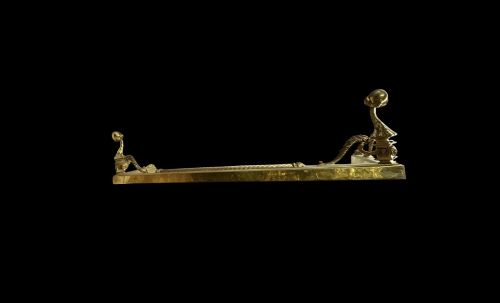
- A low metal guard placed around the hearth to contain coals and sparks. They often feature adjustable widths and decorative pierced brass plates.
- Club fender
- A low-seat hearth fender upholstered in materials such as leather. It provides a comfortable seat close to the fire.
- Nursery fender
- A tall protective guard designed to keep children safely away from open flames. Some include an integrated clothes rail for warming garments.
- Curb
- The border or barrier forming the perimeter of the hearth fender. This part sits directly on the floor.
- Gilt bronze
- Metal cast in bronze and treated with a gold-coloured finish or gilding. This technique provides a bright, reflective surface often seen in French neoclassical pieces.
Hearth Guard Rail: Frequently Asked Questions
What is a hearth guard rail used for?
These items create a physical barrier around an open fireplace to contain falling embers and protect the room. They also serve as a defined boundary that organises the fireside space.
Many styles additionally function as seating or incorporate rails for warming textiles near the heat.
How do I measure for a fender?
Measure the width and depth of your hearth stone to ensure the metal frame fits comfortably within the space. Take into account any protruding hearth tiles or surrounding woodwork.
Adjustable models offer flexibility if your hearth dimensions fall between standard sizes.
How do I date a brass fender?
Dating relies on stylistic clues, construction methods, and the weight of the metal. Victorian pieces often display heavy cast brass and ornate pierced decoration, while Edwardian examples tend to be lighter.
Art Deco and later pieces introduce geometric lines and heavy iron or tan leather combinations.
Can these be used with modern fires?
These pieces suit both traditional open fires and modern hearth setups, provided the dimensions match your floor space. They add period character to contemporary living rooms.
Ensure proper clearance from heat sources if you use them with gas or electric hearth inserts.