







Hanging Oak Wall Mirror
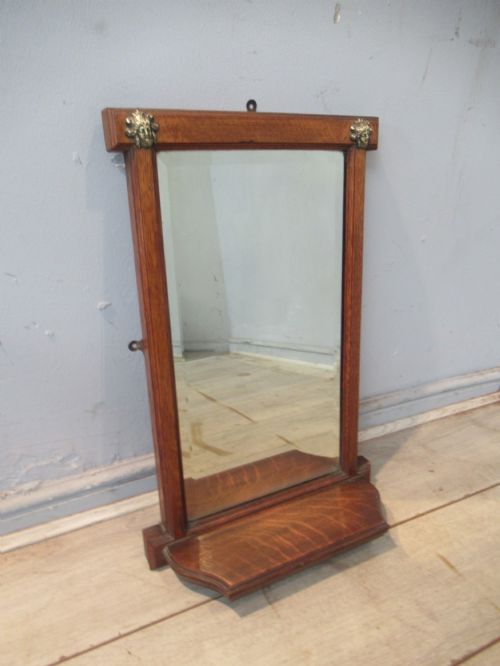
A hanging oak wall mirror brings solid timber grain and reflective depth to an entrance hall or living space.
Hanging Oak Wall Mirror
A hanging oak wall mirror is a domestic reflective furnishing mounted to a wall using sturdy timber framing. Buyers searching for a hanging oak wall mirror encounter pieces spanning the eighteenth, nineteenth, and early twentieth centuries, reflecting changing domestic fashions.
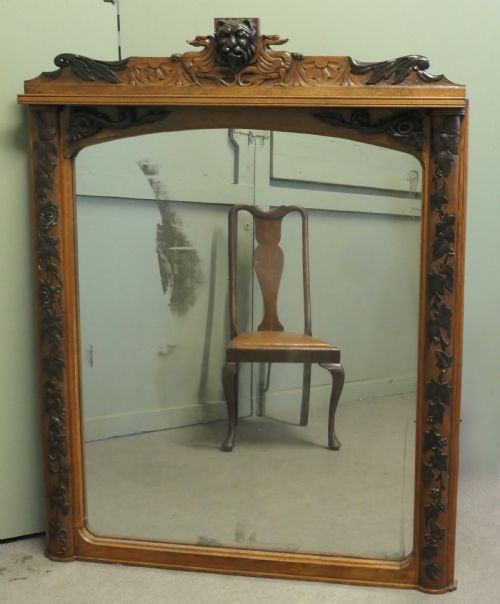
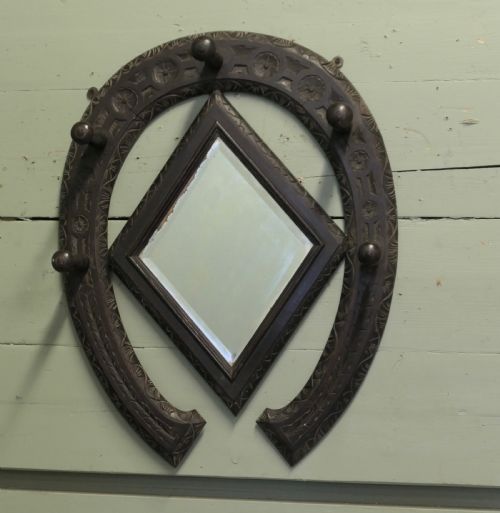
The most common examples on this page are straightforward Victorian and Edwardian iterations, alongside revival styles that emulate earlier historical eras. These objects range from simple, unadorned oval frames to heavily carved architectural designs incorporating shelves, hat pegs, or key cabinets.
Beyond standard domestic mirrors, the selection includes variants adapted for specific rooms, such as cloakrooms, bathrooms, and hallways. Many pieces integrate functional storage elements like brass hooks or small ledges alongside the central glass panel.
Materials and construction methods
The primary structural material across these listings is oak, utilised either in its natural dark state, scrubbed, or bleached to achieve different visual effects. Artisans selected this durable timber for its strong grain and structural stability, allowing for deep relief carving and secure jointing.
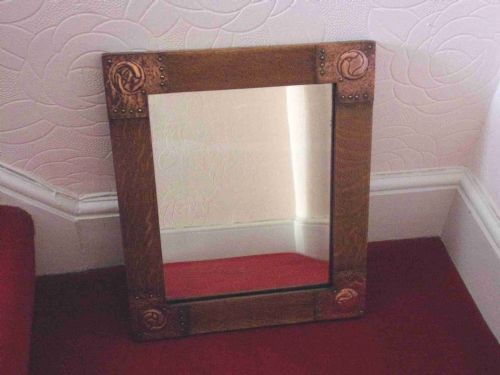
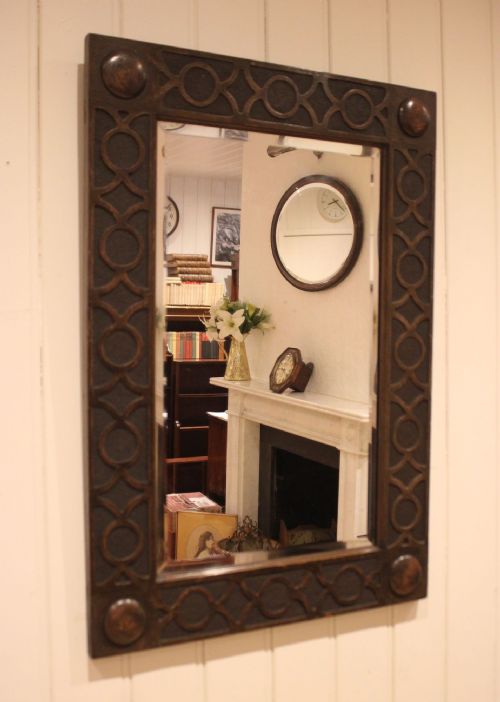
Secondary materials such as brass, copper, gesso, and gold leaf frequently appear as decorative accents or mounting hardware. Copper decorations with Celtic knot motifs and brass fittings complement the heavy wooden frames, while bevelled glass panels provide the central reflective surface.
Listings feature oak combined with brass, copper, gesso, and gold leaf across Victorian, Edwardian, and Art Deco periods.
Assessing quality and craftsmanship
Quality in these pieces rests upon the crispness of the timber carving and the integrity of the joinery. Superior examples display deeply chiselled ornamentation, such as egg and dart mouldings or bespoke Jacobean revival motifs, executed by skilled hands rather than cast in composition materials.
Waring and Gillow
The Hanging Oak Wall Mirror Glossary
- Bevel
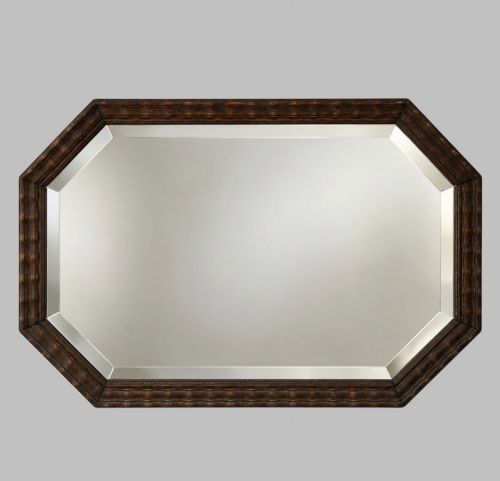
- An edge ground and polished to an angle smaller than ninety degrees around the perimeter of the glass plate. This technique catches light and adds depth to the reflection.
- Gesso
- A plaster-like material applied to wood surfaces to create a smooth base for gilding or painting. It allows intricate relief details to be formed prior to applying gold leaf.
- Fret cut
- A woodworking technique involving pierced or perforated patterns cut through thin timber using a fine saw. This method creates lightweight decorative screens or frame borders.
Hanging Oak Wall Mirror: Frequently Asked Questions
What periods do these oak mirrors represent?
The pieces span from the eighteenth century through the Victorian and Edwardian eras up to the early twentieth century. Many items embrace revival aesthetics, reinterpreting older Gothic, Jacobean, or French Rococo styles.
Later examples from the art deco period introduce cleaner geometric lines. Examining the construction methods and wood patina helps determine the exact era of manufacture.
Were these mirrors used only in hallways?
While many incorporate shelves, hat hooks, or key cabinets specifically for entrance halls and cloakrooms, others served domestic functions in bedrooms and dressing rooms. Tall dressing mirrors and shaving cabinets were standard bedroom fixtures.
Overmantel versions were designed to hang specifically above fireplaces in main reception rooms. Their proportions typically matched the width of the mantelpiece below.
How should I clean an antique oak frame?
Maintenance requires gentle dusting with a soft, dry cloth to protect the aged timber patina. Avoid modern liquid polishes containing silicone, which can build up within carved crevices over time.
Period wood benefits occasionally from microcrystalline wax to nourish the dry grain. Glass panels can be cleaned with a minimal amount of standard glass cleaner applied to a cloth rather than sprayed directly onto the frame.