

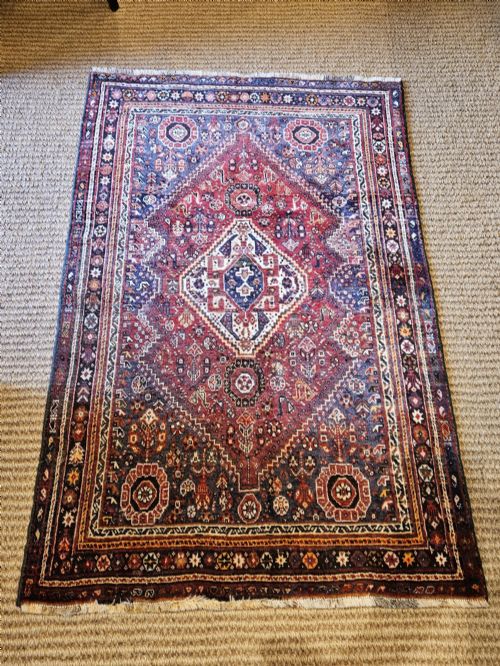
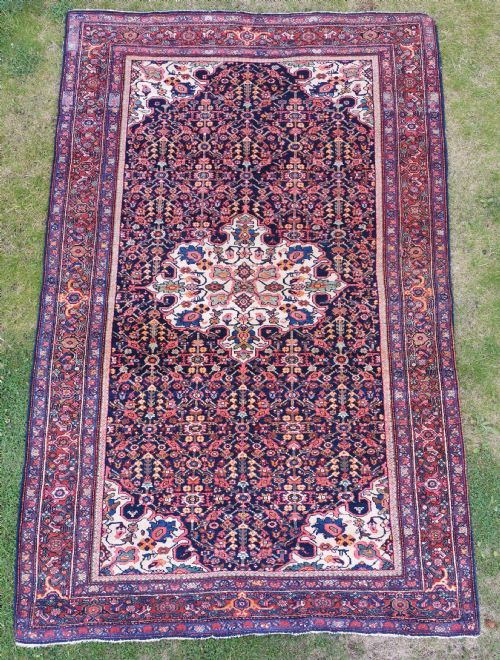
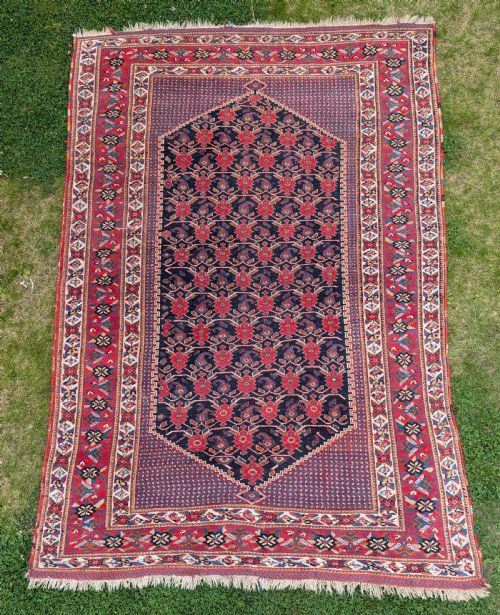
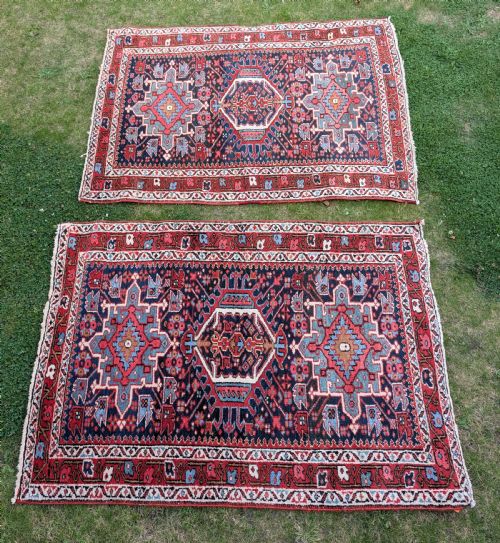
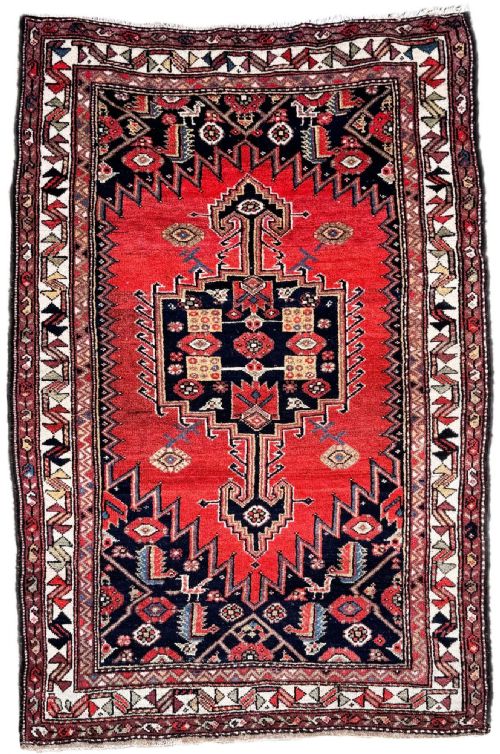
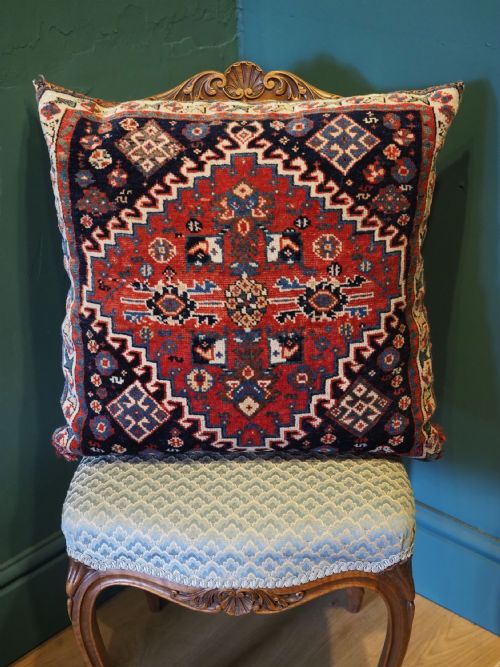
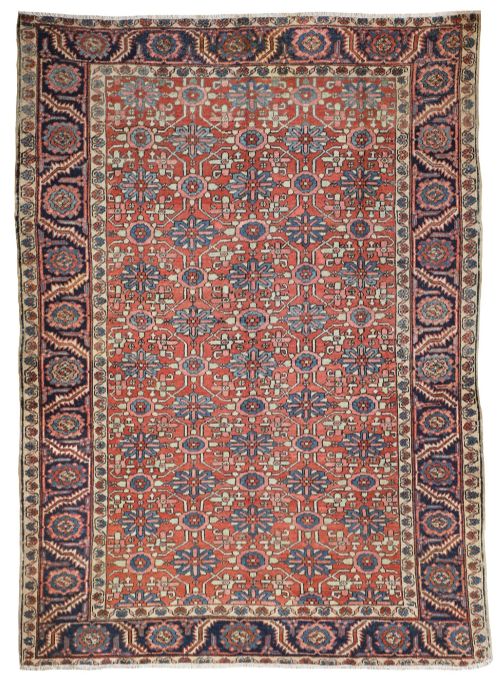
Handwoven Wool Persian Carpet
A handwoven wool persian carpet brings centuries of nomadic and village weaving tradition straight to your floor.
Handwoven Wool Persian Carpet
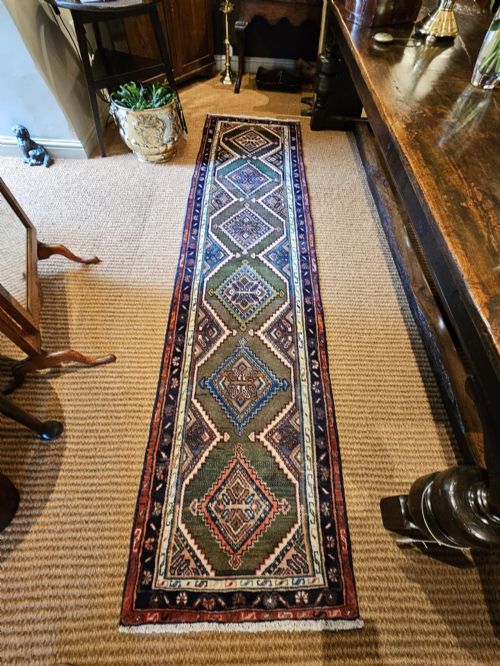
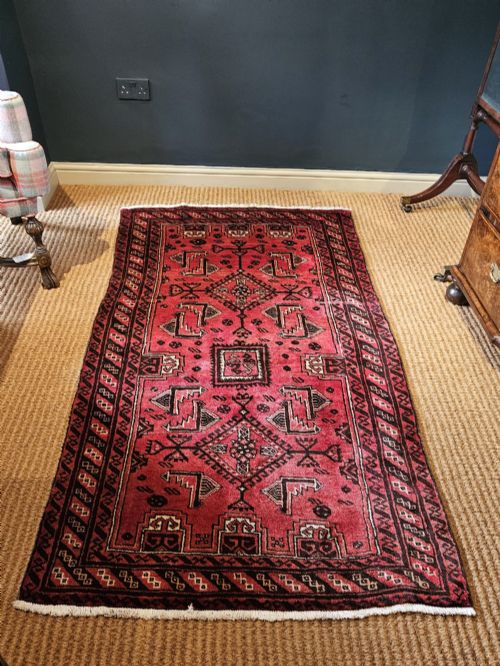
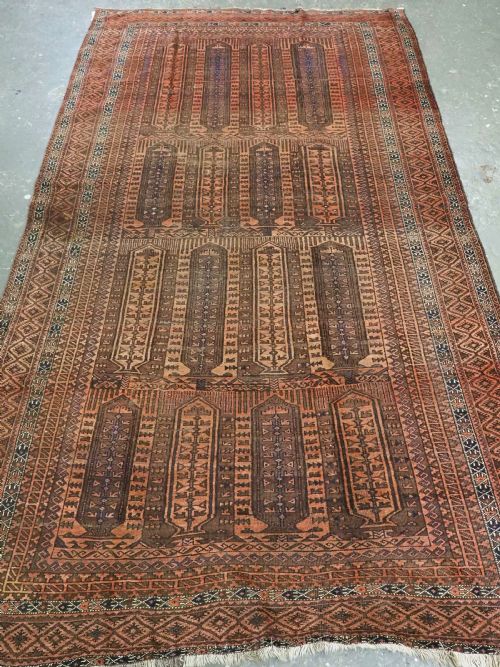
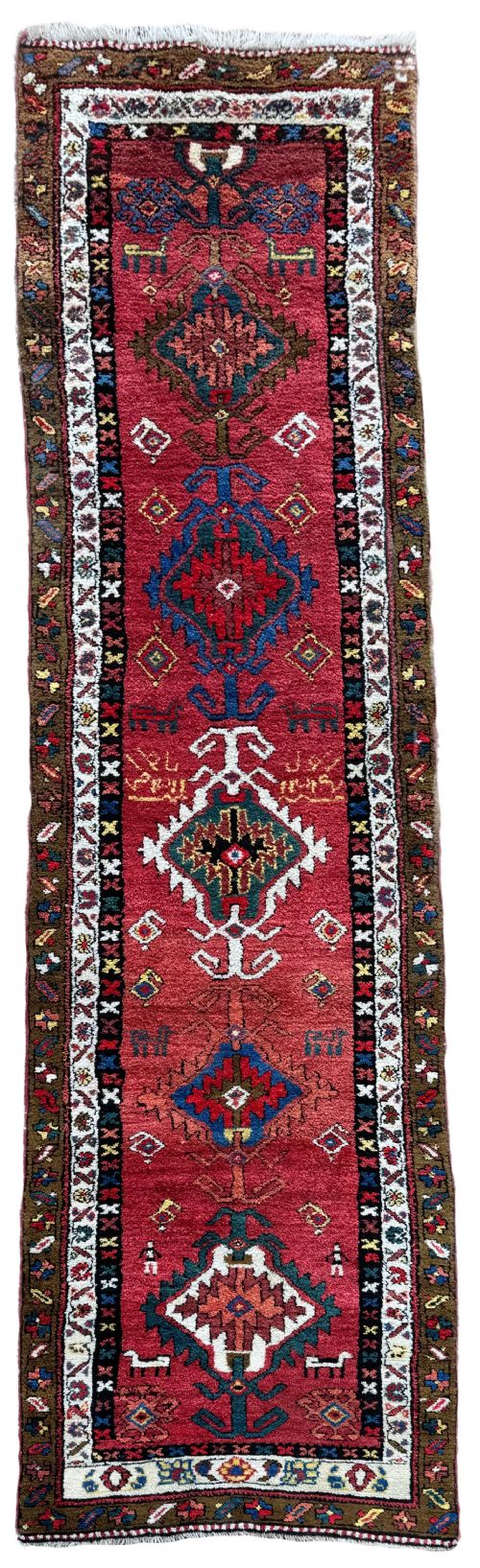
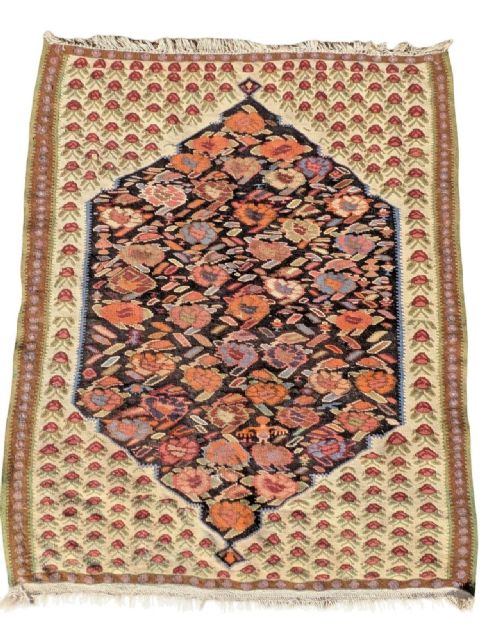
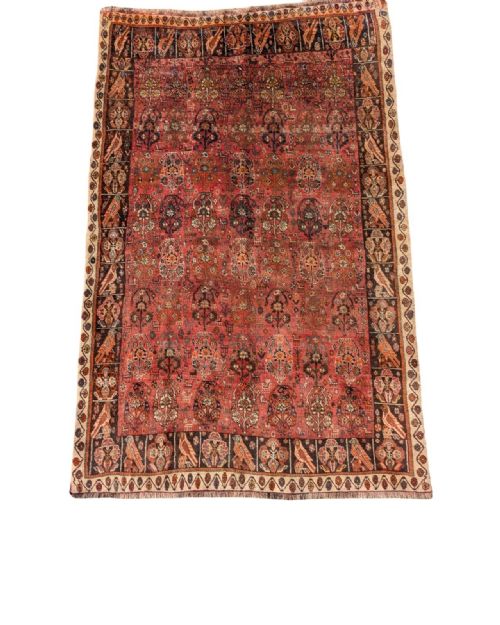
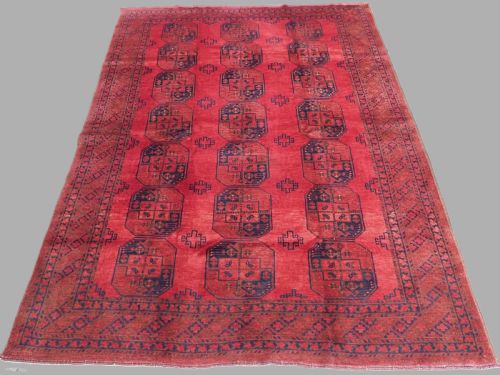
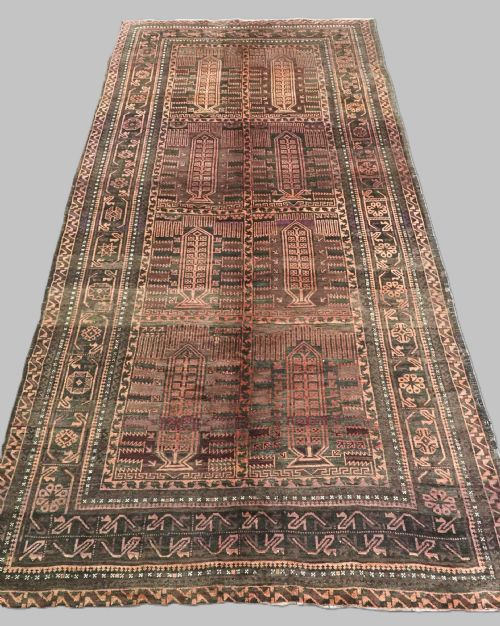
When searching for a handwoven wool persian carpet, buyers encounter a diverse selection of rugs, runners, and village carpets originating from traditional weaving centres and tribal regions. The pieces available span the late nineteenth century through to the mid-twentieth century, showcasing distinct regional patterns from Heriz, Hamadan, Qashqai, and Bidjar.
Most examples take the form of floor rugs and long runners, though smaller formats such as saddle bags, cushions, and prayer rugs also appear. These textiles reflect the specific tribal and village heritage of Persian and Afghan makers, offering varied formats from compact room sizes to grand carpets.
How they were made
These carpets are constructed using pure wool for the pile, set upon sturdy cotton or wool foundations. Artisans utilise natural dyes to achieve rich background colours such as warm red, rust, olive green, and ivory.
The handweaving process involves traditional knotting techniques executed on vertical or horizontal looms. This labour-intensive method creates dense, durable surfaces capable of withstanding generations of daily use.
Nomadic weavers occasionally embedded tiny stray animal hairs into the wool pile as a quiet signature of life around the loom.
What varies in quality
Quality in these textiles depends heavily on the tightness of the knotting and the resilience of the wool foundation. Finer weaves allow for sharper geometric or floral detailing in traditional designs.
The depth and permanence of the natural dyes also distinguish finer pieces, along with the structural integrity of the selvedges and ends. Wear and patina contribute character, but structural soundness remains central to the grade.
Heriz workshops·Afshar tribes·Qashqai weavers·Bidjar makers·Baluch artisans
The Handwoven Wool Persian Carpet Glossary
- Pile
- The upright yarn loops that form the usable surface of the carpet. This dense layer of wool absorbs foot traffic and displays the woven design.
- Kilim
- A flat-woven textile produced without a raised pile. These pieces often serve as lighter floor coverings or decorative wall hangings.
- Selvedge
- The reinforced side edges of a carpet formed by wrapping the outermost warp threads. Good selvedges protect the main body from fraying.
- Warp
- The vertical foundation threads stretched tightly on the loom before weaving begins. The horizontalweft threads intersect with these to secure the knots.
- Prayer rug
- A small format rug featuring a mihrab or niche design, traditionally used for personal devotion. These pieces often display specific directional motifs.
Handwoven Wool Persian Carpet: Frequently Asked Questions
How do I clean an antique wool rug?
Vacuum gently without using a rotating brush bar to remove loose dust and grit without pulling the wool fibres. Professional immersion washing is recommended for deeper cleaning to protect natural dyes.
Avoid harsh chemical cleaners and excessive water saturation, which can damage the foundation yarns. Regular shaking outside helps dislodge trapped particles safely.
Where should I place a long runner?
Runners suit narrow hallways, corridors, and high-traffic entryways where traditional rectangular carpets do not fit. They also work effectively alongside a bed or in galley kitchens.
Use a quality underlay beneath the runner to prevent slipping and reduce friction against hard floors. This simple step extends the lifespan of the woven foundation.
How do I identify village and tribal carpets?
Village and tribal pieces often display geometric medallions, stylised animals, and asymmetrical motifs rather than court-designed floral symmetry. Artisans wove these from memory or local tradition rather than strict paper cartoons.
Regional colour palettes and specific weaving structures help attribute pieces to groups such as the Qashqai, Baluch, or Heriz communities. Examining the back of the rug reveals knot density and structural quirks.
Can I use these rugs in modern interiors?
These carpets provide warmth, texture, and grounded colour schemes that complement contemporary minimalist or maximalist living spaces alike. Their enduring patterns bridge historical craftsmanship with modern home design.
Pairing an antique runner or rug with neutral furnishings allows the natural dyes and traditional motifs to stand out as focal points.