



Handwoven Wool Carpet Persia
These handwoven wool carpet persia pieces are authentic tribal and village floor coverings carrying generations of nomadic skill.
Handwoven Wool Carpet Persia
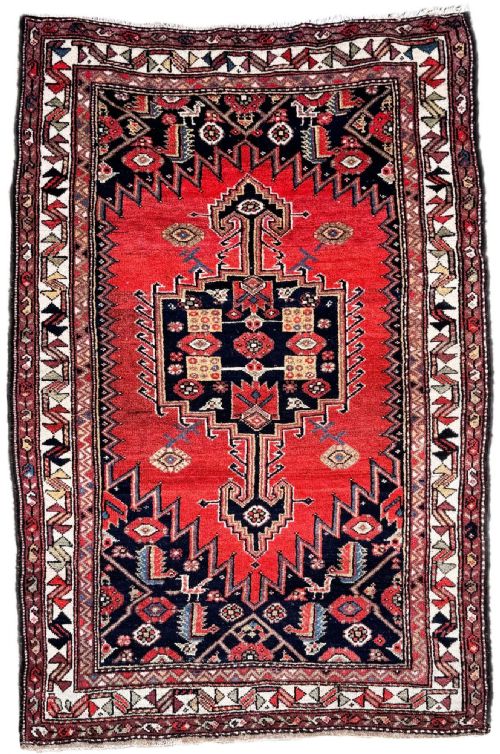
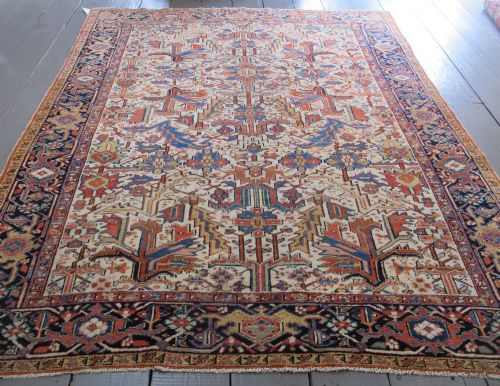
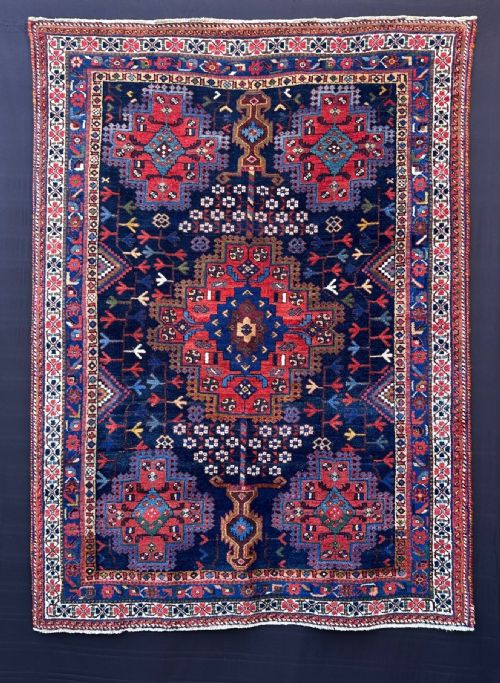
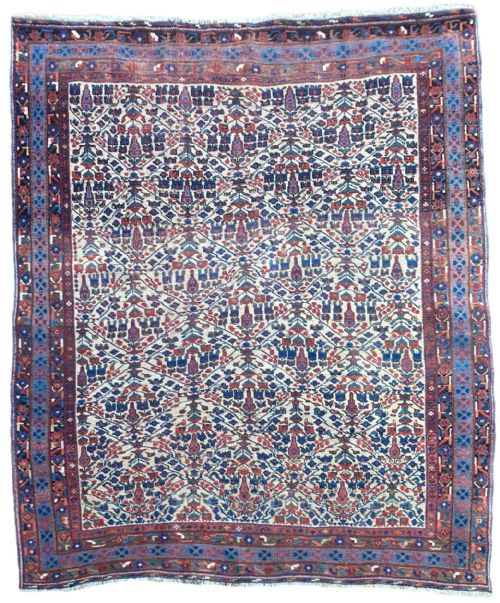
A handwoven wool carpet persia selection brings together nomadic tribal pieces and village workshops originating across nineteenth and early twentieth century Persia. Buyers encounter diverse regional expressions, from the geometric medallions of Heriz to the finely detailed fields of Tabriz and Kashan.
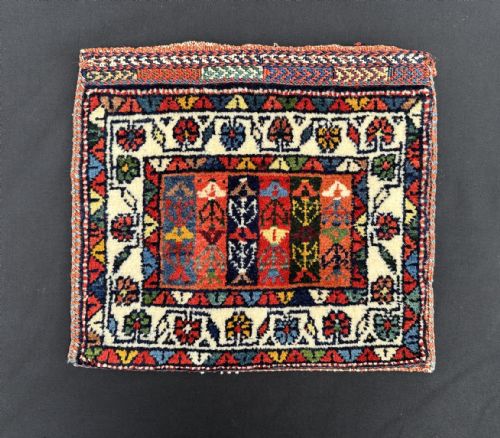
Most examples on this page hail from distinct tribal confederations and provinces, including Afshar, Qashqai, Bakhtiari, and Hamadan. These floor coverings range from compact saddle-bags and runner formats to room-sized carpets woven on traditional vertical or horizontal looms.
Materials and construction methods
Weavers relied primarily on locally sheared wool for the pile, frequently paired with cotton foundations for warp and weft threads, while occasional pieces incorporated camel hair for natural tone and durability. Natural dyes derived from plants and minerals provided the rich palette that deepens with age.
Every piece is hand-knotted or flatwoven, utilising traditional techniques passed down through generations within specific tribal groups and village communities. The tension of the weave and the density of the knots dictate the structural integrity of each textile.
The listings span pieces dated from the late nineteenth century through the 1930s, constructed predominantly from hand-spun wool and cotton.
Distinguishing quality across the range
The finesse of a handwoven wool carpet persia depends heavily on knot density, precision of the geometric or floral layout, and the clarity of the natural dye palette. Superior examples display exceptional balance in their proportions and a supple handle resulting from well-prepared wool.
The integrity of the original edges, or selvedges, along with minimal restoration to the pile, elevates a piece within its category. Consistency in spinning and saturation differentiates standard village output from master-weaver workshop production.
The Handwoven Wool Carpet Persia Glossary
- Warp
- The stationary vertical threads stretched onto the loom before weaving begins, forming the foundation edges.
- Weft
- The horizontal threads passed alternately over and under the warp threads to secure the rows of knots.
- Boteh
- A traditional almond-shaped motif with a curved upper end, frequently symbolising life and eternity in Persian weaving.
- Kilim
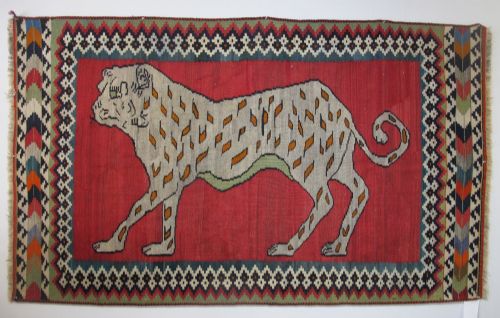
- A flatwoven textile produced without a pile, often used for utilitarian covers, sofrehs, or floor rugs.
- Selvedge
- The reinforced finishing border along the lengthwise edges of a carpet that prevents fraying.
Handwoven Wool Carpet Persia: Frequently Asked Questions
How do I clean an old Persian rug?
Gentle surface brushing and professional specialist washing preserve the natural wool fibres without stripping the historic dyes.
Avoid aggressive chemical treatments and excessive water immersion which can weaken the traditional cotton foundation threads.
Are these rugs suitable for high traffic areas?
Durable wool construction and sturdy knotting allow many of these historic floor coverings to withstand everyday domestic use.
Placing a quality underlay beneath the textile prevents slippage and cushions the fibres against premature wear on hard floors.
How can I identify tribal pieces from village weaves?
Nomadic tribal rugs typically feature memory-driven geometric patterns, asymmetric layouts, and vibrant saturated colour combinations.
Village and city workshops often produce more formal, symmetrical medallion designs with precise floral drawing and finer knot counts.
What does a sof-reh indicate in Persian textiles?
A sofreh functioned primarily as a spread or cloth used during communal dining or dough preparation within nomadic households.
These flatwoven or piled pieces carry deep cultural symbolism and distinct tribal markers unique to their makers.