

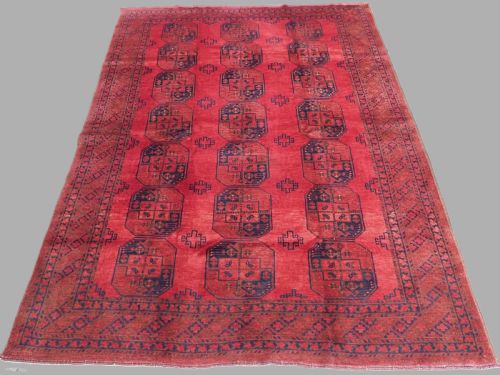
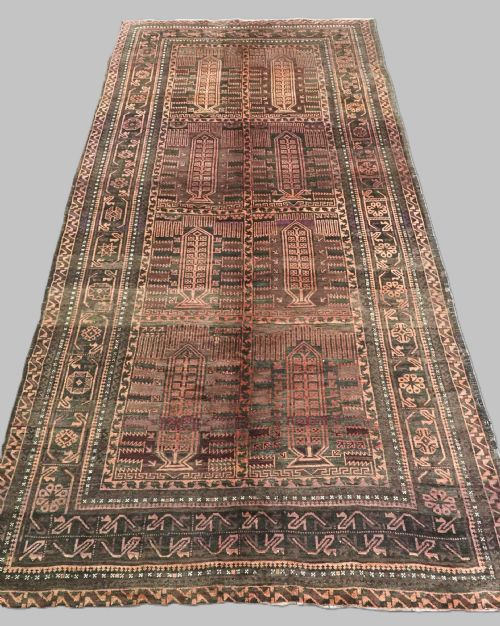
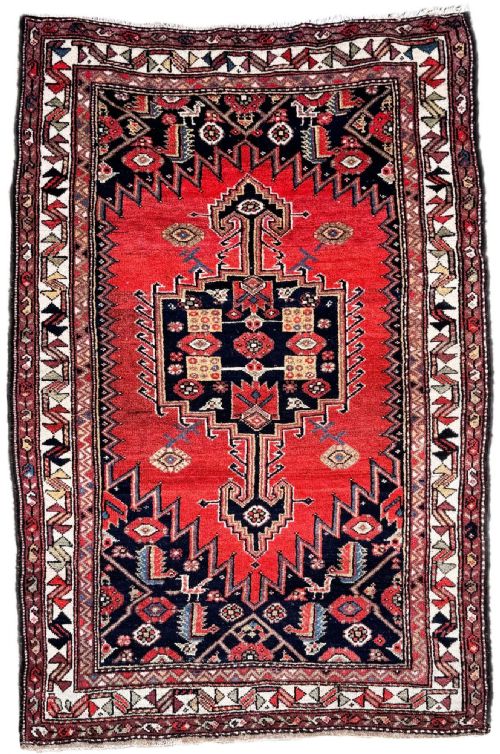
Handwoven Tribal Rug
When you search for a handwoven tribal rug, you are looking at centuries of nomadic craftsmanship expressed through dense wool and striking geometric motifs.
Handwoven Tribal Rug
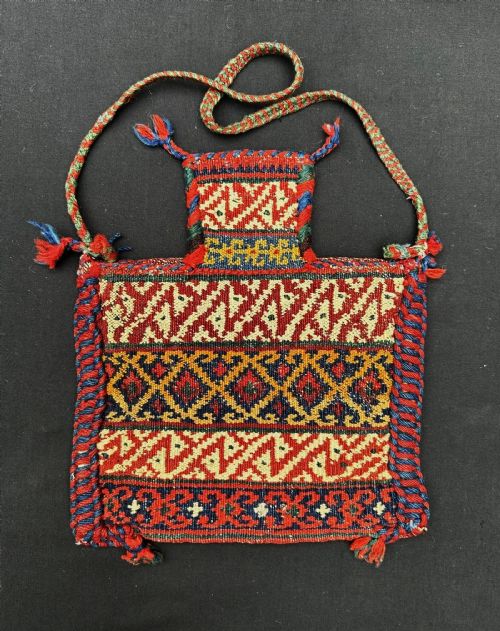
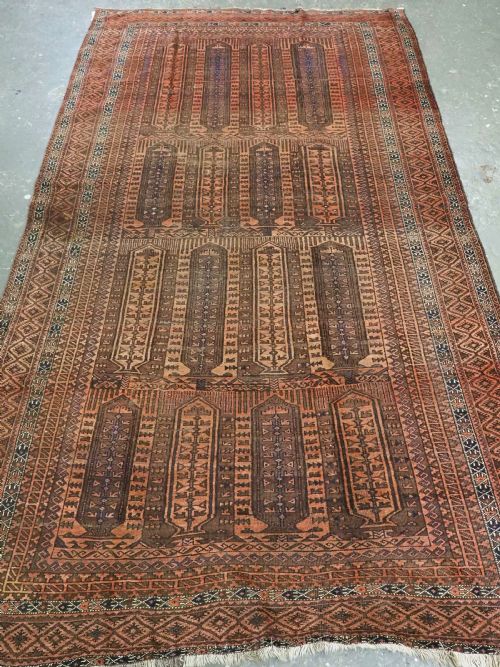
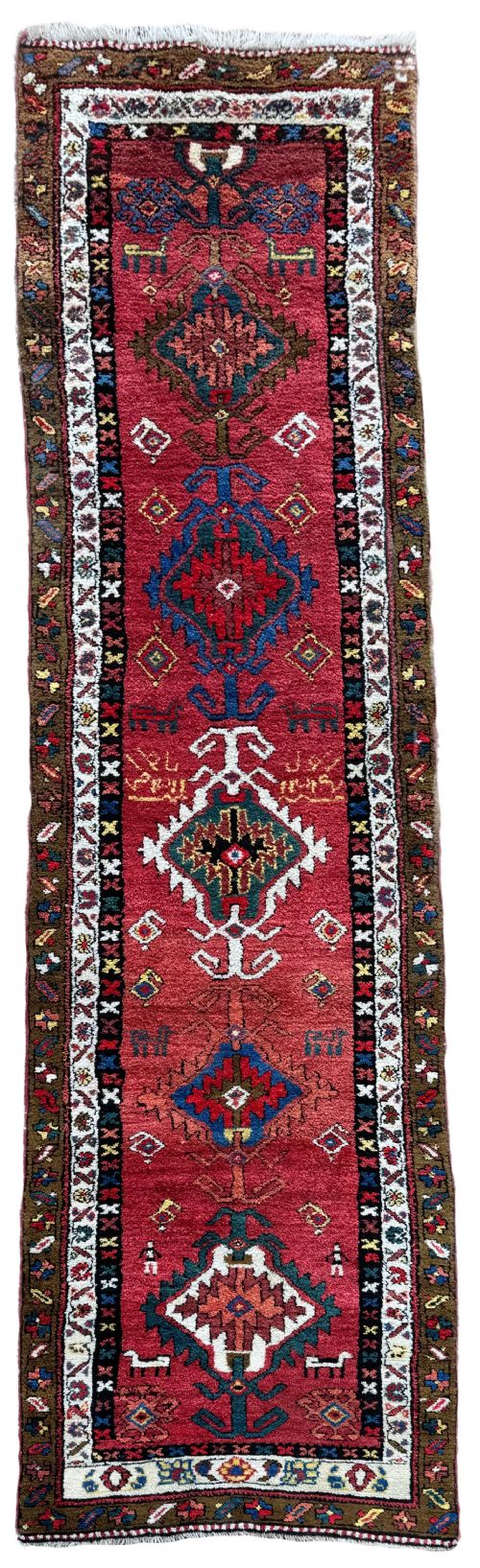
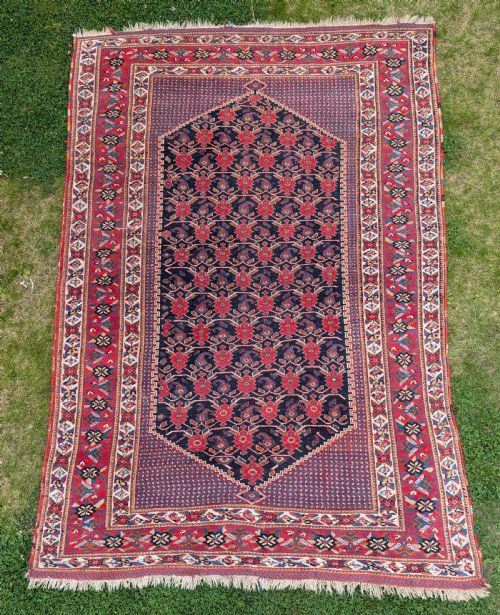
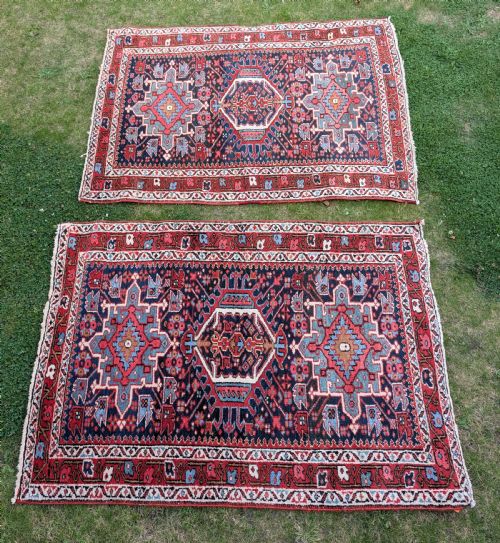
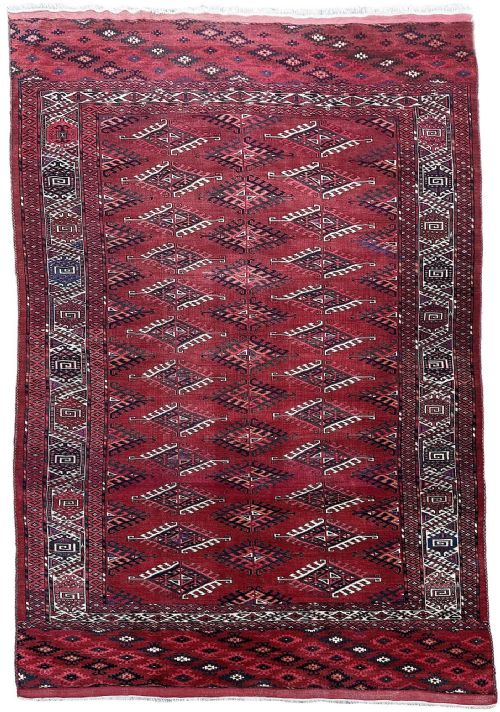
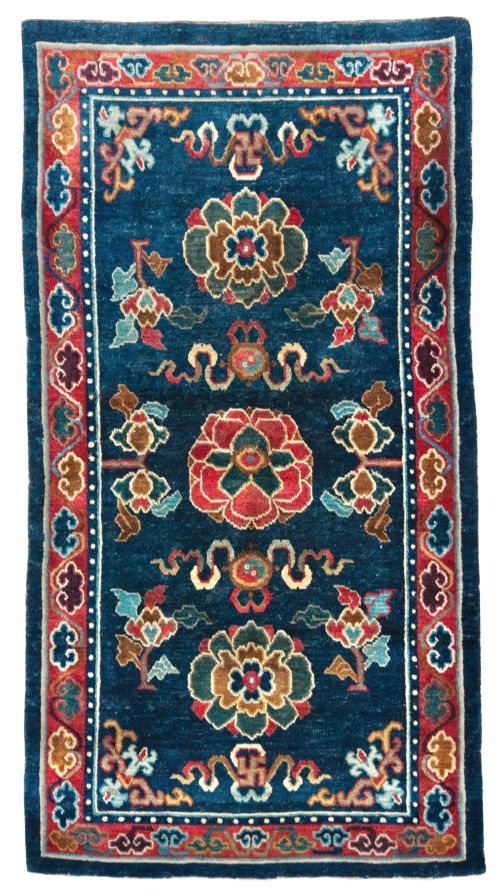
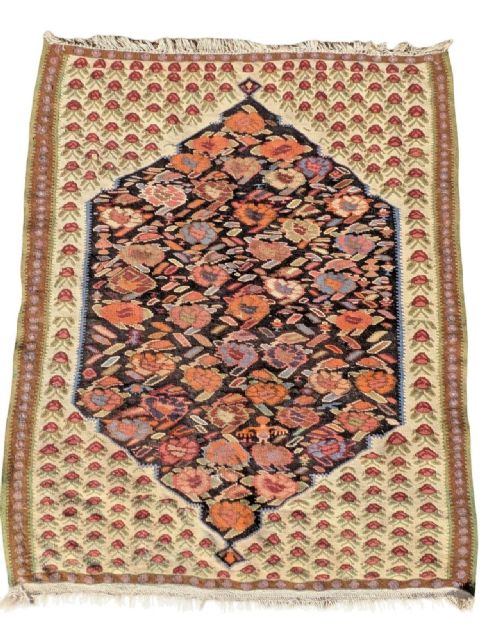
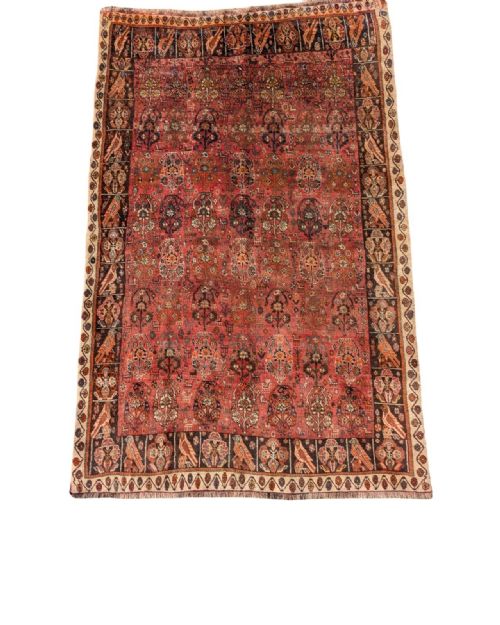
A handwoven tribal rug represents the utilitarian art of nomadic and village weavers, created for domestic use, ceremonies, or transport rather than commercial export. These textiles often take the form of floor coverings, runners, saddle bags, and storage pouches produced across Persia, Afghanistan, the Caucasus, and Turkmenistan.
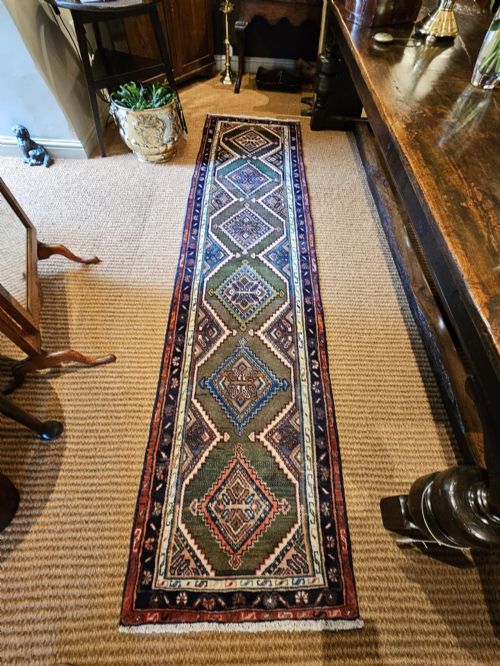
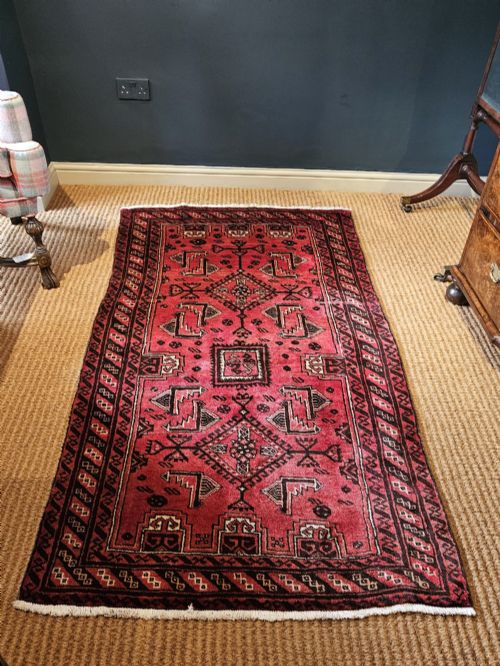
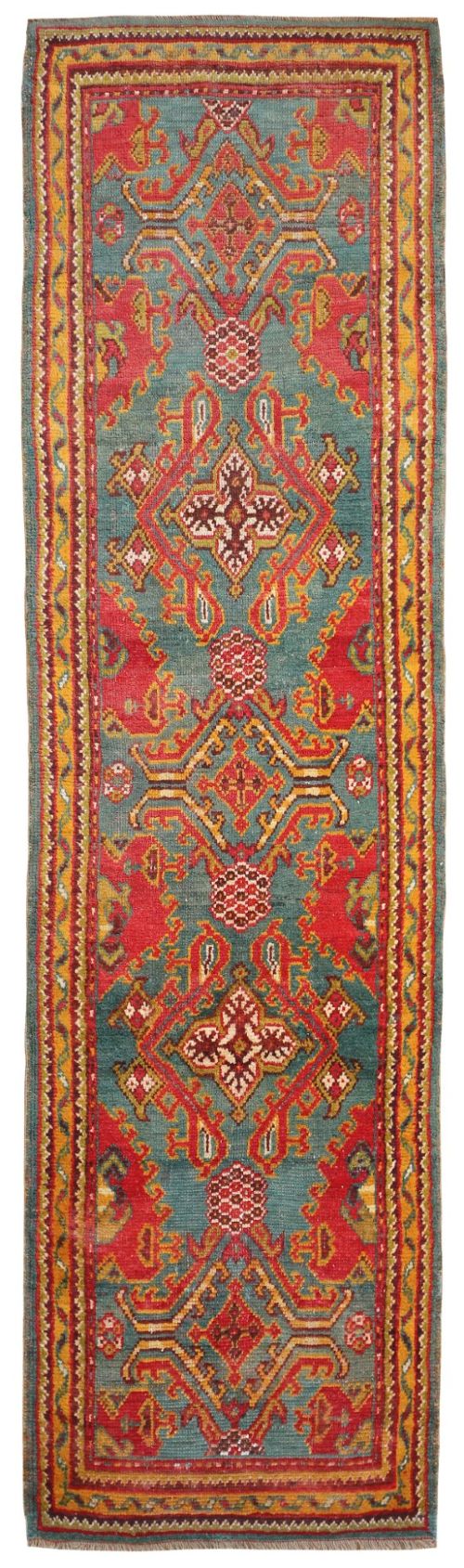
On this page, the most frequent items you will encounter date from the late nineteenth century through to the early decades of the twentieth century. Examples range from room-sized carpets and long corridor runners down to small utilitarian bags and cushions created by specific groups like the Baluch, Afshar, and Qashqai.
The regional styles visible in these pieces reflect distinct tribal traditions, incorporating specific medallion structures, repeat motifs, and field colours. Whether you examine an Anatolian runner or a Turkmen carpet, each piece carries the distinct design vocabulary of its maker's homeland.
Materials and construction
The foundation of these textiles relies heavily on sheep's wool, frequently hand-spun to produce resilient yarn with variable thickness and natural lanolin content. Cotton also appears in many foundations and supplementary details, providing structural stability to the denser pile weaves.
Colour comes from natural dyes, which yield shifting tones across the surface of the wool over time. Artisans also incorporated alternative materials such as cactus silk and glass beads within specific regional formats like Moroccan kilims and utilitarian bags.
Handwoven Tribal Rug Retail Price Guide 2026
Typical asking prices for handwoven tribal rug among the pieces listed under this phrase on Sellingantiques today, from the lower quarter to the upper quarter. They describe what is for sale here now, not the wider market.
Listings feature pieces utilising pure wool, cotton, cactus silk, and natural dyes across several nineteenth and twentieth-century decades.
Distinctions in quality
Quality in these textiles rests upon the density of the weave, the precision of the knotting or flatweaving, and the integrity of the materials. Tighter construction and well-balanced proportions separate finer village and nomadic work from simpler utilitarian output.
The depth and nuance of the natural dye palette contribute significantly to a piece's visual success. Variations in tone, often called abrash, arise from batch dyeing, while superior execution maintains clarity in complex geometric or figurative motifs.
Afshar Nomads·Baluch Tribes·Yomut Tribes·Ersary Tribes
The Handwoven Tribal Rug Glossary
- Kilim
- A flatwoven textile produced without a pile, using interlocking weft techniques to create sharp geometric patterns. These pieces function as rugs, covers, and utilitarian hangings.
- Abrash
- Variations of colour within a single field of tone caused by different dye batches or hand-spun wool acceptance. This phenomenon adds visible depth to older tribal textiles.
- Knot
- The individual loops of wool tied around warp threads to form the pile of a carpet. Different tribal groups utilised specific knot types.
- Warp
- The vertical threads stretched tightly on a loom that form the structural skeleton of the textile. Fringe is typically an extension of these same threads.
- Weft
- The horizontal threads passed back and forth over and under the warp threads to bind the knots in place. In flatweaves, the weft forms the entire visible pattern and surface.
Handwoven Tribal Rug: Frequently Asked Questions
How do I clean an old wool rug?
Regular gentle vacuuming without a rotating beater bar removes surface dust and loose grit effectively. Professional specialist cleaning remains necessary for deeper washing to protect the natural wool and dyes.
Avoid harsh chemical detergents and excessive water immersion, which can damage the organic fibres. Allowing air drying prevents shrinkage and preserves the structural integrity of the foundation.
What is the difference between a rug and a bag face?
Rugs and carpets were made primarily as floor coverings, blankets, or tent furnishings designed to be walked on or draped. Their scale suits larger domestic spaces and horizontal placement.
Bag faces and trapping pieces served practical nomadic functions for storage and transport during migration. Artisans often wove these smaller formats with particularly dense knotting and concentrated detail.
How can I tell the age of a piece?
Age assessment relies on observing material wear, the composition of the wool, and the characteristics of the natural dyes. Structure and palette changes often point towards nineteenth or early twentieth-century origins.
Certain design structures and regional attributions also align with specific historical manufacturing periods. Comparison with documented archival examples helps narrow down the production window.