






Handwoven Tekke Turkmen Rug
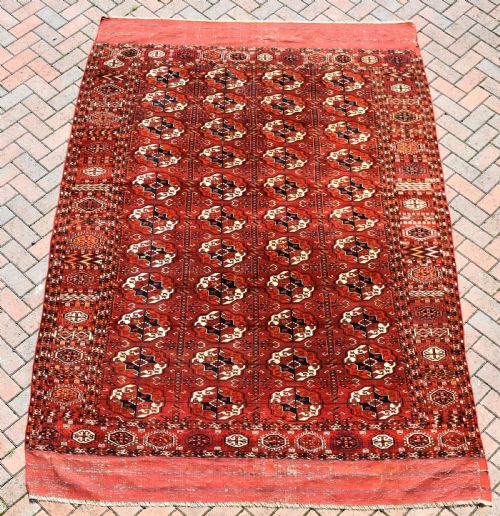
A handwoven tekke turkmen rug brings rich tribal history into a room through deep reds and precise geometric guls.
Handwoven Tekke Turkmen Rug
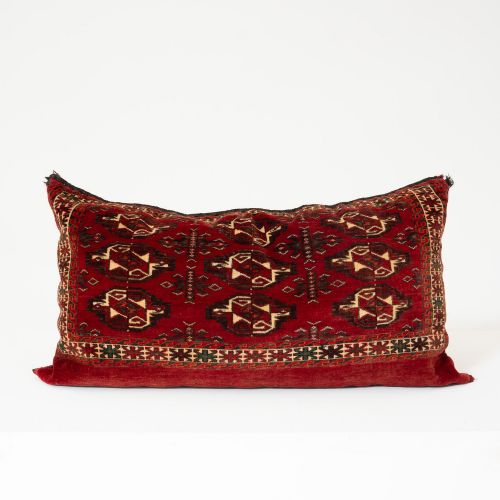
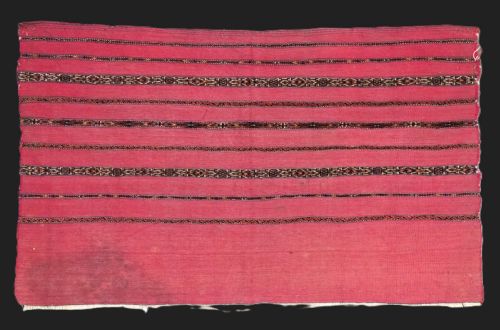
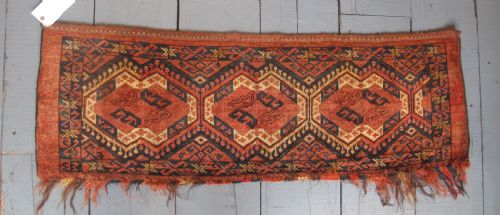
When you search for a handwoven tekke turkmen rug, you encounter tribal textiles originating from Central Asia, created by nomadic and settled weavers. These pieces frequently take the form of utilitarian bags, torbas, chuvals, and smaller carpets produced for dowries or daily nomadic life.
The most common examples on this page date from the latter half of the nineteenth century up to the early decades of the twentieth century. Alongside standard rugs, you will regularly find fragments, bag faces, and tent bands displaying the characteristic palette and motifs of the Tekke tribes.
Materials and construction
Makers utilised locally sourced wool for the pile and foundation, often incorporating cotton for supplementary structural elements or highlights. Natural dyes provided the distinctive red ground colours and contrasting secondary tones.
Weavers employed tight knotting techniques alongside flatweave methods such as cicim to produce durable textiles. Many surviving bag faces and rugs retain original plain weave backs or complete construction details from their nomadic context.
Handwoven Tekke Turkmen Rug Retail Price Guide 2026
Typical asking prices for handwoven tekke turkmen rug among the pieces listed under this phrase on Sellingantiques today, from the lower quarter to the upper quarter. They describe what is for sale here now, not the wider market.
Nomadic weavers created fifty-foot yurt bands to secure tent frames against Central Asian winds.
Assessing quality
The fineness of the weave distinguishes the most accomplished dowry pieces and carpet formats from standard utilitarian tent furnishings. Higher knot density allows for crisper definition within intricate gul patterns and minor border motifs.
Depth and saturation of natural dye colours, together with the integrity of the wool pile, separate superior examples from heavier, commercial grades. The precision of the geometric layout reflects the weaver's skill and adherence to traditional tribal design.
The Handwoven Tekke Turkmen Rug Glossary
- Gul
- The primary repeating octagonal medallion motif found across Turkmen weaving traditions. Different tribes utilised distinct gul variations to signify lineage and origin.
- Chuval
- A large tent storage bag traditionally used by nomadic families for household goods and bedding. Surviving examples often appear as front panels separated from their original plain weave backs.
- Torba
- A smaller storage bag format produced by tribal weavers for domestic utility or dowry purposes. These pieces frequently display carefully structured border arrangements and central guls.
- Cicim
- A supplementary weft-float technique used on flatweave textiles and kilims to create raised geometric patterns. This method adds texture and decorative detail to nomadic bag faces and bands.
- Palas
- A flatwoven rug or utility textile produced without a raised pile. These un-piled pieces showcase the foundational weave structure and geometric patterning clearly.
Handwoven Tekke Turkmen Rug: Frequently Asked Questions
What is a gul on these rugs?
A gul is the repeating octagonal medallion motif that forms the primary visual structure of Turkmen carpets and torbas. Each design corresponds to specific tribal lineages and traditions.
Weavers arranged these motifs in precise rows across the field, surrounded by secondary guls and elaborate border systems.
How were these tribal bags used?
Nomadic families utilised chuvals and torbas inside felt tents for storing bedding, clothing, and household possessions. They hung against the lattice walls or stacked upon camels during migration.
Many surviving pieces are now displayed as wall hangings or small floor rugs after being separated from their original plain weave backs.
Are these pieces made with natural dyes?
Traditional examples rely on natural dye sources to achieve deep madder reds, browns, and secondary ivory or dark blue tones. These colourants yield rich variations in shade across the wool pile.
Over decades of age, natural dyed wool develops a mellow patina that distinguishes nineteenth-century tribal weaving.
How do I care for an old rug?
Keep the textile out of direct sunlight to prevent fading of the natural dye colours in the wool pile. Regular gentle vacuuming without a rotating brush roll helps remove embedded dust.
Allow adequate ventilation beneath the piece and consult a specialist in antique textiles for professional cleaning when necessary.