





Handwoven Silk Wall Hanging
A handwoven silk wall hanging brings rich colour and pattern into a room through textiles made in Central Asia, Morocco and Flanders.
Handwoven Silk Wall Hanging
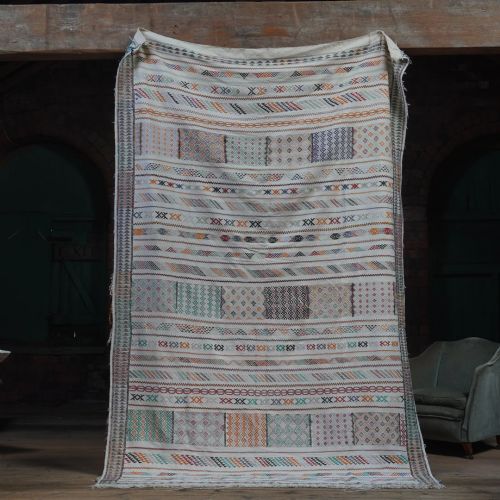
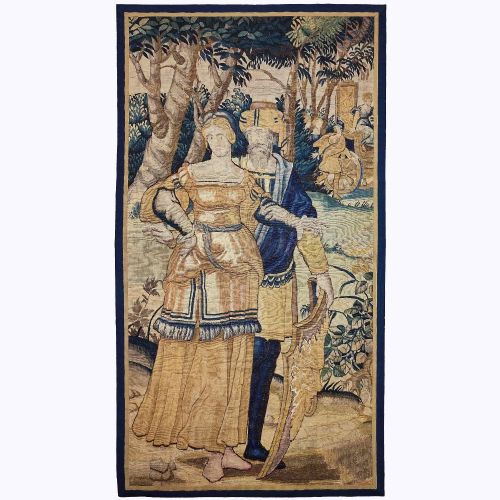
When you search for a handwoven silk wall hanging, you encounter a diverse group of textile panels, rugs and historic tapestries. These works range from early Flemish Renaissance panels to 19th century Central Asian ikat fabric panels and traditional Moroccan kilims.
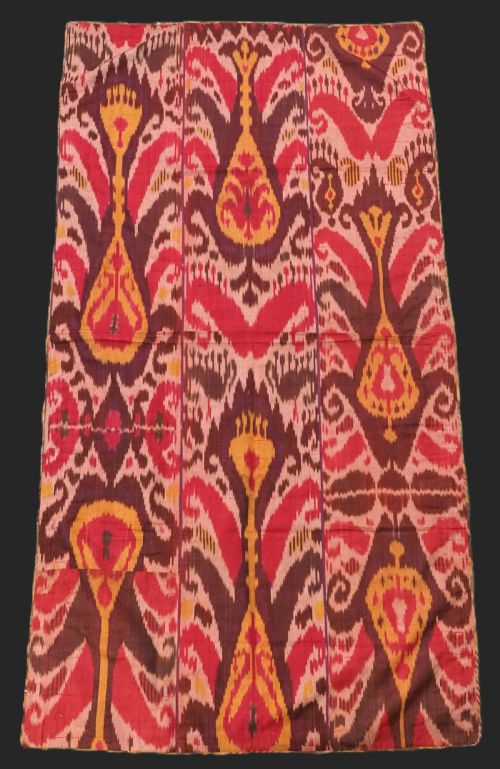
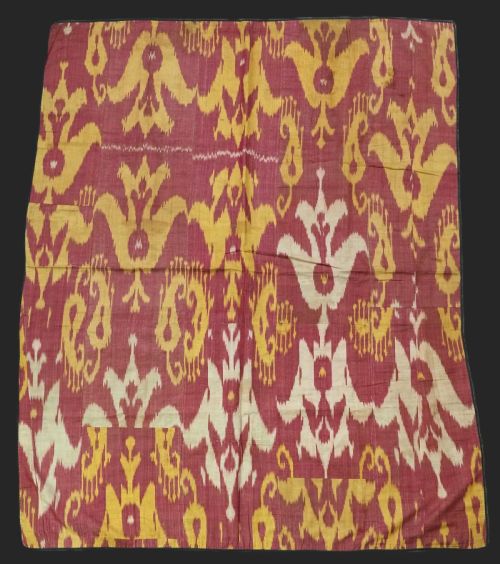
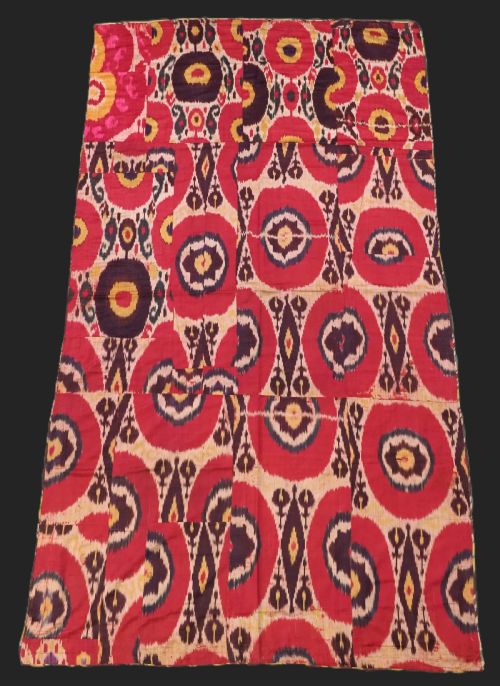
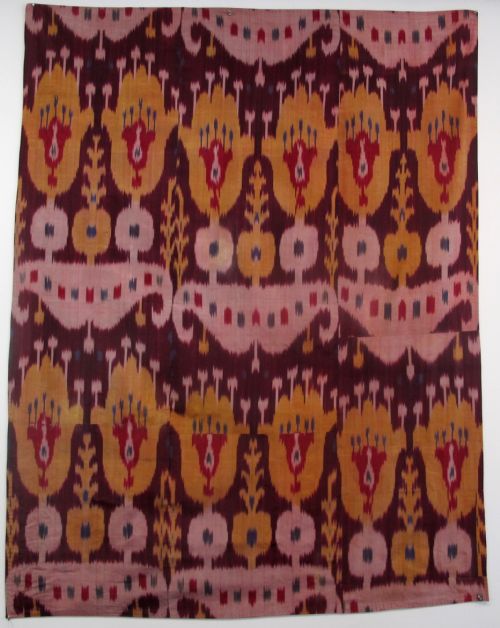
The version you are most likely to meet on this page is a Central Asian silk or semi-silk ikat panel from the late 19th century or around 1900. These vibrant panels originate from regions such as Bukhara and Samarkand, often displaying bold designs created through resist-dyeing.
Other variations include embroidered suzanis on a red ground, quilted gentleman's coats known as khalats or chapans, and Turkmen chuval faces incorporating white cotton and crimson silk. European production is represented by Flemish tapestries dating back to the 16th century, alongside Moroccan kilim rugs woven from cactus silk or sabra fibre.
How they were made
The construction of these textiles relies primarily on natural fibres such as silk, cotton, wool, cactus silk and sabra fibre. Artisans wove these materials together, sometimes combining silk and cotton to form semi-silk adras fabrics used in ikat panels and traditional coats.
Central Asian ikat pieces employ a complex resist-dyeing technique on the threads before weaving, producing characteristic blurred edges along the pattern lines. Other items utilise embroidery, such as the floral designs found on red ground suzanis, or quilting and padding techniques seen in winter garments.
European examples like the Flemish tapestry panel involve specialised weaving methods on traditional looms to form pictorial scenes. Moroccan and Turkmen pieces demonstrate distinct regional weaving traditions, incorporating materials like white cotton and crimson silk into tribal faces and flatweave rugs.
Handwoven Silk Wall Hanging Retail Price Guide 2026
Typical asking prices for handwoven silk wall hanging among the pieces listed under this phrase on Sellingantiques today, from the lower quarter to the upper quarter. They describe what is for sale here now, not the wider market.
Materials recorded on this page include pure silk, cotton, wool, cactus silk and sabra fibre.
What varies in quality
The distinction between pieces often rests on the fineness of the weave and the complexity of the design execution. In ikat panels from Bukhara or Samarkand, greater precision in the resist-dyeing process results in sharper motifs and richer visual depth.
Material composition also plays a role in the distinction between items, such as the purity of the silk versus semi-silk adras blends or cotton foundations. The preservation of original fibres, vibrant natural dyes and structural integrity across centuries of age defines the upper tier of these textiles.
The Handwoven Silk Wall Hanging Glossary
- Ikat
- A dyeing and weaving technique where threads are resist-dyed before being set on the loom. This process creates the signature softened edges characteristic of Central Asian fabrics.
- Adras
- A traditional Central Asian fabric woven using a combination of silk and cotton yarns. It offers a slightly heavier texture than pure silk while maintaining a lustrous surface.
- Khalat
- A long, loose-fitting gentleman's coat worn across Central Asia, often fashioned from rich silk ikat textiles. Examples from regions like Bukhara and Samarkand display striking patterns.
- Chuval
- A large storage bag face produced by Turkmen tribes, featuring distinctive guls or medallion motifs. These panels combine materials such as white cotton and crimson silk.
- Tapisserie
- A form of textile art traditionally woven on a vertical loom to depict figurative or decorative scenes. Early European examples include Flemish Renaissance panels.
Handwoven Silk Wall Hanging: Frequently Asked Questions
How were ikat panels used originally?
In Central Asia, ikat fabrics served multiple domestic and personal purposes beyond wall decoration. They were tailored into garments such as gentleman's coats and robes, or utilised as furnishings within traditional homes.
Over time, many of these historic textiles transitioned into decorative wall hangings to preserve their intricate patterns and rich colour palettes.
What is a suzani textile?
A suzani is a type of embroidered textile panel traditionally made in Central Asia, often featuring bold floral designs set against a red ground. They were created by families as part of a bride's dowry and stitched using silk threads on a cotton or linen foundation.
Today, these embroidered panels are commonly displayed on walls to showcase their detailed needlework and regional artistry.
How do I care for an antique silk textile?
Antique silk wall hangings require gentle handling and protection from direct sunlight to prevent the natural fibres and dyes from fading. Mounting the textile professionally helps distribute its weight evenly without putting stress on the historic weave.
Keep the piece away from excessive moisture and dust by using gentle surface cleaning methods recommended for delicate historical textiles.
How can I tell the age of a textile?
Dating these pieces involves examining the materials, natural dye types, and regional weaving or embroidery techniques used in their construction. Pieces from the late 19th century or around 1900 often exhibit specific design layouts and semi-silk adras compositions characteristic of that era.
Earlier works, such as 16th century Flemish tapestries, display distinct European weaving styles and imagery that separate them clearly from Central Asian or Moroccan pieces.