




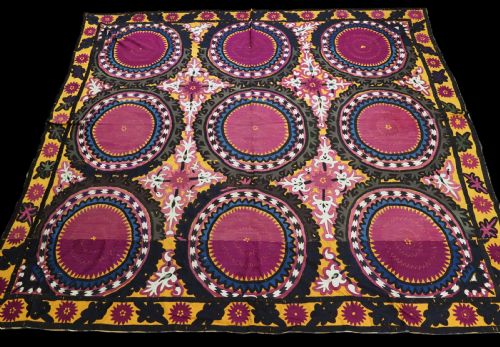


Yellow Silk Wall Hanging
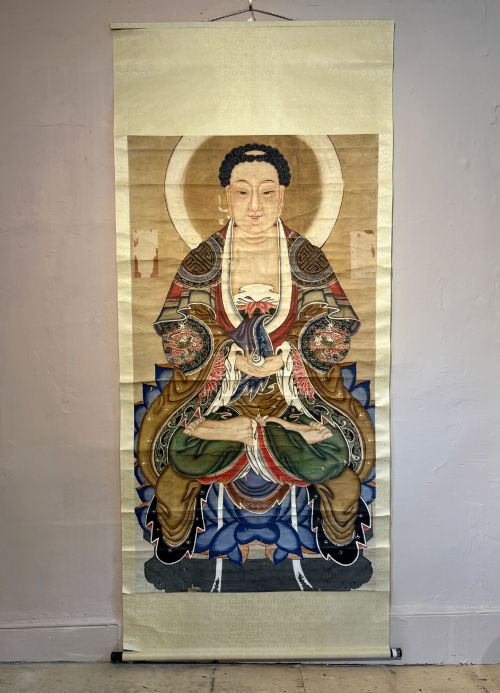
These yellow silk wall hanging pieces bring rich Central Asian embroidery and European tapestry into a room.
Yellow Silk Wall Hanging
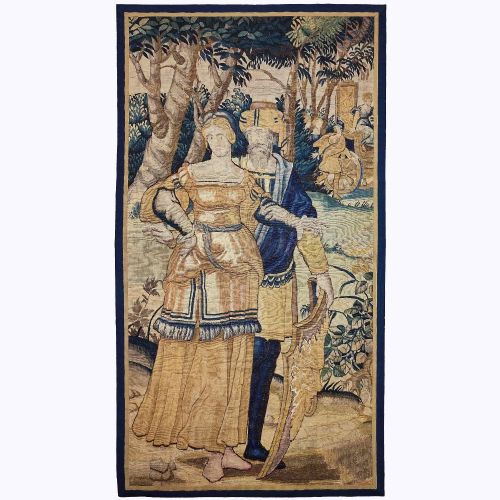
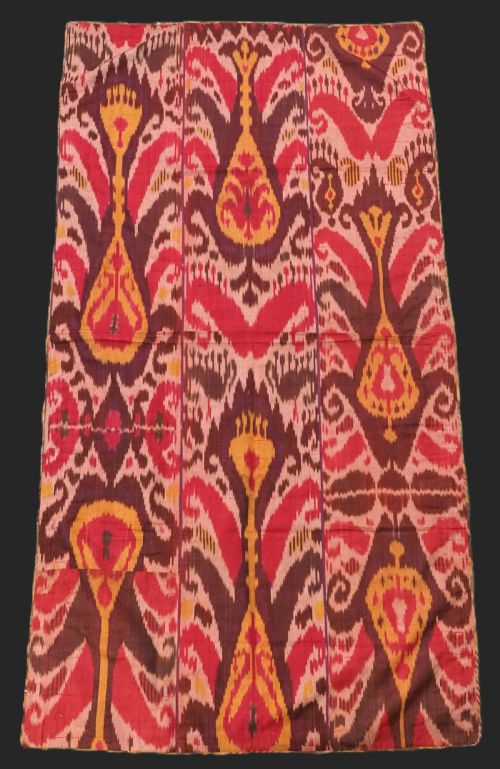
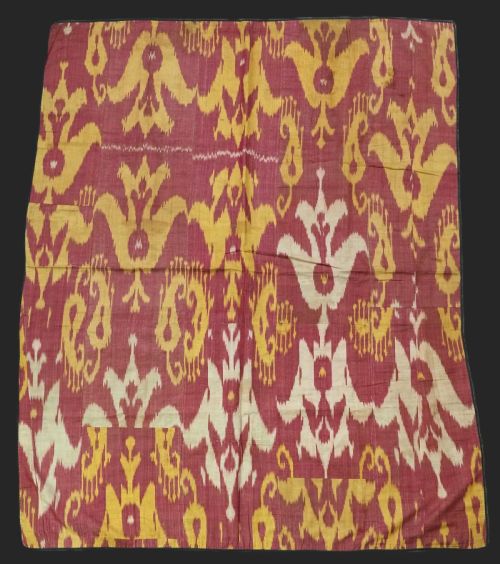
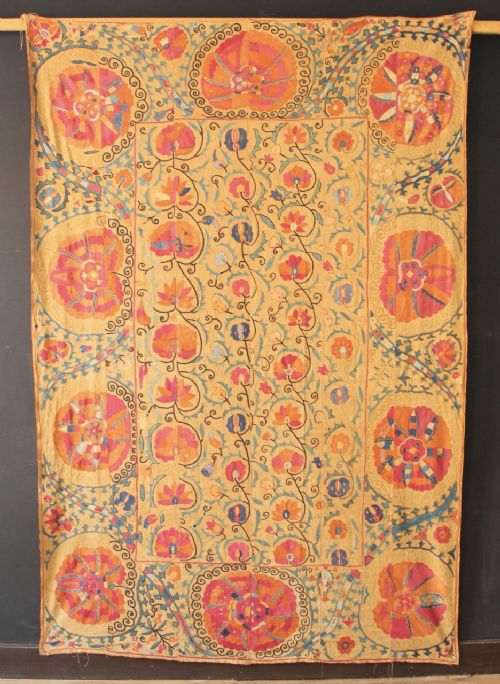
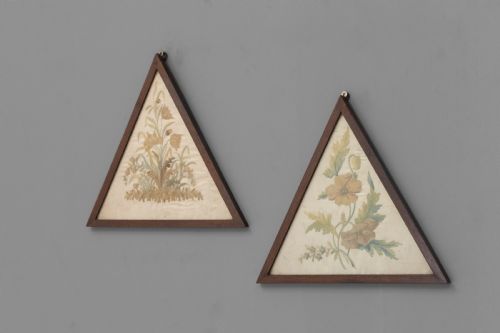
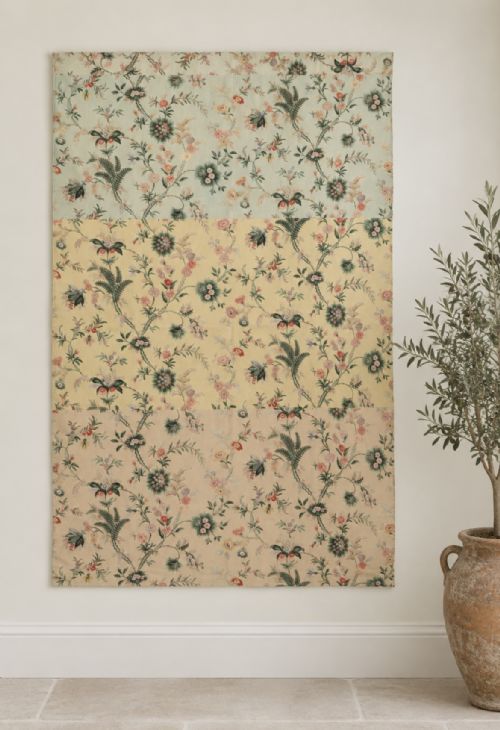
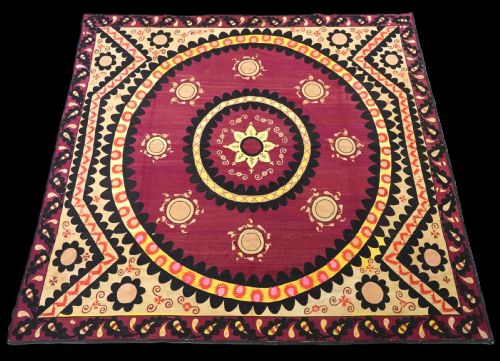
A yellow silk wall hanging usually takes the form of an Uzbek suzani, an ikat panel, or a European tapestry. Buyers seeking this phrase encounter embroidered cotton grounds worked in silk, alongside woven tapestries from Flemish workshops.
The material range spans Central Asian suzanis with silk embroidery on yellow cotton grounds to 16th and 17th century Flemish verdure panels. Many items originate from Bukhara, Samarkand, and Tashkent, while others represent English country house fabrics and textile panels.
How they were made
Maker communities combined silk, cotton, and wool, often mounting needlework onto supporting fabric grounds. Semi silk adras and ikat dyeing techniques created distinct blurred patterns before threads were worked by hand into complex prayer formats and medallion variants.
Tapestry panels utilised wool and silk threads woven on looms to build verdure scenes. Embroidery traditions relied on dense needlework applied directly to cotton foundations.
Yellow Silk Wall Hanging Retail Price Guide 2026
Typical asking prices for yellow silk wall hanging among the pieces listed under this phrase on Sellingantiques today, from the lower quarter to the upper quarter. They describe what is for sale here now, not the wider market.
Gentlemen in 19th century Samarkand walked around wrapped in silk ikat coats that now hang happily on modern living room walls.
What varies in quality
Density of embroidery and crispness of dye transfer distinguish finer examples from standard production. Full coverage on palak suzanis and precision in ikat resist dyeing indicate skilled workshop output.
The integrity of the ground fabric and the survival of original silk threads dictate the overall standard of preservation. Flemish tapestries depend on the depth of the wool weave and the complexity of the landscape design.
The Yellow Silk Wall Hanging Glossary
- Suzani
- An embroidered textile from Central Asia, typically featuring floral motifs on a cotton ground. These pieces were traditionally made as part of a bride's dowry.
- Ikat
- A dyeing technique where yarns are tie-dyed before weaving to create characteristic blurred pattern edges. Silk ikat panels display vibrant geometric and floral designs.
- Adras
- A traditional fabric woven with a silk warp and a cotton weft. This semi silk material provides a sturdy yet lustrous surface for garments and panels.
- Verdure tapestry
- A woven wall hanging depicting landscape, foliage, and trees. These Flemish works often incorporate subtle shades of green, blue, and earth tones.
- Khalat
- A traditional long coat worn in Central Asia. Tailored from silk ikat fabrics, these garments frequently enter the decorative market as collectible textiles.
Yellow Silk Wall Hanging: Frequently Asked Questions
How do I hang a suzani safely?
Mount the textile using a fabric sleeve stitched to the reverse, supporting the weight evenly across a wooden batten.
Avoid hanging pieces in direct sunlight to protect the silk embroidery and cotton grounds from fading.
Where were suzanis made?
Makers across Central Asian cities such as Bukhara, Samarkand, and Tashkent produced these embroidered textiles in home workshops.
Specific regional groups, including the Lakai tribe, also created distinctive dowry embroideries.
What is an ikat coat?
Known as a khalat, this garment is tailored from patterned silk ikat fabric with distinctive striped or feathered designs.
Collectors often display these coats flat as wall panels to showcase the vibrant dye work.