





Antique Central Asian Fabric
Antique central asian fabric brings rich patterns and historic textile traditions into modern spaces, offering vibrant silk ikats and embroidered suzanis to discerning collectors.
Antique Central Asian Fabric
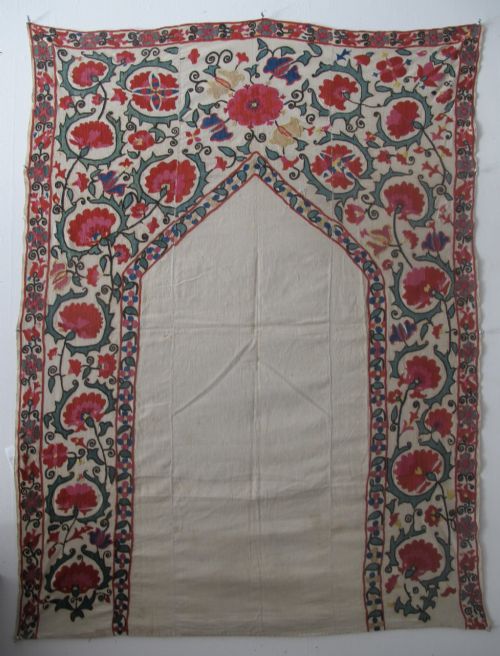
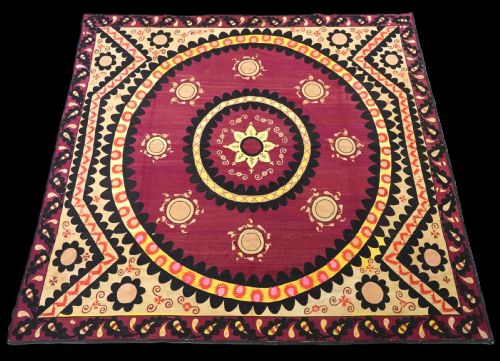
When you search for antique central asian fabric, you encounter a remarkable array of textiles originating from regions like Uzbekistan, taking forms such as wall hangings, tribal spindle bags, and large decorative panels.
The pieces most frequently met on this page date from the nineteenth century, specifically spanning the decades between eighteen fifty and nineteen hundred.
Makers created these works within distinct regional traditions, producing items like Bokhara suzanis with architectural designs, Nurata embroideries, and Yomut Turkmen nomadic pieces.
Materials and construction methods
Artisans constructed these textiles using natural fibres, predominantly combining silk and cotton, alongside occasional linen, wool, and dyed yarn.
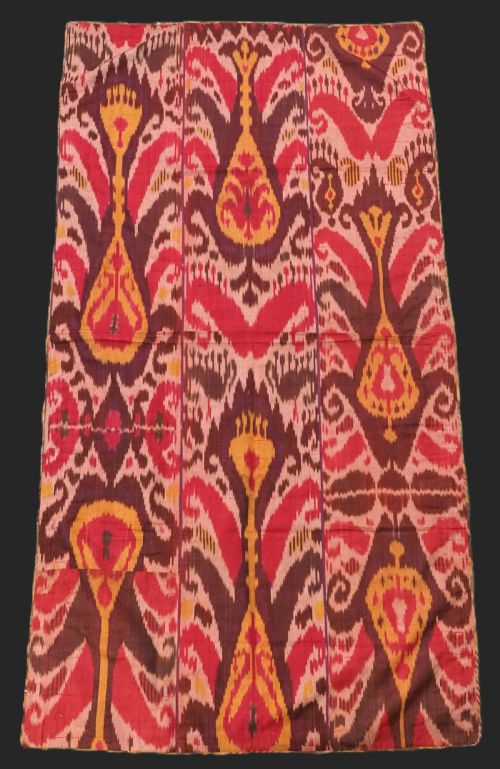
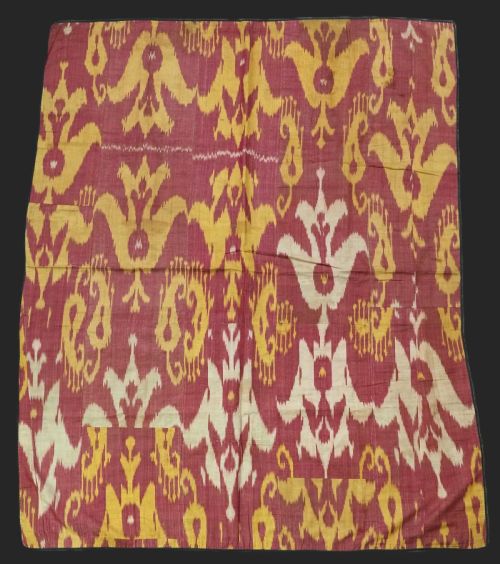
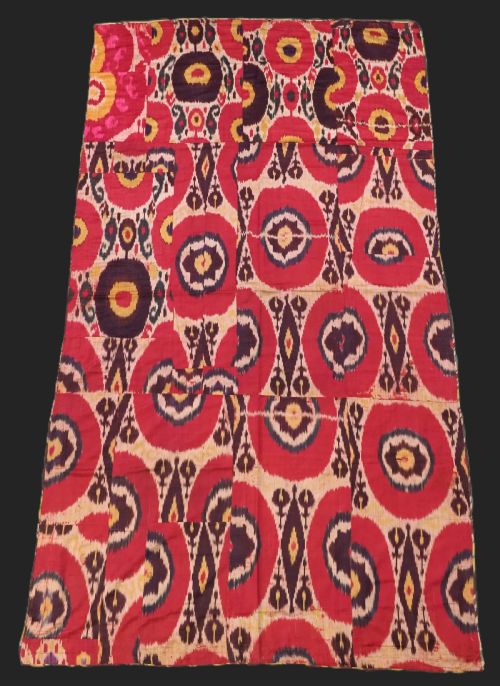
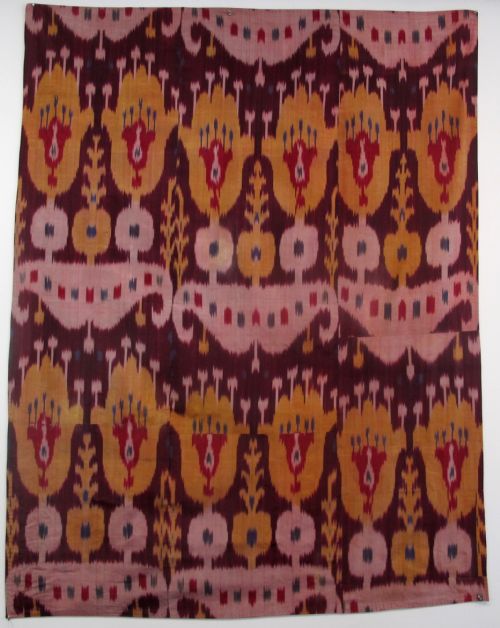
Techniques relied heavily on intricate needlework, such as fully embroidered suzani panels, and resist-dyeing methods used to produce semi silk adras ikat designs.
Antique Central Asian Fabric Retail Price Guide 2026
Typical asking prices for central asian fabric among the pieces listed under this phrase on Sellingantiques today, from the lower quarter to the upper quarter. They describe what is for sale here now, not the wider market.
Materials recorded across the available inventory include silk, cotton, linen, wool, and dyed yarn.
Factors that distinguish quality
The distinction between tiers of work rests on the complexity of the design and the density of the embroidery or weave.
Purity of materials and the skill involved in handling dyed yarn and silk ground fabrics elevate certain panels above standard examples.
The Antique Central Asian Fabric Glossary
- Suzani
- A type of embroidered tribal textile originating from Central Asia, traditionally worked in silk on a cotton or linen ground. These large panels served as domestic furnishings and dowry items.
- Ikat
- A dyeing technique where yarn is resist-dyed before weaving to create distinctive blurred patterns. Adras refers to a specific semi silk fabric blend commonly utilised in these panels.
- Palak
- A fully embroidered suzani variety featuring dense botanical or celestial motifs that cover the entire ground fabric. They represent some of the most labour-intensive examples of regional needlework.
- Adras
- A traditional fabric woven from a combination of silk and cotton threads. This hybrid material provided a stable yet lustrous ground for vibrant ikat patterns.
- Igsalyk
- A specific form of Turkmen spindle bag associated with Yomut tribal weaving. These items combined practical storage with plain weave backs and traditional nomadic styling.
Antique Central Asian Fabric: Frequently Asked Questions
How were these fabrics used originally?
Communities utilised these textiles primarily as wall hangings, decorative coverlets, and domestic furnishings within Central Asian homes. Many were also created as part of a bride's dowry.
Over time, these pieces transitioned from functional household items into prized decorative objects collected for their striking visual designs.
How do I care for antique textiles?
Protect these fragile fabrics from direct sunlight to prevent natural dyes from fading over the years. Display them away from high moisture areas and sources of heat.
When mounting items for wall display, ensure weight is distributed evenly across the fabric rather than pulling on specific threads or seams.
How do I identify a suzani?
Suzanis are identifiable by their hand-embroidered floral, vine, or architectural motifs, usually worked in brightly coloured silk threads. They frequently feature a cotton or linen foundation fabric.
Regional variations such as those from Bukhara or Tashkent display distinct colour palettes and stitch densities that help define their origin.
What is an ikat panel?
An ikat panel is created through a resist-dyeing process applied to yarns before the weaving stage begins. This precise method produces the characteristic feathered edges seen along the pattern boundaries.
These panels often combine silk and cotton fibres, known locally as adras, resulting in a distinct surface sheen and drape.