



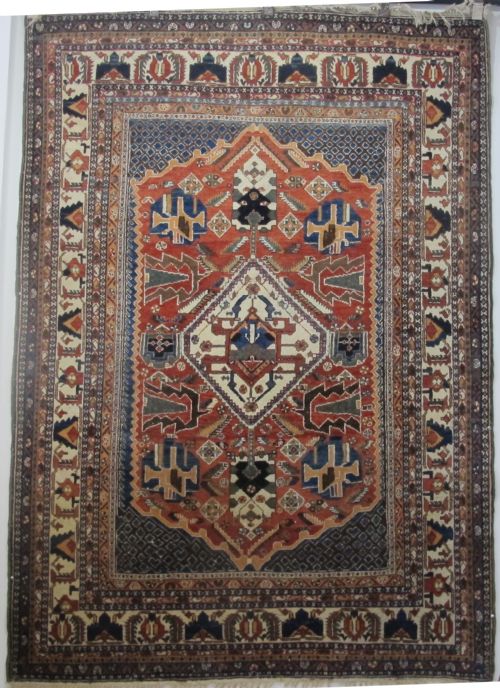
Handwoven Qashqai Carpet
These handwoven qashqai carpet pieces are tribal floor coverings created by nomadic weavers, sought after for their rich designs and enduring wool.
Handwoven Qashqai Carpet
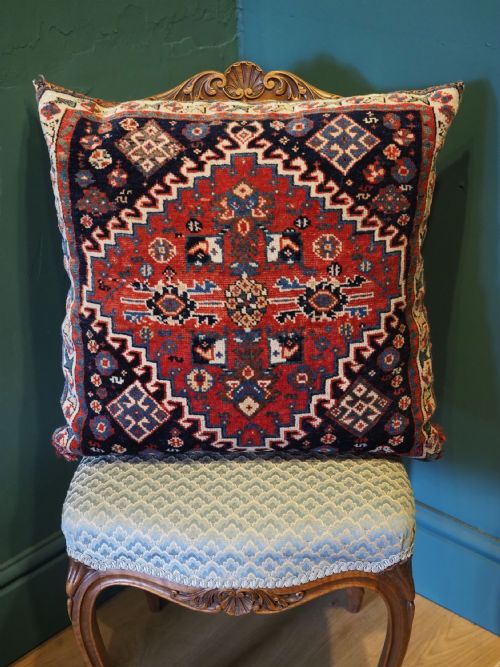
A handwoven qashqai carpet represents the traditional weaving heritage of the Qashqai confederacy in south-west Persia. Buyers searching this phrase examine tribal rugs, flat-woven kilims, saddle bags, and cushions dating from the nineteenth century through the early twentieth century.
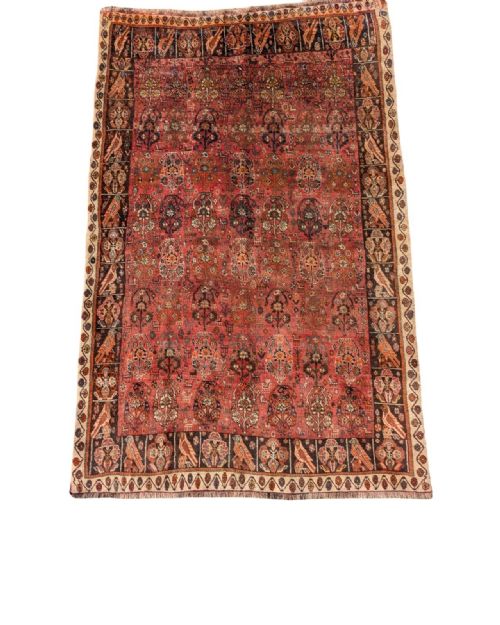
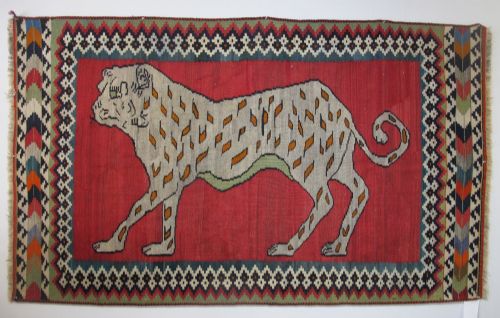
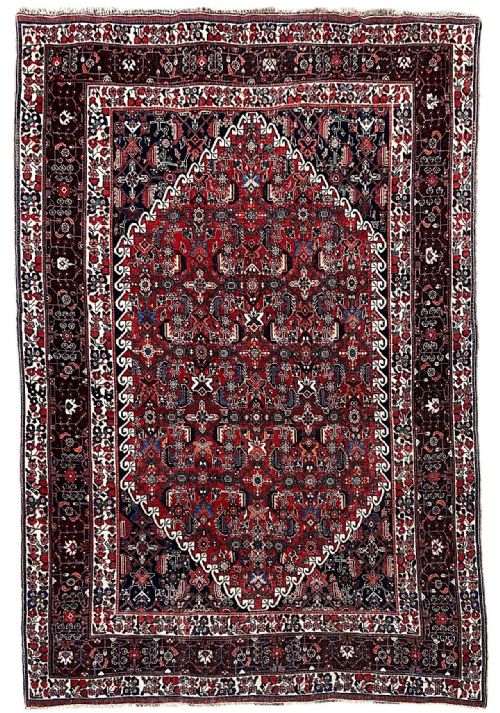
The most common versions met on this page are room-sized rugs and smaller tribal carpets featuring characteristic geometric medallions, animal motifs such as lions, and intricate compartment or tree of life designs. These pieces often share stylistic ties with neighbouring Luri and Khamseh tribes.
Originating from nomadic and village workshops, these floor coverings serve both practical domestic functions and display vibrant tribal artistry. Each item reflects the distinct visual vocabulary passed down through generations of Persian weavers.
What Varies in Quality
Knot density and structural tightness dictate the fineness of the weave, separating heavier main carpets from lighter utility items. Superior examples display precise geometric alignment and crisp execution of intricate motifs like the Heratti pattern.
The complexity of the dye work and the preservation of the wool pile strongly influence the overall standard of the piece. Well-preserved textiles retain rich natural colour variation and intact original selvedges.
Handwoven Qashqai Carpet Retail Price Guide 2026
Typical asking prices for handwoven qashqai carpet among the pieces listed under this phrase on Sellingantiques today, from the lower quarter to the upper quarter. They describe what is for sale here now, not the wider market.
The listings on this site span from the 1880s through the 1930s, utilising wool, cotton, and natural dyes.
The Handwoven Qashqai Carpet Glossary
- Kilim
- A flat-woven textile produced without a pile by tightly interweaving warp and weft threads. These pieces often feature sharp geometric patterns and lightweight structures.
- Gabbeh
- A coarse, thick pile rug traditionally woven by nomadic tribes with minimal geometric designs and broad fields of colour. They are prized for their simple, rustic aesthetic.
- Medallion
- A central ornamental motif set into the field of the rug. It typically forms the focal point of the symmetrical tribal design.
- Heratti
- A repeating floral and lattice pattern filling the background field of many Persian carpets. This traditional motif creates a dense, interconnected visual texture.
Handwoven Qashqai Carpet: Frequently Asked Questions
How do I clean an antique rug?
Gentle surface brushing and professional specialist cleaning are recommended to preserve the natural wool fibres and dyes.
Avoid harsh chemical treatments or soaking, which can weaken the historical foundation yarns.
Can I place these carpets in high traffic areas?
Many sturdy tribal wool carpets withstand normal residential foot traffic quite well.
However, delicate flat-woven kilims or older nineteenth-century pieces benefit from placement in lighter traffic rooms to preserve their condition.
How do I date a tribal carpet?
Dating relies on examining the specific wool characteristics, natural dye palettes, and structural weave styles.
Comparing regional tribal motifs and historical design variations helps narrow down the period of origin.
What is the difference between a rug and a kilim?
A rug possesses a raised pile created by individual knots tied to the foundation threads.
A kilim is entirely flat-woven with no pile, resulting in a lighter and thinner textile structure.