



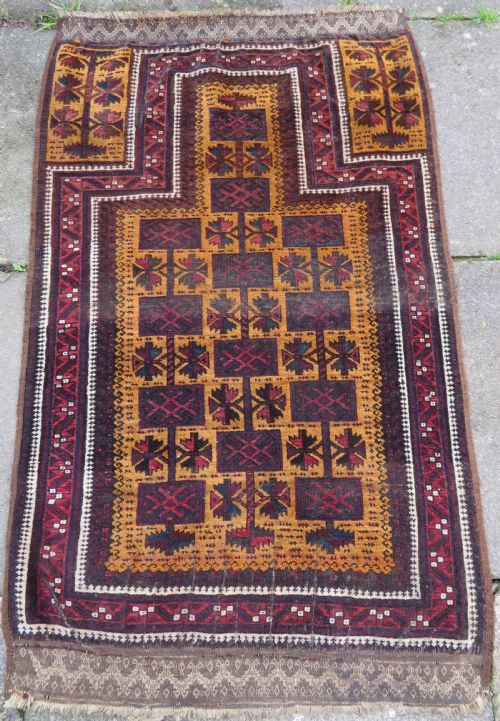


Handwoven Prayer Mat
A handwoven prayer mat brings nomadic artistry and enduring textile heritage directly into your interior.
Handwoven Prayer Mat
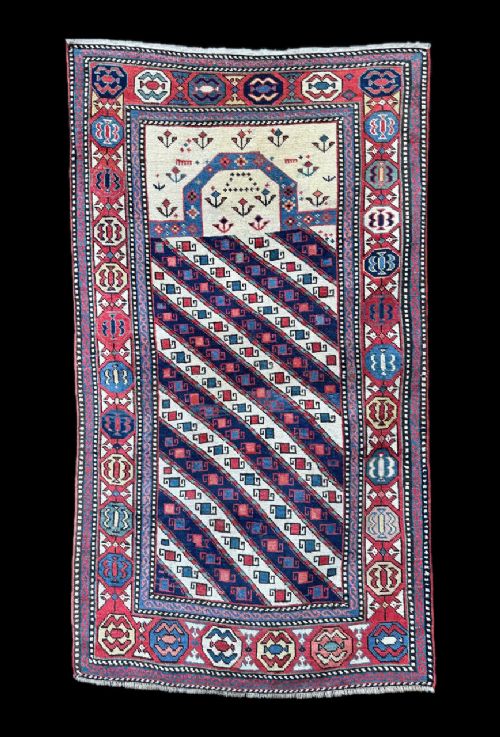
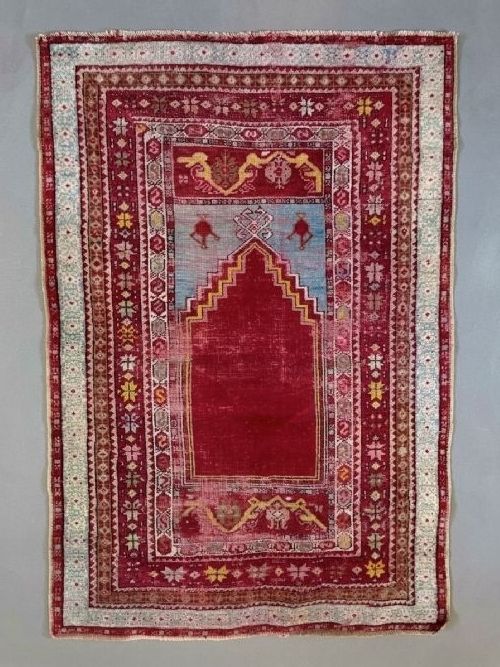
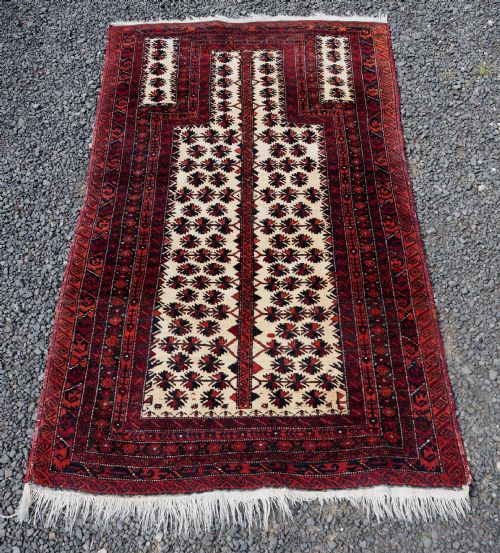
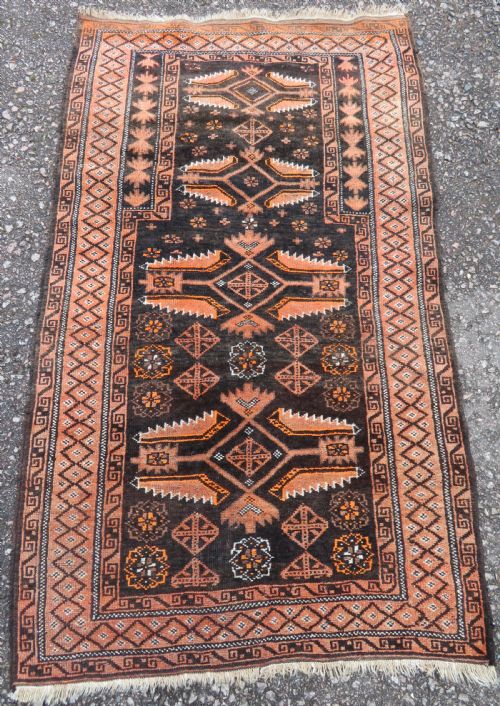
A handwoven prayer mat is a portable textile designed for personal devotion, originating primarily from village and nomadic traditions across Anatolia, Persia, and Afghanistan. When searching for a handwoven prayer mat, collectors encounter regional formats defined by distinct niche markers like the architectural mihrab arch.
The pieces available span from the mid-nineteenth century through the early twentieth century, showing tribal and village aesthetics. Examples range from Caucasian and Turkmen workshops to Turkish village weaving centres.
Tribal formats display geometric symbolism, whereas Persian Kashan examples introduce formal floral vase designs. Buyers frequently meet Afghan village formats and Turkish prayer rugs featuring long kilim ends.
How They Were Made
Weavers constructed these textiles using wool, cotton, and camel hair or camel wool. Natural dyes provided the foundational palette, yielding grounded earth tones alongside scarce blue grounds and ivory fields.
Nomadic and village makers employed knotting and flatweaving techniques, sometimes combining methods in mixed-technique pieces. Long kilim ends often terminate the field, demonstrating structural utility alongside decorative intent.
Handwoven Prayer Mat Retail Price Guide 2026
Typical asking prices for handwoven prayer mat among the pieces listed under this phrase on Sellingantiques today, from the lower quarter to the upper quarter. They describe what is for sale here now, not the wider market.
Current listings span the nineteenth and twentieth centuries, incorporating wool, cotton, and natural dyes across Afghan, Persian, Anatolian, and Caucasian traditions.
What Varies in Quality
Quality rests in the precision of the knotting, the depth and stability of natural dyes, and the clarity of regional design motifs. Early nineteenth-century examples display intricate handling of field geometry compared to later village adaptations.
The integrity of the foundation materials and survival of original kilim ends dictate the textile's structural grade. Pieces featuring uncommon structural layouts or scarce colour grounds command distinct attention from serious students of tribal weaving.
The Handwoven Prayer Mat Glossary
- Mihrab
- The arched niche design on a prayer rug that indicates the direction of prayer. This architectural form is central to the composition of regional prayer rugs.
- Kilim
- A flatwoven textile structure often found at the ends of piled rugs. These flatwoven sections protect the ends from fraying.
- Baluchi
- A tribal weaving attribution associated with nomadic groups inhabiting regions of Persia and Afghanistan. These textiles frequently utilise camel wool and deep earth tones.
- Seh Mihrab
- A triple arch design layout found on specific village and tribal formats. This multi-niche arrangement is a notable marker in Afghan and Baluch weaving.
Handwoven Prayer Mat: Frequently Asked Questions
What is a handwoven prayer mat?
A handwoven prayer mat is a small textile created by nomadic and village weavers for personal ritual use. Each piece reflects the specific tribal heritage and visual vocabulary of its region of origin.
These rugs incorporate traditional motifs such as the mihrab arch, serving both functional devotional purposes and decorative interior roles.
How do I identify regional prayer mats?
Regional identification relies on structural characteristics, colour palettes, and specific motif arrangements. Anatolian, Caucasian, Persian, and Afghan pieces each display distinct wool preparation and border designs.
Studying the knotting structure and secondary colours helps attribute the rug to specific tribal groups like the Baluch, Kizil Ayak, or Taimani.
What materials are used in these rugs?
Weavers utilised local materials including sheep wool, cotton foundations, and occasionally camel hair or camel wool. Natural dyes extracted from plants and minerals provide the traditional colour palette.
The combination of these organic materials creates durable textiles that age with characteristic patina.
How do I care for an antique prayer rug?
Antique prayer rugs require gentle maintenance such as regular low-suction vacuuming without a rotating beater bar. Keeping them away from direct sunlight preserves the natural dyes.
Professional textile conservators should handle cleaning and structural repairs to maintain the integrity of the natural fibres.