

Handwoven Oriental Runner
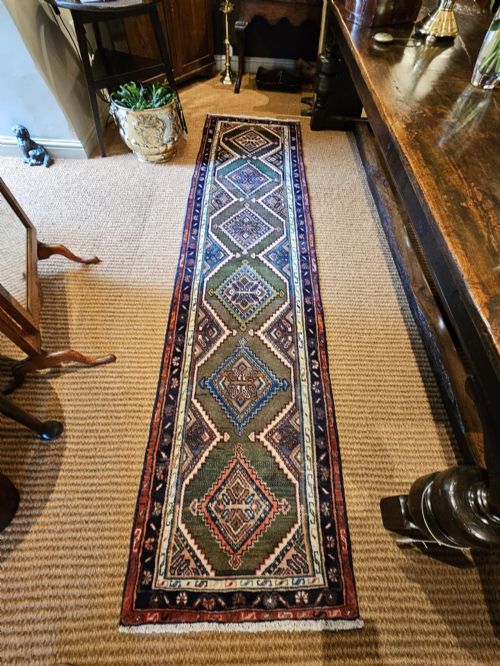
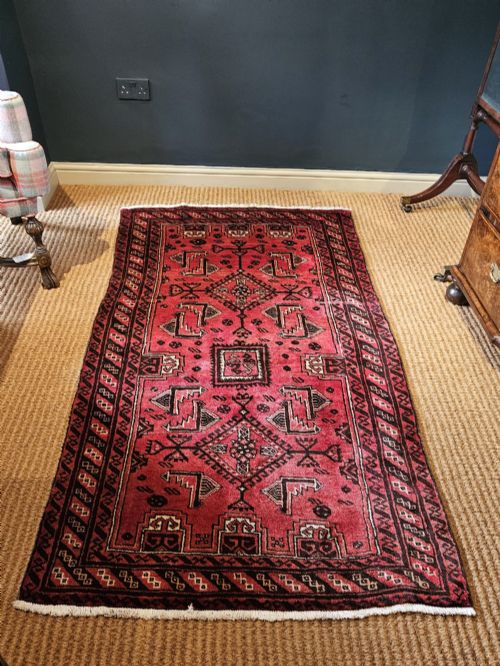
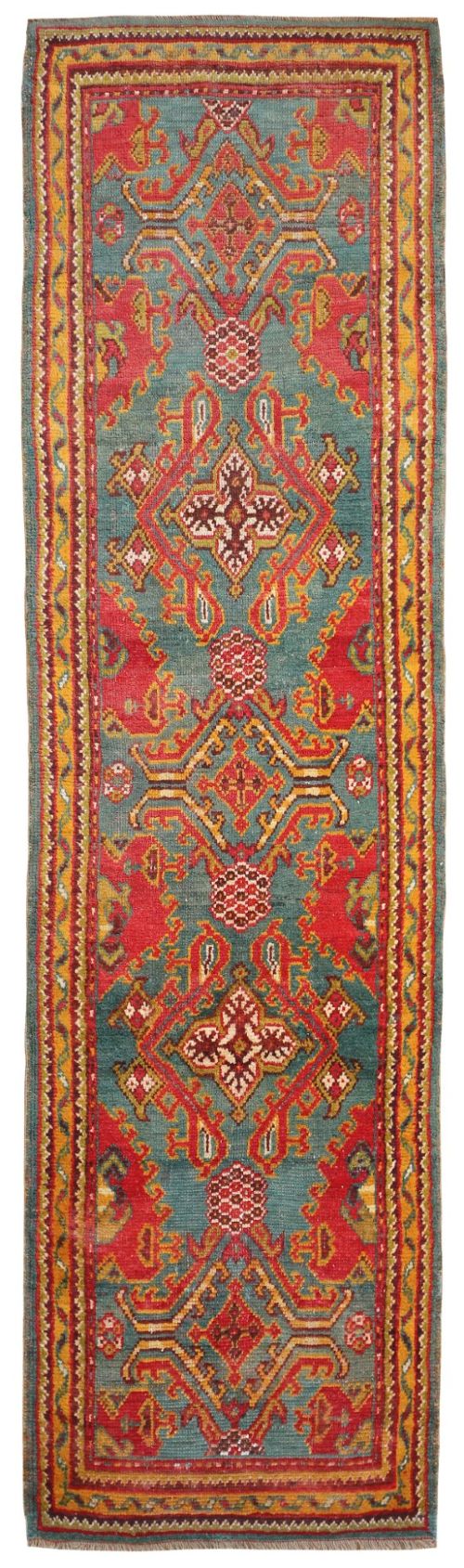
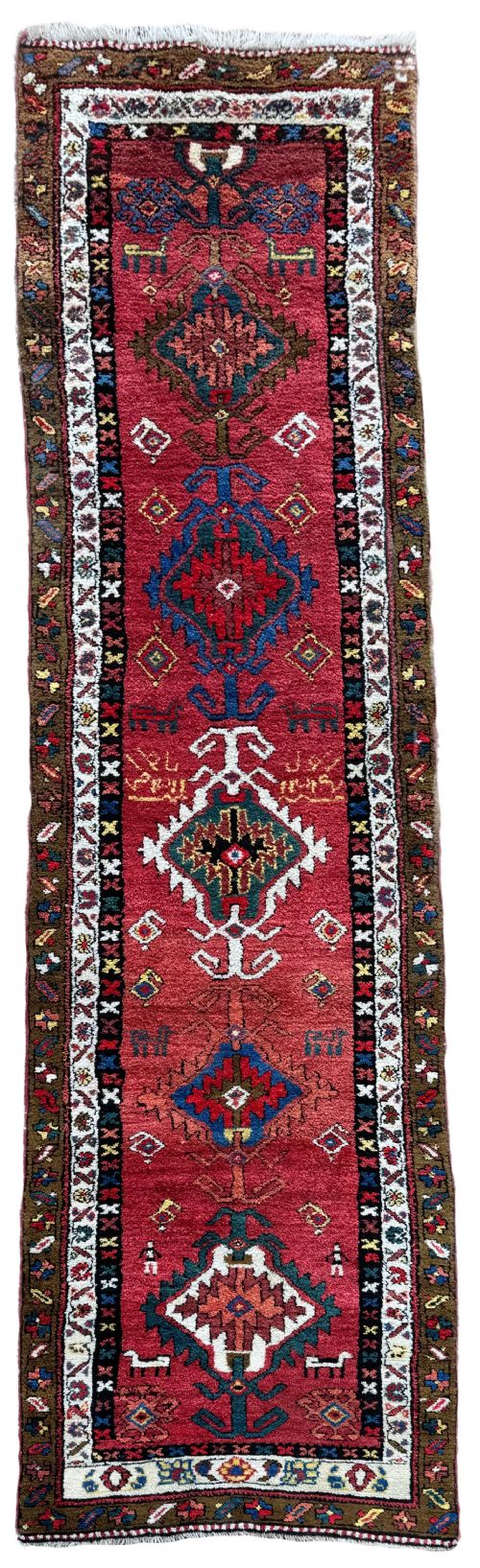
A handwoven oriental runner brings narrow, patterned warmth to a long corridor or hall, shaped by tribal traditions and village workshops.
Handwoven Oriental Runner
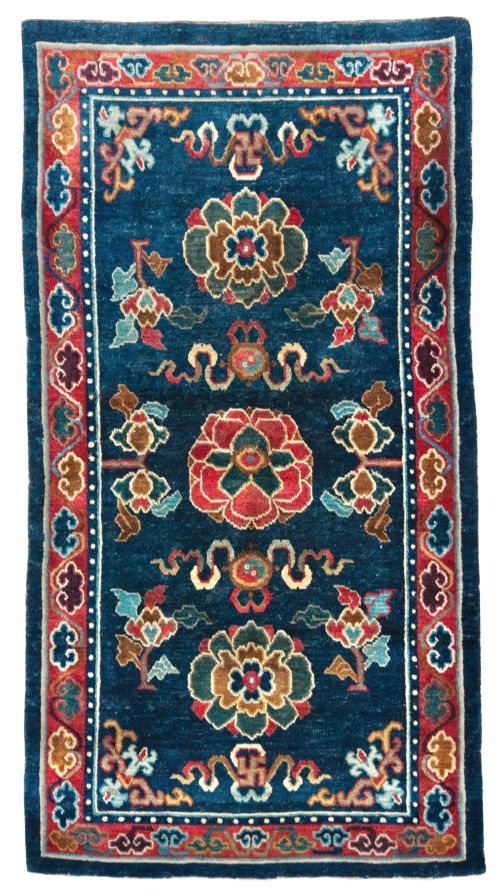
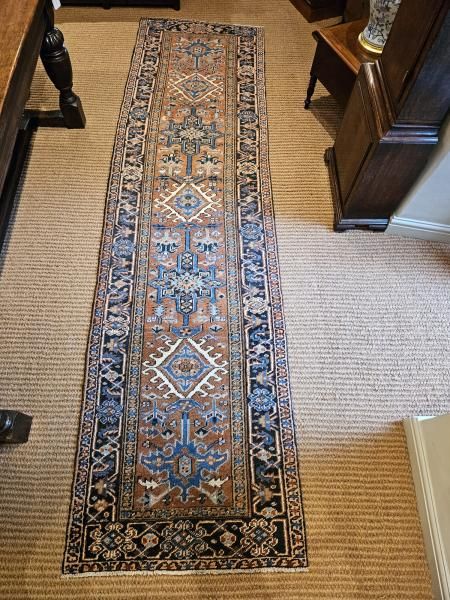
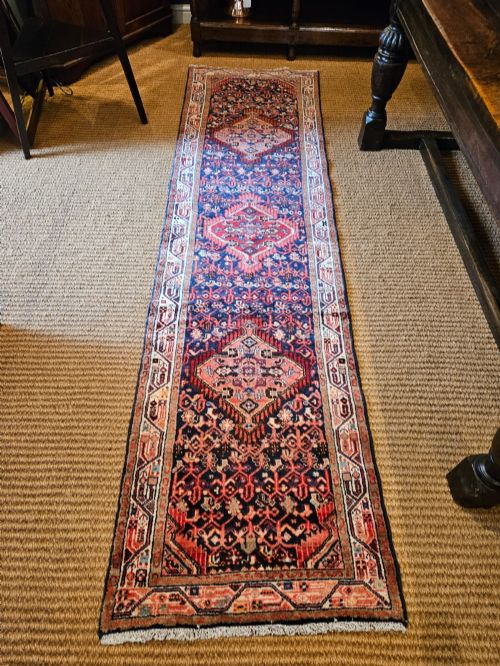
When searching for a handwoven oriental runner, buyers examine elongated textiles designed specifically for hallways, staircases, and narrow spaces. These pieces span from the late nineteenth century through the early twentieth century, originating from regions including Persia, the Caucasus, Anatolia, and Tibet.
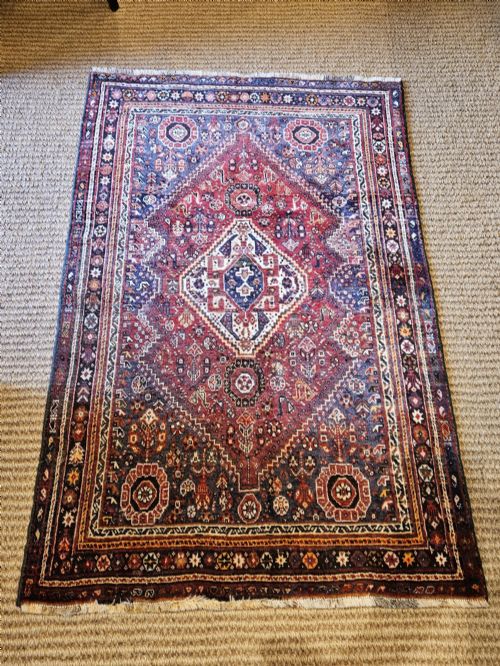
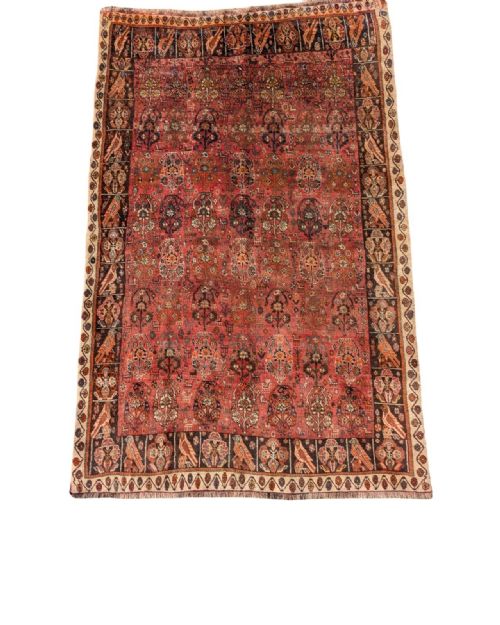
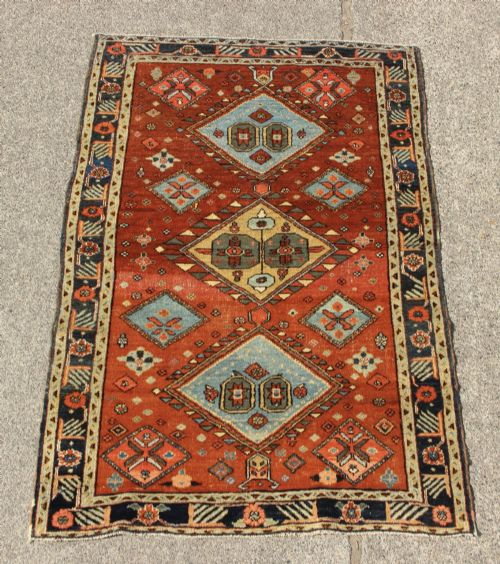
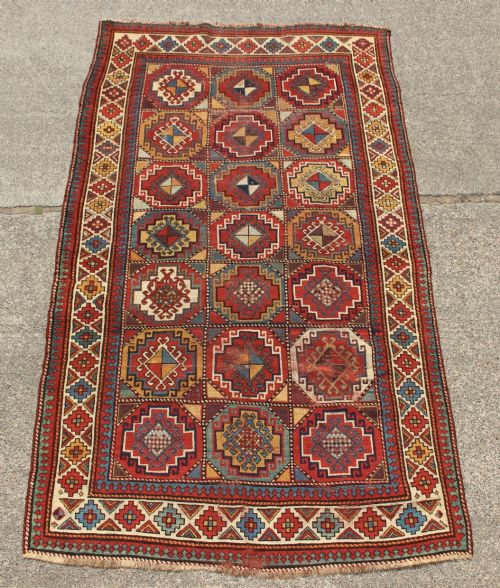
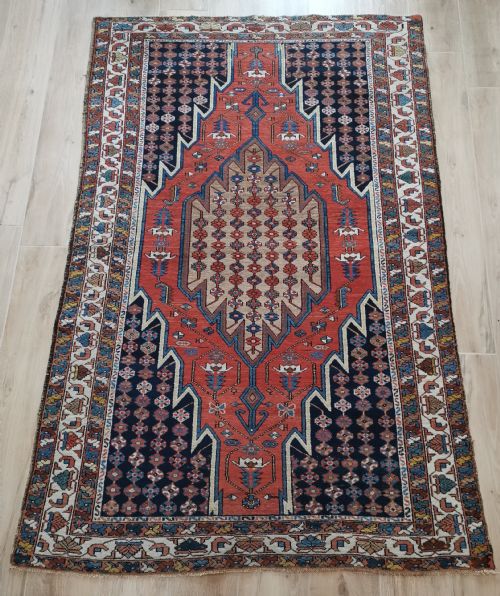
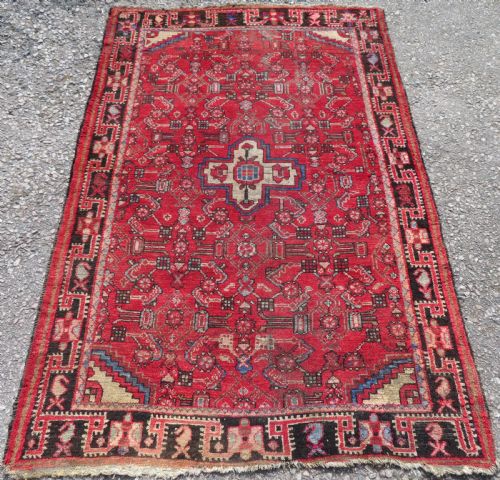
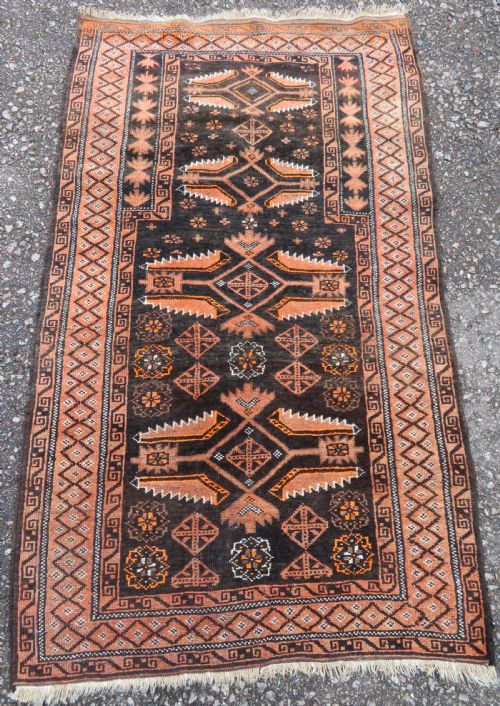
The most common examples on this page are wool village and tribal runners from Persian and Caucasian districts, often displaying geometric medallions or repeating lattice motifs. These items combine utility with traditional local designs passed down through generations of weavers.
Makers ranged from nomadic tribal weavers working on portable vertical looms to sedentary village workshops producing durable floor coverings for daily use. Their work reflects the distinct visual vocabulary of specific groups such as the Kurdish, Baluch, and Bakhtiar.
Materials and construction
Makers relied primarily on wool for the pile and foundation, occasionally incorporating cotton for warp and weft threads to ensure structural stability. Camel wool also appears in certain pieces, offering distinct natural tones and resilience.
Dyers utilised natural colorants derived from local plants and minerals to achieve rich hues of rust, olive green, and indigo that soften gracefully over time. Skilled artisans knotted these wool yarns by hand onto sturdy foundations, creating dense piles designed to withstand heavy foot traffic.
Handwoven Oriental Runner Retail Price Guide 2026
Typical asking prices for handwoven oriental runner among the pieces listed under this phrase on Sellingantiques today, from the lower quarter to the upper quarter. They describe what is for sale here now, not the wider market.
Listings feature wool, cotton, and camel wool constructions created across the nineteenth and twentieth centuries in Persian, Caucasian, and Anatolian traditions.
The spectrum of quality
Knot density and structural tightness dictate the longevity and definition of the pattern, separating finely detailed city rugs from coarser tribal pieces. Superior examples maintain straight edges, balanced proportions, and secure selvedges despite decades of use.
The clarity and depth of natural dyes elevate certain pieces above those with dull or uneven coloration, reflecting greater skill in the dye vat. Handling by master weavers in established districts ensures harmonious design symmetry and robust material integrity.
The Handwoven Oriental Runner Glossary
- Runner
- A long, narrow carpet format traditionally used in corridors, hallways, and alongside larger room rugs. This specific shape dictates the repeating layout of motifs.
- Kilim
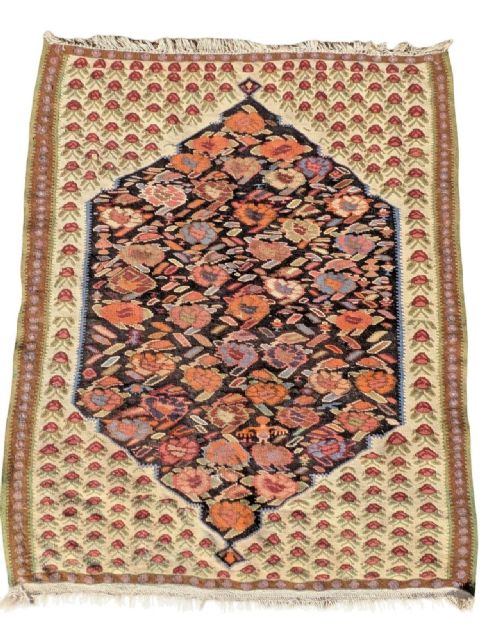
- A flat-woven textile produced without a pile by tightly interweaving warp and weft strands. These pieces offer lighter weights and sharp geometric patterns.
- Warp
- The vertical foundation threads stretched tightly on the loom before knotting begins. Cotton and wool serve as the primary materials for this structural skeleton.
- Weft
- The horizontal threads passed alternately over and under warp threads to lock knots in place. This technique secures the structural integrity of the woven fabric.
- Natural dyes
- Colorants sourced from plants, insects, and minerals rather than synthetic compounds. These substances yield complex, stable tones that age with subtle variation.
Handwoven Oriental Runner: Frequently Asked Questions
Where should I place a runner?
These long, narrow textiles suit hallways, corridors, and bedside spaces where standard rectangular rugs are too wide. Their proportions guide movement along narrow architectural paths.
They also provide functional floor protection and warmth in high-traffic passageways while introducing traditional pattern and colour to transitional areas.
How do I clean an old wool rug?
Gentle surface brushing and careful vacuuming without a beater bar remove loose dirt and dust from the wool pile. Avoid aggressive shaking or beating, which damages the old foundation.
Professional specialist cleaning remains the safest method for addressing deeper soils or spills on nineteenth and twentieth-century textiles.
Are natural dyes easy to spot?
Natural colorants often display subtle tonal variations known as abrash, where dye batches shift slightly across the field of the rug. This gentle variation gives the surface organic depth.
Synthetic dyes introduced later can appear flat and uniform, whereas plant-based colours mellow into harmonious, integrated patinas over decades of light exposure.
What is the difference between pile and flatweave?
Pile pieces involve knotted strands of wool standing upright from the foundation to create a soft, plush surface underfoot. They offer greater thickness and insulation.
Flatweaves lack this raised pile, relying on tightly interlaced warp and weft threads to form smooth, reversible textiles with crisp geometric designs.