


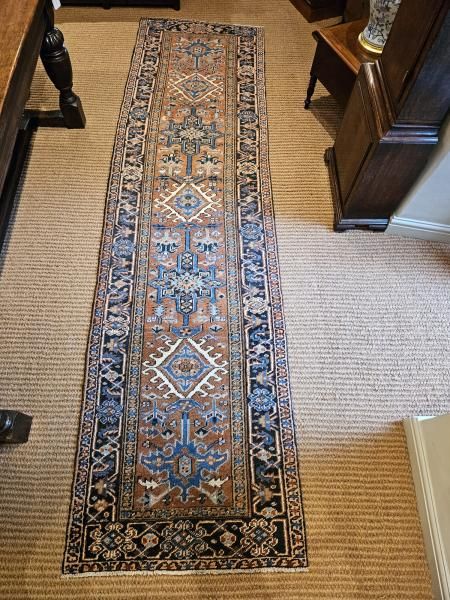
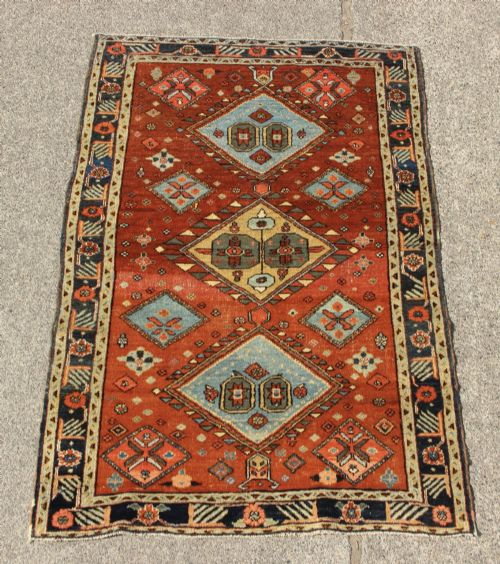
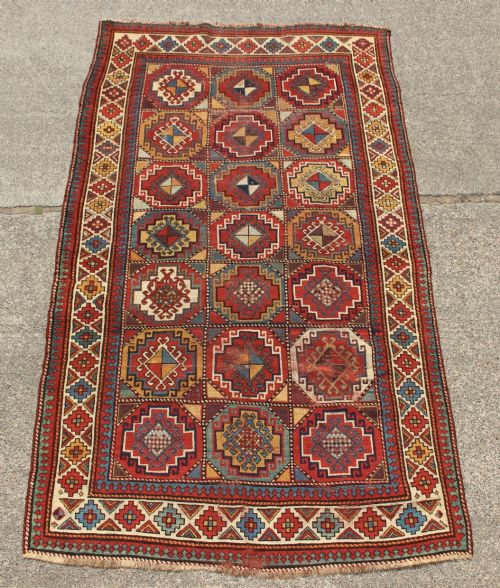
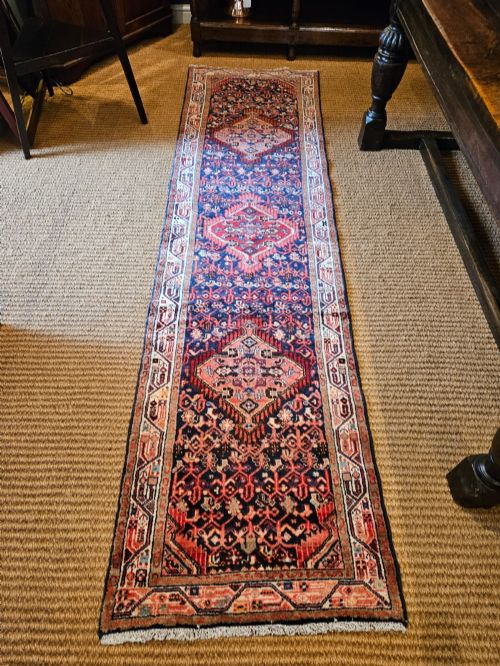
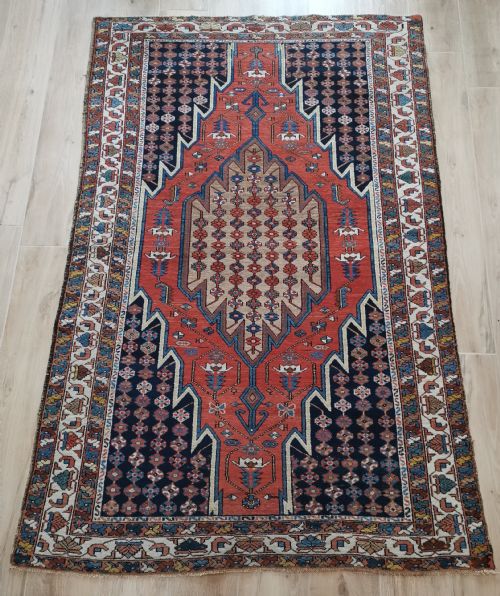
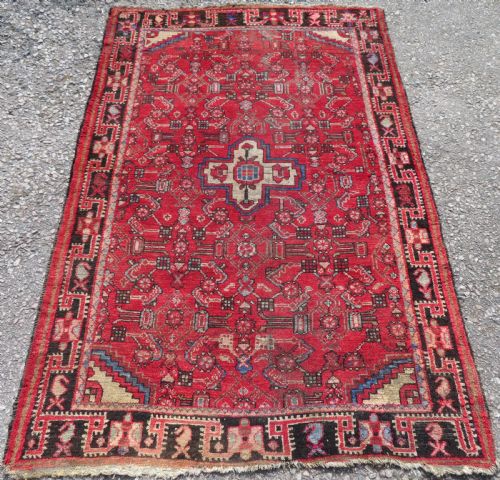
Handwoven Oriental Runner Carpet
A handwoven oriental runner carpet brings warmth and enduring pattern to a hallway, drawing upon traditions from Persia, the Caucasus, and Anatolia.
Handwoven Oriental Runner Carpet
When you search for a handwoven oriental runner carpet, you encounter elongated floor coverings designed specifically for corridors, stairs, and narrow spaces. These textiles originate from various tribal and village traditions across regions such as Persia, the Caucasus, and Anatolia.
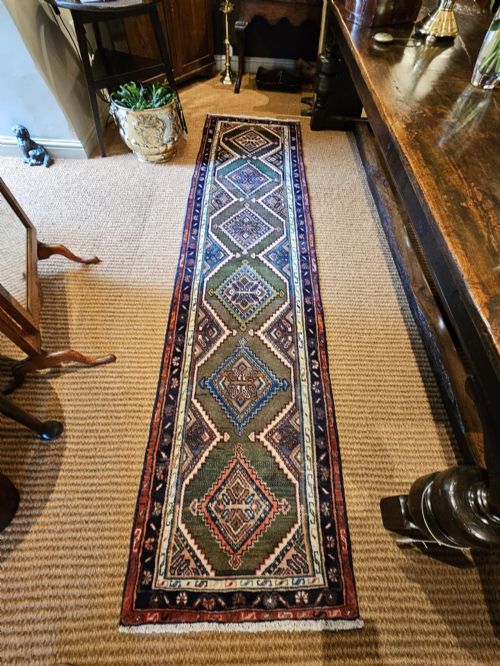
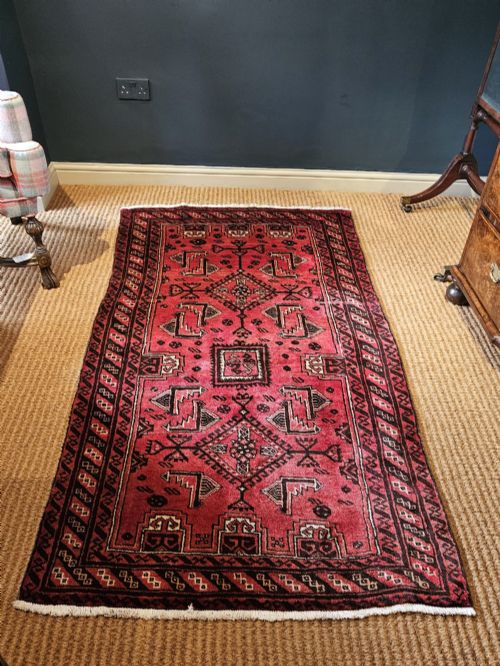
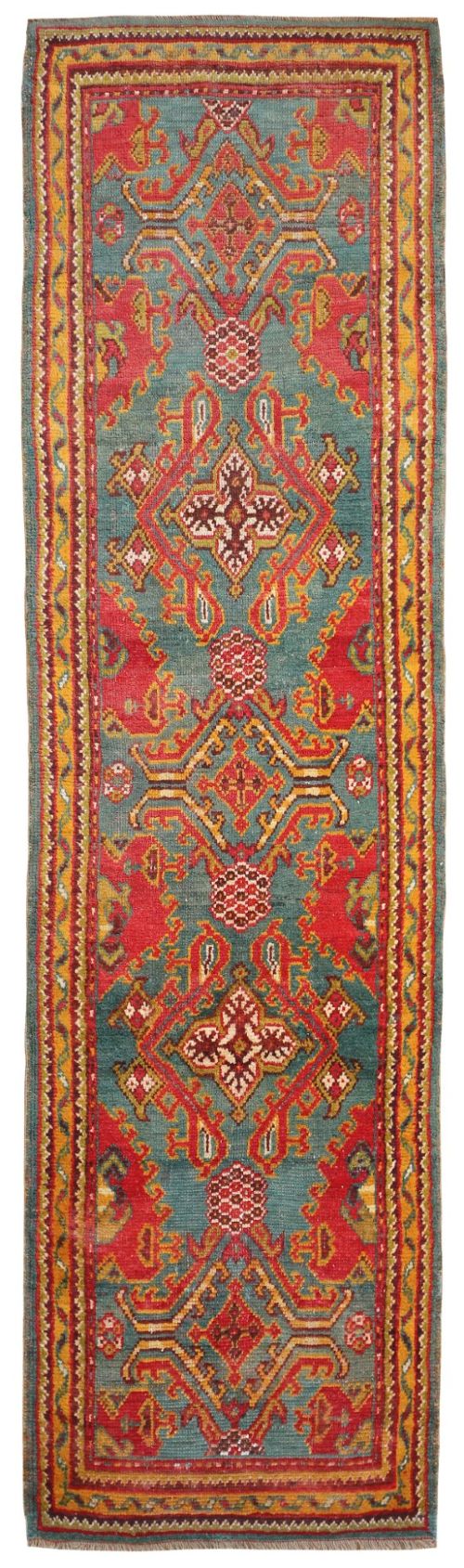
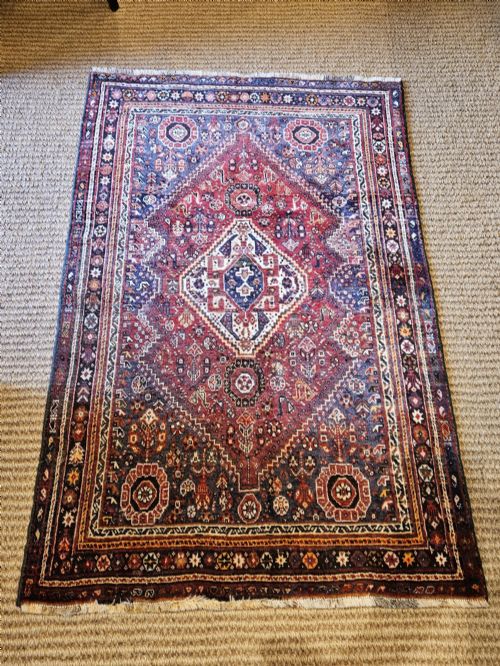
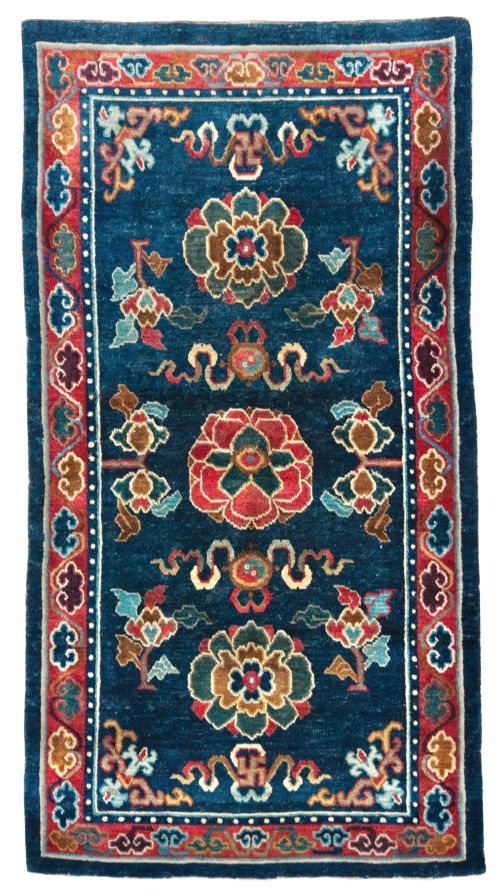
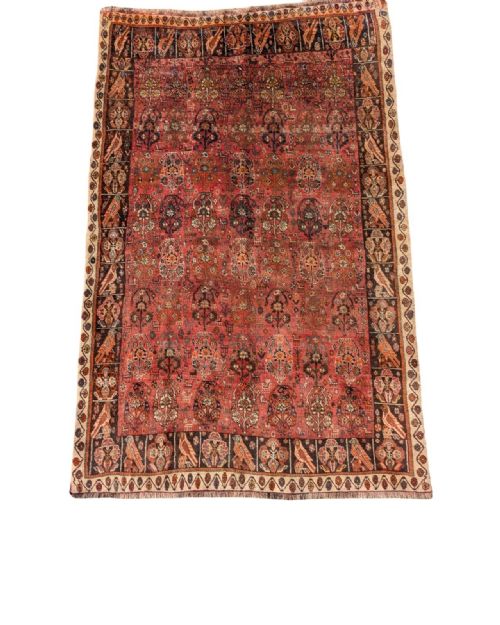
The selections span from the late nineteenth century through the 1930s, displaying distinct regional motifs and weaving techniques. You frequently meet pieces bearing traditional tribal patterns, geometric medallions, and floral layouts characteristic of Heriz, Hamadan, and Caucasian workshops.
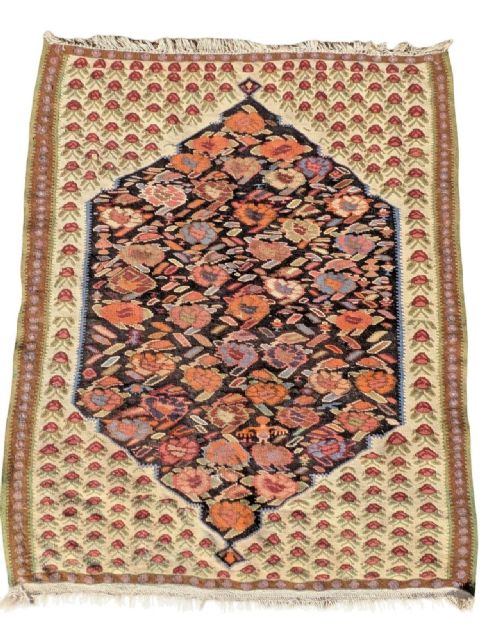
Formats range from long wool runners with olive green or rust backgrounds to flat-woven kilims. Each carpet reflects the specific cultural heritage and knotting methods of the weavers who produced them in villages and nomadic camps.
How they were made
These carpets rely primarily on wool and pure wool foundations, often paired with cotton for structural warp and weft threads. Certain pieces incorporate camel wool to achieve natural variations in tone and texture.
Weavers utilised natural dyes to colour the wool, yielding rich hues that age gracefully over decades. The construction involves meticulous hand-knotting or flat-weaving techniques particular to specific tribal groups such as the Baluch, Kashgai, and Kurdish makers.
What varies in quality
The distinction between tiers rests upon knot density, the precision of the geometric or floral drawing, and the integrity of the wool. Finer examples display tightly packed knots that allow intricate medallions and crisp border details to remain sharp.
Material selection also dictates overall grade, with superior pieces employing lustrous, resilient wool dyed with stable natural colourants. The harmony of the palette and the balance of the tribal composition further separate standard village output from exceptional works.
The Handwoven Oriental Runner Carpet Glossary
- Kilim
- A flat-woven carpet or rug produced without a pile. These pieces are created by tightly interweaving warp and weft strands to form geometric patterns.
- Runner
- A long, narrow carpet format intended for corridors, hallways, and staircases. This shape accommodates restricted spatial dimensions while displaying continuous border and field designs.
- Natural Dyes
- Colourants extracted from plants, insects, and minerals rather than synthetic chemical sources. They impart subtle tonal variations and depth to the wool over time.
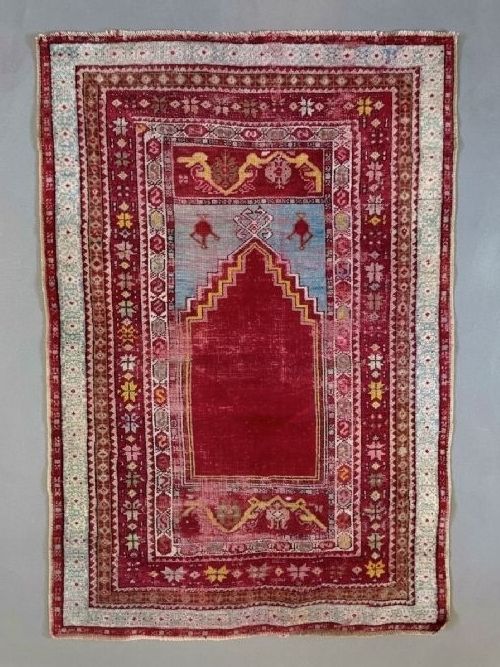
- Prayer Rug
- A small carpet featuring a mihrab or niche design used historically for ritual daily prayers. The focal arch typically points toward Mecca during use.
- Warp
- The stationary vertical threads stretched across a loom that form the foundational skeleton of the carpet. Weft threads are interlaced across these structural elements.
Handwoven Oriental Runner Carpet: Frequently Asked Questions
Where should I place a runner carpet?
These elongated textiles suit narrow architectural spaces such as corridors, hallways, and entranceways. Their proportions also allow them to function effectively alongside staircases.
Positioning a runner in these areas protects high-traffic flooring while introducing distinct tribal patterns and colour to transitional zones in a home.
How do I care for antique wool runners?
Regular gentle vacuuming without a rotating brush roll prevents dust and grit from settling into the wool pile. Professional cleaning suited for antique textiles should occur periodically.
Keeping these carpets out of direct, harsh sunlight preserves the natural dyes used in their creation and maintains the vibrancy of the wool.
What distinguishes tribal designs from city carpets?
Tribal rugs and runners from groups like the Kashgai, Baluch, or Kurdish weavers often feature geometric motifs, memory-woven patterns, and asymmetrical layouts. City workshops typically produced more formal, symmetrical floral arrangements.
Village pieces display a directness of expression and spontaneous design variations born from nomadic or rural working traditions.
How do I determine the age of these carpets?
Dating relies on examining the wool quality, the chemical composition or natural origin of the dyes, and structural wear patterns. Stylistic indicators such as specific Heriz, Hamadan, or Caucasian motifs also point to particular production eras from the nineteenth century into the 1930s.
Comparing knot structure and regional weaving characteristics helps narrow down the probable decade of manufacture.