


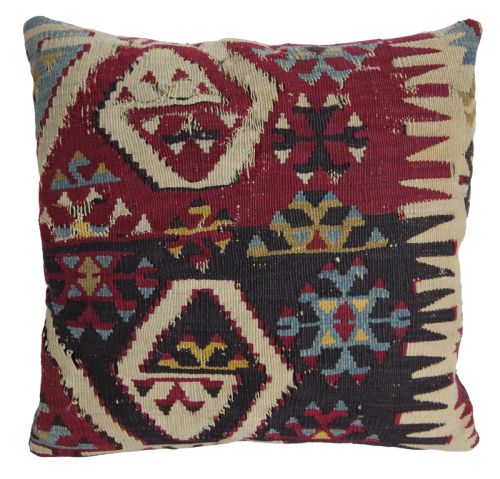


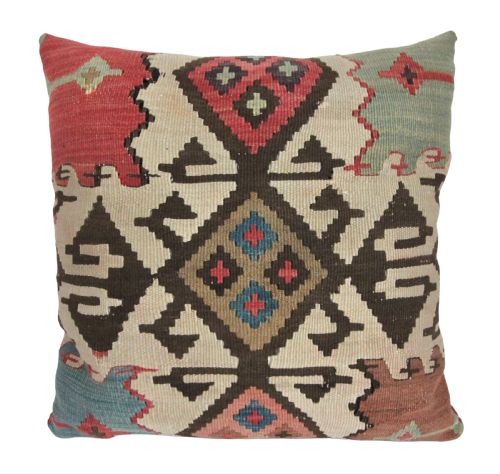


Handwoven Oriental Cushion
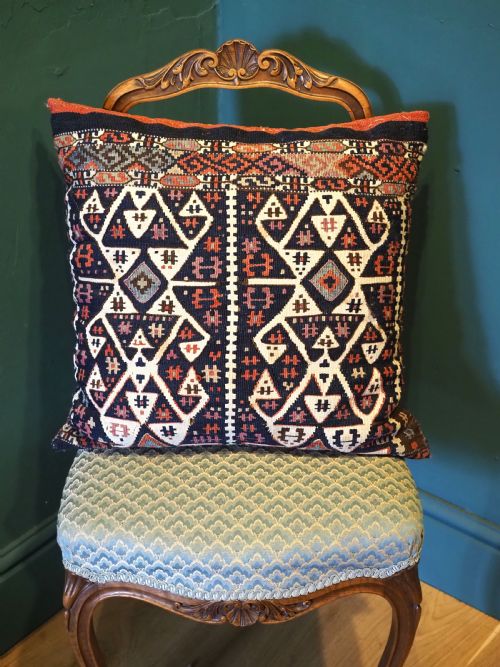
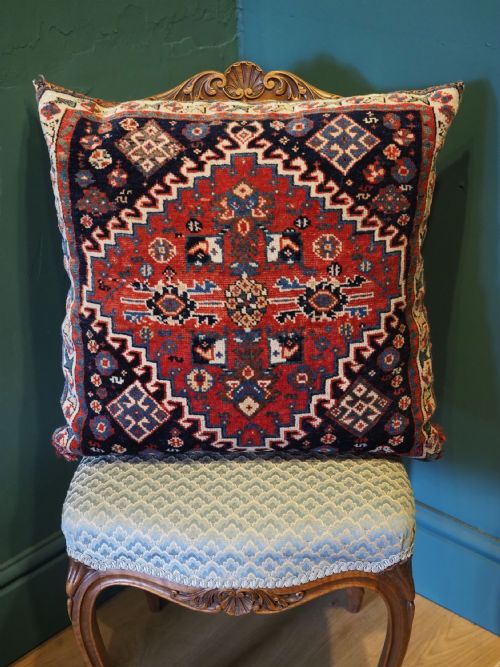
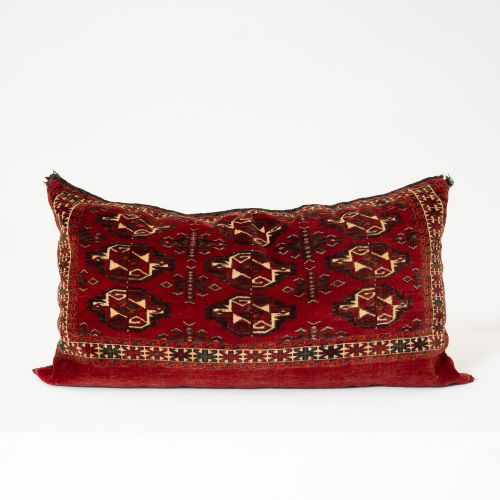
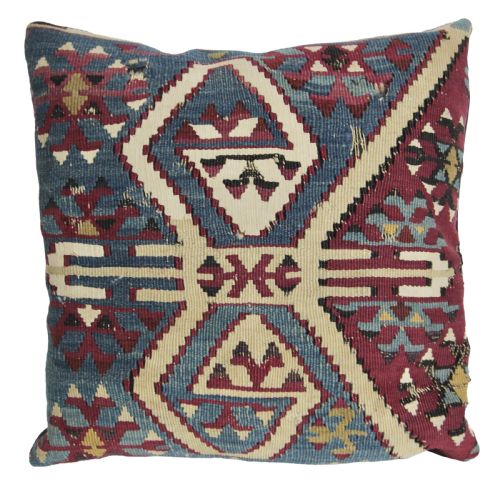
These handwoven oriental cushion examples bring genuine nomadic textiles into modern rooms as tactile floor and sofa accents.
Handwoven Oriental Cushion
When you search for a handwoven oriental cushion, you are looking at antique textile fragments that have been repurposed into functional furnishings. These pieces primarily originate from tribal and nomadic weaving traditions across Anatolia and Persia, capturing centuries of domestic craft in portable formats.
The selections encountered here frequently take the form of converted saddle bags, bag faces, and flatwoven kilims. Makers originally fashioned these heavy textiles for utilitarian transport on camels and horses, utilising durable flatweave and pile techniques to withstand daily nomadic life.
Most entries span the nineteenth and early twentieth centuries, reflecting a period when village weavers still produced textiles entirely for their own communities. You will find that pieces categorized under this search term balance historical authenticity with practical interior utility.
What separates the grades
Quality in these textiles depends heavily on the tightness of the weave and the clarity of the tribal iconography. Tighter knotting and finer wool preparation produce a more resilient surface that holds its structural integrity during everyday domestic use.
The complexity and balance of the geometric motifs also distinguish superior examples from standard village work. Weavers who maintained strict symmetry and varied their natural dye palettes achieved a visual depth that simpler or later pieces lack.
Listings feature pieces dated across the nineteenth and early twentieth centuries, utilising hand-spun wool and cotton with natural dyes.
The Handwoven Oriental Cushion Glossary
- Kilim
- A flatwoven textile produced without a pile, created by tightly interlocking the coloured wefts over the warp threads. This technique results in a smooth, reversible fabric that works well for domestic furnishings.
- Chuval
- A large tent bag traditionally used by Turkmen tribes for storing household belongings and bedding. Their substantial face designs make them ideal for conversion into large scatter cushions.
- Bag Face
- The decorative front panel of a nomadic storage sack, separated from its plain utility back. These panels display the primary tribal patterns and form the basis of many antique cushions.
- Natural Dye
- Colourants derived from botanical, insect, or mineral sources prior to the widespread introduction of synthetic alternatives. These dyes yield harmonious patinas that age with distinct character.
- Warp
- The stationary vertical threads stretched across a loom that form the structural foundation of the textile. Wefts are passed horizontally through these threads to build the pattern.
Handwoven Oriental Cushion: Frequently Asked Questions
How do I clean an antique cushion?
Surface dust should be gently removed using a soft brush or low-suction vacuum without a beater bar. Avoid immersing the textile in water, as older natural dyes can bleed or destabilise.
For deeper cleaning, consult a specialist in antique oriental textiles rather than attempting domestic washing methods. Professional care ensures the historical wool and cotton fibres remain protected.
How can I tell tribal styles apart?
Tribal styles are distinguished by their specific geometric motifs, border arrangements, and regional colour palettes. Qashqai and Afshar pieces often feature hooked medallions and rich madder reds, whereas Turkmen weavings utilise deep-toned guls.
Studying the density of the weave and the specific utility form helps attribute pieces to particular Anatolian or Persian groups.
Will these cushions withstand daily use?
Nomadic weavers originally constructed these sturdy woolen textiles to endure harsh travel and constant handling. Consequently, they handle normal domestic placement on sofas or chairs quite well.
However, because these items date from the nineteenth and early twentieth centuries, placing them in areas of intense friction should be done with care.