
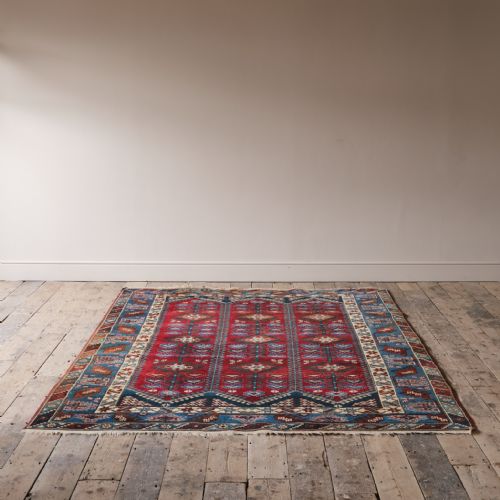
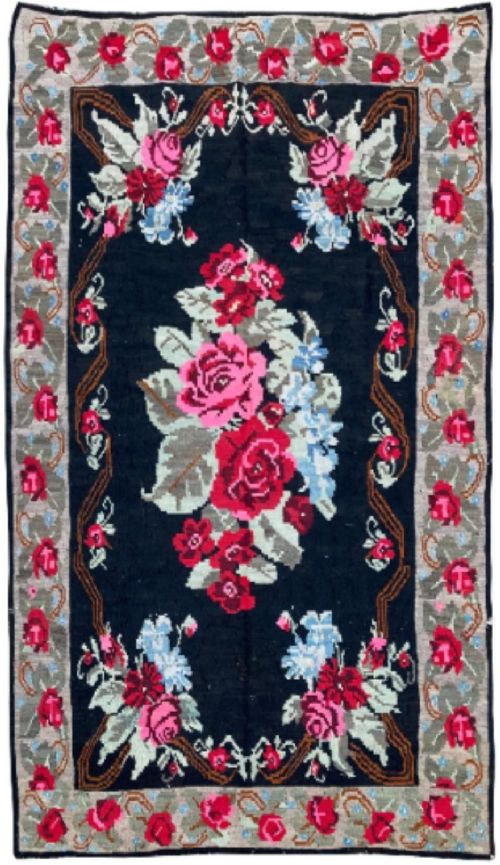
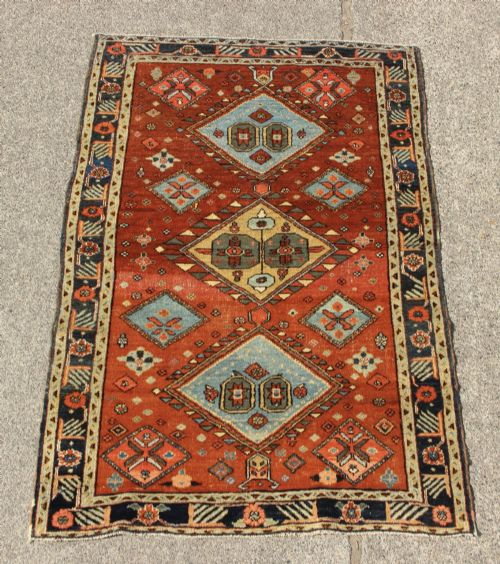
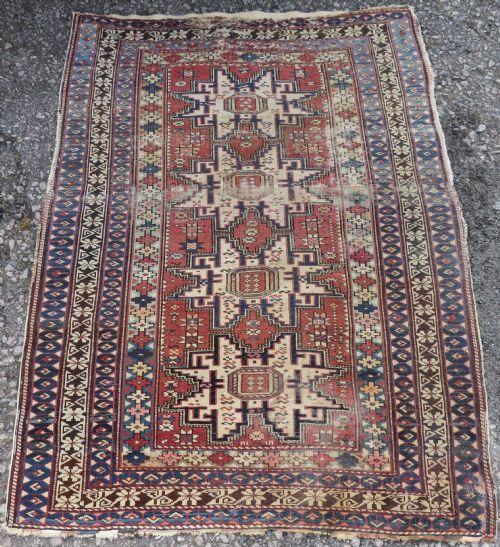
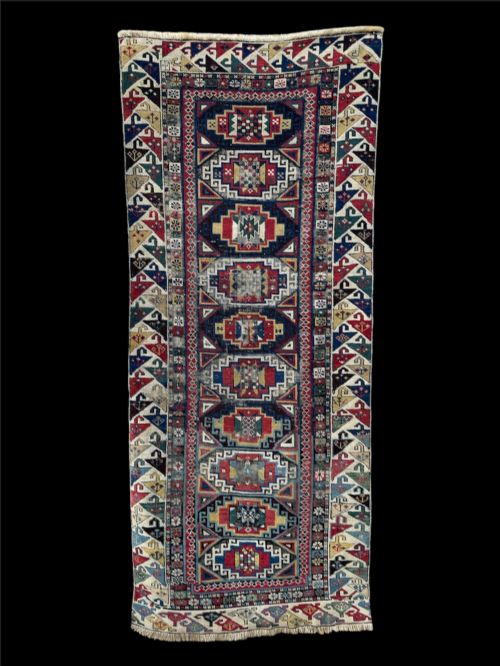


Handwoven Caucasian Area Runner
When you want a handwoven caucasian area runner, you are looking at resilient tribal weaving produced across the Caucasus region during the nineteenth and early twentieth centuries.
Handwoven Caucasian Area Runner
A handwoven caucasian area runner represents traditional village and nomadic craftsmanship from mountainous regions. These pieces were constructed for practical floor use in corridors and long spaces within traditional homes.
You will encounter regional types such as Shirvan, Kazak, and Talish formats. They demonstrate distinct geometric patterns, medallion structures, and tribal motifs passed down through generations of weavers.
The format spans narrow runners and corridor rugs originating from various Caucasian workshops and nomadic camps. Their formats serve specific architectural demands for elongated spaces.
How they were made
Makers utilised hand-spun wool for the pile and foundation structures. This natural material provides durability and takes traditional plant and mineral dyes with rich variation.
Weavers employed asymmetrical or symmetrical knots tied onto cotton or wool warp and weft threads. Flatweave techniques like Soumak and kilim construction also appear without pile elements.
Listings feature pieces spanning the nineteenth century through to the nineteen thirties, utilising wool and cotton materials across tribal runner and rug forms.
What varies in quality
The precision of the geometric drawing and the density of the knotting separate examples. Tighter structures allow intricate tribal motifs to remain crisp and clear.
Dye integrity and the depth of the wool pile dictate visual longevity. Superior pieces retain vibrant, saturated colours derived from traditional dyeing methods.
The Handwoven Caucasian Area Runner Glossary
- Kazak
- A type of rug produced by various tribal groups in the Caucasus known for bold geometric designs and primary colours. These pieces often feature large medallions and rectilinear motifs.
- Shirvan
- A weaving style originating from the eastern Caucasus characterised by intricate geometric patterns and balanced layouts. They frequently incorporate structured star designs and narrower formats.
- Soumak
- A flatweave technique where weft threads are wrapped around the warp to create a durable structure without a cut pile. This method produces a textured surface with smooth reverse sides.
- Kilim
- A tapestry-woven carpet or rug made without a pile. These flat textiles display sharp geometric patterns formed by leaving slits where different colour blocks meet.
- Medallion
- A central ornamental motif set within the field of a rug. It forms the focal point of the symmetrical or repeating design.
Handwoven Caucasian Area Runner: Frequently Asked Questions
What is a caucasian runner?
A caucasian runner is a long, narrow textile woven by tribal and village groups in the Caucasus region. They were traditionally utilised in corridors and halls.
These pieces feature durable wool construction and distinctive geometric patterns that reflect the specific village or tribe of the weaver.
How do I identify a kazak rug?
Kazak rugs are identified by their bold geometric designs, heavy wool pile, and primary colour palette of reds, blues, and yellows. They often include large medallions and stylized animal or plant motifs.
These rugs originated from western and southern regions of the Caucasus mountains.
Are these runners made with wool?
Traditional runners from this region are constructed primarily using hand-spun wool for both the soft pile and the structural foundation. Cotton also appears in the foundations of certain village examples.
Natural wool provides the resilience and texture characteristic of nineteenth and early twentieth-century tribal weaving.
How should I care for an antique runner?
Protect your runner by placing a breathable rug underlay beneath it to prevent slipping and reduce friction against hard floors. Vacuum gently using suction only without a rotating brush roll.
Rotate the textile periodically to ensure even wear from foot traffic and sunlight exposure.