



Traditional Karabagh Runner Rug
These traditional karabagh runner rug pieces bring distinctive Caucasian tribal artistry and lasting wool texture to narrow spaces.
Traditional Karabagh Runner Rug
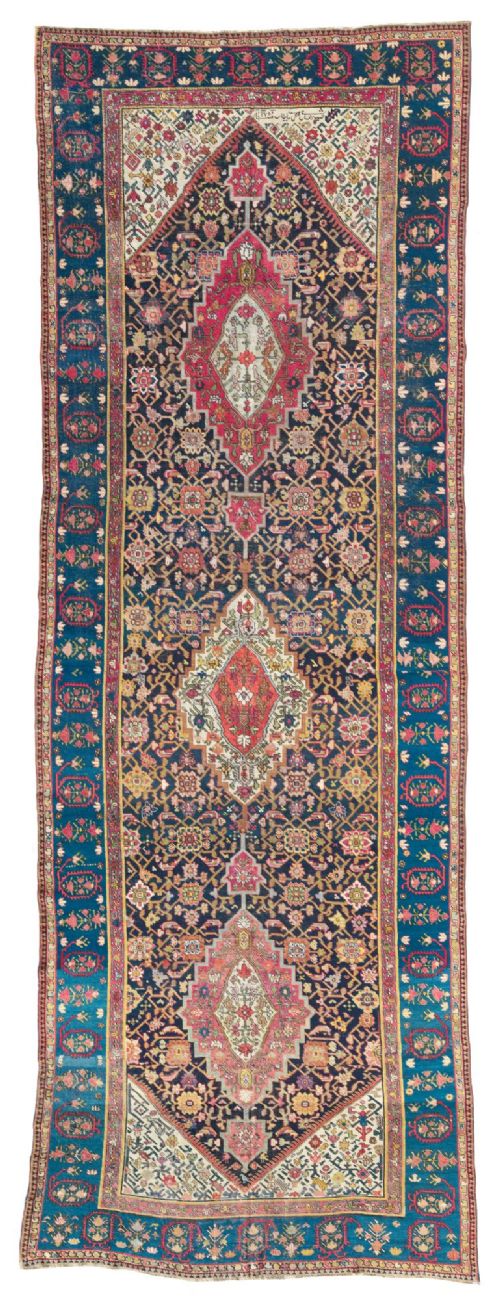
A traditional karabagh runner rug takes the form of an elongated carpet designed for hallways and galleries, originating from the Caucasus region. The pieces listed span from the mid-nineteenth century through the early twentieth century, showing distinct tribal and traditional Caucasian influences.
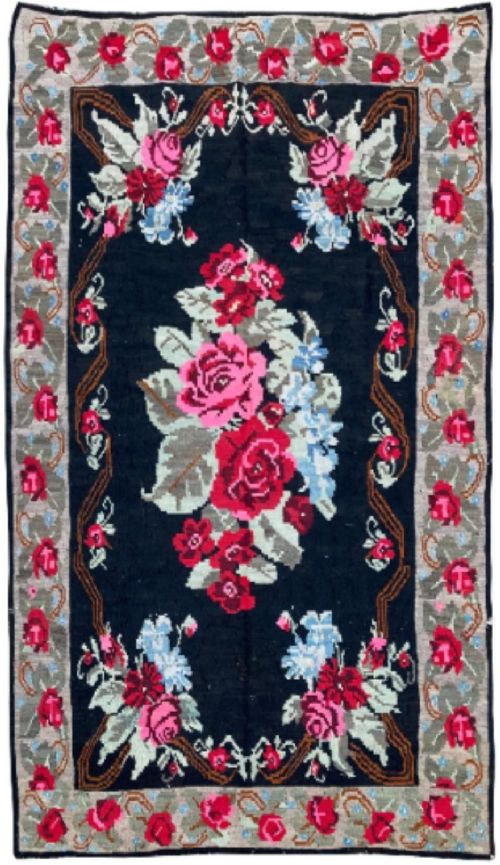
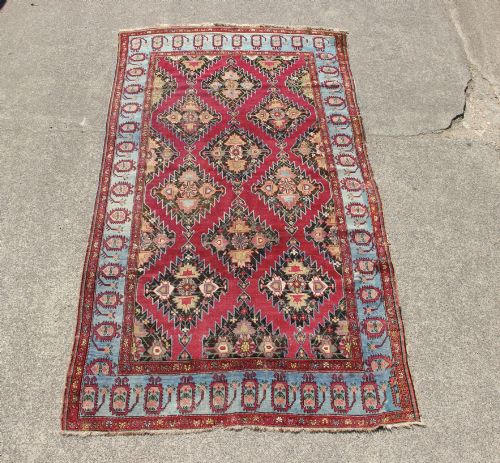
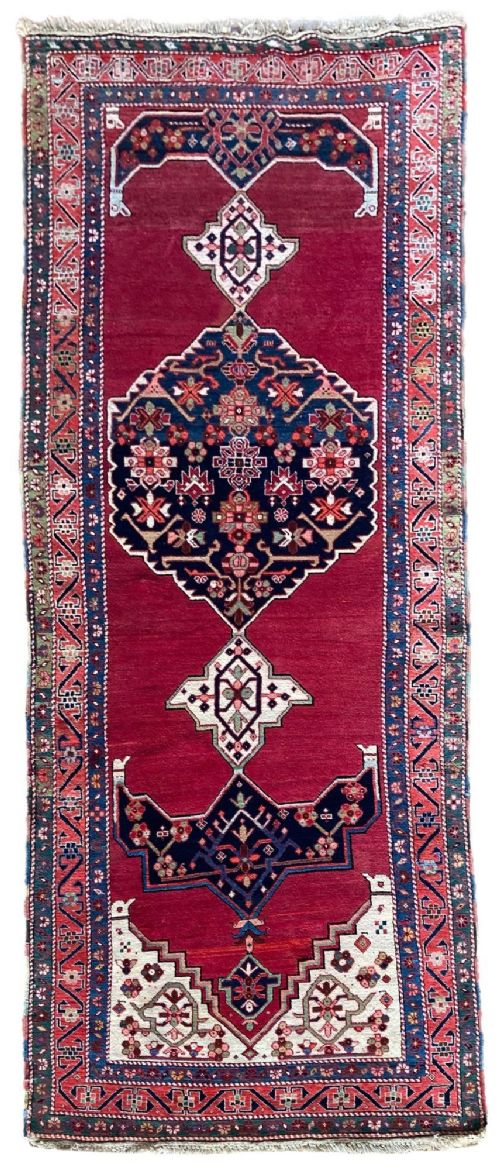
Buyers encounter formats ranging from expansive carpets and kelleh sizes to specific hallway runners and long rugs. Design motifs vary widely, incorporating French-inspired rose patterns, cloud band details, boteh motifs, and figurative depictions of people and animals.
How they were made
Every traditional karabagh runner rug is constructed from wool, utilising traditional knotting and weaving techniques native to the Caucasian region. Artisans built these long formats by hand, incorporating durable pile constructions suited for heavy foot traffic in domestic interiors.
The construction methods support complex pictorial and geometric designs, from classic Chondoresk layouts to floral arrangements. Natural dyeing traditions allowed weavers to achieve striking colour palettes that remain resilient over generations.
The materials in these listings consist entirely of wool, shaped into runners, kelleh carpets, and long rugs across the nineteenth and twentieth centuries.
What varies in quality
Quality in a traditional karabagh runner rug rests upon the precision of the weave and the clarity of the design motifs. Finer knot density allows intricate patterns like boteh arrangements and floral sprays to maintain sharp definition along the elongated format.
The vitality of the wool and the preservation of the original colour schemes distinguish superior examples. Pieces featuring distinctive design elements, such as figurative animal work or French-inspired rose compositions, demonstrate greater artistic ambition from the regional weaver.
The Traditional Karabagh Runner Rug Glossary
- Runner
- A long, narrow carpet format intended primarily for hallways, corridors, and staircases. These pieces balance length with a restrained width.
- Kelleh
- A large, majestic carpet format traditionally longer than it is wide, falling between standard rugs and full palace carpets in scale.
- Boteh
- An almond-shaped or paisley motif with a curved upper end, frequently repeated across Caucasian and Persian weaving traditions. It often symbolizes fertility or life.
- Chondoresk
- A specific geometric medallion design style associated with Caucasian weaving, recognisable through bold, structured central forms and cloud band elements.
Traditional Karabagh Runner Rug: Frequently Asked Questions
Where did they place a traditional karabagh runner rug?
Historically, these elongated floor coverings suited narrow architectural spaces such as hallways, long corridors, and gallery landings.
Their robust wool construction handled daily foot traffic while adding warmth and pattern to functional interior thoroughfares.
How do I date a traditional karabagh runner rug?
Dating relies on examining the specific wool quality, natural dye palettes, and stylistic integration of tribal or French-inspired motifs.
Pieces on this page largely originate from the nineteenth and early twentieth centuries, reflecting the transition of regional weaving styles.
How do I care for a traditional karabagh runner rug?
Regular, gentle vacuuming without a rotating brush roll helps remove embedded dust from the wool pile without straining the antique structure.
Professional cleaning tailored for antique textiles preserves the integrity of the natural dyes and hand-knotted foundation.
What designs appear on a traditional karabagh runner rug?
Motifs span a broad stylistic range, including geometric Caucasian patterns, cloud band formations, and boteh repeats.
Some examples incorporate unexpected floral sprays inspired by French designs or figurative depictions of people and animals.