




Handwoven Anatolian Rug
A handwoven anatolian rug brings centuries of village weaving traditions into modern spaces through rich wool pile and flatweave construction.
Handwoven Anatolian Rug
A handwoven anatolian rug encompasses traditional village carpets, runners, and flatweaves originating from regions such as Ushak, Konya, Milas, and Melas. Buyers searching this phrase commonly encounter pieces spanning the nineteenth century through the early twentieth century, reflecting diverse tribal and regional aesthetics.
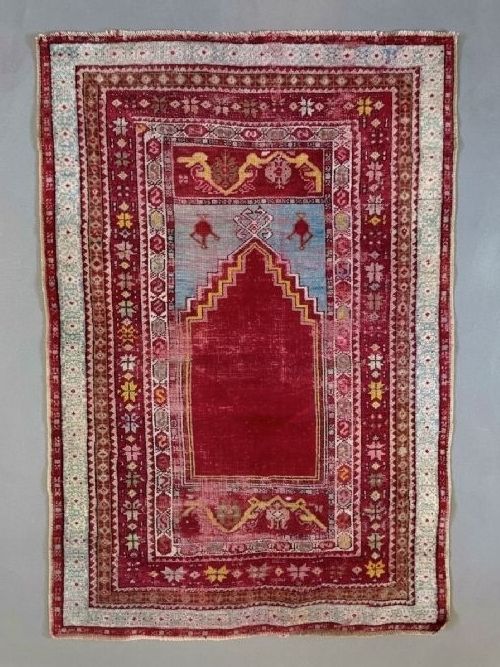
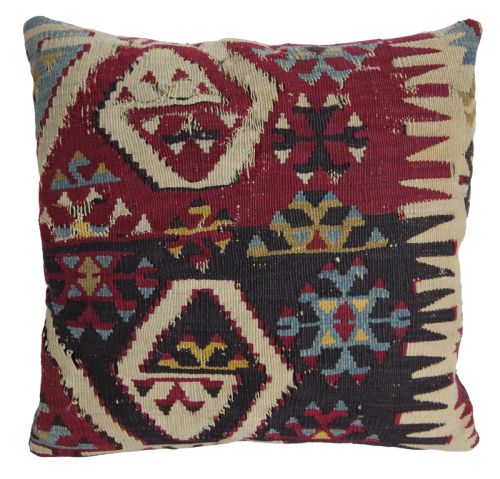
The selection ranges from large carpets and prayer rugs to smaller domestic items such as yastics, bag faces, and decorative cushions. Pieces often display geometric medallions, floral motifs, or traditional prayer arches rooted in distinct local weaving practices.
Materials and construction
Weavers constructed these textiles primarily using wool, cotton, and hand-spun wool, sometimes incorporating leather elements on specific utility items like saddlebags. Natural fibres provided the durable foundation necessary for both pile carpets and flatwoven kilims.
The manufacturing process relied on traditional hand-knotting and flatweaving techniques passed down through generations in anatolia. Skilled artisans utilised locally sourced materials to create durable floor coverings and household textiles designed for daily use.
Listings feature structural variations including pile carpets, flatwoven kilims, and stuffed cushions utilising wool and cotton materials.
Assessing quality
Quality in these textiles depends heavily on the fineness of the weave, the integrity of the natural materials, and the crispness of the design execution. Tighter knotting and careful handling of the wool pile generally distinguish finer examples from standard village work.
The depth and preservation of the dye colours also influence the overall standard of a piece. Well-maintained historical examples retain strong visual contrast and structural stability across the foundation.
Ushak·Konya·Milas·Melas·Karakecili
The Handwoven Anatolian Rug Glossary
- Kilim
- A flatwoven carpet or rug produced without a pile. These pieces rely on interlocking the warp and weft threads to create geometric patterns.
- Prayer rug
- A small textile featuring a mihrab or niche design used historically for daily prayers. The niche points toward mecca during religious observances.
- Yastic
- A traditional small Turkish cushion or pillow face. These items were often constructed from fragment sections of older carpets or woven as standalone domestic pieces.
- Milas
- A specific weaving region in southwestern anatolia known for distinct prayer designs and warm colour palettes. Rugs from this area often exhibit unique floral interpretations.
Handwoven Anatolian Rug: Frequently Asked Questions
How do I identify an older anatolian rug?
Examination of the materials, such as hand-spun wool and natural dyes, provides clues regarding the age of a textile. Structural characteristics and regional motifs also help establish the likely period of origin.
Comparing knot density and edge finishes against documented examples from the nineteenth and early twentieth centuries aids verification.
Where were these textiles made?
These pieces originate from various towns, villages, and nomadic encampments across the anatolian region of turkey. Specific districts like konya, ushak, and milas developed distinct regional styles.
Local weavers incorporated traditional motifs that reflected their specific tribal heritage and geographic community.
How should I care for a vintage rug?
Regular gentle vacuuming without a rotating brush helps prevent dirt accumulation within the wool fibres. Professional cleaning tailored to antique textiles ensures the preservation of natural dyes.
Keeping the piece out of direct sunlight prevents premature fading of the wool and maintains the original colour balance.