









Handmade Area Rug
These handmade area rug examples bring tribal warmth and village character into a room through authentic regional weaving traditions.
Handmade Area Rug
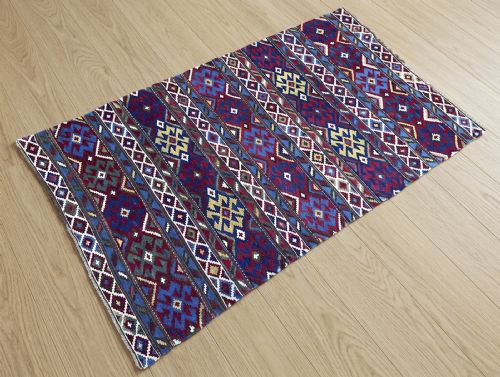
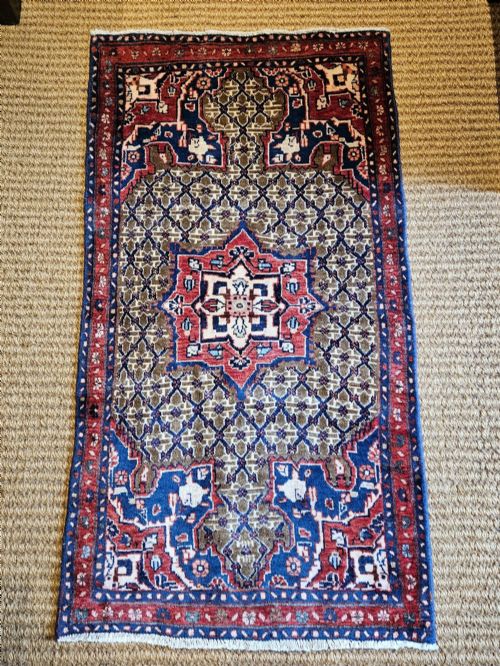
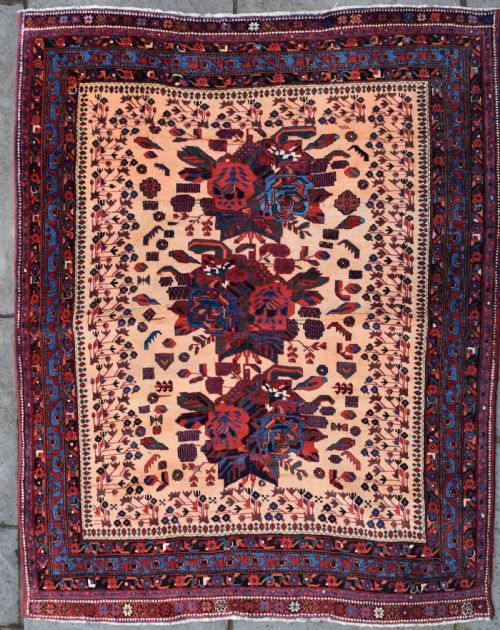
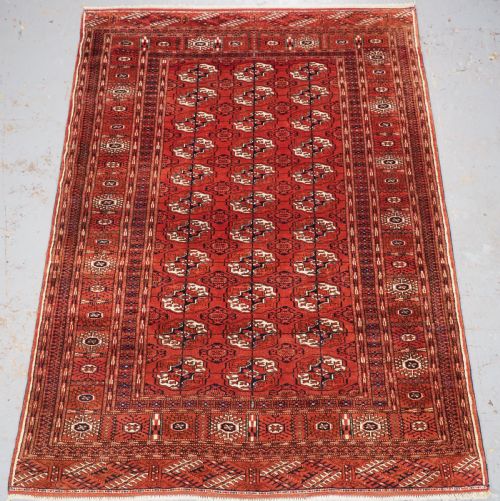
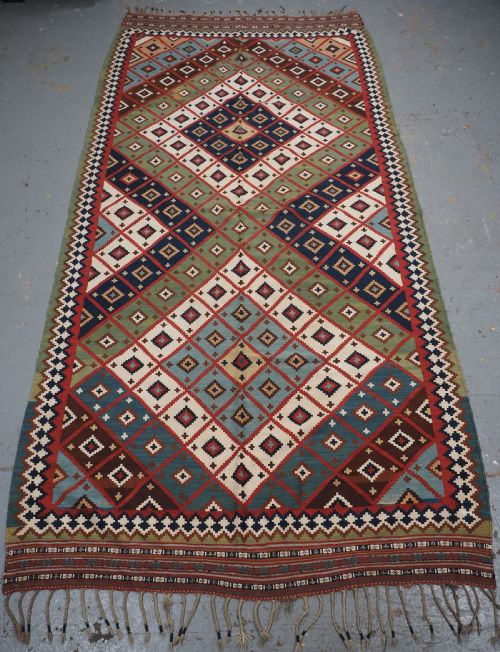
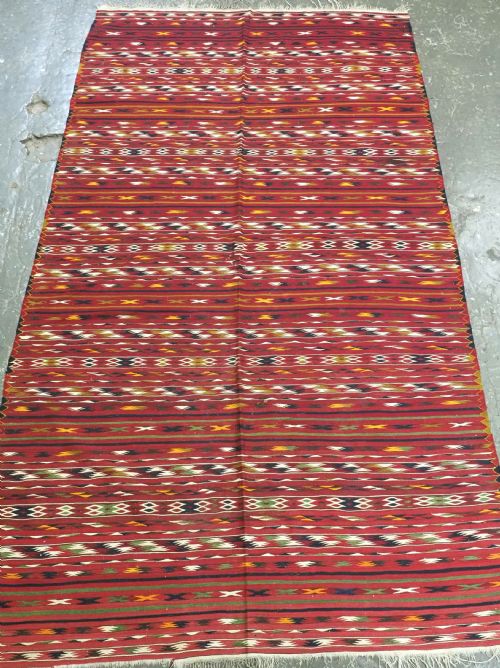
A handmade area rug covers floor space with patterned textile artistry originating from Persian, Caucasian, Anatolian and Turkmen tribal regions. These pieces include hearth sized formats, prayer rugs, dowry rugs and kilims produced across the nineteenth and early twentieth centuries.
The version most likely to meet a buyer on this page is an antique tribal or village weaving from around nineteen hundred, featuring geometric motifs, central medallions or banded designs.
Makers ranged from nomadic weavers to village artisans who utilised traditional regional patterns passed down through generations.
How they were made
Construction relies primarily on natural wool and cotton materials, often utilising hand-spun wool for the pile and cotton warp threads for structural stability. Weavers tied pile knots or wove flat-weave kilim structures by hand on traditional vertical and horizontal looms.
Dyes derived from natural sources provided the rich palettes seen across Shirvan, Heriz, Tekke Turkmen and Qashqai pieces. The combination of hand-spun wool and tight knotting created durable textiles designed for daily domestic use.
Handmade Area Rug Retail Price Guide 2026
Typical asking prices for handmade area rug among the pieces listed under this phrase on Sellingantiques today, from the lower quarter to the upper quarter. They describe what is for sale here now, not the wider market.
Listings span the nineteenth and early twentieth centuries, featuring wool and cotton materials across Persian, Caucasian, Anatolian and Turkmen styles.
What varies in quality
Knot density and structural tightness dictate the fineness of the weave, separating robust utilitarian floor coverings from exceptionally delicate tribal weavings. A very fine weave allows intricate geometric drawing within gul motifs and medallions.
Colour retention and dye saturation govern visual appeal, with well-preserved natural pigments maintaining depth and contrast over the decades. The precision of tribal design execution reflects the skill of the individual weaver.
The Handmade Area Rug Glossary
- Gul
- A primary octagonal medallion motif frequently found in Turkmen tribal weavings. This repeating design element forms the visual anchor of the rug field.
- Kilim
- A flat-weave textile produced without a pile by tightly interweaving warp and weft threads. These pieces often serve as decorative floor coverings or wall hangings.
- Warp
- The stationary vertical threads stretched across a loom that form the structural foundation of the rug. Cotton warp threads provide rigid support for the knotted pile.
- Chuval
- A large storage bag face produced by Turkmen weavers, often repurposed or collected as an independent rug format. These items display intricate traditional guls.
- Mina khani
- A repeating floral lattice pattern distributed evenly across the field of Persian and Baluch rugs. This classic design connects stylized blossoms with delicate trellis lines.
Handmade Area Rug: Frequently Asked Questions
How do I clean a antique handmade area rug?
Gentle surface vacuuming without a beater bar removes loose dirt and protects the delicate hand-spun wool pile from fibre damage.
Professional specialist cleaning remains essential for deep maintenance, as domestic washing methods can damage natural dyes and cotton warp foundations.
Where were these tribal rugs originally made?
Weavers produced these textiles across various regions including the Caucasus, Anatolia, Persia and Central Asia within nomadic camps and established villages.
Specific areas such as Shirvan, Heriz, Hamadan and Qashqai territories developed distinct aesthetic traditions that identify their geographical origin.
How do I date an old tribal rug?
Stylistic indicators such as natural dye palettes, specific gul geometries and structural materials like hand-spun wool help determine the production era.
Comparing knot structure and regional design conventions against established nineteenth and early twentieth-century examples narrows down the timeframe.
Can I place these rugs in high traffic areas?
Sturdy wool construction and dense knotting allowed these textiles to withstand generations of domestic floor use in village and nomad settings.
Placing a quality rug underlay beneath the piece prevents slipping and reduces fibre wear from foot traffic on hard flooring.