
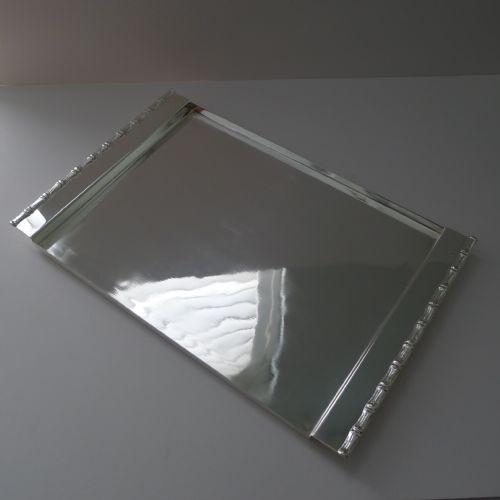
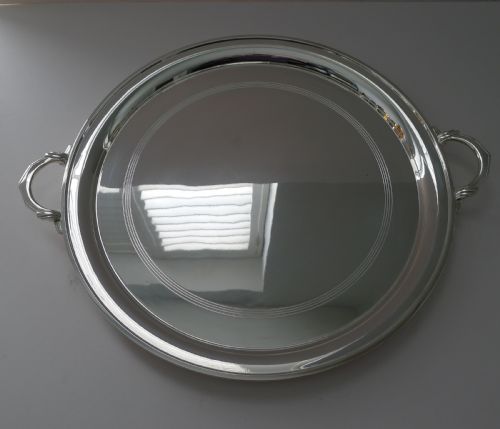
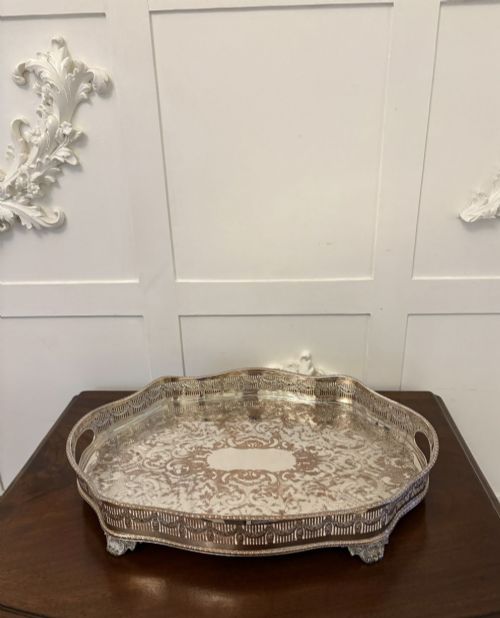
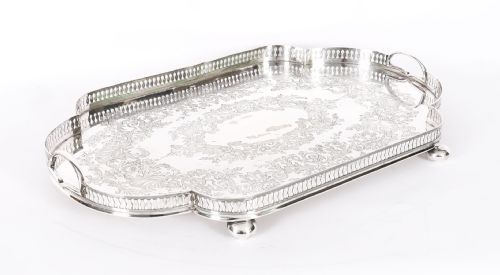

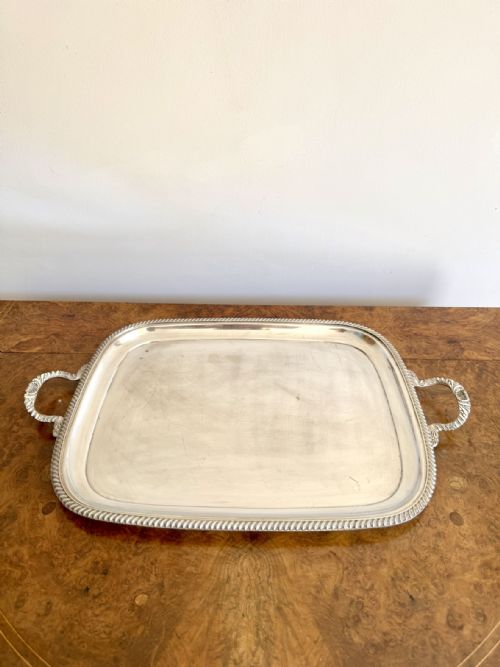


Handled Silver Platter
A handled silver platter brings weight and proportion to a table, offering a solid surface for drinks, tea services or presentation.
Handled Silver Platter
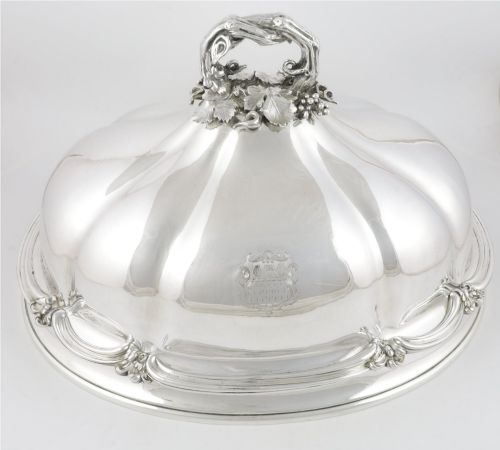
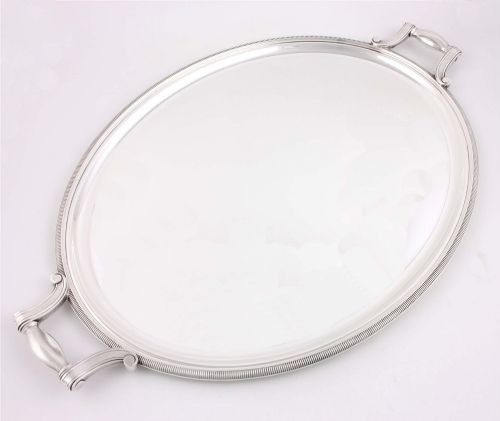
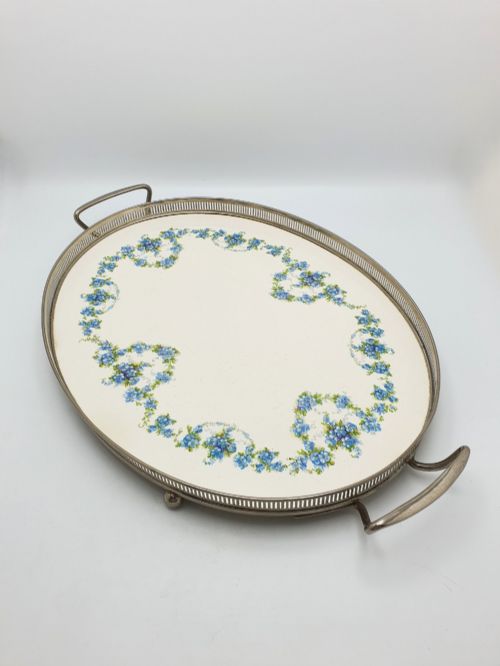
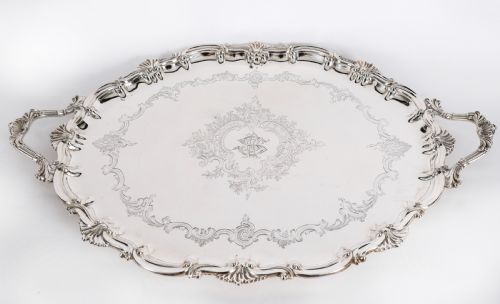
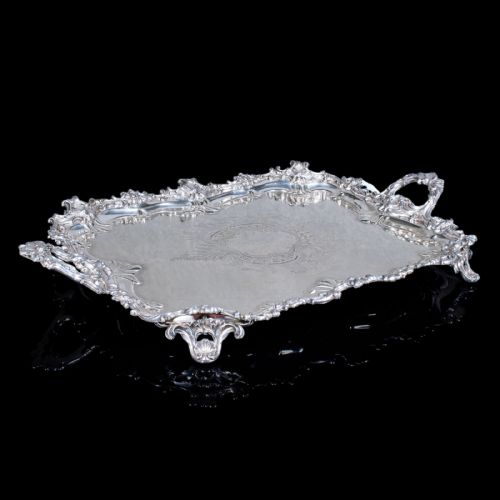
A handled silver platter serves as a functional serving piece or a decorative tray, designed with integrated handles for carrying drinks, tea sets or carving items. When searching for a handled silver platter, a buyer encounters varied forms ranging from simple oval serving trays to elaborate gallery trays with pierced borders and meat domes.
The pieces on this page span several periods, with Edwardian and Victorian examples appearing most frequently alongside Art Deco and mid-century designs. Most items utilise silver plate, electroplated nickel silver or old Sheffield plate, though solid sterling silver pieces also feature.
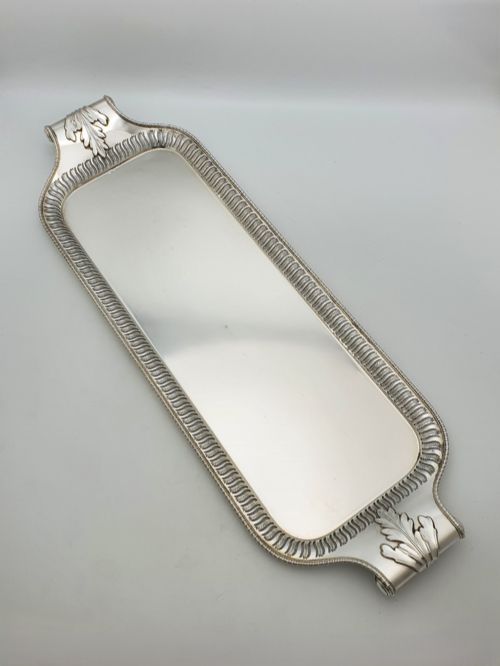
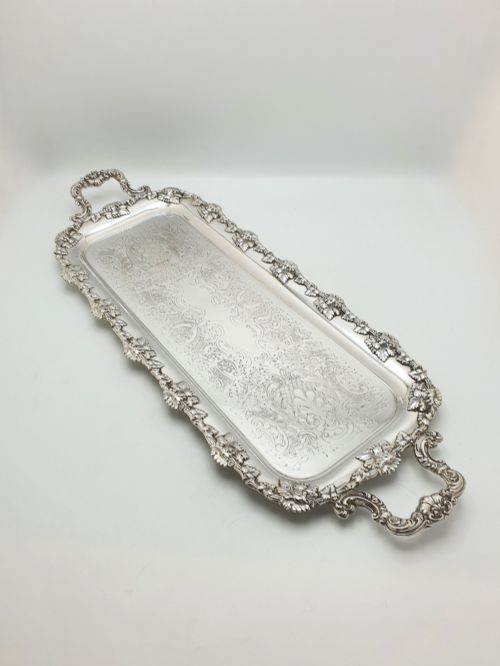
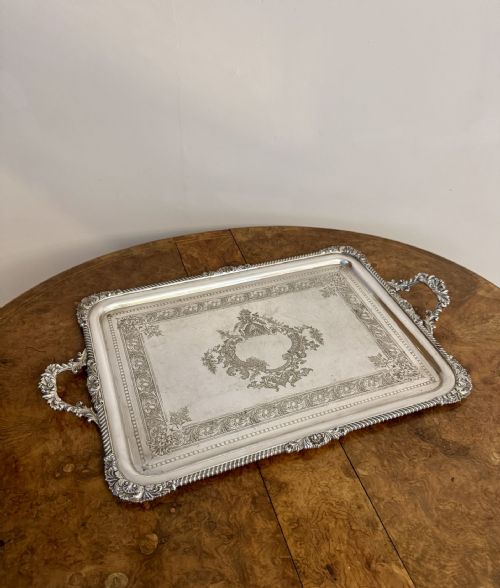
Forms include rectangular, round and oval serving trays, alongside specialist pieces like cocktail trays, decanter trays and meat warming dishes. Origin points include English makers from Sheffield and London, alongside continental European workshops.
How they were made
Manufacturing methods rely heavily on plating techniques, where a thin layer of silver bonds to a base metal core such as copper, nickel silver or standard base metal. Electroplated nickel silver and old Sheffield plate represent the primary application methods found across these serving vessels.
Decoration involves hand engraving, piercing and applied borders featuring motifs like grapevines or floral centres. Handles are soldered or cast separately before being attached to the main body of the tray or platter.
Listings feature silver plate, sterling silver, copper and nickel silver across Edwardian, Victorian and Art Deco periods.
What varies in quality
Quality rests in the thickness of the silver deposition and the structural integrity of the base metal. Substantial weight indicates a solid foundation, whereas thin plating wears down through repeated polishing to expose the underlying copper or base metal.
Artisanal execution in the engraved surface patterns, the crispness of pierced galleries and the secure attachment of handles separate standard production items from masterworks produced by renowned silversmiths.
Mappin & Webb·Christofle·James Deakin·Roberts Cadman·Thomas Bradbury & Sons·Harrison Bros·Elkington & Co·Hukin & Heath·J B Chatterley & Sons·Frank Cobb & Co·Asprey
The Handled Silver Platter Glossary
- Sheffield Plate
- An early method of fusing a thin sheet of silver to a thicker copper core by heat and pressure. Pieces made this way often show a reddish copper tone where the silver layer has worn thin.
- EPNS
- Electroplated Nickel Silver, a common manufacturing standard from the nineteenth century onward. It denotes a base of nickel alloy coated with an electrolytic layer of silver.
- Gallery Tray
- A serving tray featuring an upright, often pierced or pierced-and-engraved metal rim around the edge. This barrier keeps decanters and glasses secure during transit.
- Meat Dome
- A large, domed cover designed to retain heat over a roast or joint of meat on a serving platter. These often accompany warming dishes with compartments for hot water.
Handled Silver Platter: Frequently Asked Questions
How do I clean my silver platter?
Use a specialised silver polish and a soft cloth to gently remove tarnish without scrubbing. Avoid abrasive cleaners that strip thin silver plate layers.
Rinse the tray thoroughly in warm water and dry it immediately with a lint-free cloth to prevent water spots and maintain the shine.
Can I use these trays for food?
Silver and silver plate are traditionally used for serving food, afternoon tea and drinks. Ensure the protective plating remains intact before placing unpackaged food directly on the surface.
Acidic foods and prolonged exposure to moisture can tarnish or react with older base metals, so wipe the platter clean after use.
What is the difference between old Sheffield plate and EPNS?
Old Sheffield plate involves mechanically fusing silver to copper through heat and rolling, resulting in a distinct layered structure visible at edges. EPNS uses electricity to bond silver onto a nickel alloy core.
Items marked EPNS generally date from the Victorian era onward, while fused Sheffield plate represents earlier nineteenth-century manufacturing.
How do I date a silver platter?
Examine maker marks, hallmarks and style indicators such as Edwardian pierced borders or Art Deco geometric lines. Sterling silver pieces carry official assay office stamps and date letters that pinpoint the exact year.
Silver-plated items rely on the maker's mark and stylistic cues to establish an approximate decade of production.