



Hand Woven Wool Bag
When you search for a hand woven wool bag, you uncover tribal textiles carrying generations of nomadic history across Central Asia and Persia.
Hand Woven Wool Bag
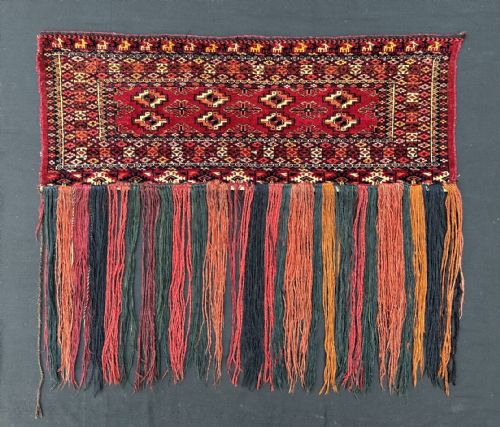
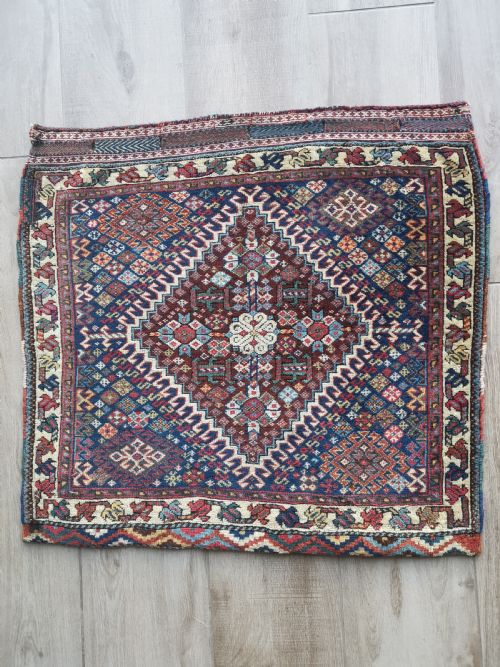
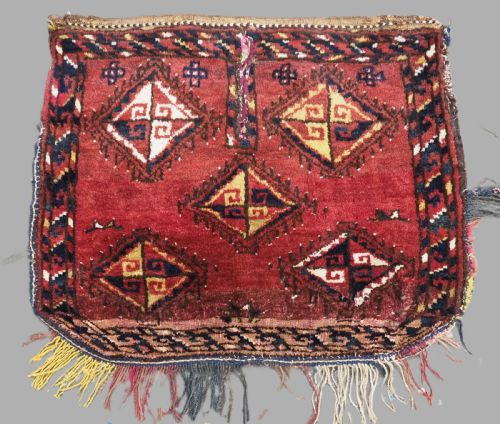
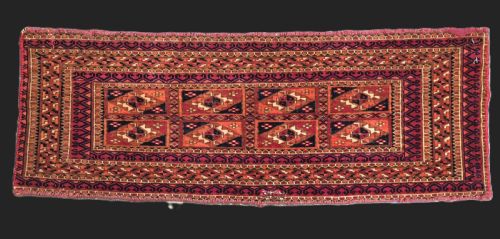
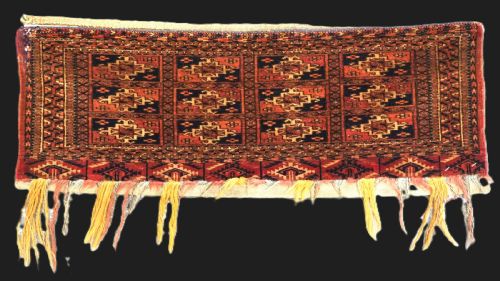
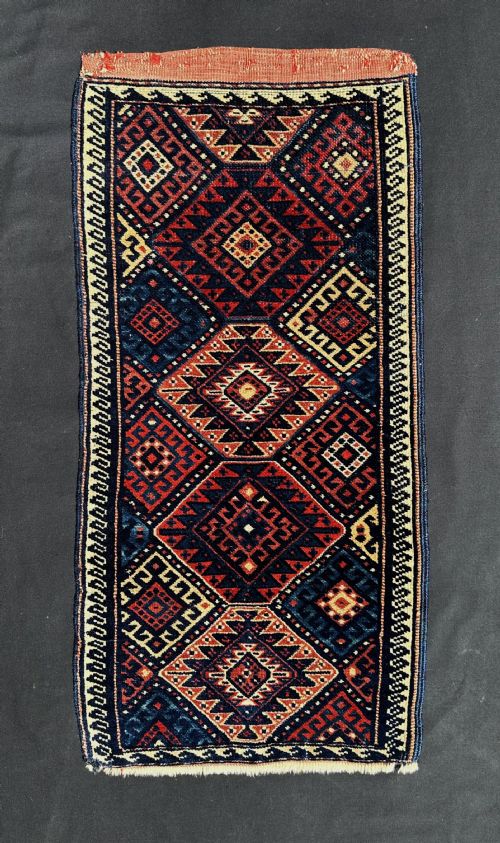
A hand woven wool bag on this page typically appears as a torba, chuval, or saddlebag face originating from Turkmen, Persian, or Central Asian nomadic groups. These utilitarian vessels served for storage, transport, and dowries within tribal camps before surviving into the antique market. Most examples date from the nineteenth and early twentieth centuries, retaining their distinctive structural utility.
Buyers encounter formats ranging from complete storage bags with plain weave backs to single bag faces repurposed into cushions. Tribal groups such as the Tekke, Yomut, and Ersari produced distinct geometric formats including kap and mafrash pieces. These items reflect the domestic realities of nomadic life translated into enduring woven art.
How they were made
Weavers constructed these pieces using hand-spun wool and natural dyes, occasionally incorporating cotton or linen for structural elements and foundation warps. Artisans worked on portable ground looms set up across the steppes and mountain regions, applying dense knots to build resilient pile surfaces. Natural dyestuffs produced deep madder reds, soft ivories, and indigo blues that matured gracefully over decades of exposure.
The technique relies on tight knotting combined with flatweave backs or plain-weave extensions designed to endure daily friction during migration. Structure dictates durability, ensuring the dense pile protects the contents while displaying intricate tribal motifs such as guls and curled leaf patterns.
Some bag faces retain their original plain-weave backs, having spent centuries quietly holding blankets before joining the antique trade.
What varies in quality
Quality rests upon knot density, the precision of the design geometry, and the saturation of the natural dyes. Finer weave counts allow complex motifs like turreted guls to appear sharp and legible against the field. Expert colour mixing using organic dyes yields varied abrash tones that enhance the visual depth of the wool.
The integrity of the remaining wool pile and the retention of original side cords or back panels separate standard examples from exceptional survivals. Master weavers achieved superior handle and balance, where the structure remains supple yet dense enough to maintain its form over generations.
The Hand Woven Wool Bag Glossary
- Torba
- A small horizontal storage bag traditionally used inside a nomadic tent for bedding or valuables. These pieces often feature prominent gul patterns along the main field.
- Chuval
- A large tent bag utilised for heavy storage during migrations. They frequently display multiple rows of primary guls and robust plain weave backs.
- Gul
- A medallion or repeated octagonal motif associated with specific Turkmen and Central Asian tribes. Each design element identifies the particular clan or weaving group.
- Abrash
- A natural variation in wool colour resulting from changes in dye batches or hand-spun yarn lots. This tonal shading creates subtle horizontal bands across the pile.
- Mafrash
- A rectangular storage box or bag face used for bedding stacks within nomadic households. These items showcase dense geometric patterning adapted from tribal traditions.
Hand Woven Wool Bag: Frequently Asked Questions
How were these bags used?
Nomadic tribes utilised these wool containers inside tents for storing household possessions, clothing, and bedding during seasonal migrations.
They also functioned as dowry items, demonstrating the weaving skill and artistic heritage of the maker within the community.
Where do these pieces originate?
The listings originate primarily from Central Asian steppes and Persian regions, created by groups such as the Turkmen, Qashqai, and Baluch.
Tribes across Turkmenistan, Khorassan, and Fars translated their regional nomadic traditions into these portable textile formats.
How do I live with them?
Many collectors display these textiles mounted on walls or placed flat on surfaces to protect the delicate wool pile from heavy foot traffic.
Bag faces adapted as cushions offer a functional way to incorporate antique tribal weaving into modern seating arrangements.
How are periods told apart?
Earlier nineteenth-century pieces display greater saturation in natural madder dyes alongside finer knotting and more organic wool textures.
Later examples from the early twentieth century often incorporate broader design proportions and varied structural foundations.