



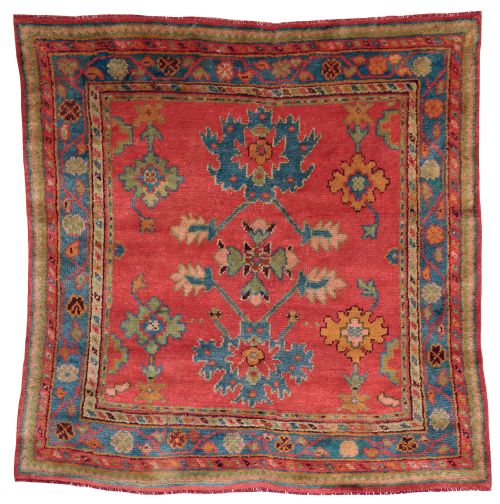


Hand Woven Ushak Carpet
A hand woven ushak carpet brings enduring character to a room, offering the subdued palettes and large-scale motifs characteristic of Anatolian weaving.
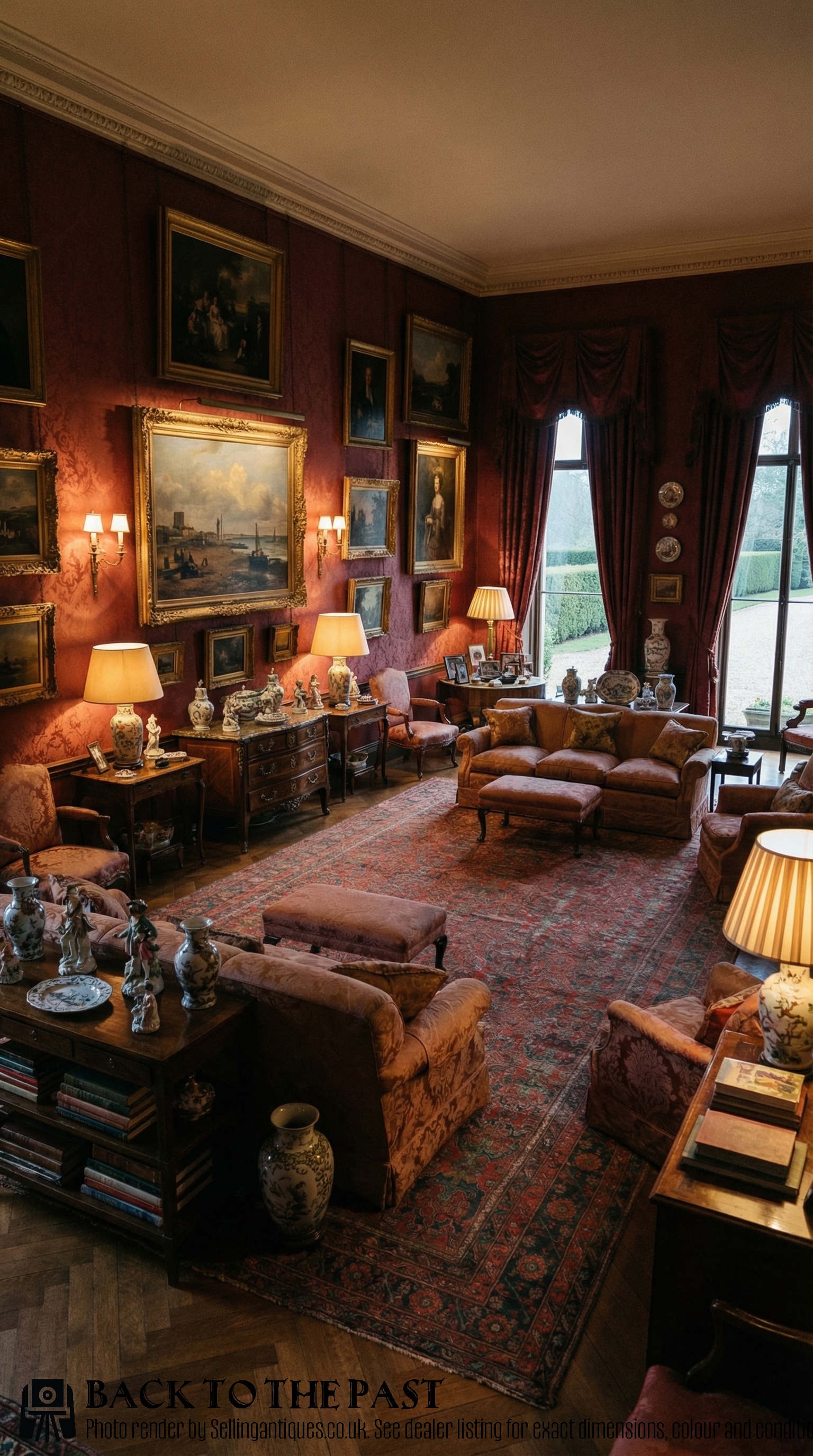
Hand Woven Ushak Carpet
A hand woven ushak carpet represents a distinct tradition of floor covering originating from the town of Ushak in Anatolia. These pieces are defined by their specific regional aesthetics, encompassing styles described as Ottoman, Turkish Oushak, and Anatolian.
The selections available here span the late nineteenth and early twentieth centuries, including dates from 1880, 1890, 1900, 1910, and 1920, alongside examples broadly attributed to the nineteenth century. Buyers will encounter various formats ranging from standard area rugs and small carpets to oversize runners.
Most examples adhere to traditional Turkish design idioms, though variations appear such as an eighteenth-century Ushak design executed in Donegal. The primary focus remains on pieces that bridge traditional Anatolian craftsmanship with the interior demands of historic and modern homes.
How they were made
The construction of a hand woven ushak carpet relies on natural fibres, predominantly utilising wool for the pile and foundation work alongside cotton. Certain specimens incorporate angora wool, which imparts a distinct lustre and softer hand to the pile.
Weavers employed traditional hand-knotting techniques on upright looms, working within established Anatolian workshops and village traditions. The materials were dyed using natural substances that produced the characteristic muted tones and ivory grounds seen across the inventory.
Listings feature pieces spanning from the 1880s through the 1920s, predominantly constructed from wool and cotton with occasional angora wool.
What varies in quality
Quality in a hand woven ushak carpet rests upon the fineness of the knotting and the handling of the wool. Pieces utilising angora wool often display superior pile texture and light-reflecting qualities compared to standard wool equivalents.
The coherence of the design execution and the preservation of the original palette separate standard examples from finer works. The depth of tone and the balance of medallions across ivory grounds demonstrate the skill of the original weavers.
The Hand Woven Ushak Carpet Glossary
- Ushak
- A style of carpet originating from the town of Uşak in western Turkey, known for large-scale floral motifs and restrained colour palettes. These designs influenced carpet production across Europe and the Near East.
- Angora wool
- A fibre sourced from Angora goats, utilised in specific antique rugs to create a softer pile and a lustrous appearance. This material contributes to a richer tactile quality in the finished weave.
- Medallion
- A central ornamental motif placed in the field of a carpet, frequently serving as the focal point of the composition. In these pieces, medallions often feature geometric or stylized floral forms.
- Anatolia
- The geographical region forming the Asian part of Turkey, historically renowned for its diverse weaving traditions. Carpets attributed to this area incorporate local tribal and classical court designs.
- Runner
- A long, narrow format of carpet designed primarily for hallways, staircases, or galleries. These pieces maintain the decorative integrity of larger carpets within a restricted width.
Hand Woven Ushak Carpet: Frequently Asked Questions
How do I date an Ushak carpet?
Dating relies on stylistic markers, structural analysis, and material characteristics typical of specific decades between 1880 and 1920. Comparing the knot density and dye palette against known examples helps narrow the period of origin.
Changes in trade routes and chemical dye introduction also assist in establishing whether a piece belongs to the late nineteenth or early twentieth century.
Where were Ushak carpets made?
These carpets were produced in and around the town of Ushak in western Anatolia, a historic hub for Turkish textile manufacturing. Production also extended across various workshops throughout the broader Anatolian region.
Weaving traditions were passed down through generations, maintaining distinct regional characteristics that separate them from Persian or Caucasian carpets.
How do I care for an antique rug?
Maintenance requires gentle vacuuming without a beater bar and professional cleaning by specialists familiar with antique textiles. Keeping the rug out of direct sunlight prevents the natural dyes from fading prematurely.
Using a quality underlay helps reduce friction between the wool pile and the floor, extending the lifespan of the foundation.