




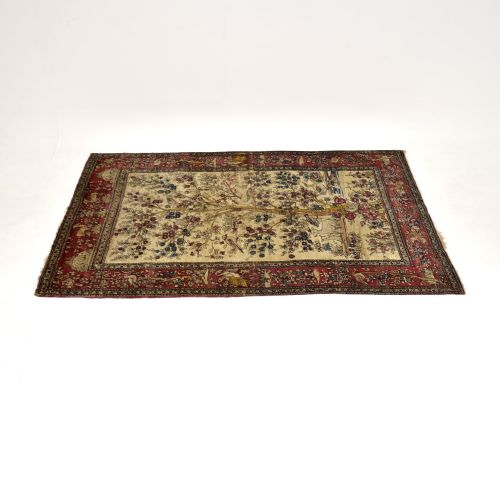

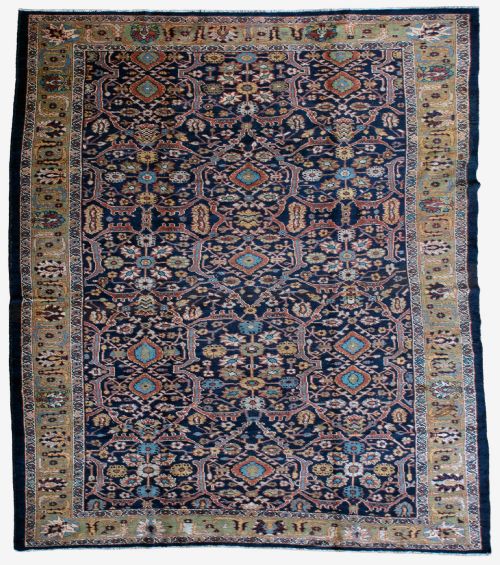
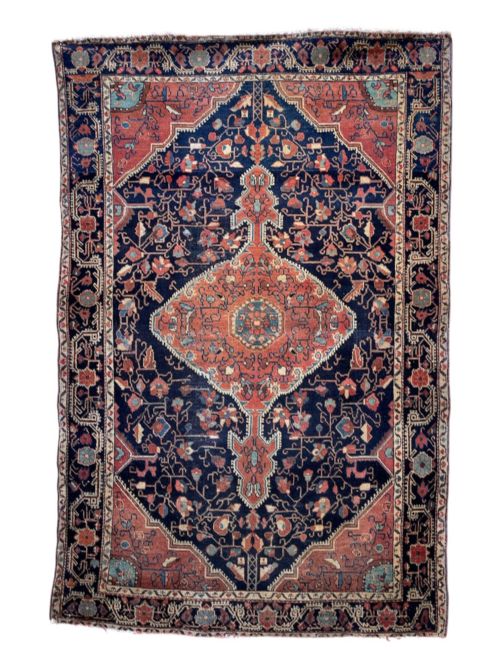
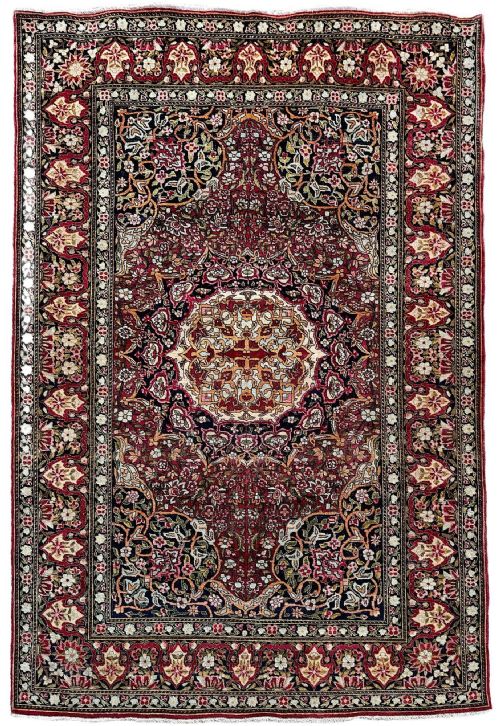
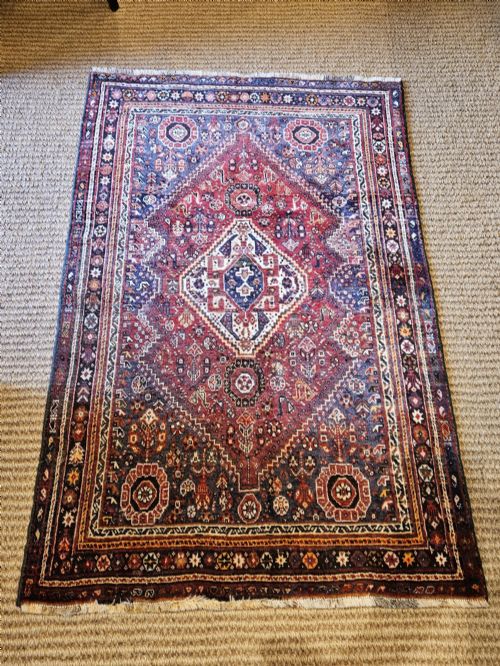
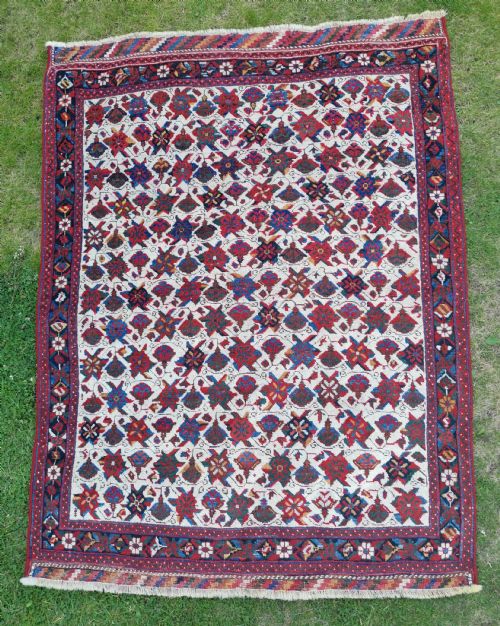
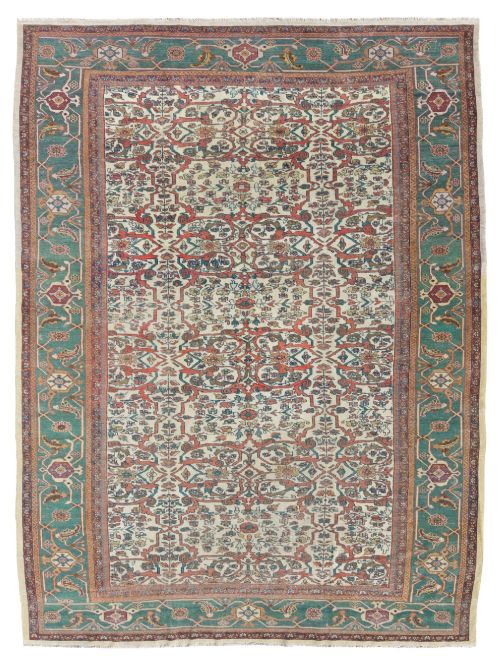
Hand Woven Floor Carpet
These hand woven floor carpet examples bring centuries of regional weaving traditions, traditional motifs and dense wool construction straight to the floor.
Hand Woven Floor Carpet
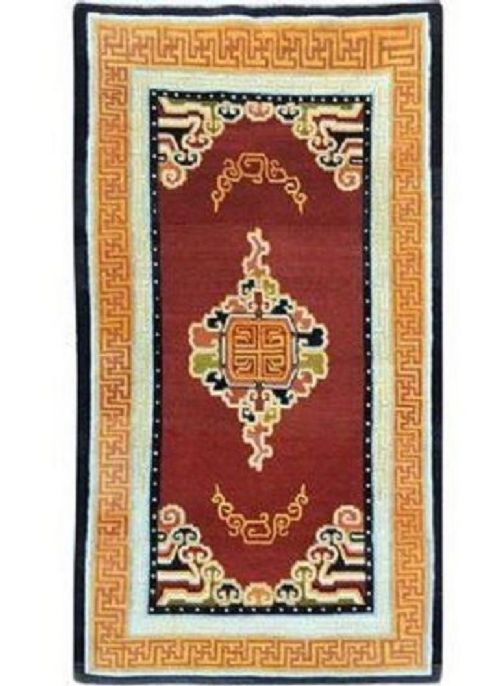
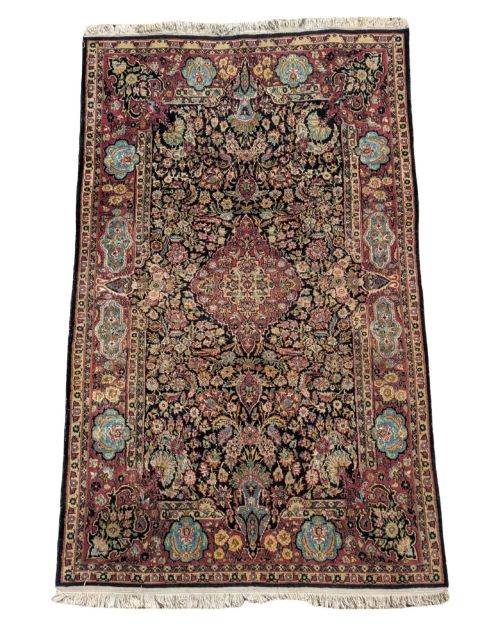
A hand woven floor carpet represents centuries of traditional textile production spanning Persian, Caucasian, and Tibetan origins. Buyers seeking these textiles encounter various formats including large carpets, area rugs, hallway runners, and room-sized floor coverings originating from the nineteenth and early twentieth centuries.
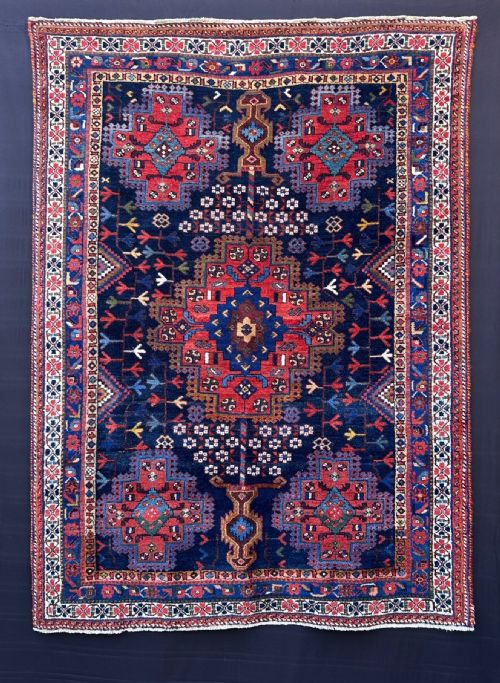
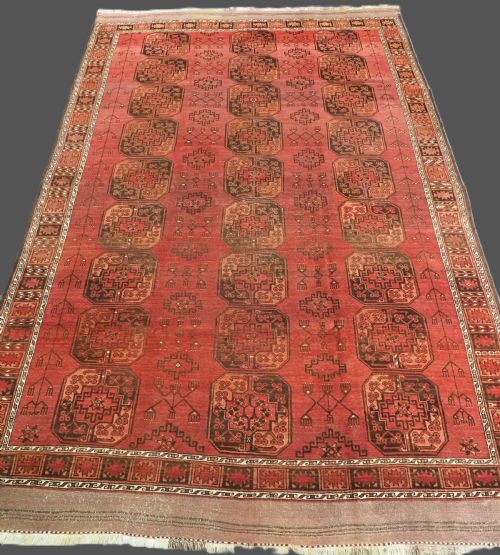
The most common versions met on this page include Persian town and village rugs, alongside tribal pieces from Kurdish, Afshar, Bakhtiar, and Baluch weavers. These floor coverings utilise historic designs passed down through generations, rendered in dense wool, cotton foundations, and occasional silk highlights.
Materials and construction methods
Traditional weavers constructed each hand woven floor carpet using durable wool for the pile, combined with cotton or wool foundations for structural integrity. Selected examples incorporate silk highlights to accentuate intricate medallion and floral details within the field.
Makers employed hand-knotting techniques on vertical looms, applying natural dyes derived from plants and minerals to achieve deep red, blue, and rust tones. The resulting textiles provide substantial weight and resilience suited for domestic flooring.
Hand Woven Floor Carpet Retail Price Guide 2026
Typical asking prices for hand woven floor carpet among the pieces listed under this phrase on Sellingantiques today, from the lower quarter to the upper quarter. They describe what is for sale here now, not the wider market.
Dated examples span from the mid-nineteenth century through the 1930s, featuring Persian, Caucasian, and Tibetan weaving styles.
Assessing quality in antique carpets
Quality in a hand woven floor carpet rests upon knot density, precision of the geometric or floral drawing, and the integrity of the wool. Finer pieces demonstrate precise execution of complex medallion layouts and consistent pile height across the expanse.
The distinction between standard village production and master workshop pieces lies in the refinement of the vegetable dyes and the complexity of the border arrangements. Uniformity in the hand-spun foundation threads further separates exceptional textile specimens from standard utilitarian floor coverings.
The Hand Woven Floor Carpet Glossary
- Medallion
- A central ornamental design motif placed in the middle of the carpet field. It serves as the primary focal point for many Persian and Caucasian regional styles.
- Warp
- The stationary vertical threads stretched onto the loom before weaving begins. The pile knots are tied around these longitudinal foundation threads.
- Weft
- The horizontal threads passed across the warp threads after each row of knots. This secures the pile in place and determines the structural firmness of the fabric.
- Pile
- The upright cut or looped yarn forming the functional surface of the carpet. Its thickness and material composition dictate the tactile feel and durability underfoot.
- Field
- The central background area of the carpet enclosed by the border system. This space typically contains the main repetitive motifs, medallions, or pictorial scenes.
Hand Woven Floor Carpet: Frequently Asked Questions
How do I clean a hand woven floor carpet?
Maintenance requires gentle vacuuming without a rotating brush bar to protect the wool pile and foundation threads.
Professional specialist cleaning is essential for addressing deep soil or spills to prevent dye bleeding across the cotton and wool fibres.
Can I place these carpets in high traffic areas?
Traditional wool and cotton construction provides remarkable durability suited for living rooms, studies, and hallways.
Placing a quality underlay beneath the floor covering prevents slipping and reduces friction against hard flooring surfaces.
How do I identify a tribal rug from a town carpet?
Tribal pieces display geometric motifs, asymmetric layouts, and earthy palettes reflecting nomadic cultural traditions.
Town carpets exhibit curved floral sprays, balanced central medallions, and finer knot densities achieved within structured urban workshops.
What periods do these antique carpets cover?
The available selection primarily encompasses pieces produced during the nineteenth and early twentieth centuries.
Dated examples span from the mid-nineteenth century through the 1930s, representing diverse weaving eras across Persia, the Caucasus, and Tibet.