


Hand Woven Accent Carpet
A hand woven accent carpet brings texture, pattern and history directly onto the floor from centuries of regional weaving traditions.
Hand Woven Accent Carpet
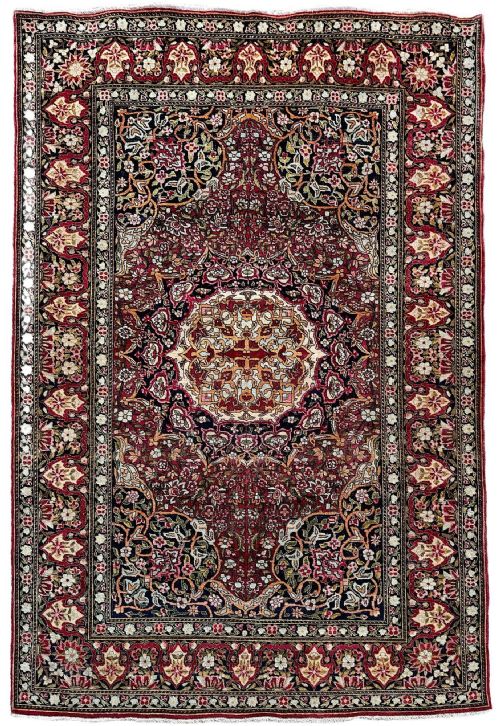
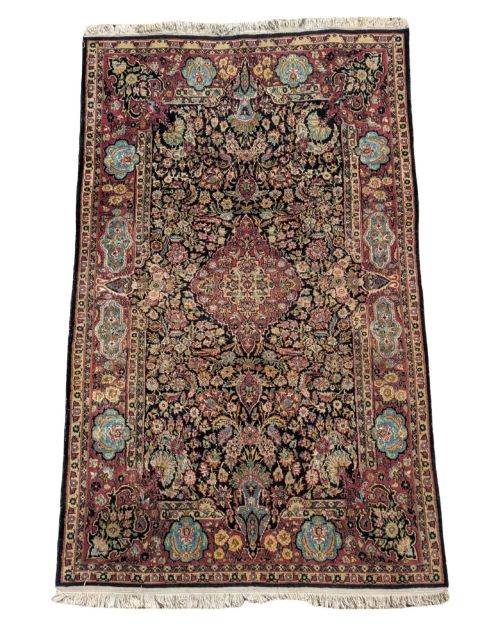
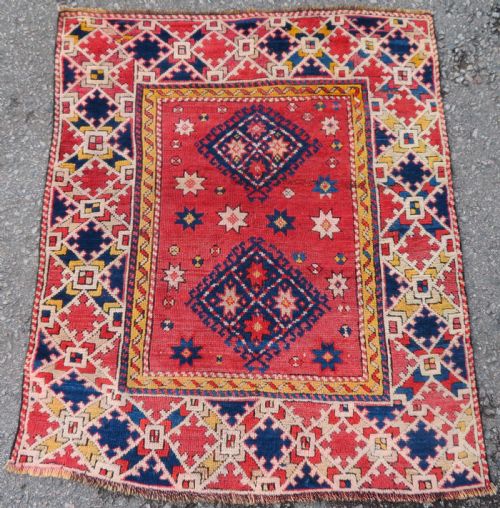
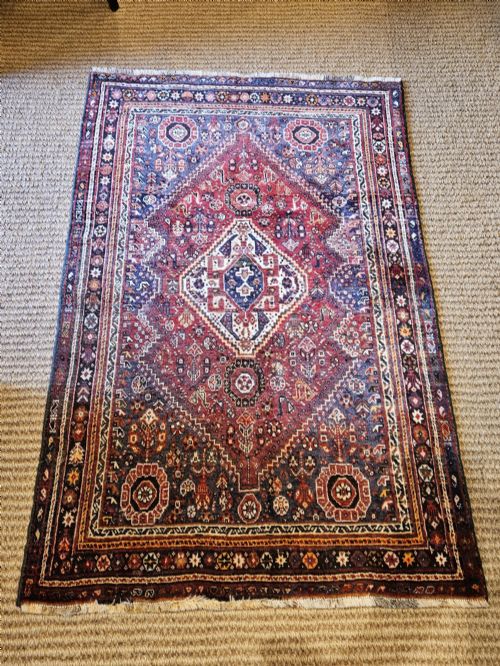
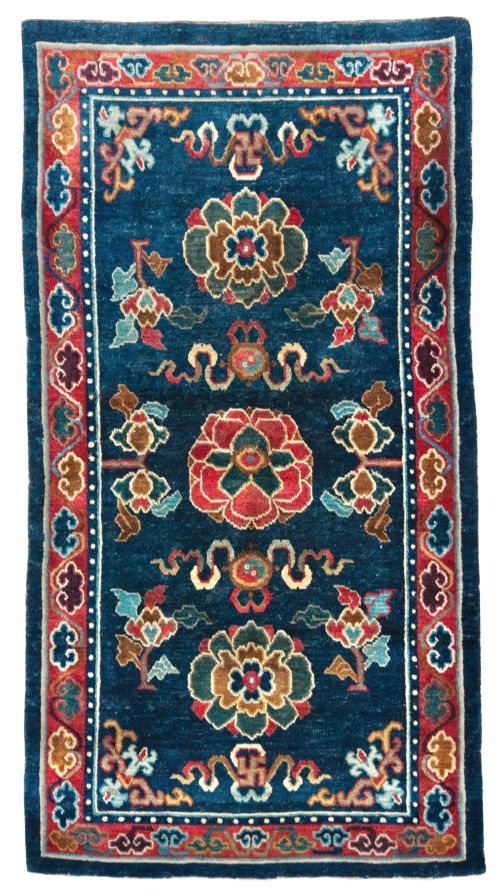
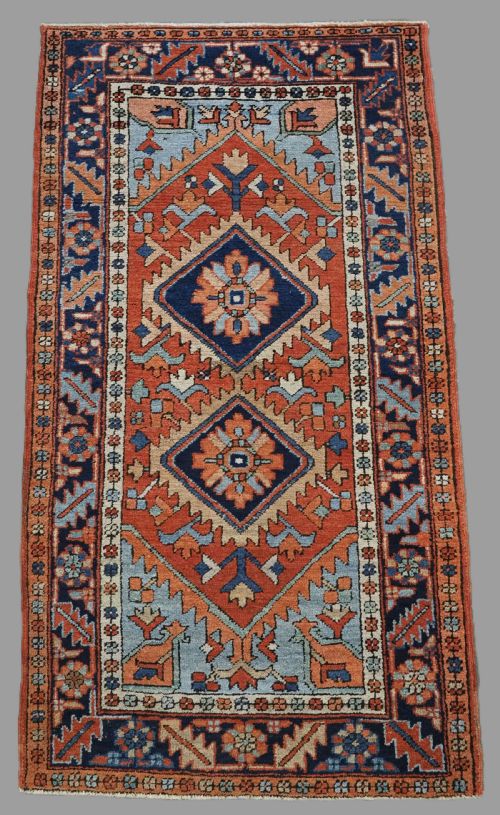
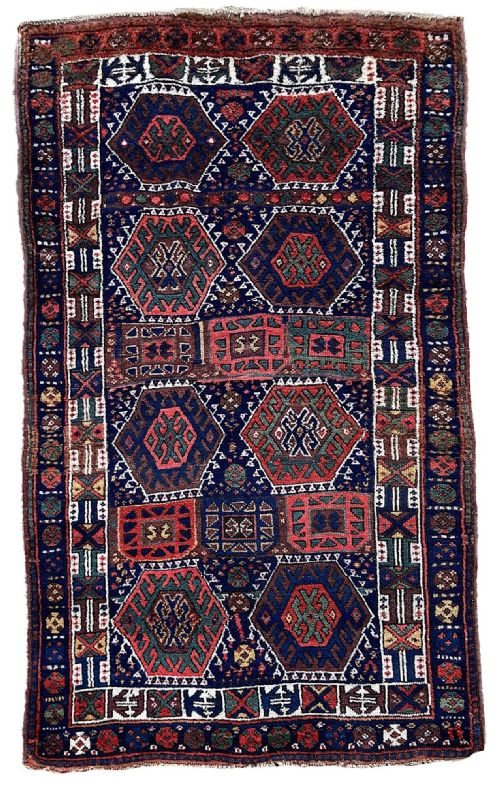
A hand woven accent carpet encompasses traditional floor coverings produced across Persia, Anatolia, Tibet and the wider Middle East. When searching for a hand woven accent carpet, buyers encounter regional styles ranging from geometric tribal designs to intricate city carpets.
The selection on this page draws heavily from late nineteenth and early twentieth century production. Pieces originate from known weaving centres and tribal regions including Heriz, Isfahan, Malayer, Bergama and Kurdish lands.
Forms span smaller area rugs, prayer rugs, runners and compact formats suited for specific placement within a room. Wool remains the predominant medium, occasionally accompanied by cotton foundations and silk highlights.
Materials and Construction
Construction relies on hand knotted or hand woven techniques using natural fibres like wool, cotton and silk. Wool provides the durable pile, while cotton frequently forms the warp and weft foundations of urban and village pieces.
Natural dyes impart the rich colour palettes seen across these textiles, developing distinct patination over decades of use. Certain examples incorporate silk highlights to accentuate intricate floral or geometric motifs within the design.
Several nomadic weavers tucked tiny accidental colour changes into their geometric borders, leaving a silent signature of the hand at the loom.
Distinctions in Quality
Quality rests upon the fineness of the knotting and the precision of the weave executed by the maker. Tighter knot counts allow for sharper delineation of intricate geometric or floral motifs.
The integrity of the natural dyes and the quality of the wool dictate how gracefully the textile ages. Superior wool retains resilience and lustre, while well-chosen natural dyes mature into harmonious tones over generations.
The Hand Woven Accent Carpet Glossary
- Pile
- The upright yarn loops or cut ends that form the soft surface of a carpet. It provides the tactile quality and protects the foundation structure beneath.
- Warp
- The stationary vertical threads stretched onto a loom before weaving begins. Weft threads are passed across and under these structural elements to secure the knots.
- Medallion
- A central ornamental design motif placed in the middle of the carpet field. It serves as the primary focal point for many Persian and Anatolian compositions.
- Prayer rug
- A small textile featuring a mihrab or arch design indicating the direction of prayer. These pieces were traditionally used for personal devotion in domestic spaces.
Hand Woven Accent Carpet: Frequently Asked Questions
Where were these carpets made?
These textiles originate from historical weaving regions spanning Persia, Anatolia, Tibet and surrounding areas. Specific provenances include established centres like Isfahan and Heriz alongside tribal districts such as Baluch and Kurdish lands.
Production methods and regional motifs reflect the distinct cultural heritage of each specific weaving community. Local traditions dictate the choice of palette, wool quality and structural format.
How do I care for an old rug?
Gentle vacuuming without a rotating power brush helps remove embedded dust from the wool pile. Professional cleaning tailored to antique textiles preserves the natural dyes and fibres.
Keep the textile out of direct, harsh sunlight to prevent fading of the natural colours over time. Rotating the placement periodically ensures even wear across high-traffic areas.
What materials were used?
Wool serves as the primary material for the pile, offering durability and warmth underfoot. Cotton frequently provides the stable foundation threads for the warp and weft.
Selected pieces incorporate silk highlights to emphasise fine details within the pattern. Natural dyes derived from plants and minerals supply the traditional colour palette.
How are periods identified?
Dating relies on stylistic analysis of the motifs, structural characteristics and dye types. Particular combinations of border designs and medallion structures point towards specific decades of production.
Wear patterns, material handling and regional weaving signatures further assist in placing an item within the nineteenth or early twentieth century.