

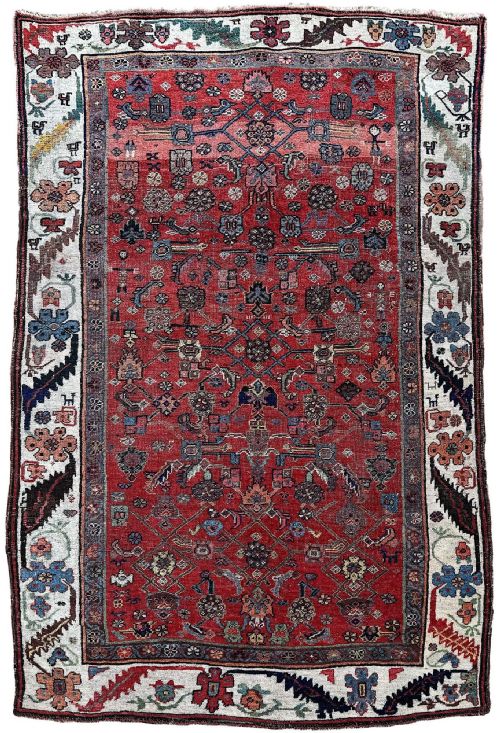
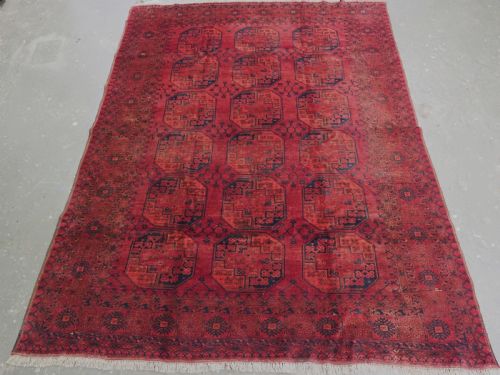
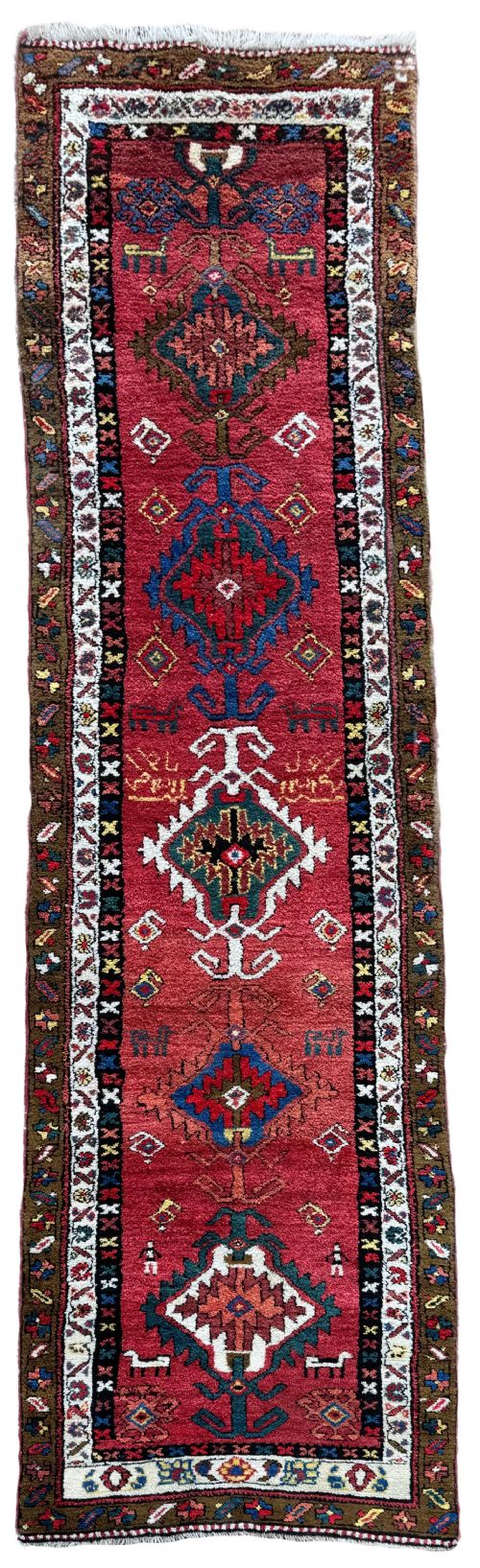
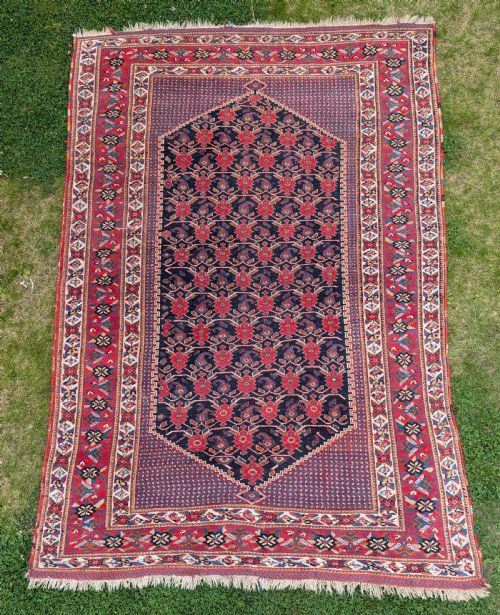
Crimson Red Wool Carpet
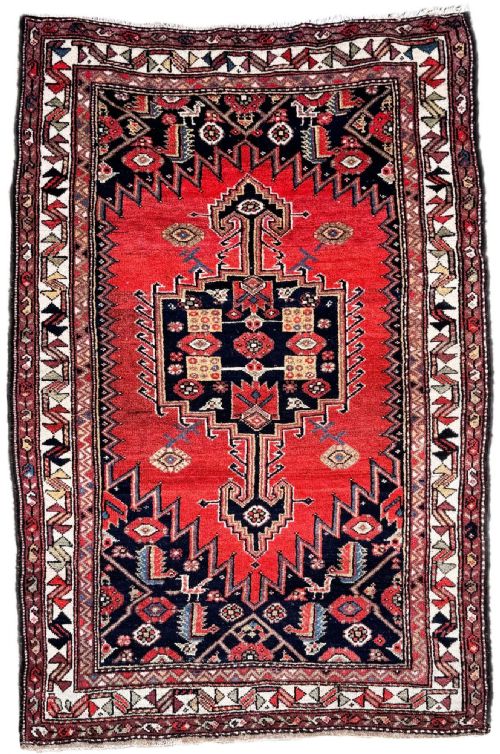
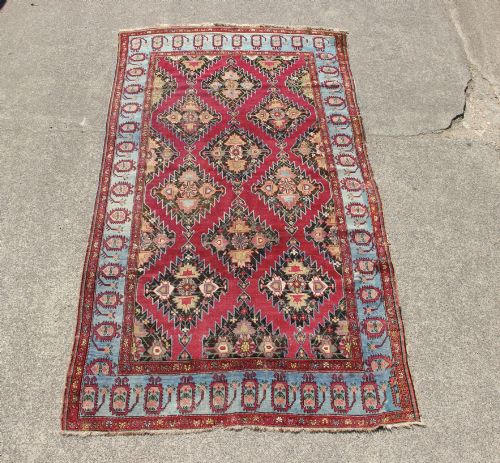
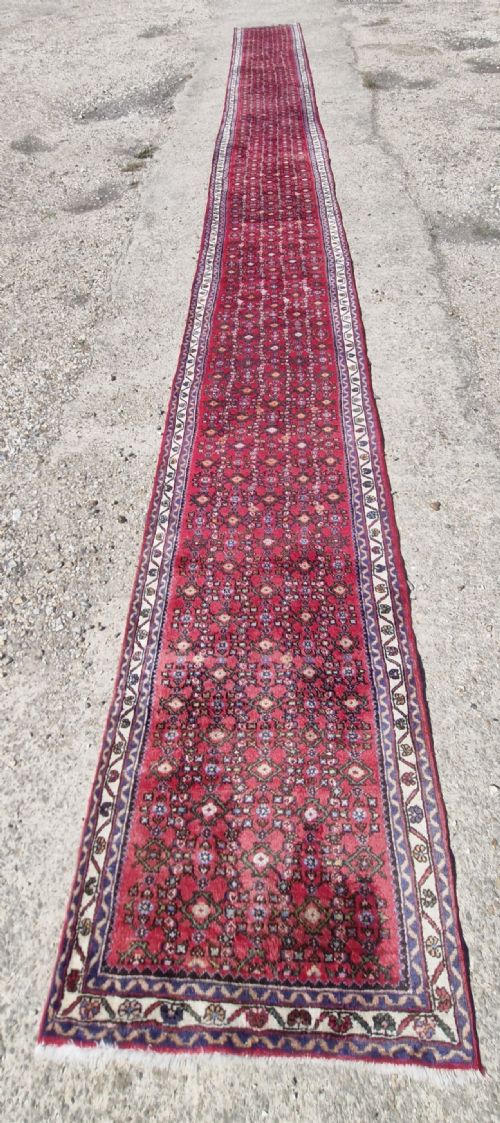
A crimson red wool carpet brings deep, grounded colour and centuries of nomadic or village artistry directly onto your floor.
Crimson Red Wool Carpet
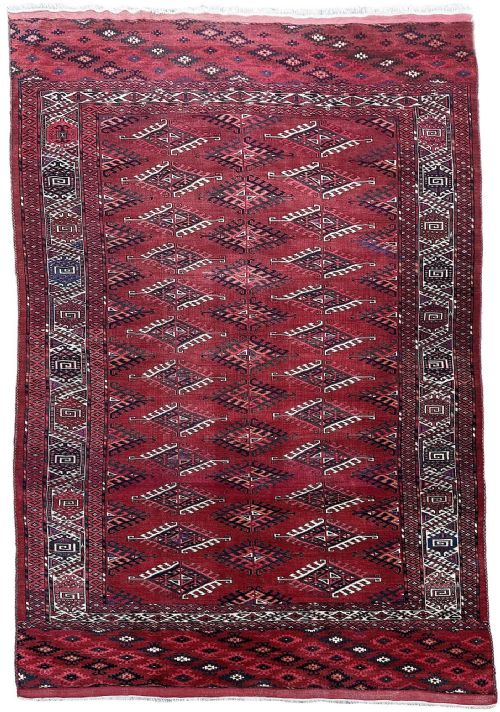
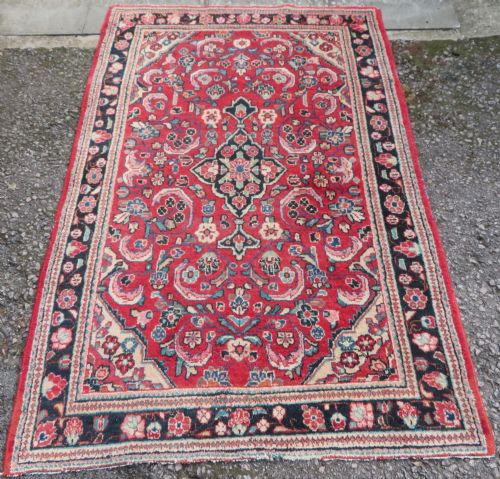
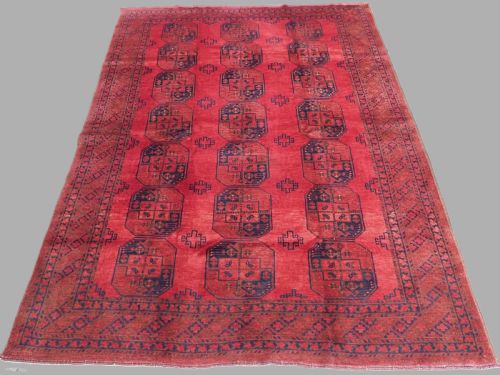
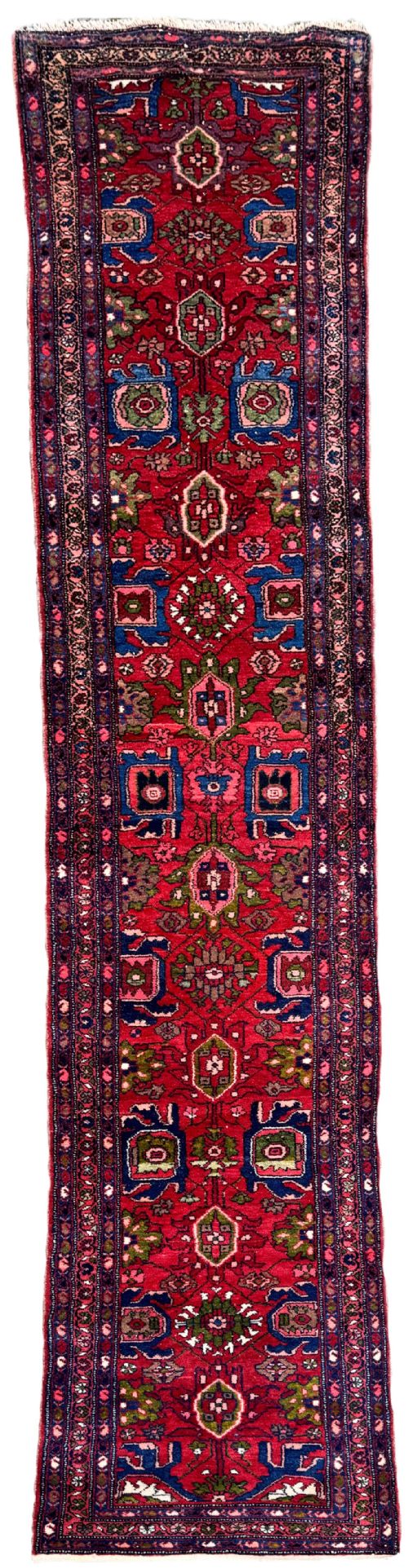
When searching for a crimson red wool carpet, collectors and home designers encounter an array of hand-knotted textiles originating primarily from Persian, Anatolian, and Turkmen weaving traditions. These pieces range from substantial village and tribal carpets to smaller area rugs, prayer rugs, and functional dwelling bags such as chuvals and torbas.
The inventory on this page spans from the mid-nineteenth century through the early twentieth century, capturing periods such as 1850, 1860, 1880, 1890, 1900, 1920, and 1930. The typical forms met here include Heriz, Kashan, Sarouk, Bidjar, Hamadan, and various Turkmen tribal groups like the Yomut, Teke, and Ersari.
Buyers will find that crimson red serves as the dominant tonal anchor across these regional types, whether deployed in bold geometric medallions by tribal weavers or delicate floral scrolls by urban Persian workshops.
How they were made
The construction of these carpets relies on natural materials, predominantly wool, cotton, and occasionally silk, paired with hand-spun wool and natural dyes. Weavers tied hand-knotted piles onto sturdy cotton or wool foundation warps and wefts, ensuring structural resilience alongside dense tactile surfaces.
Tribal and village makers utilised locally sourced wool and natural dyestuffs to achieve rich crimson red hues that deepen with age. The interplay of hand-spun yarn variations provides subtle tonal shifts across the field of each carpet, reflecting the organic nature of traditional dyeing methods.
The listings span weaving traditions from Persian, Anatolian, and Turkmen regions, utilising wool, cotton, and natural dyes.
What varies in quality
Knot density and structural integrity distinguish the finer examples from simpler village work, dictating how sharply the motifs resolve across the surface. A tighter knotting technique often corresponds to urban workshops in centres like Kashan or Isfahan, whereas tribal pieces lean on robust, heavier wool foundations for daily utility.
The depth and vibrancy of the crimson red wool dye also separate the ranges, depending on the purity of the natural dye ingredients and the skill of the dyer. Consistency in the weave, structural balance, and the preservation of original selvedges and ends further define the standing of any given carpet.
The Crimson Red Wool Carpet Glossary
- Chuval
- A large storage bag made by Turkmen and other Central Asian tribes, often featuring distinctive guls. Surviving examples are frequently collected and displayed as small rugs or wall hangings.
- Gul
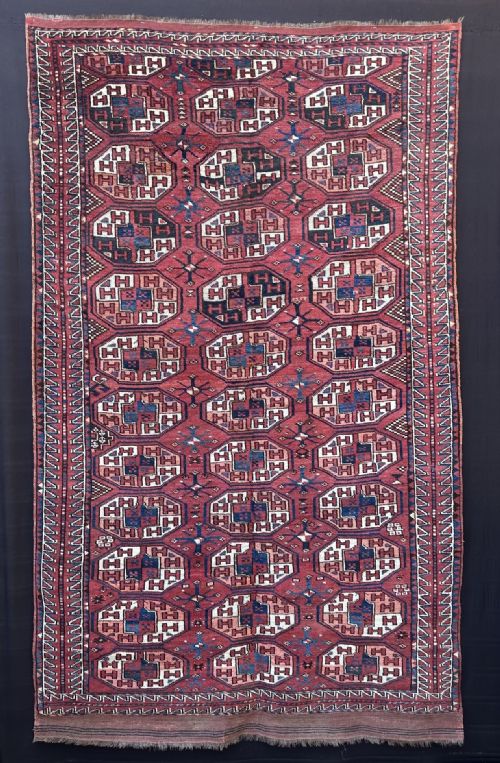
- A medallion or repeating octagonal motif used in Turkmen and Central Asian carpet design. Each tribal group traditionally utilised its own distinct forms and arrangements.
- Prayer rug
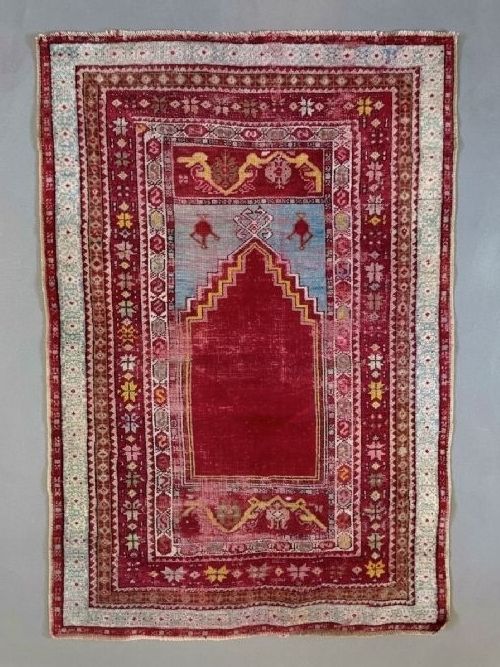
- A small rug featuring a mihrab or arch design at one end, traditionally pointed toward Mecca during daily prayers. Anatolian and Persian weavers produced these in various regional styles.
- Torba
- A small tent bag or trapping produced by nomadic tribes for domestic storage. They often mirror the designs of larger carpets in a compact format.
- Selvedge
- The reinforced side edges of a carpet formed by wrapping the outermost warps. Original selvedges indicate a well-preserved textile.
Crimson Red Wool Carpet: Frequently Asked Questions
How do I clean an antique wool carpet?
Vacuum gently using a suction-only attachment without a rotating brush bar to protect the delicate hand-knotted pile.
Professional specialist cleaning is advised for deeper maintenance to prevent the natural dyes from bleeding into the wool foundation.
Can I place these rugs in high traffic areas?
Sturdier village and nomadic carpets handle moderate hallway or living room traffic well due to their dense wool construction.
Finer urban workshop pieces or fragile antique prayer rugs benefit from placement in lower-traffic settings to preserve their historic pile.
How do I identify a tribal carpet from a city carpet?
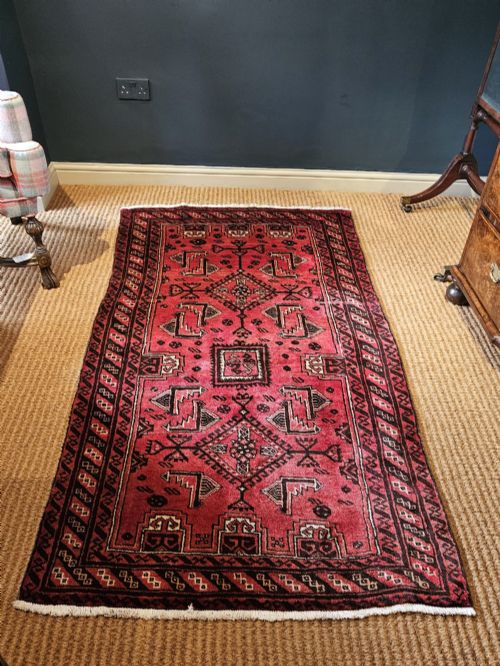
Tribal pieces generally display geometric motifs, repeating guls, and asymmetric designs rooted in nomadic heritage and local folklore.
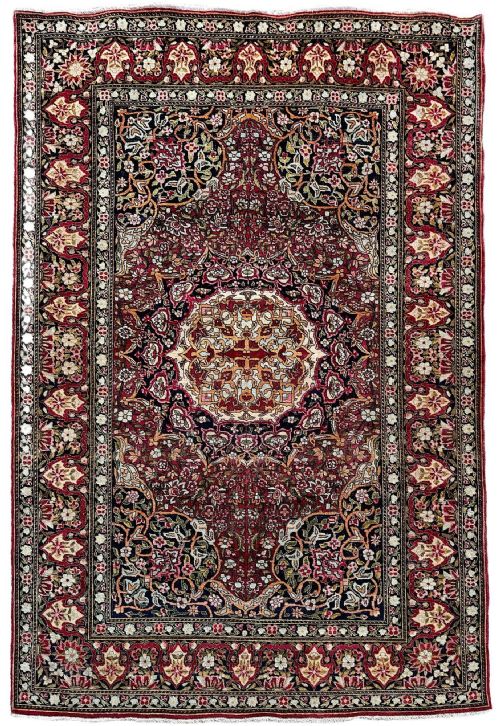
City carpets tend to exhibit precise floral medallions, curvilinear vine scrolls, and highly symmetrical compositions woven in established workshops.
What does a prayer arch signify on a rug?
The arched niche design represents the mihrab found in mosques, directing the user toward prayer.
Weavers across Anatolia and Persia incorporated this sacred architectural motif into portable formats for daily devotional use.