




Hand Painted Wall Plaque
When you search for a hand painted wall plaque, you are seeking a decorative display piece where artisans applied pigment directly to ceramic, wood, or metal surfaces.
Hand Painted Wall Plaque
A hand painted wall plaque brings detailed pictorial art directly onto rigid surfaces meant for display, ranging from domestic interiors to institutional spaces. The listings here span centuries of production, capturing both intimate devotional scenes and grand mythological narratives intended to catch the eye.
How they were made
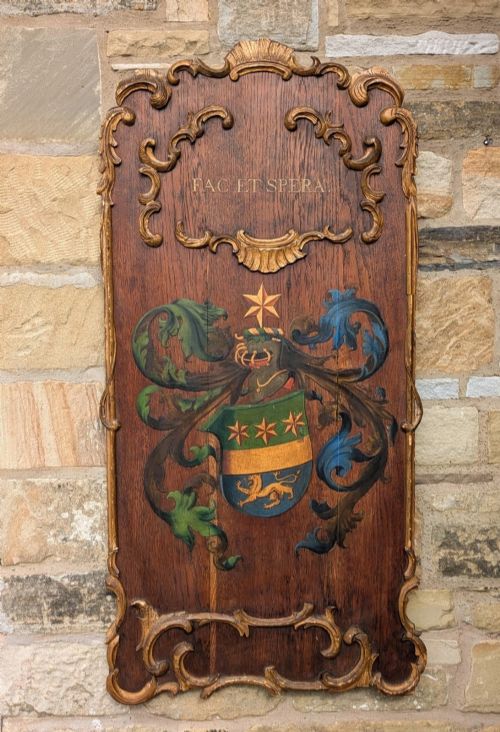
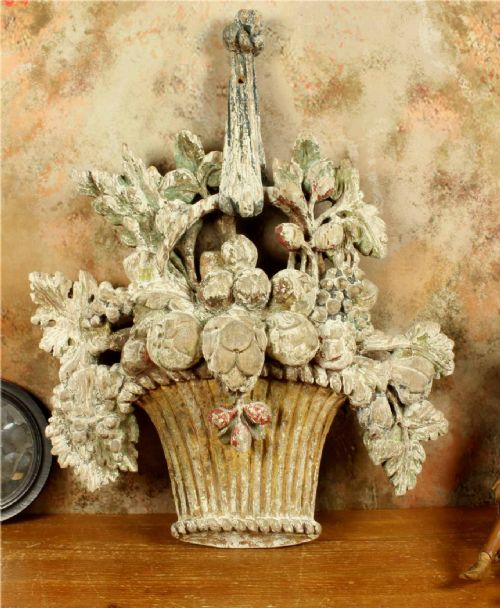
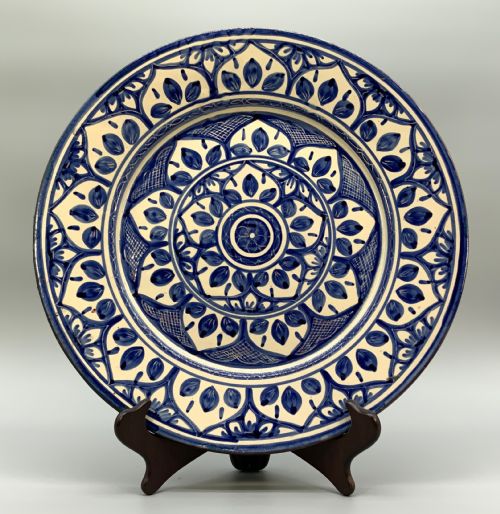
Makers utilised ceramic bases such as porcelain and earthenware, applying glaze and hand-mixed pigments that required careful kiln firing to set the colours permanently. Other examples rely on wood carving or toleware metal bases treated with paint and protective varnishes.
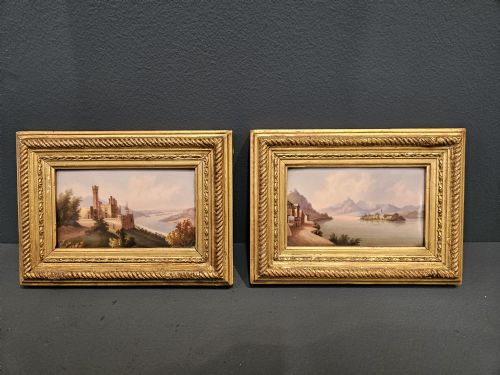
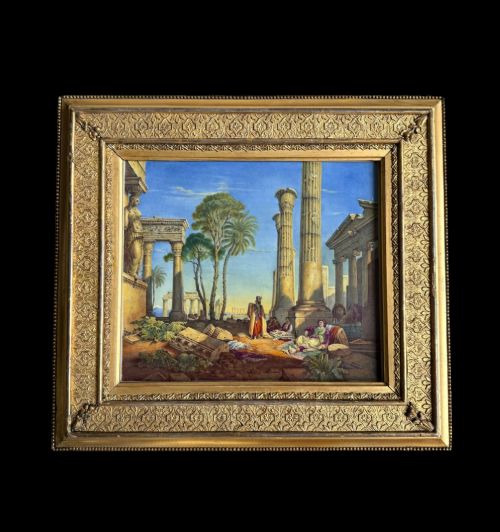
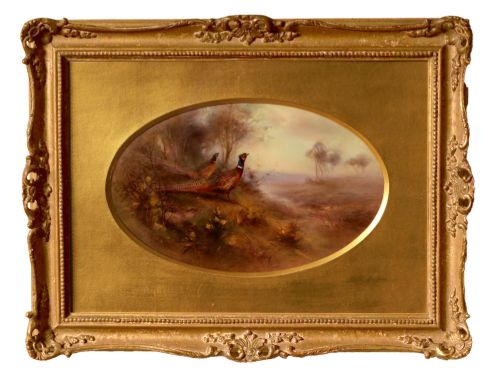
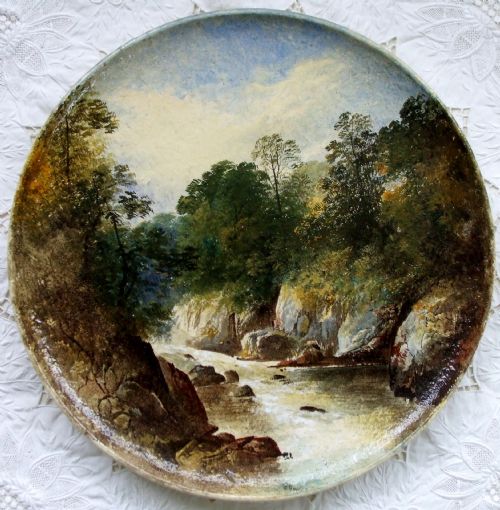
Detail work often involved miniature brush techniques, particularly on portrait and landscape porcelain panels where artists reproduced classical compositions or original watercolours by hand. Gilding with gold leaf frequently bordered these painted fields to frame the central image.
Hand Painted Wall Plaque Retail Price Guide 2026
Typical asking prices for hand painted wall plaque among the pieces listed under this phrase on Sellingantiques today, from the lower quarter to the upper quarter. They describe what is for sale here now, not the wider market.
Current listings feature materials including porcelain, earthenware, enamel, wood, and gold leaf across pieces dating from the 17th century to the mid-20th century.
What varies in quality
The standard of painting determines much of the distinction between ordinary production ware and masterwork pieces. Finer plaques display deliberate brushwork, nuanced facial expressions, and sophisticated tonal shading that mark the hand of a trained studio artist rather than a factory decorator.
The integrity of the physical base also dictates worth, from the translucency and smoothness of a porcelain blank to the crispness of hand-carved wood relief. Signatures by recognised porcelain painters or workshop marks further separate standard decorative items from collectible cabinet pieces.
The Hand Painted Wall Plaque Glossary
- Porcelain
- A vitrified ceramic material of fine texture, white and semi-translucent, commonly used for high-end painted panels. It provides a smooth ground for detailed miniature brushwork.
- Charger
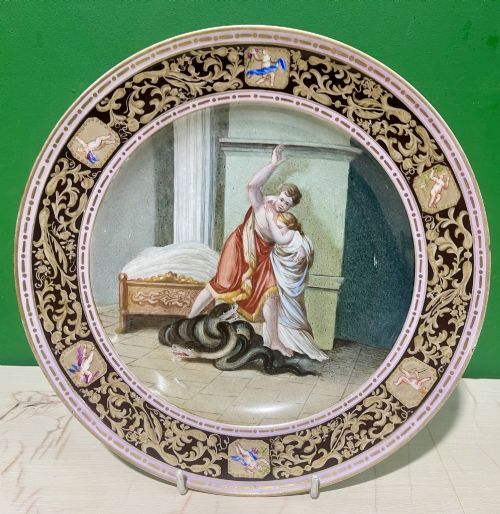
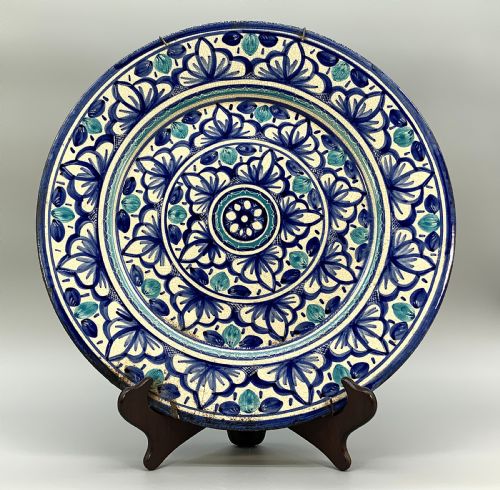
- A large decorative plate intended for display on a wall or sideboard rather than for practical dining use. These often feature complex hand-painted scenes across a broad surface.
- Toleware
- Metalware, usually iron or steel, coated with tin and finished with opaque painted designs and lacquer. It offers a durable surface for colourful domestic panels.
- Faience
- Tin-glazed earthenware produced across continental Europe, frequently decorated with blue and white or polychrome pigments. It creates an opaque, slightly absorbent ground for the artisan's brush.
- Imari
- A style of Japanese export porcelain characterised by underglaze blue and overglaze red, gold, and other colours. These geometric and floral designs were widely imitated in the West.
Hand Painted Wall Plaque: Frequently Asked Questions
How were these wall plaques displayed originally?
Many ceramic plaques and chargers were fitted with wire or mounted in specialised frames to hang securely in formal reception rooms. Others sat upon sideboards or desks using plate stands.
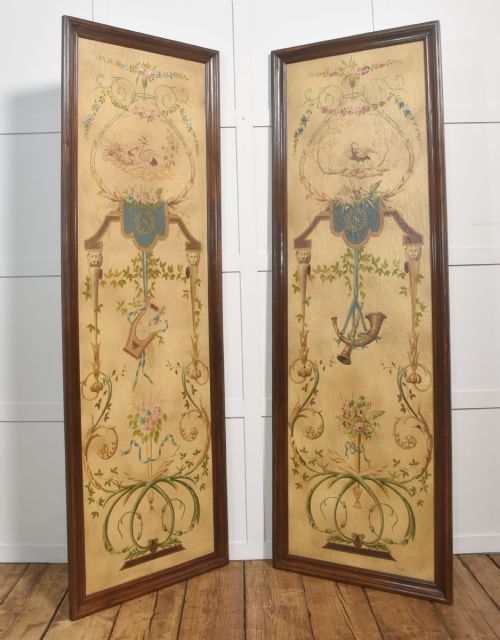
Larger wooden carved panels and painted tin toleware items were built specifically for permanent wall mounting within domestic interiors.
Can I hang porcelain plaques in bright rooms?
Porcelain enamel colours are generally stable against normal indoor lighting, but direct, intense sunlight can fade delicate overglaze pigments over many years. It is sensible to place signed or finely painted portrait panels away from harsh south-facing windows.
Ensuring secure wall fixings is equally vital given the heavy weight of dense ceramic chargers and framed wooden panels.
How do I identify the period of a plaque?
Dating relies on combining clues from the material body, the framing style, and any workshop stamps or handwritten titles on the reverse. Victorian and 19th-century pieces often feature specific registry numbers or factory marks associated with European potteries.
Stylistic motifs, such as Neoclassical figures or Japanese Imari patterns, also point towards specific manufacturing decades.
What is the difference between a charger and a plaque?
A charger is fundamentally a large plate format adapted for decorative display, retaining the circular shallow dish shape of tableware. A plaque is specifically manufactured as a flat or gently curved panel meant strictly for wall hanging.
Both serve the same aesthetic purpose in these listings by carrying detailed pictorial artwork.