



Hand Painted Wall Art
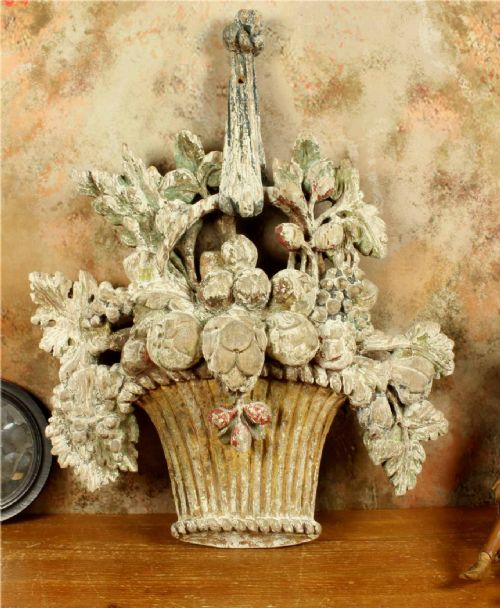
Hand painted wall art brings together porcelain plaques, carved wood panels, and painted ceramics to decorate interiors with colour and historical craft.
Hand Painted Wall Art
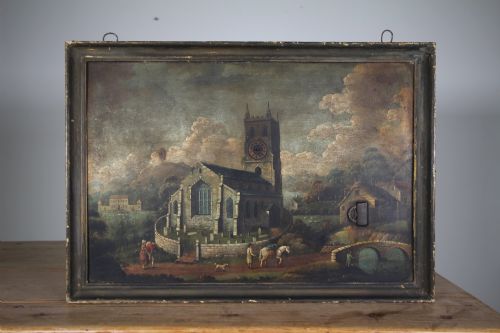
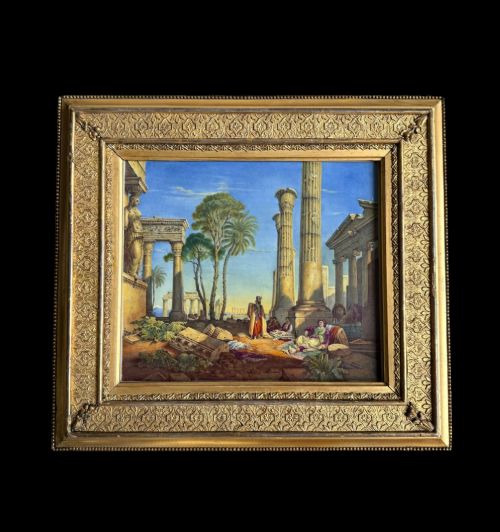
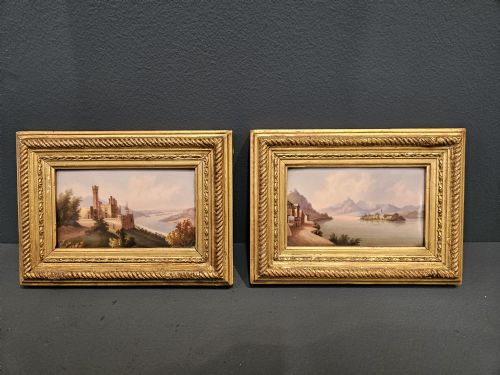
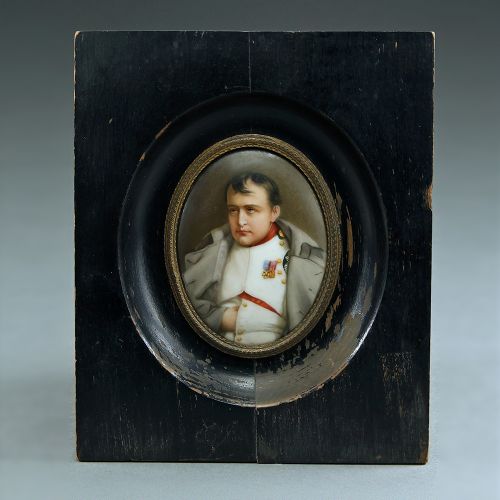
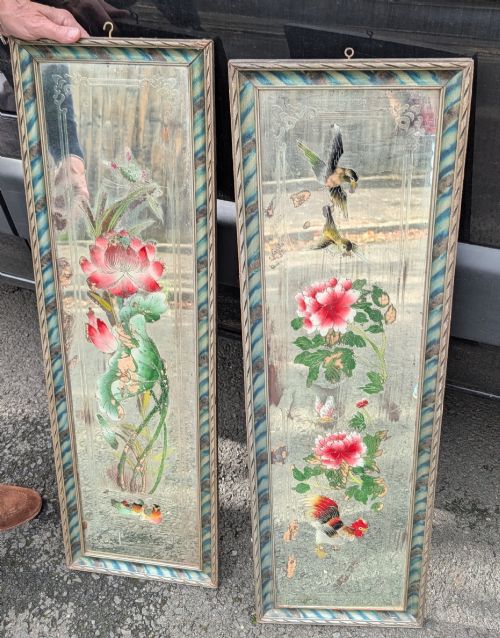
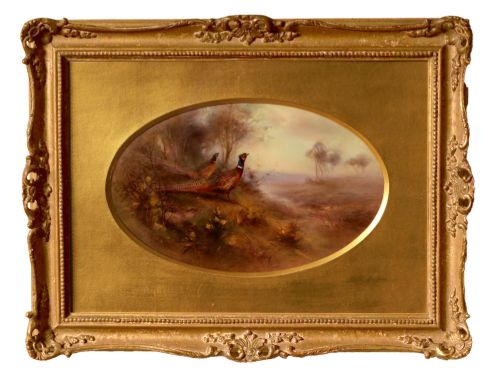
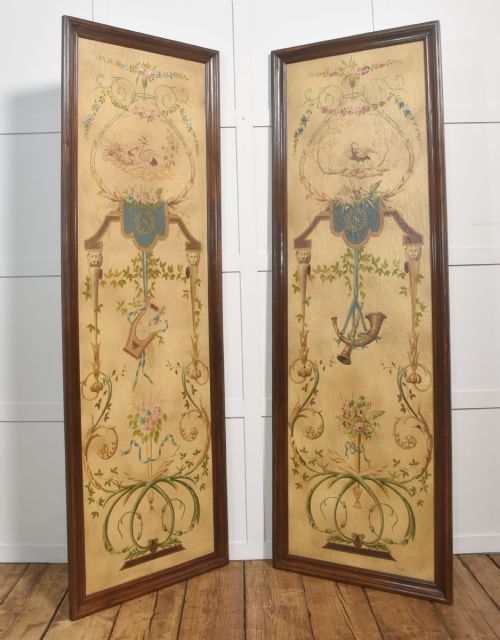
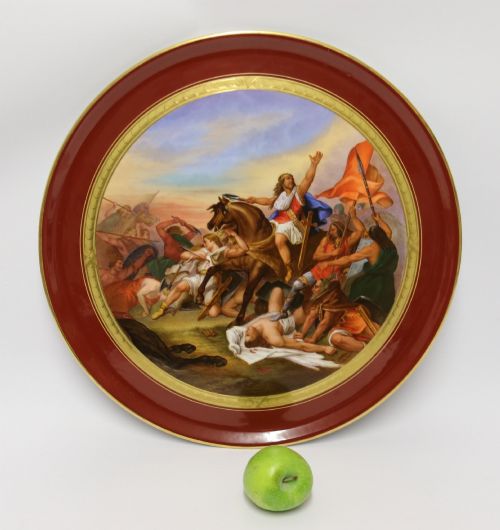
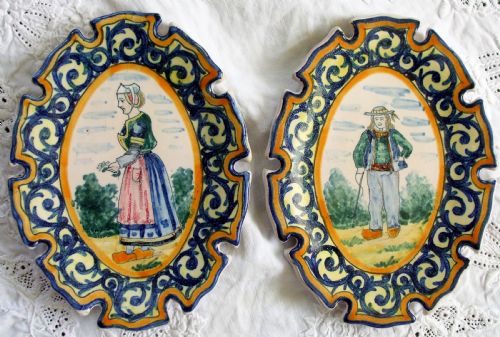
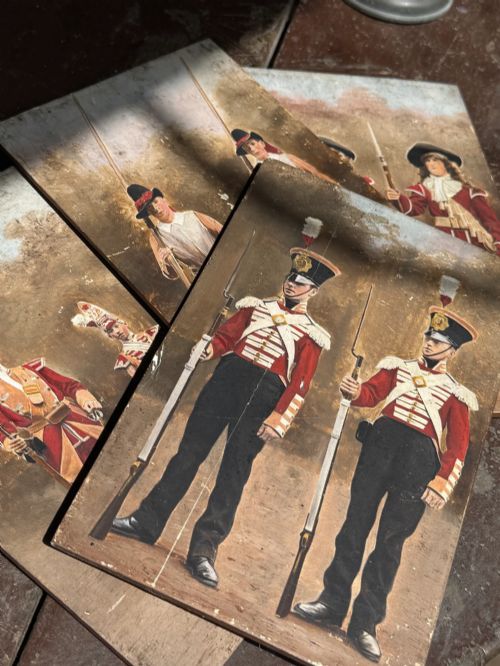
When searching for hand painted wall art, buyers encounter a diverse selection of decorative items designed for display on vertical surfaces. These pieces include porcelain plaques, ceramic chargers, painted wooden panels, and framed miniatures originating from the eighteenth, nineteenth, and early twentieth centuries.
The most common formats on this page are hand-painted porcelain plaques and decorative plates, often mounted in frames or fitted for hanging. Works span styles such as Japanese Imari, Chinoiserie, Neoclassical, and European folk art, reflecting varied domestic interiors of the past.
Materials and construction methods
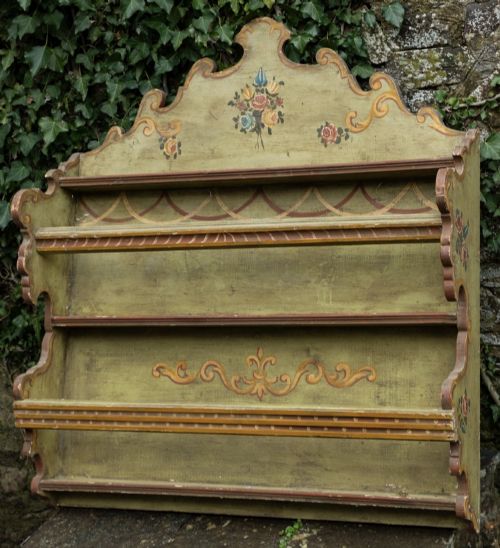
Makers utilised porcelain, ceramic, tin, and wood as surfaces for detailed brushwork and pigment application. Glazes, enamel paints, and gold leaf were applied by hand and fired in kilns or sealed onto wooden and metal substrates.
Framing and mounting involved carved wood, giltwood, and specialised joinery to support heavy ceramic panels and fabric elements such as needlework and silk pictures.
Hand Painted Wall Art Retail Price Guide 2026
Typical asking prices for hand painted wall art among the pieces listed under this phrase on Sellingantiques today, from the lower quarter to the upper quarter. They describe what is for sale here now, not the wider market.
Listings feature eighteenth, nineteenth, and early twentieth-century pieces, spanning periods from Georgian and Victorian to Edwardian and Art Deco.
Distinctions in craftsmanship and execution
Quality separates standard decorative items from exceptional examples through the precision of the brushwork and the depth of the pigment. Master painters achieved fine shading, anatomical accuracy in portraits, and meticulous detail in landscape or narrative scenes.
The integrity of the physical support, whether a porcelain plaque, a carved wood panel, or a tin sheet, influences the enduring character of the piece. Well-preserved glazes and original frames contribute to the overall standard of the object.
James Stinton·Royal Worcester·William Yale
The Hand Painted Wall Art Glossary
- Porcelain plaque
- A flat tablet of fired porcelain used as a canvas for detailed pictorial painting. These items were frequently signed by artists and mounted in wooden frames for wall display.
- Imari
- A style of Japanese export porcelain characterised by underglaze blue and iron red, supplemented by gilt and additional enamel colours. Pieces often feature complex floral and pictorial designs.
- Faience
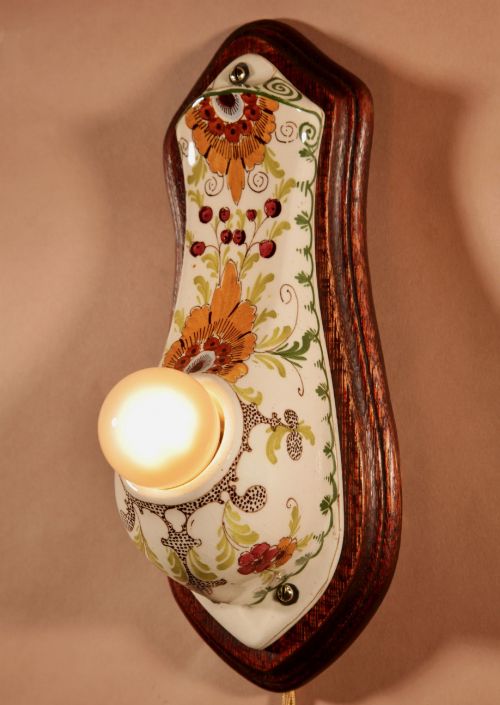
- Tin-glazed earthenware produced in various European regions, notably France and the Netherlands. Items exhibit colourful hand-painted motifs on a white or cream opaque glaze.
- Japanned
- European lacquerwork imitating Asian export pieces, created using layers of varnish and paint on substrates like wood or papier-mâché. The technique produces a glossy dark surface often decorated with metallic motifs.
- Needlework
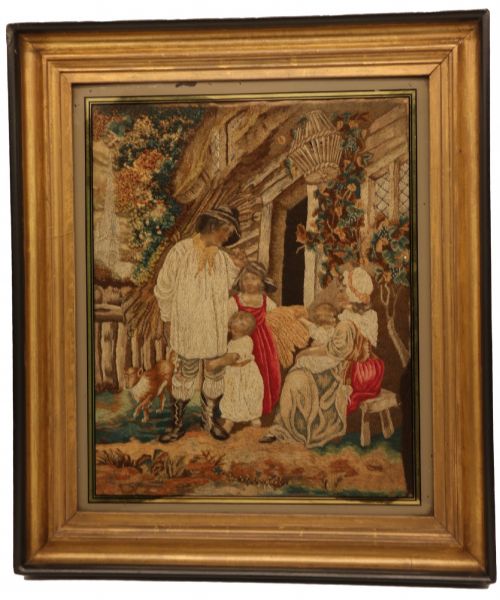
- Textile art created with thread and yarn on a canvas or silk ground, sometimes combined with hand-painted elements. These framed pictures illustrate domestic and pastoral scenes from the Georgian and Victorian eras.
Hand Painted Wall Art: Frequently Asked Questions
How do I hang heavy porcelain plaques safely?
Heavy porcelain plaques require secure wall fixings and brackets designed to support their weight without placing stress on the ceramic body or the frame.
Ensure the hanging wire or integrated wall mount is rated for the specific weight of the piece and anchored directly into wall studs or masonry.
What periods do these painted wall pieces cover?
The items span from the eighteenth century through the nineteenth century and into the early decades of the twentieth century. Styles range from Georgian and Victorian to Edwardian and Art Deco.
Each period brings distinct materials, such as early tin paintings, nineteenth-century porcelain plaques, and early twentieth-century fairground panels.
How should I clean hand painted wall panels?
Dust painted wood, porcelain, and framed textiles gently with a soft, dry cloth to remove surface particles. Avoid liquid cleaners and chemical solvents, which can damage delicate enamels, glazes, and exposed pigments.
Keep pieces away from direct sunlight to prevent the fading of hand-painted colours and gilt details over time.
Are these wall art pieces signed by artists?
Certain porcelain plaques and paintings bear artist signatures, studio marks, or backstamps indicating the maker or decorating hand. Well-documented factories like Royal Worcester and specific porcelain decorators signed their finest work.
Unsigned pieces rely on stylistic indicators, materials, and framing to determine their origin and approximate date of creation.