
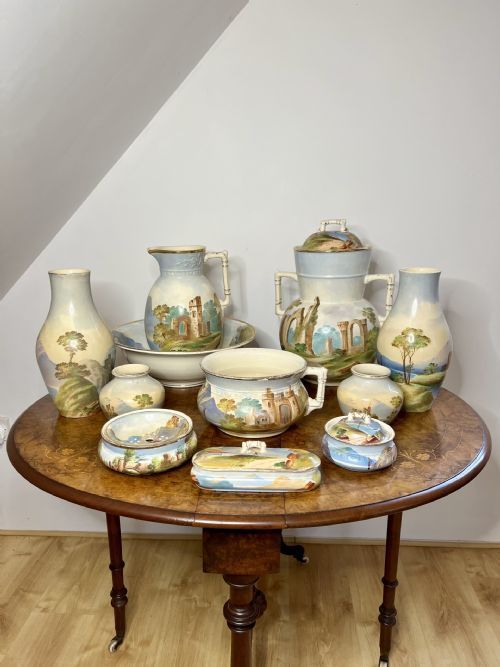


Hand Painted Victorian Pitcher
A hand painted victorian pitcher brings nineteenth-century colour and domestic utility together on the table.
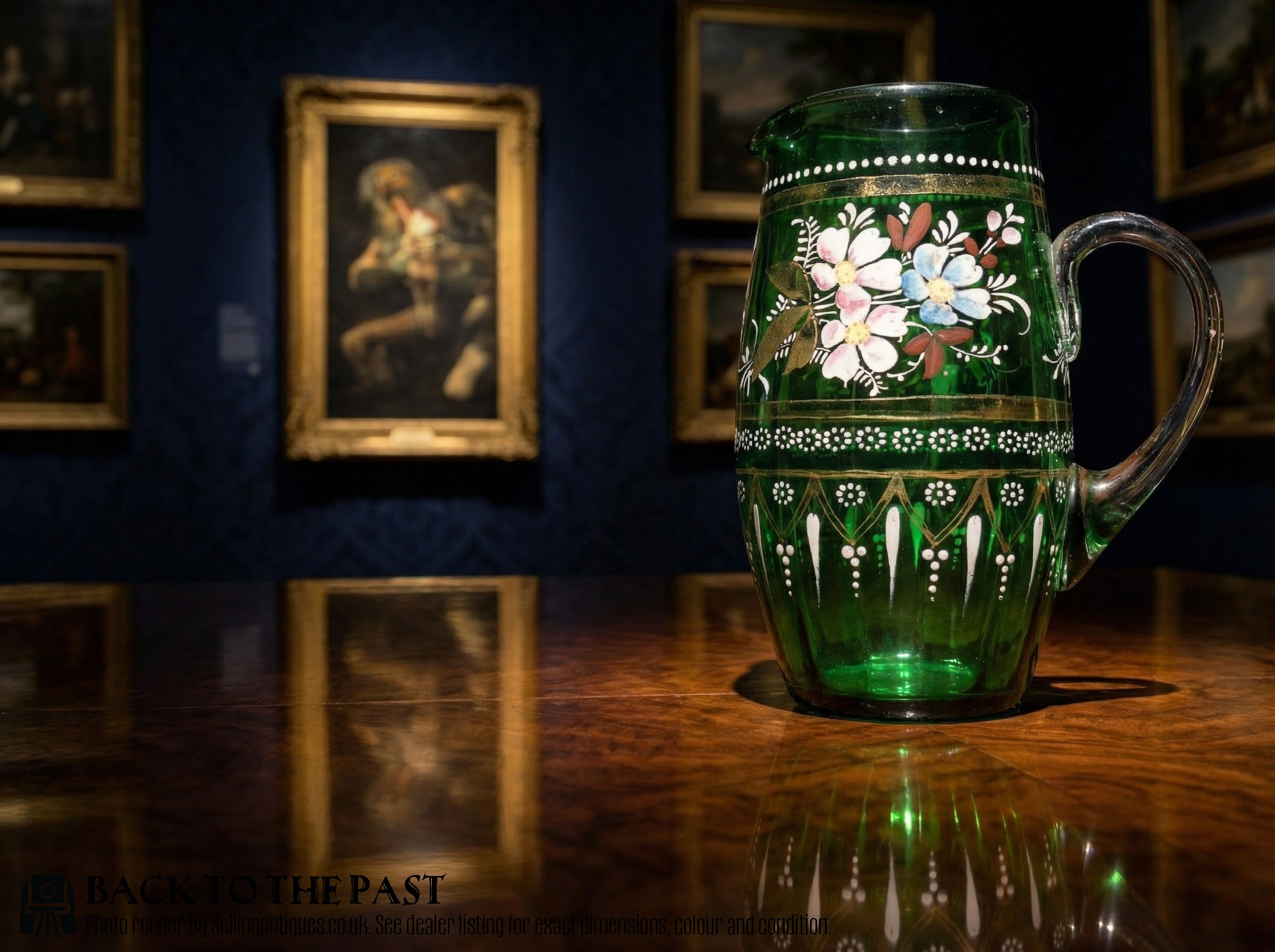
Hand Painted Victorian Pitcher
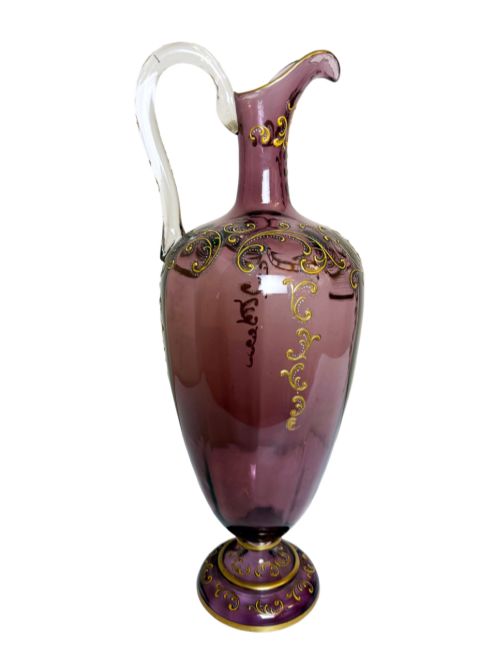
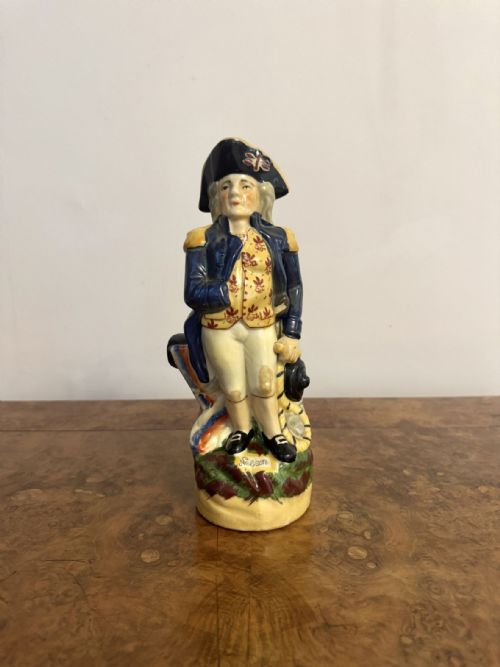
A hand painted victorian pitcher encompasses ceramic, porcelain, earthenware, and glass vessels produced during the nineteenth century. These objects include jugs, decorative ewers, and toby jugs intended for pouring liquids or display.
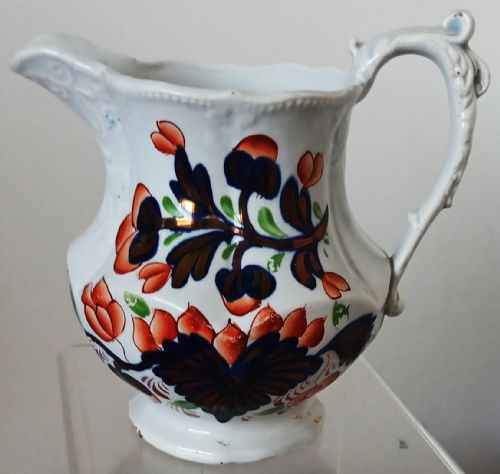
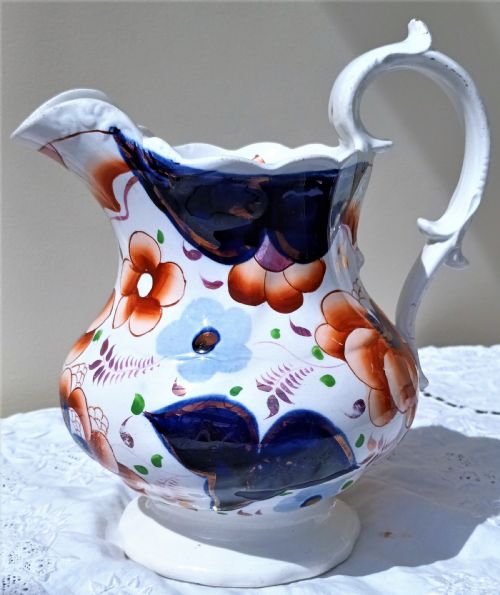
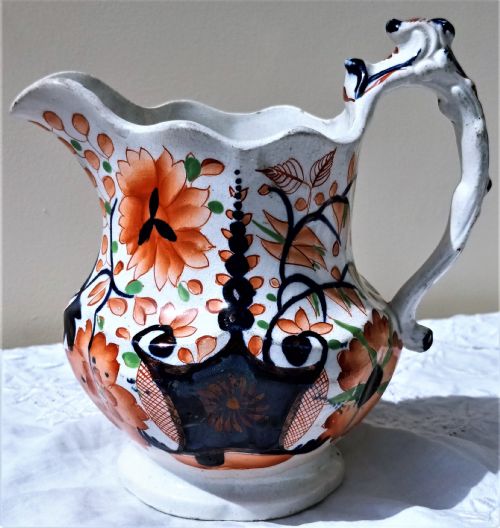
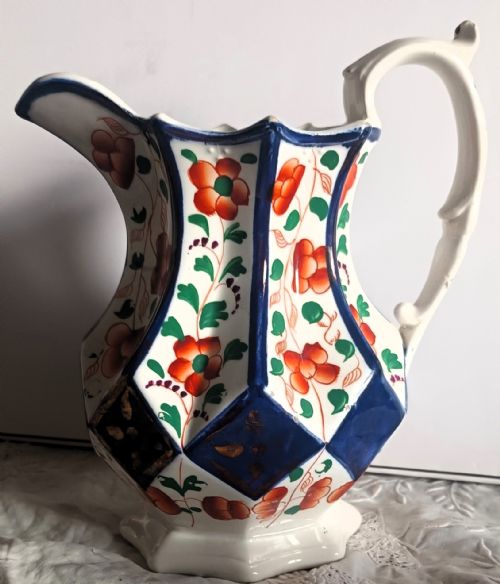
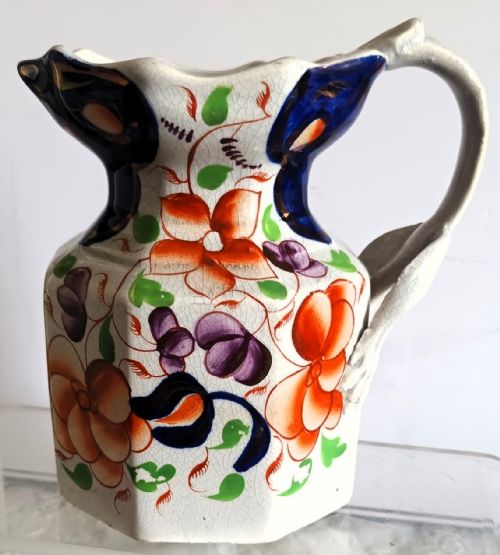
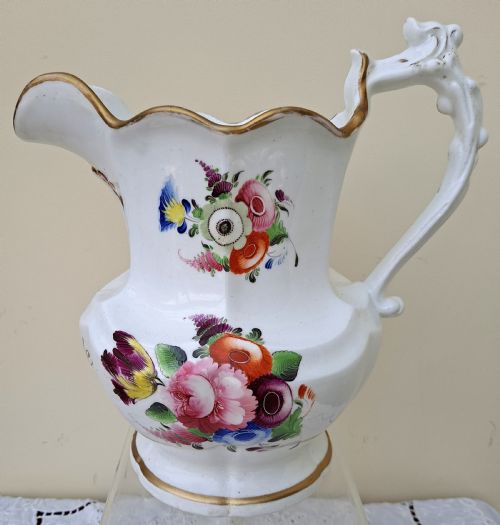
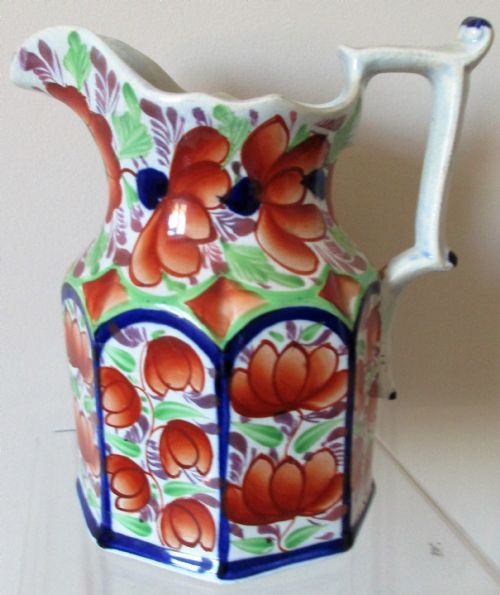
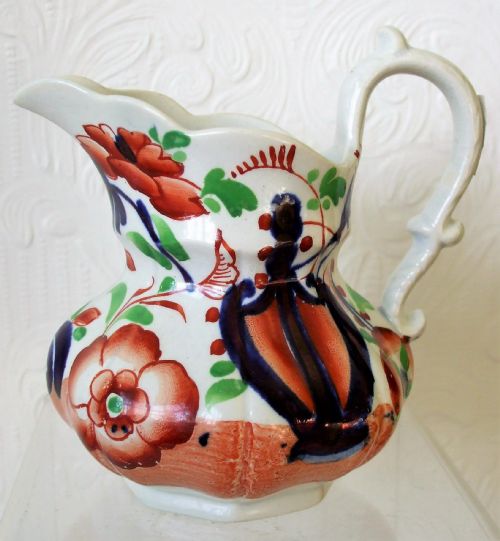
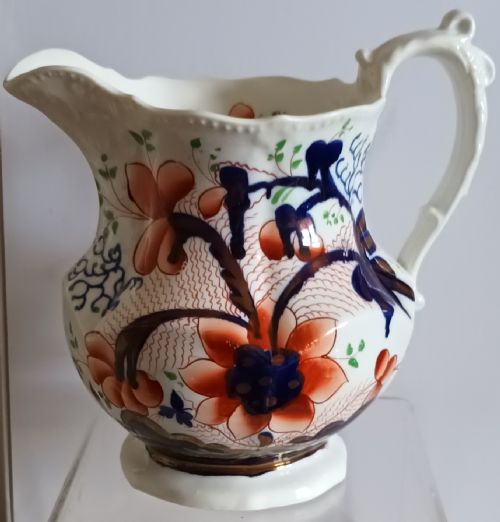
The versions most commonly met on this page span styles from Victorian Staffordshire and Gaudy Welsh patterns to Royal Worcester pieces. Makers utilised motifs ranging from floral designs to figural representations.
Originating largely from British potteries and glasshouses, these pieces reflect the domestic and decorative tastes of the Victorian era.
Materials and Technique
Potters shaped earthenware, ceramic, and porcelain bodies before applying enamel paints, glazes, and gold leaf decoration. Glass vessels received hand-painted enamel work, such as the distinctive white figures associated with Mary Gregory styles, alongside gilt applique.
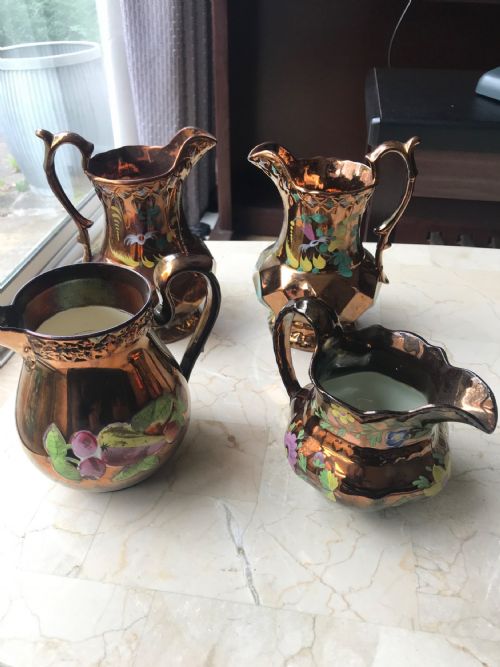
Makers employed techniques like copper lustre finishes and transfer-printed patterns enhanced by hand-brushing. Kiln firing fixed the pigments and glazes to the ceramic bodies and blown glass surfaces.
One salesman carried miniature ceramic plaque jugs around nineteenth-century roads to secure shop orders without lugging heavy wash sets.
Craftsmanship and Execution
The standard of hand painting differentiates standard domestic wares from exhibition pieces. Precision in brushwork, particularly on intricate floral patterns or figural scenes, marks the upper end of production.
The application of gilding and enamel relief dictates visual depth. Pieces retaining crisp metallic leaf and dense, vibrant enamel layers demonstrate superior workshop execution.
Royal Worcester·Doulton Burslem·Coalport·Vienna·Lord Nelson
The Hand Painted Victorian Pitcher Glossary
- Gaudy Welsh
- A style of nineteenth-century pottery decorated with bright cobalt blue, copper lustre, and iron-red floral motifs.
- Copper Lustre
- A metallic glaze technique producing a warm, coppery sheen across earthenware and porcelain bodies.
- Toby Jug
- A pottery jug modelled as a stout, full-length figure, typically wearing eighteenth-century attire and holding a mug of beer.
- Mary Gregory
- Glassware decorated with white enamel silhouettes of children amidst foliage, popular during the Victorian period.
- Ewer
- A large jug with a bulbous body and flared spout, originally designed for water and hand-washing at a washstand.
Hand Painted Victorian Pitcher: Frequently Asked Questions
What were hand painted victorian pitchers used for?
These vessels served various domestic functions, from serving milk, water, and wine at the dining table to holding water at bedroom washstands. Many pieces also functioned purely as decorative ornaments in nineteenth-century parlours.
Larger ewers and decorated jugs often formed part of matching toilet sets alongside basins. Smaller jugs were designated for cream or milk service during tea.
How do I identify a Victorian piece?
Identification relies on observing specific decorative styles, factory marks, and material combinations typical of the nineteenth century. Common indicators include Staffordshire copper lustre, Gaudy Welsh patterns, and Victorian aesthetic movement motifs.
Backstamps, registration numbers, and painted factory ciphers provide precise chronological markers. Stylistic clues such as shape profiles and enamel palettes further confirm the period.
Are these pitchers suitable for daily use?
While robustly constructed from earthenware, porcelain, or glass, antique pitchers require careful handling due to age and delicate hand-painted surfaces. Hand washing in warm water preserves the enamel and gold leaf decoration.
Sudden temperature changes should be avoided to prevent thermal shock to the ceramic body or historic glass. Many collectors prefer to display them rather than subject them to modern kitchen routines.
How do glass and ceramic pitchers differ?
Glass pitchers, including blown glass and pressed pieces, rely on translucent or coloured bodies decorated with enamel paints or gilt applique. Ceramic and porcelain pitchers offer opaque surfaces ideal for transfer-printed and hand-painted glaze combinations.
Techniques for applying decoration varied between glasshouses and potteries, resulting in distinct tactile and visual qualities for each material.