

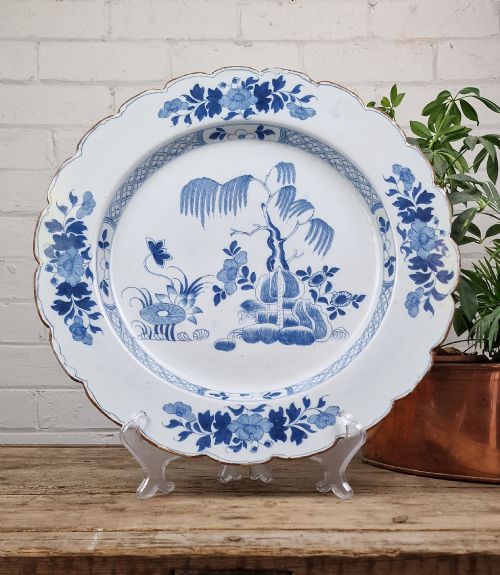
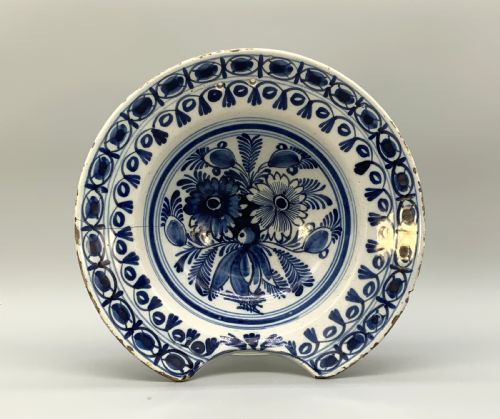

Hand Painted Tin Dish
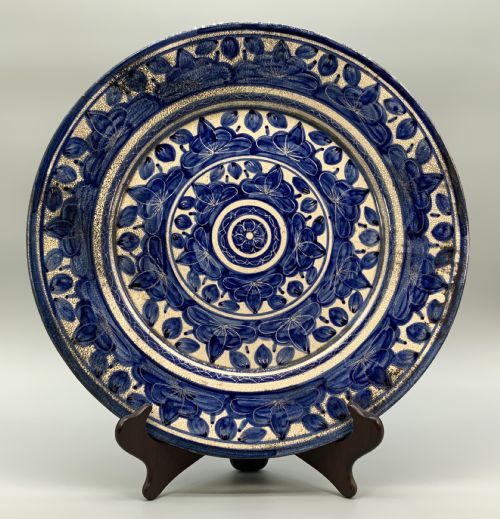
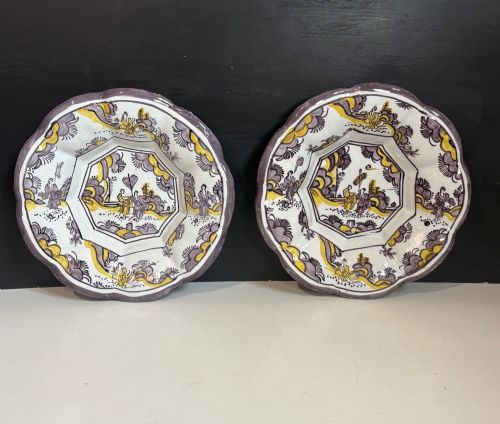
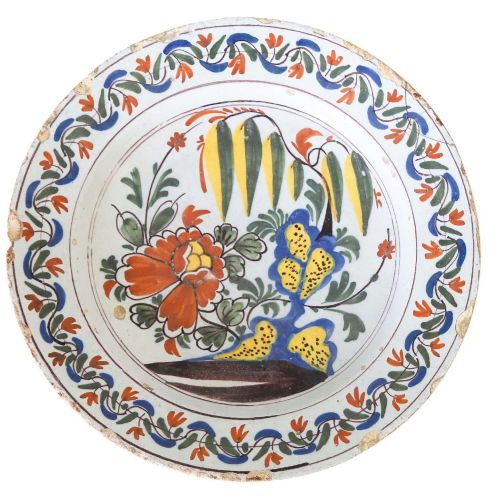
A hand painted tin dish brings vibrant pigment and historic tin-glazed earthenware directly to your table or wall.
Hand Painted Tin Dish
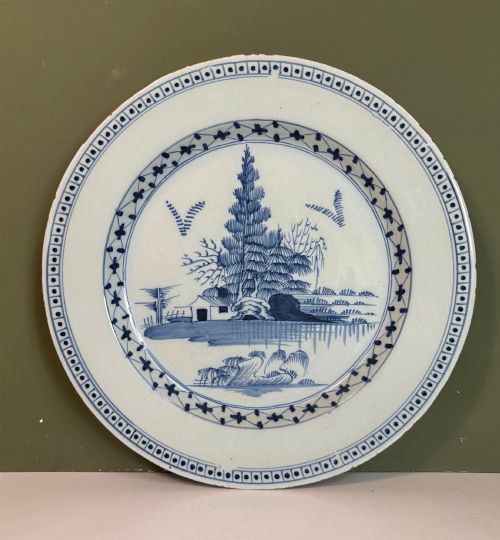
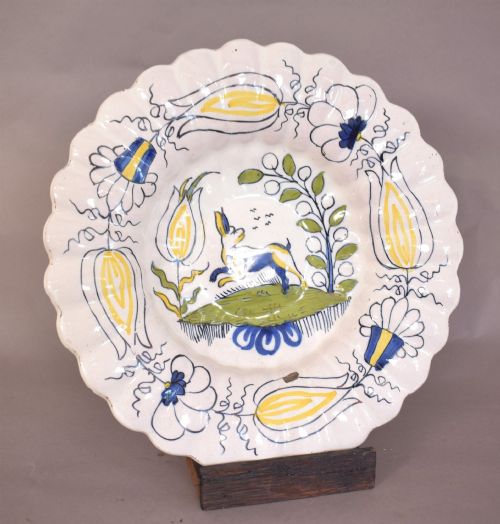
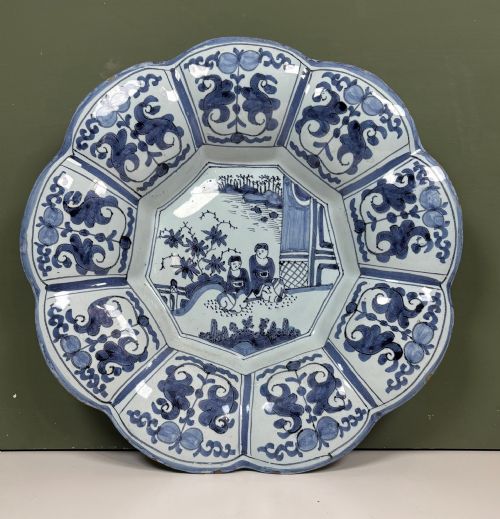
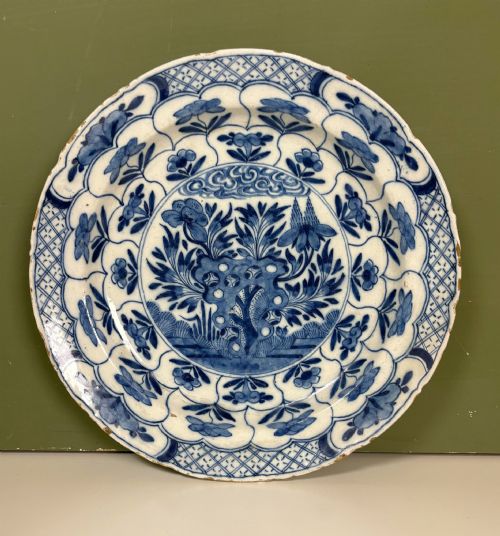
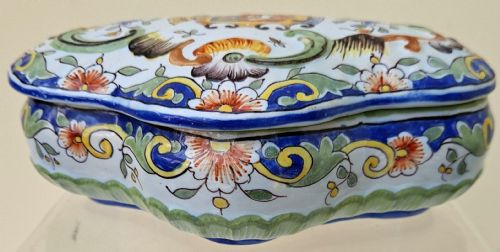
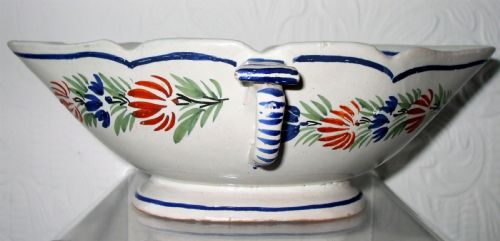
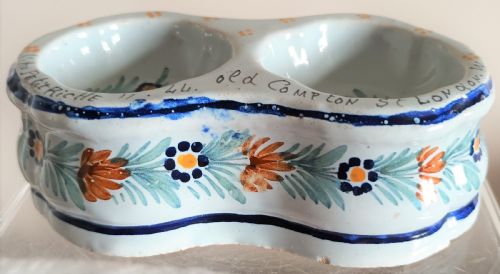
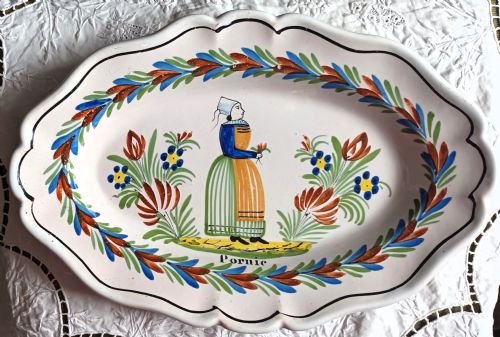
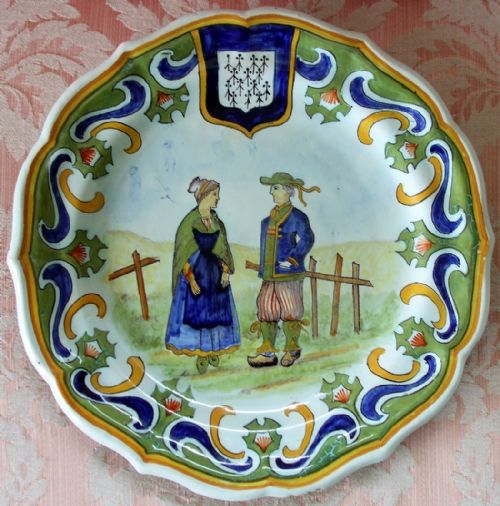
When you search for a hand painted tin dish, you encounter historic tin-glazed earthenware vessels spanning centuries of ceramic tradition. The inventory brings together chargers, plates, bowls, and specialist forms like barber's bowls and sweetmeat dishes.
Most examples originate from English, Dutch, and French potteries, capturing centuries of domestic production. The selection ranges from early geometric plates to large decorative chargers.
Continental pieces sit alongside British wares, offering varied palettes of cobalt blue and polychrome pigments. These forms bridge the gap between utilitarian kitchenware and formal display pieces.
How they were made
Potters shaped earthenware bodies before coating them in an opaque tin glaze that provided a smooth, white canvas for decoration. Artisans then applied cobalt oxide and polychrome pigments directly onto the absorbent unfired surface.
Firing sealed the pigments into the glaze, producing the characteristic glossy finish seen on Delftware and French faience. This direct-painting technique required steady hands, as any brushstroke error became permanent upon firing.
Some seventeenth-century dishes survived centuries of household use simply by being pretty enough to hang out of reach on the parlour wall.
What varies in quality
The clarity and ambition of the hand-painted decoration dictate the distinction between standard vessels and exceptional works. Master painters achieved lively brushwork and crisp floral or figurative motifs, while lesser examples show rushed execution.
The stability of the tin glaze and the control over kiln temperature determine surface uniformity. Superior pieces display minimal glaze pooling or firing distortion, preserving the integrity of the original design.
HB Quimper·Desvres
The Hand Painted Tin Dish Glossary
- Tin Glaze
- An opaque white ceramic glaze containing tin oxide, providing the characteristic background for painted decoration. It creates a smooth surface that mimics porcelain.
- Charger
- A large decorative plate intended for formal display on a sideboard or wall rather than everyday dining. These substantial pieces often showcase the most ambitious painting.
- Faience
- European tin-glazed earthenware produced primarily in France, Germany, and other continental regions. It encompasses a wide range of decorated tableware and decorative objects.
- Polychrome
- Decoration utilising multiple colours rather than a single pigment like blue and white. These palettes typically incorporate yellows, greens, and reds.
- Delftware
- Tin-glazed earthenware originating from Dutch and English potteries, famous for its cobalt blue motifs. The style evolved from imitations of imported Chinese porcelain to distinct European designs.
Hand Painted Tin Dish: Frequently Asked Questions
How were these dishes used originally?
Historic tin-glazed vessels served both functional and decorative roles in wealthy households. Chargers and large plates often graced dining tables for formal service or decorated walls.
Specialist forms fulfilled specific domestic duties, such as barber's bowls for shaving or sweetmeat dishes for serving confectioneries.
How do I display a charger safely?
Wall display requires secure wire hangers designed specifically for heavy earthenware plates to distribute weight evenly. Ensure the hanging hardware fastens firmly into wall studs rather than plaster alone.
For surface display, use sturdy plate stands that support the base and prevent tipping.
How do I clean an antique tin dish?
Dust gently with a soft, dry cloth to remove surface particles without abrasive contact. Avoid soaking or submerging historic earthenware in water, as moisture can penetrate old glaze fractures.
Harsh detergents and dishwashers will damage the fragile tin glaze and painted pigments permanently.
How do I tell English from Dutch pieces?
English delftware often utilises a slightly warmer, softer body and distinct local pigment mixtures compared to continental counterparts. Stylistic motifs and rim shapes also offer clues to the country of origin.
Examination of the unglazed foot rim frequently reveals characteristic kiln support marks unique to specific regional potteries.