




Hand Painted Tiles
Hand painted tiles bring centuries of ceramic artistry into your interior, offering vibrant pigments and miniature scenes framed in clay and tin glaze.
Hand Painted Tiles
When you search for hand painted tiles, you encounter centuries of ceramic production ranging from early Dutch Delft wall panels to Victorian architectural pottery and Chinese porcelain plaques.
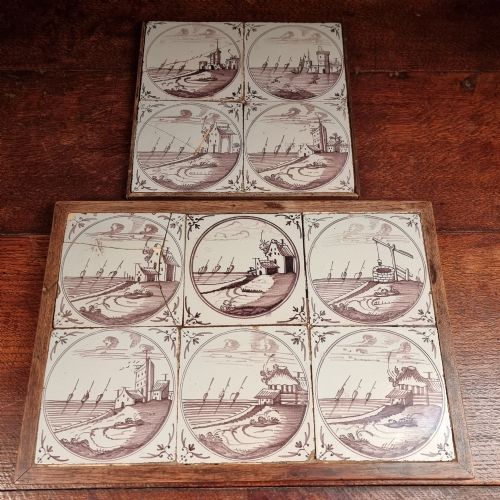
The most common forms on this page include individual earthenware wall pieces, framed decorative tiles, and multi-piece sets depicting biblical scenes, floral motifs, or classical portraits.
These items originate from varied European and Asian workshops spanning the seventeenth century through the early twentieth century, utilising traditional glazing and pigment techniques.
Materials and construction
Potters shaped base bodies from earthenware, ceramic, and porcelain before applying tin glaze or enamel coatings to create a smooth surface for pigments.
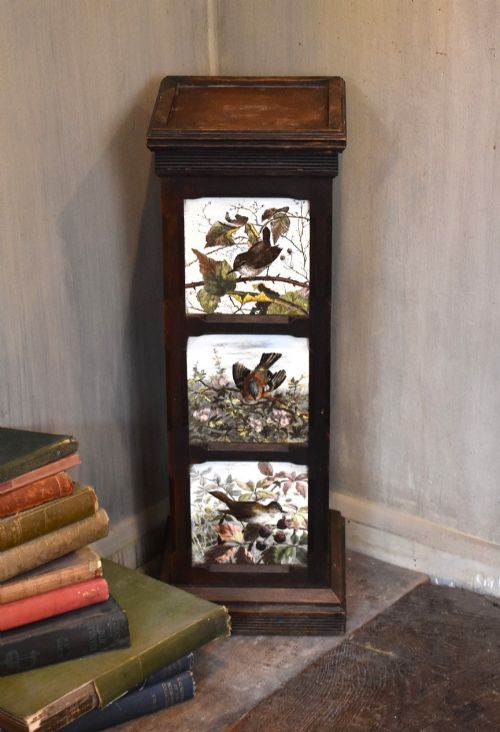
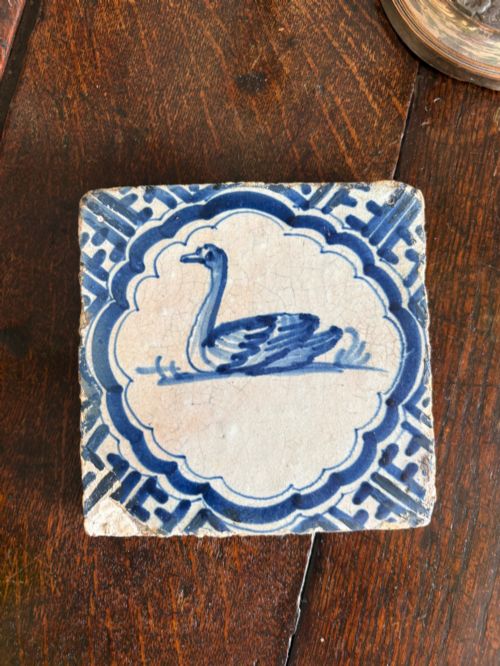
Artisans applied cobalt pigment and polychrome colours directly onto the unfired or fired glaze, capturing fine details in subjects like Dutch Baroque landscapes and Aesthetic Movement designs.
Hand Painted Tiles Retail Price Guide 2026
Typical asking prices for hand painted tiles among the pieces listed under this phrase on Sellingantiques today, from the lower quarter to the upper quarter. They describe what is for sale here now, not the wider market.
Listings span periods from the 17th Century through to 1930, featuring materials such as earthenware, tin glaze, porcelain, and cobalt pigment.
Assessing quality
Quality rests upon the precision of the brushwork and the clarity of the pigment against the glaze background, distinguishing master painter output from standard commercial output.
The sophistication of the composition, whether an intricate Chinoisserie scene or a detailed portrait plaque, marks the division between ordinary items and superior works.
Architectural Pottery Co·WILLIAM de MORGAN
The Hand Painted Tiles Glossary
- Tin glaze
- An opaque white glaze containing tin oxide that provides a smooth canvas for cobalt pigment and polychrome painting. It defines classic Delftware production.
- Delft
- Earthenware originating from Dutch potteries, known for tin glazing and blue or polychrome painted motifs. It represents a major category of historical wall art.
- Polychrome
- Decoration employing multiple distinct colours rather than a single pigment like cobalt blue. This technique allows for rich pictorial detail on ceramic surfaces.
- Faience
- European tin glazed earthenware produced in various centres including Italy and France. It shares technical roots with traditional Delft production.
- Porcelain plaque
- A flat ceramic panel formed from fine paste porcelain and painted with detailed figurative or landscape scenes. These pieces were often framed for wall display.
Hand Painted Tiles: Frequently Asked Questions
How were hand painted tiles used originally?
These pieces served primarily as decorative wall art, inset panels within furniture or pedestals, and devotional objects in domestic or institutional settings.
Craftsmen also arranged sets of tiles into larger pictorial panels depicting biblical narratives or seasonal motifs for interior display.
How do I identify seventeenth century tiles?
Early examples often feature characteristic corner motifs, tin glaze surfaces, and hand painted cobalt or manganese pigments depicting single figures or animals.
Examining the thickness of the ceramic body and the composition of the glaze helps distinguish seventeenth century production from later Victorian revivals.
What is the difference between Delft and faience?
Delft specifically refers to tin glazed earthenware produced in the Netherlands, particularly associated with Dutch Baroque and Chinoisserie styles.
Faience is a broader term encompassing similar tin glazed ceramics made across other European regions, notably Italy and France.
How should I display a porcelain plaque?
Porcelain plaques and framed tile pictures require secure wall mounting or dedicated shelving that supports their weight without damaging the edges.
Keep them away from areas of excessive moisture or direct sunlight to preserve the stability of the ceramic body and painted surface pigments.