







Hand Painted Rose Jar
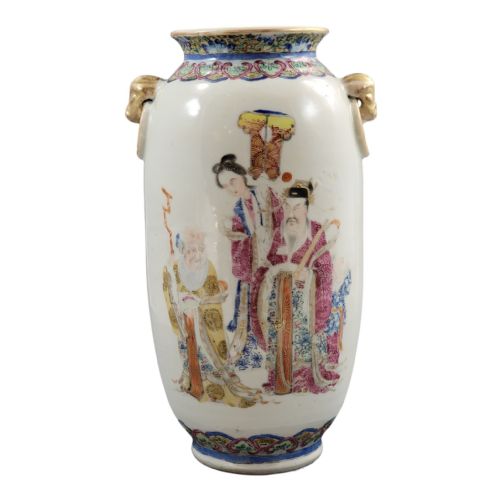
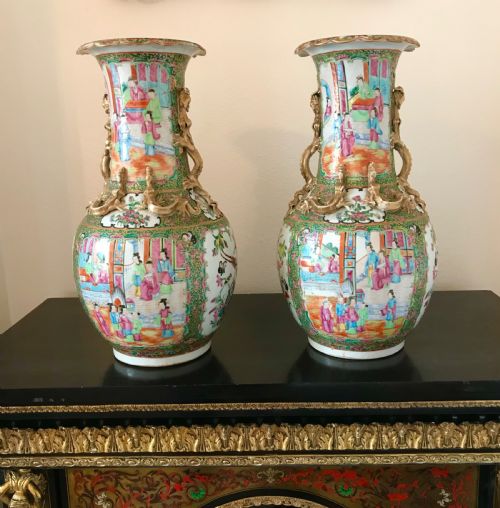
These hand painted rose jars bring together delicate floral motifs and fine porcelain, offering a touch of classic elegance for any room.
Hand Painted Rose Jar
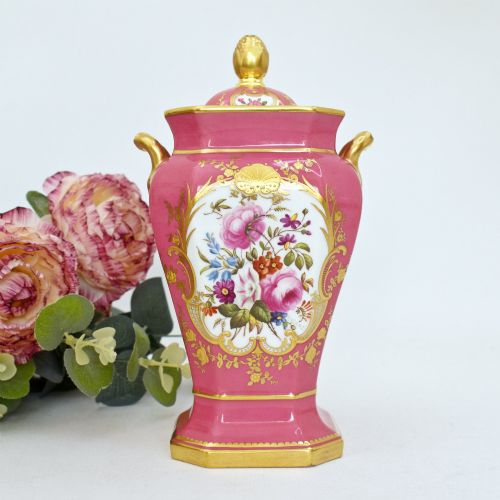
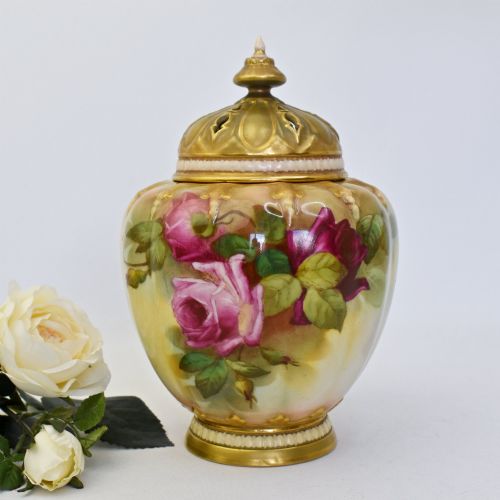
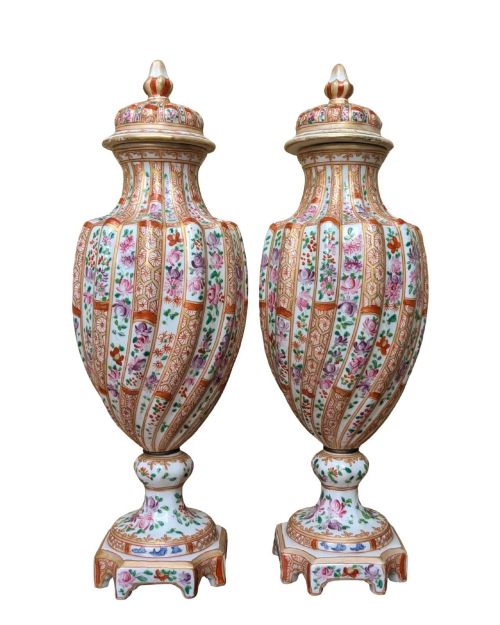
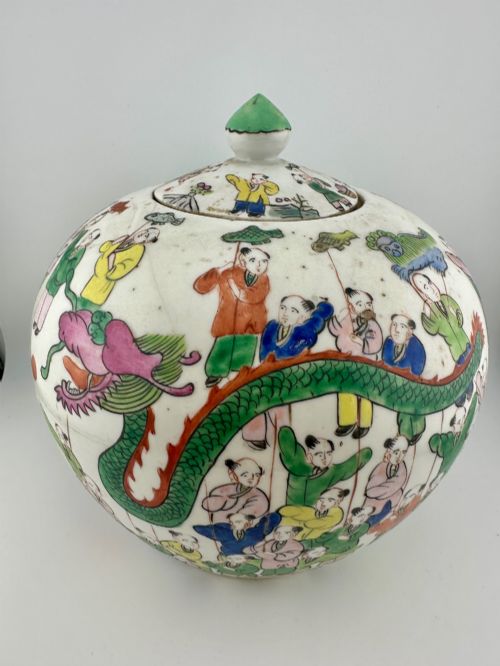
A hand painted rose jar unites traditional ceramic forms with botanical decoration, spanning Chinese export wares and English porcelain. When searching this phrase, you encounter everything from ginger jars and lidded urns to pot-pourri vessels.
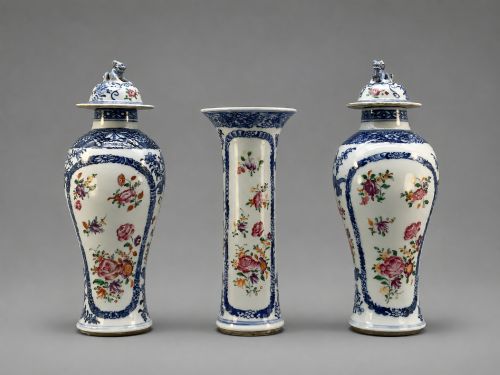
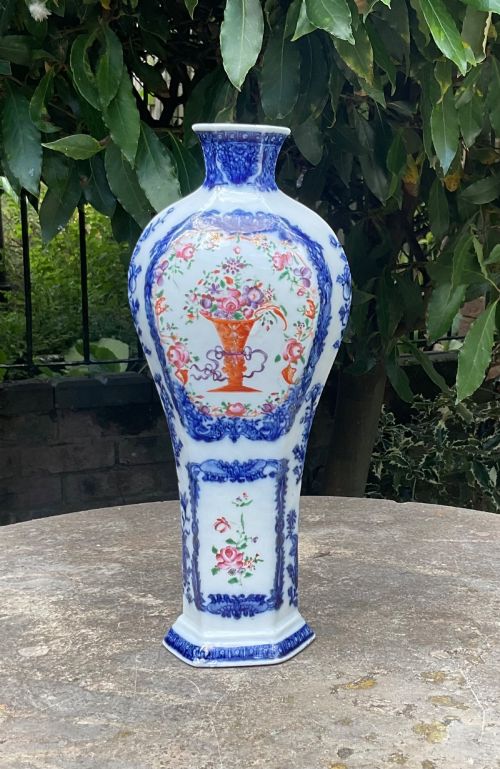
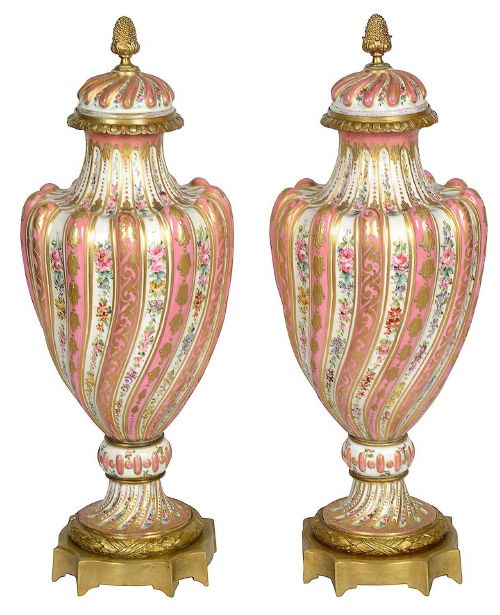
The pieces on this page lean heavily towards Chinese export and nineteenth century productions, alongside notable English makers. You will find forms ranging from baluster vases to garniture sets and converted table lamps.
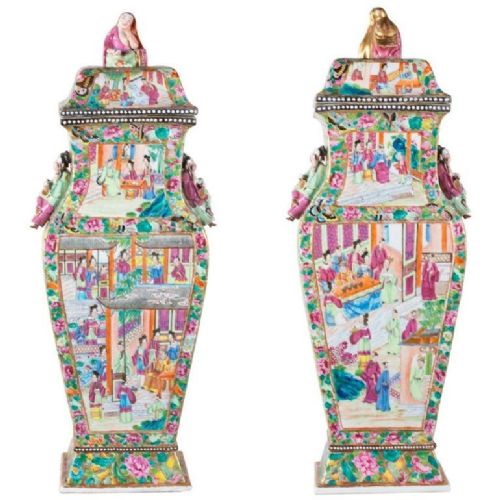
Originating across periods from the eighteenth century through to the twentieth century, these jars display diverse regional interpretations of floral design. Chinese Qing Dynasty examples sit alongside Victorian and Edwardian works.
Materials and construction
Pottery forms provide the primary body for these items, shaped from porcelain or fine ceramic. Artisans applied polychrome enamel glazes by hand to create intricate floral patterns and figurative scenes.
Gilt metal mounts, gold leaf, and surface gilding frequently accent the ceramic bodies, particularly in nineteenth century European revivals and French styles. Wood components appear occasionally in associated display elements.
Enamelling techniques required precise firing to bond the colourful pigments to the porcelain surface. Hand painting ensured that each jar received individual artistic attention, resulting in subtle variations across every piece.
Hand Painted Rose Jar Retail Price Guide 2026
Typical asking prices for hand painted rose jar among the pieces listed under this phrase on Sellingantiques today, from the lower quarter to the upper quarter. They describe what is for sale here now, not the wider market.
Assessing quality and craftsmanship
The precision and detail of the hand painted decoration define the upper tier of these pieces. Fine brushwork in the floral motifs and complex figural scenes distinguish master potteries from standard production.
The integrity of the porcelain body and the preservation of the enamel glaze and gilt highlights dictate overall value. Pieces retaining their original matching covers demonstrate greater completeness and historical accuracy.
Royal Worcester·Edme Samson
The Hand Painted Rose Jar Glossary
- Famille Rose
- A palette of opaque rose-pink enamel introduced to Chinese ceramics during the Qing dynasty. This distinctive pink colour scheme dominates the decoration on many export jars.
- Ginger Jar
- A high-shouldered ceramic vessel with a domed cover, originally designed to store spices. These jars transitioned into decorative ornaments and matching garniture sets.
- Pot-Pourri
- A mixture of dried plant material and natural scents kept in a pierced vessel to fragrance a room. Jars designed for this purpose often feature perforated lids.
- Garniture
- A set of three or more matching vases and jars displayed together on a mantelpiece or cabinet. These sets were popular in eighteenth-century interiors.
- Baluster
- A vase form with a rounded lower body that tapers towards the neck. This silhouette provides a stable base for detailed hand painted scenes.
Hand Painted Rose Jar: Frequently Asked Questions
What is a hand painted rose jar used for?
These vessels originally held dried rose petals or fragrant spice mixtures to scent domestic interiors. Over time, many served purely as decorative mantelpiece ornaments or lidded storage jars.
Today, collectors display them as focal points in period interiors. Some examples are adapted as table lamps while retaining their classic ceramic form.
Are these jars sold with matching covers?
Many ginger jars and lidded urns retain their original matching covers, which is important for completeness. Some listings feature jars paired with replacement lids or offered as lamp conversions.
Checking the fit and glaze continuity between the vessel and the cover helps confirm whether they belong together.
How should I care for an antique porcelain jar?
Dust these ceramic vessels gently with a soft, dry cloth to protect the hand painted enamel and gilt surfaces. Avoid using liquid cleaners or chemical polishes that might damage the glaze.
Keep them away from direct sunlight and areas prone to heavy vibrations to preserve the fragile porcelain and any metal mounts.