





Vintage Pot Pourri Vase
These vintage pot pourri vase pieces bring botanical fragrance and hand-painted artistry into a room, offering both decorative presence and traditional craftsmanship.
Vintage Pot Pourri Vase
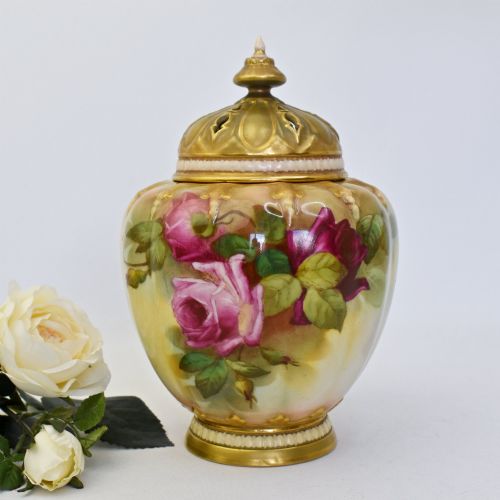
A vintage pot pourri vase serves to hold and release dried scented plant materials through pierced covers or lids, functioning as both ornamental vessel and room fragrance dispenser. These pieces appear in forms such as jars, urns, and covered vessels designed for display on mantelpieces or tables.
The selection here encompasses items from the Georgian period through to the mid-twentieth century, including Edwardian and 19th century examples. Makers working in English porcelain, bone china, and ironstone shaped these forms across multiple decades.
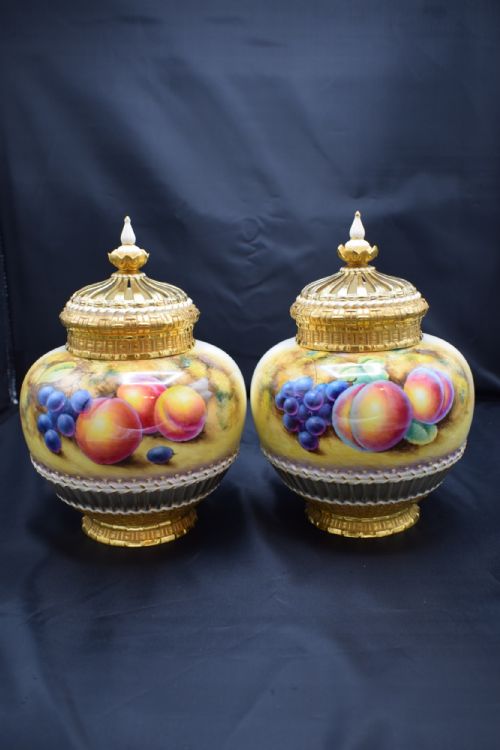
Most entries belong to the twentieth century, specifically the 1950s and 1960s, alongside earlier Georgian and 1910s examples. Buyers encounter forms ranging from traditional English styles to elaborate painted fruit designs.
How they were made
Potters shaped these vessels from porcelain, bone china, ceramic, and ironstone, forming bodies designed to house dried botanicals. Artisans applied glazes to create smooth surfaces capable of bearing intricate hand-painted decoration.
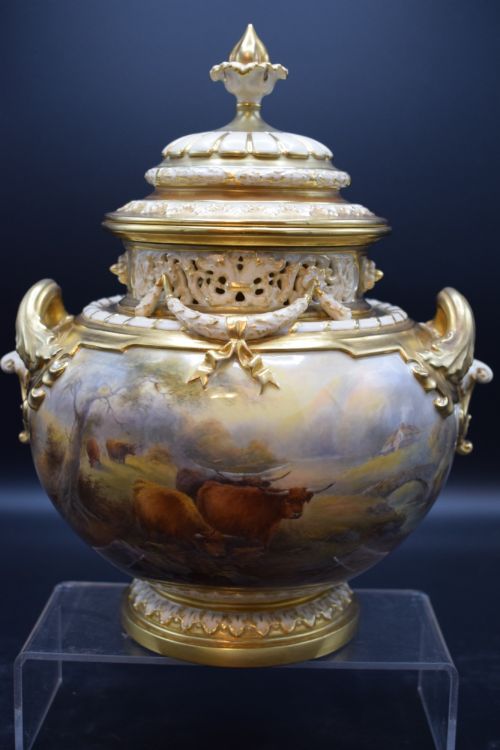
Decoration often involved detailed hand-painting of fruit and floral subjects by named artists. Workshops incorporated gold leaf, gilt, and gilding to highlight rims, handles, and pierced covers.
Vintage Pot Pourri Vase Retail Price Guide 2026
Typical asking prices for vintage pot pourri vase among the pieces listed under this phrase on Sellingantiques today, from the lower quarter to the upper quarter. They describe what is for sale here now, not the wider market.
Listings span from Georgian ironstone to mid-twentieth-century porcelain, recording materials including bone china, gold leaf, and enamel.
What varies in quality
The standard of hand-painted artwork significantly differentiates individual pieces, particularly when signed by known studio artists. Finer examples display meticulous brushwork in fruit and floral motifs rather than simpler transfer-printed patterns.
The application of gilding and the crispness of pierced porcelain covers contribute to a vessel's refinement. Intact covers and matching sets demonstrate greater craftsmanship and preservation over time.
Royal Worcester·Masons Ironstone
The Vintage Pot Pourri Vase Glossary
- Pot pourri
- A mixture of dried petals and spices placed in a container to perfume a room. These vessels feature pierced lids designed to allow the scent to diffuse.
- Ironstone
- A heavy, durable type of ceramic developed in the nineteenth century as a robust alternative to porcelain. It accepts enamel colours and gilding readily.
- Gilding
- The application of gold leaf or gold powder to the surface of ceramics. This technique accents borders, handles, and specific decorative motifs.
- Bone china
- A type of porcelain incorporating bone ash, known for its high strength, chip resistance, and translucent body. It forms a smooth white base for detailed painting.
- Crown top
- A lid style shaped like a crown, often featuring pierced openings for fragrance release. This form sits atop the main body of the vessel.
Vintage Pot Pourri Vase: Frequently Asked Questions
What is a pot pourri vase used for?
These vessels were designed to contain dried aromatic plant materials, releasing scent into living spaces through pierced covers.
Over time, they evolved from functional household items into purely decorative mantel and tabletop ornaments.
How do I date a vintage pot pourri vase?
Dating relies on maker marks, ceramic bodies, and stylistic indicators such as Edwardian or Georgian design traits.
Hand-painted signatures and specific material types like ironstone or bone china also point to particular production eras.
How should I clean a vintage ceramic vase?
Dusting gently with a soft dry cloth maintains the surface without risking delicate painted details or gilding.
Water and liquid cleaners should generally be avoided to protect antique glazes and metallic finishes.
Are painted fruit designs common?
Painted fruit decorations appear frequently among twentieth-century English porcelain pieces, particularly from the 1950s and 1960s.
Artists signed many of these works, recording individual authorship on the ceramic body.