




Edwardian Rose Painted Vase
An edwardian rose painted vase brings delicate floral artistry into a room, offering the charm of hand-painted ceramics from the early twentieth century.
Edwardian Rose Painted Vase
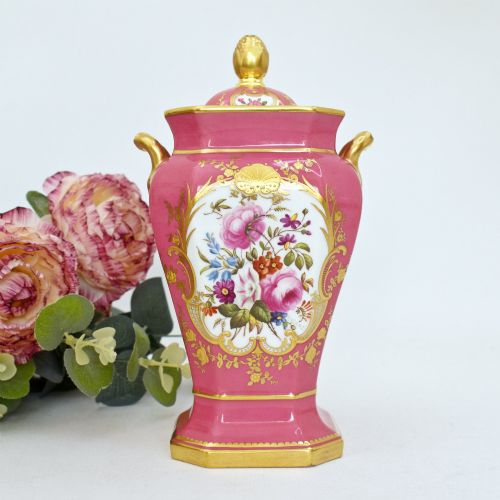
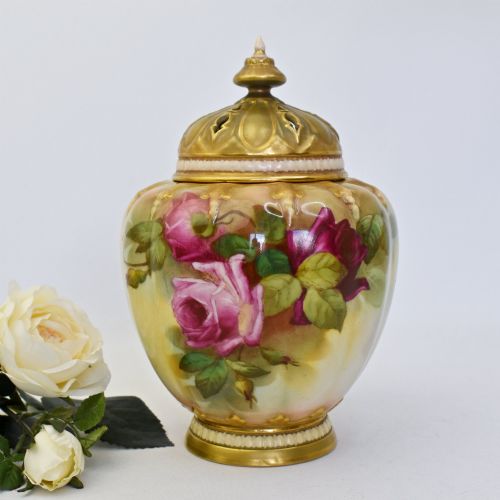
When searching for an edwardian rose painted vase, a buyer encounters hand-painted porcelain vessels, garnitures, and ewers created across the late nineteenth and early twentieth centuries. These ceramic forms frequently feature floral motifs centred on roses, executed with considerable skill by factory artists.
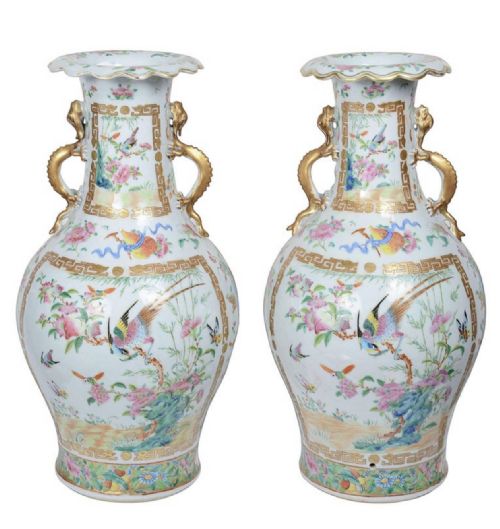
The pieces on this page span the Edwardian era into the 1930s, alongside related Victorian and Chinese export items. Porcelain serves as the primary medium, often accented with gilt or enamel details to enhance the painted botanical designs.
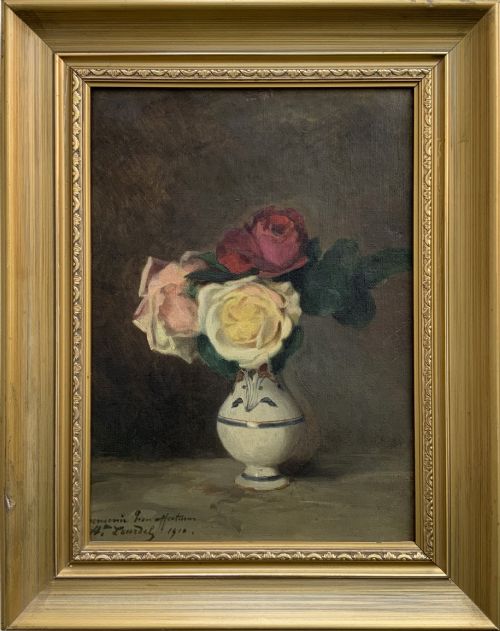
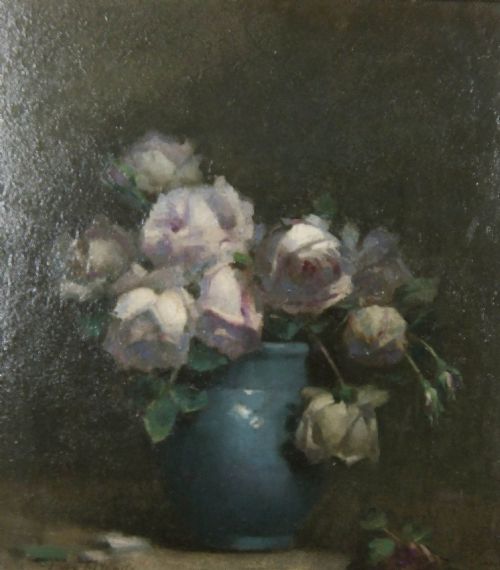
Vases appear alongside decorative ewers and oil paintings depicting roses, demonstrating how floral themes crossed between ceramics and fine art during this period. Collectors find both single decorative pieces and matched pairs suitable for mantelpieces or display cabinets.
How they were made
Makers shaped porcelain into vases, ewers, and jug-vases before applying glaze and firing the pieces in kilns. Artisans then painted floral compositions by hand, utilising enamel pigments to capture the soft petals and foliage of roses.
Gilt and gold leaf were applied to rims, handles, and bases to provide rich metallic contrast against the white porcelain and coloured floral scenes. Some creations required multiple firings to fix the detailed overglaze painting and gilding permanently.
Edwardian Rose Painted Vase Retail Price Guide 2026
Typical asking prices for edwardian rose painted vase among the pieces listed under this phrase on Sellingantiques today, from the lower quarter to the upper quarter. They describe what is for sale here now, not the wider market.
Listings combine porcelain vases and ewers with oil paintings on canvas, demonstrating how Edwardian artists explored rose subjects across both ceramics and fine art.
What varies in quality
The finesse of the hand-painted rose motifs determines the distinction between standard production and superior artistic achievement. Expert brushwork creates depth and naturalism in the petals, whereas lesser examples appear flat or repetitive.
The preservation of the gilding and enamel work influences the overall desirability of each vessel. Rich application of gold leaf and intact, vibrant glaze finishes distinguish the finest manufacturing output from simpler commercial wares.
Royal Worcester·Frank Harper·William Thomas Wood
The Edwardian Rose Painted Vase Glossary
- Garniture
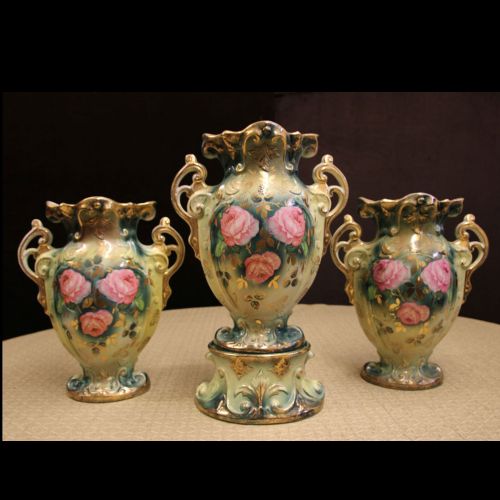
- A set of matched vases or decorative vessels designed to sit together on a mantelpiece or sideboard. These matched groups typically consist of three or more pieces sharing a unified decorative theme.
- Ewer
- A large jug with a wide spout and shaped handle, often utilised for decorative display rather than practical pouring. In ceramic production, ewers mirror the forms of classical metal vessels.
- Enamel
- Opaque vitreous composition fused to the surface of porcelain during firing to add vibrant colour. Enamel painting allows for detailed botanical illustration that resists fading.
- Gilding
- The application of gold leaf or powdered gold paint to ceramic surfaces for decorative accent. This technique highlights handles, rims, and borders on fine porcelain.
- Pot-Pourri
- A vessel featuring a pierced or perforated lid designed to diffuse scent from dried flowers placed inside. These containers combine functional ventilation with ornamental painting.
Edwardian Rose Painted Vase: Frequently Asked Questions
What periods do these vases come from?
The listings span from the late nineteenth century through the Edwardian era and into the nineteen-thirties. Most ceramic items date from the early decades of the twentieth century.
Production methods and artistic styles reflect the transition from Victorian ornamentation toward cleaner Edwardian and later twentieth-century aesthetic preferences.
How were garnitures displayed?
Garnitures of vases were traditionally arranged as matching sets across mantelpieces or large pieces of furniture. The central vessel was usually flanked by two matching smaller pieces to create visual balance.
This method of display highlights the coordinated design and shared floral motifs across the set.
What materials are used?
Porcelain forms the core material for these decorative vessels, finished with smooth glaze surfaces. Gilding and gold leaf provide metallic contrast to the painted enamel designs.
Related oil paintings in the selection utilise oil on canvas to depict similar rose subjects.